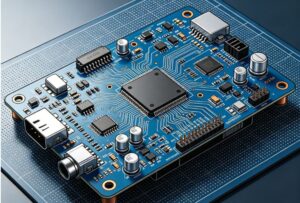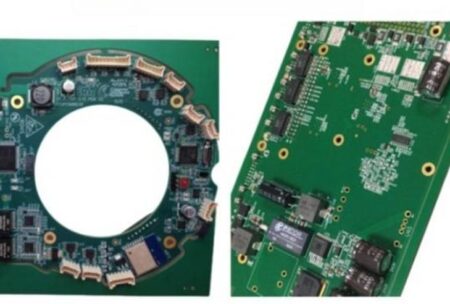
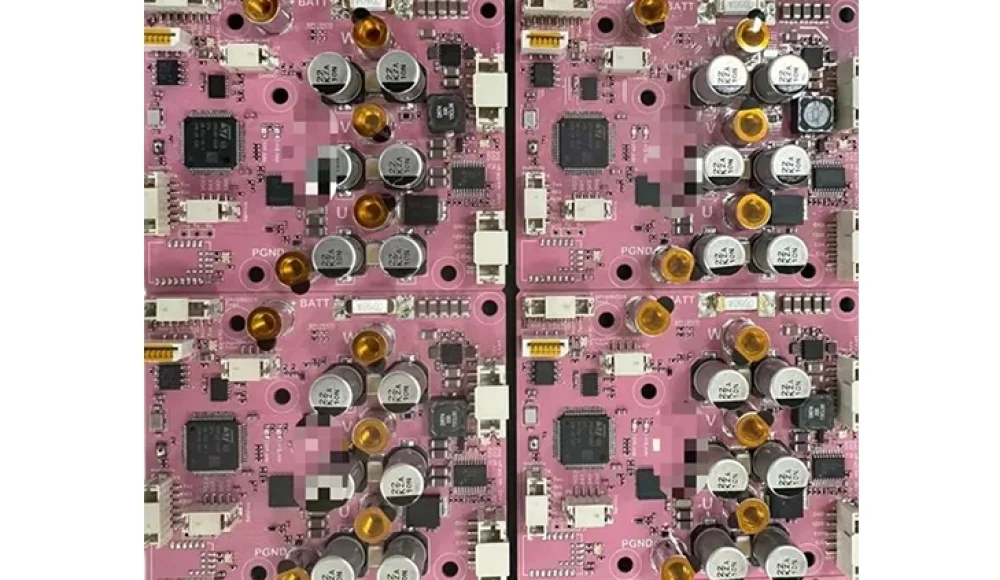
Modern electronic products are becoming smaller, faster, and more complex. At the same time, manufacturers must improve reliability, reduce heat issues, and maintain stable signal transmission across increasingly compact designs. This is where a multilayer printed circuit board becomes essential.
From power supply systems and industrial automation to telecom equipment and medical electronics, multilayer PCB technology supports advanced circuit integration while improving electrical performance. However, many buyers still face common problems such as unstable quality, delayed production, poor communication, and inconsistent assembly standards when sourcing PCB manufacturing services.
Choosing the right manufacturing partner is no longer only about price. Engineering capability, production stability, inspection standards, and long-term support now play a major role in product success. Ring PCB combines 18 years of PCB and PCBA manufacturing experience with full-turnkey assembly services to help global customers reduce production risks and improve project efficiency.
Why Multilayer PCB Technology Is Widely Used
Compared with single-layer or double-layer boards, multilayer PCB structures allow engineers to integrate more functions into limited space while maintaining stable electrical performance.
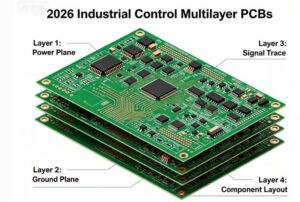
A multilayer PCB uses several conductive copper layers laminated together with insulating materials under controlled temperature and pressure. This structure improves routing efficiency and reduces electromagnetic interference in complex electronic systems.
Main Advantages of Multilayer PCB Designs
- Higher component density for compact products
- Better signal integrity in high-speed applications
- Reduced electromagnetic interference
- Improved thermal performance for power systems
- More stable mechanical structure
- Enhanced reliability for long-term operation
These advantages make multilayer PCBs suitable for demanding electronic environments where performance and stability are critical.
Common Challenges Buyers Often Face
Many electronics companies encounter hidden manufacturing problems after production begins. Some issues may not appear during prototyping but become serious during mass production.
Inconsistent Manufacturing Quality
Poor layer alignment and unstable lamination can affect impedance control and signal transmission. In high-frequency applications, even small manufacturing deviations may reduce product performance.
Ring PCB uses advanced lamination equipment and strict process control to maintain precise layer registration across boards from 2 to 48 layers.
Weak Inspection Standards
Some PCB suppliers rely only on basic visual inspections, which increases the risk of hidden soldering defects or internal board failures.
Ring PCB applies multiple inspection methods, including:
- AOI inspection
- X-ray testing
- Flying probe testing
- Functional testing
- 100% E-testing
This multi-stage inspection process improves production consistency and long-term reliability.
Delayed Delivery and Communication Problems
Time zone differences and slow engineering feedback often create project delays.
Ring PCB operates production lines and support teams 24/7, allowing faster communication with overseas customers and more efficient project coordination.
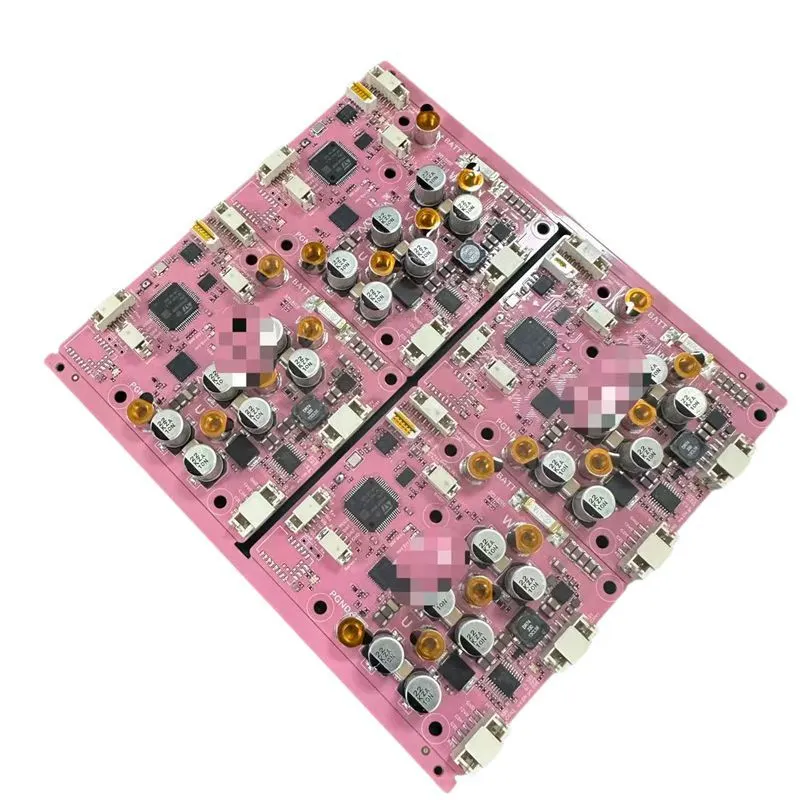
What Makes Ring PCB a Reliable Manufacturing Partner
The PCB industry contains many suppliers, but production capability and engineering support can vary significantly. Ring PCB focuses on combining manufacturing precision with scalable turnkey services.
18 Years of Manufacturing Experience
Since 2008, Ring PCB has supplied thousands of PCB products to customers across more than 50 countries. This global experience helps the engineering team understand international quality expectations and production standards.
Self-Owned Manufacturing Facilities
Ring PCB operates modern manufacturing facilities covering approximately 10,000 square meters with more than 500 employees. The company maintains in-house control over fabrication, assembly, testing, and inspection processes.
This integrated production model improves:
- Quality consistency
- Lead time stability
- Supply chain coordination
- Manufacturing flexibility
- Cost control
Advanced Production Equipment
Ring PCB has invested heavily in precision manufacturing equipment, including:
- High-speed SMT machines
- CNC drilling systems
- Lead-free reflow ovens
- Wave soldering systems
- LDI equipment
- AOI inspection systems
- X-ray inspection systems
These technologies support both rapid prototyping and large-volume production.
Applications of Multilayer Printed Circuit Boards
A multilayer printed circuit board is widely used in applications that require compact layouts, high-speed transmission, and stable electrical performance.
Power Supply Equipment
Power supply systems generate high heat and require efficient current distribution. Multilayer PCB structures improve thermal management and operational stability.
Industrial Automation
Industrial control systems often operate continuously under harsh conditions. Multilayer PCBs help improve durability and reduce signal interference.
Medical Devices
Medical electronics require compact designs with reliable signal transmission and stable operation. Multilayer boards support higher precision and safety.
Telecommunications Equipment
Telecom applications require controlled impedance and high-frequency signal performance. Multilayer structures improve routing efficiency and reduce signal loss.
Automotive Electronics
Vehicle electronics must withstand vibration, temperature variation, and long operating cycles. Multilayer PCB designs improve reliability in demanding automotive environments.
Important Factors Before Choosing a PCB Supplier
Selecting a PCB manufacturer requires careful evaluation of both technical capability and production management.
Manufacturing Capacity
A qualified supplier should support:
- Up to 48 PCB layers
- Controlled impedance
- Fine line spacing
- High-Tg materials
- Thick copper designs
- Mixed assembly technologies
Material Flexibility
Different projects require different substrate materials. Ring PCB supports:
- FR4
- High-Tg FR4
- Rogers materials
- Aluminum PCB
- Polyimide PCB
Assembly Precision
Assembly accuracy directly affects final product reliability.
Ring PCB maintains component placement tolerance within ±0.05–0.1 mm for high-density assemblies.
Turnkey Service Capability
Managing PCB fabrication, sourcing, and assembly separately often increases project complexity.
Ring PCB provides full-turnkey PCB assembly services, including:
- PCB fabrication
- Component sourcing
- SMT assembly
- Through-hole assembly
- Cable assembly
- Functional testing
- Quality inspection
This integrated approach reduces communication costs and improves production efficiency.
Multilayer PCB vs Traditional PCB Structures
Different PCB structures serve different application requirements.
Single-Layer PCB
Suitable for simple electronics with limited circuit complexity.
Double-Layer PCB
Provides moderate routing capability but may struggle in high-speed applications.
Multilayer PCB
Ideal for products requiring:
- High-speed signal transmission
- Compact designs
- Better heat dissipation
- Stable electrical performance
- Advanced circuit routing
Although multilayer boards require more complex manufacturing, they provide greater reliability and long-term value for advanced electronic products.
Conclusion
A reliable multilayer printed circuit board supplier should offer more than manufacturing capacity alone. Stable quality control, advanced inspection systems, engineering expertise, and flexible production support are equally important for successful electronic projects.
With 18 years of experience, self-operated manufacturing facilities, advanced production equipment, and full-turnkey PCB assembly services, Ring PCB supports customers from rapid prototyping to mass production with dependable quality and global service capability. For companies seeking stable multilayer PCB manufacturing with long-term production support, Ring PCB provides a practical and scalable solution.