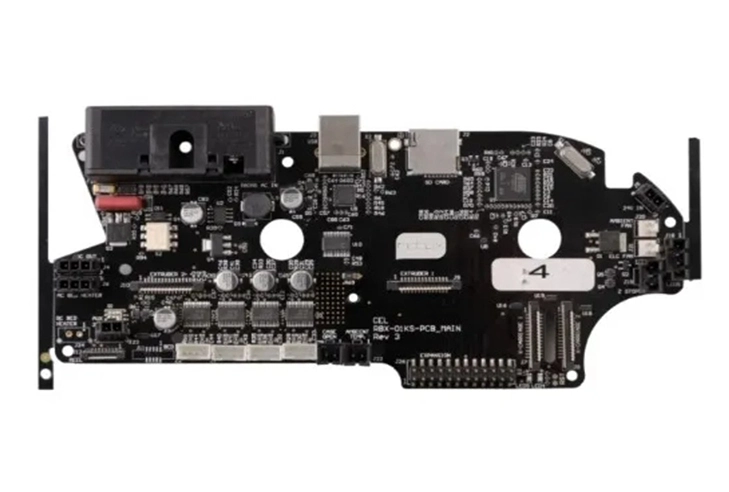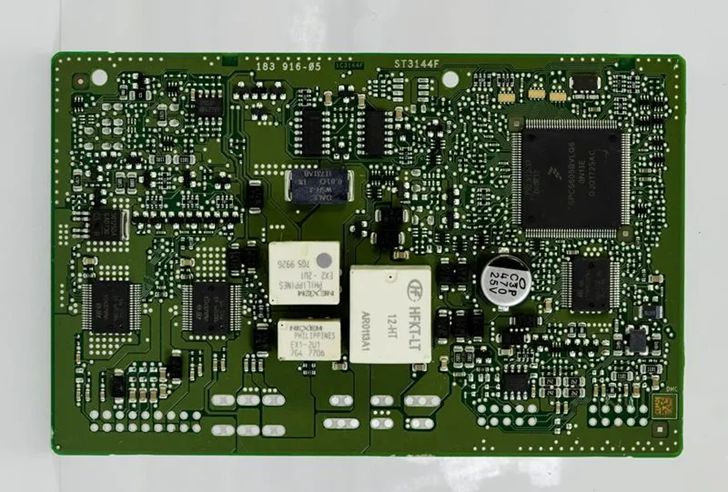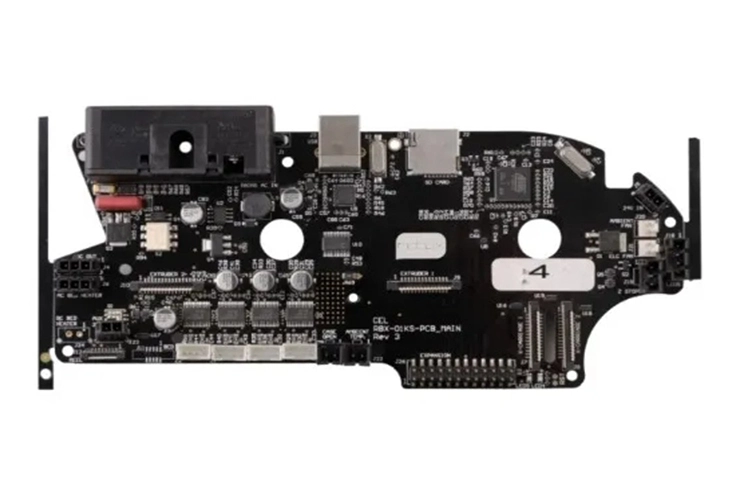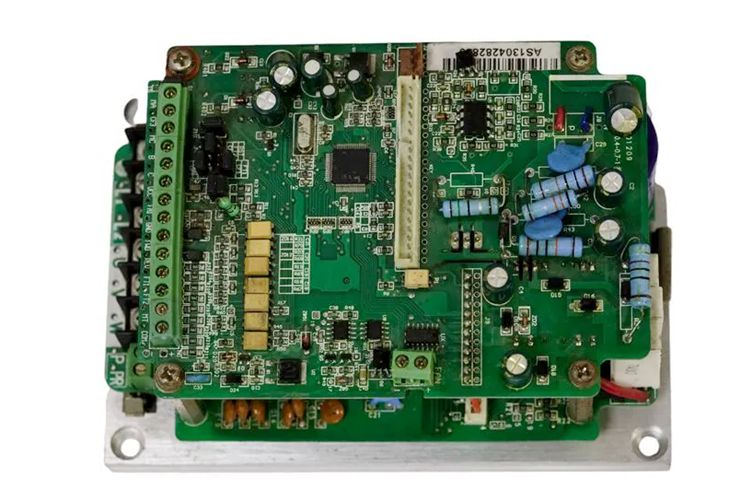
The global industrial control & factory automation market will hit USD 183.07 billion in 2026, expanding at a CAGR of 8.75% through 2035, powered by widespread IIoT deployment, smart factory upgrades and robotic automation transformation. IoT Analytics data shows over 5.8 billion industrial connected devices run worldwide in 2026, all relying on high-stability industrial control PCBA as core hardware carriers. However, industry research exposes a critical hidden risk: 68% of unexpected automation equipment downtime originates from inconsistent PCBA quality, while non-ISO-certified circuit assemblies carry a 3–5 times higher field failure rate than ISO-compliant industrial control PCBAs.
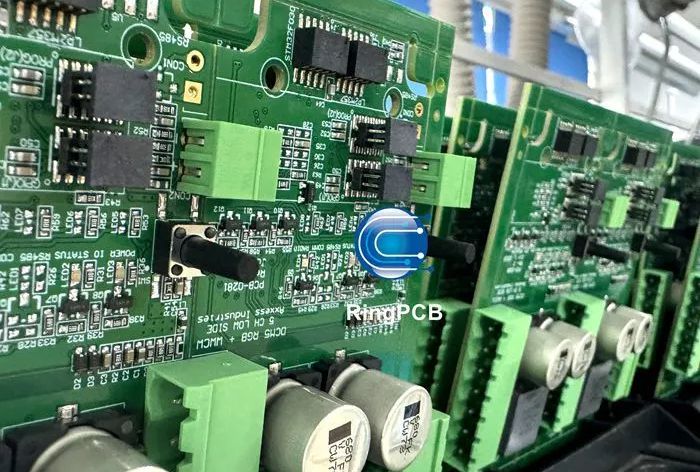
As Industry 4.0 advances, industrial control hardware faces dual upgrading demands: high-density HDI layout for miniaturized PLC/HMI, and ultra-reliability to withstand 24/7 continuous operation under vibration, wide temperature swings (-40℃~85℃), EMI interference and corrosive dust. Many hardware OEMs still split PCB fabrication, component procurement and SMT/DIP assembly across multiple independent vendors, creating severe fragmented supply chain defects. A 2026 electronics manufacturing survey indicates multi-supplier cooperation extends overall lead times by 35%, pushes hidden rework and after-sales maintenance costs up by over 42%, and generates unclear accountability once quality failures occur. Bare board factories blame assembly mismatch, while assemblers attribute defects to poor substrate design, forcing buyers to bear extra troubleshooting labor and delayed product launch losses.
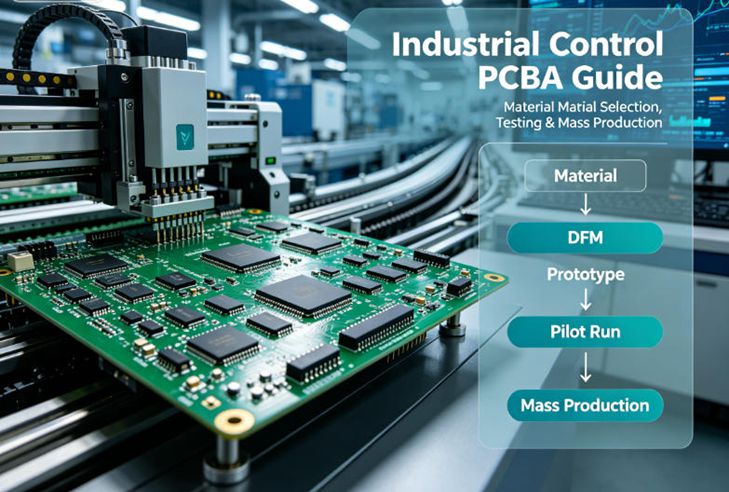
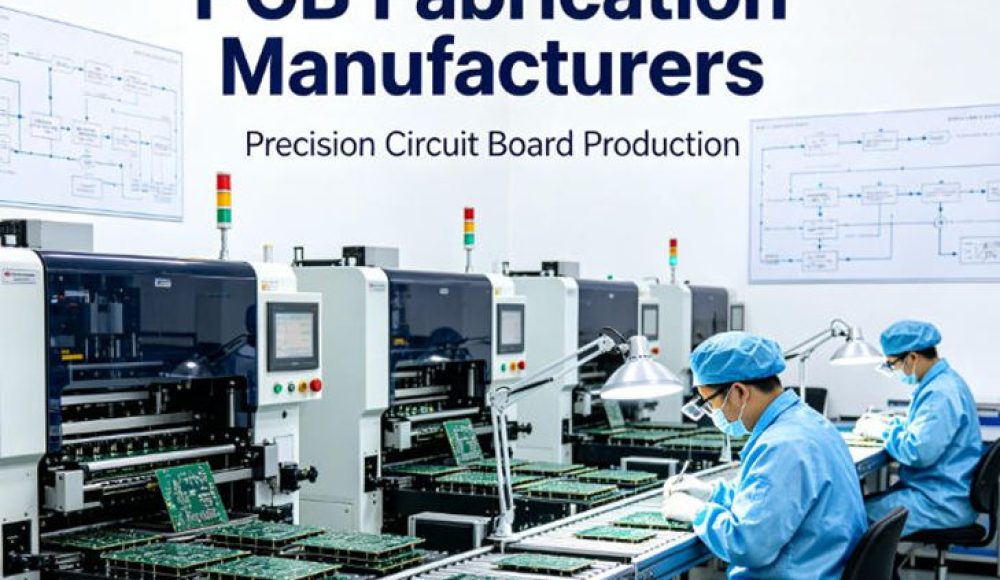
ISO quality management systems (ISO 9001, IATF 16949, ISO 14001) paired with IPC-A-610 Class 3 high-reliability standards deliver systematic solutions to these dilemmas. ISO mandates full closed-loop traceability covering raw material incoming inspection, SMT printing, reflow soldering, AOI/X-ray testing and final functional validation; embedded SPC statistical process control cuts batch defect rates by 30%–60% compared with unstandardized production lines. A professional one-stop PCB & PCBA manufacturer integrates DFM design optimization, bare PCB production, authorized component sourcing, full assembly and multi-dimensional reliability testing under a unified ISO quality control system. All industrial control PCBAs pass thermal cycling aging, vibration shock and humidity resistance tests before delivery, achieving an average MTBF over 80,000 hours for mission-critical automation equipment.
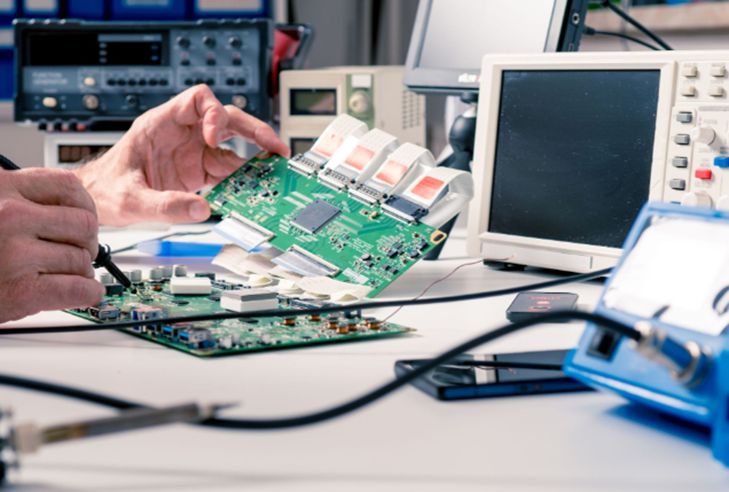
In the current volatile component market marked by MLCC shortages and raw material price fluctuations, one-stop manufacturers with stable franchised component supply channels further mitigate stockout risks. Unlike decentralized vendors that cannot coordinate material allocation, integrated service providers conduct early component lifecycle assessment, launch last-time-buy schemes for obsolete chips, and avoid costly emergency redesign delays for long-cycle industrial equipment projects.
About RingPCB
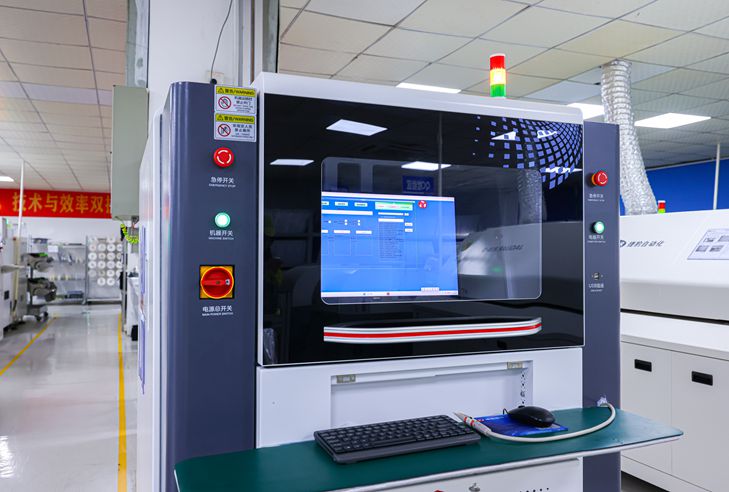
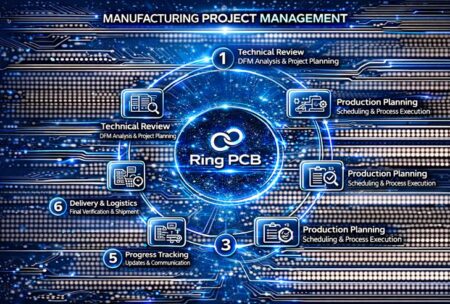
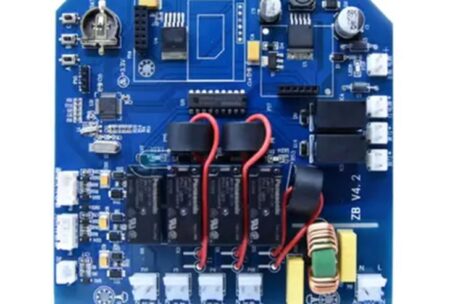
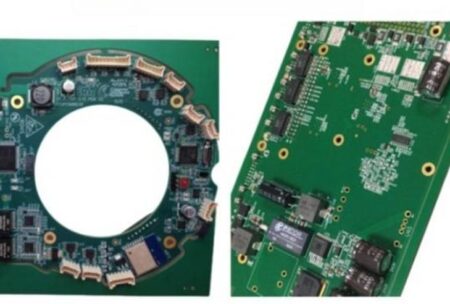
As a mature ISO-certified one-stop PCB & PCBA manufacturer with self-owned 10,000㎡ automated production plant, RingPCB delivers fully compliant industrial control PCBA solutions tailored for PLC, servo drives, frequency converters, machine vision controllers and IIoT monitoring devices. We hold complete ISO 9001, IATF 16949, ISO 14001 and IPC-A-610 Class 3 certifications, with full-process MES batch traceability to meet strict industrial audit requirements. Our technical team provides free DFM review to optimize anti-EMI layout, heavy copper circuit and high-Tg substrate matching for harsh workshop environments, supporting rapid prototype turnaround in 5–7 days and mass production up to 50,000 units per batch. We offer conformal coating, blind/buried via and impedance control services to extend board service life, alongside 24/7 multilingual engineering support for global automation brands.
Reach our technical team for customized industrial control PCBA quotations via Email: rfq@ringpcb.com,
visit our official site for full manufacturing cases: www.ringpcb.com