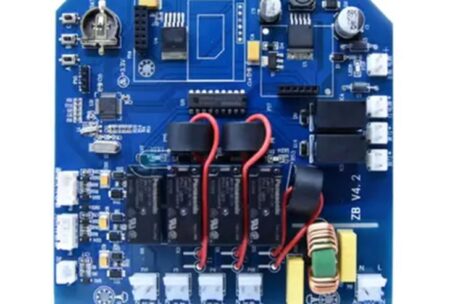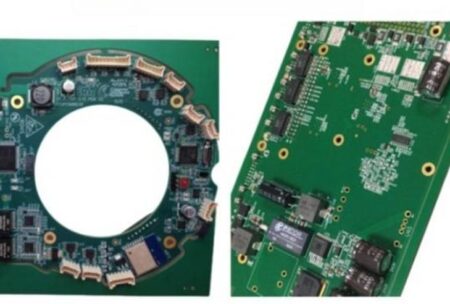
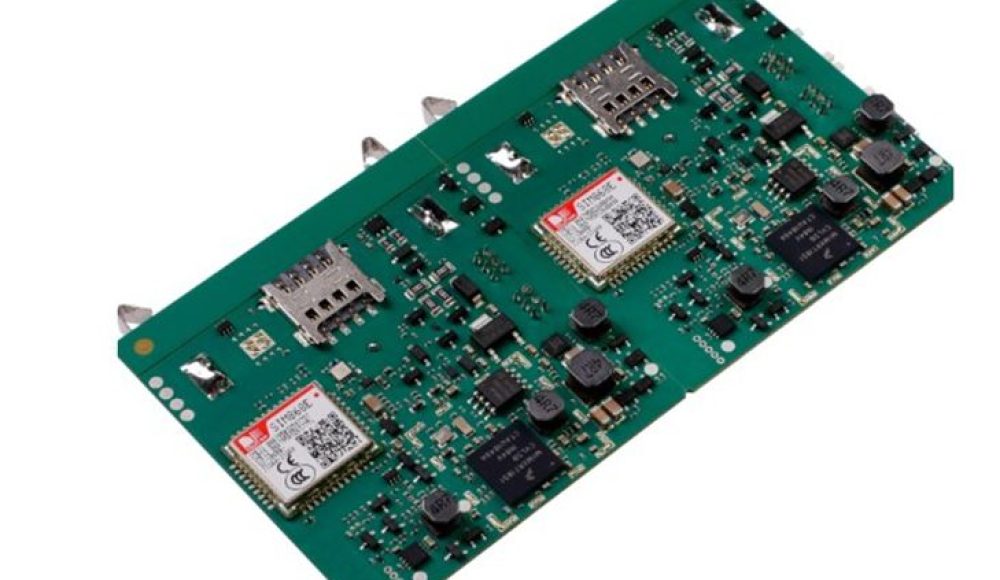
Automotive Printed Circuit Board Assembly plays a critical role in vehicle safety, power management, communication, and electronic control. However, sourcing automotive PCBA is not simply about mounting components onto a circuit board. You need a manufacturing partner that can address temperature fluctuations, vibration, electromagnetic interference (EMI), and strict quality requirements while maintaining consistent production and delivery schedules.
Ring PCB, founded in 2008 in Shenzhen, China, provides PCB fabrication and full-turnkey PCBA manufacturing services for international customers. With an approximately 10,000-square-meter manufacturing facility, 500 employees, and certifications including IATF 16949, the company supports projects from rapid prototyping to mass production. Understanding the assembly process, technical requirements, and quality controls helps you select a suitable supplier for your automotive electronics project.
What Is Automotive Printed Circuit Board Assembly?
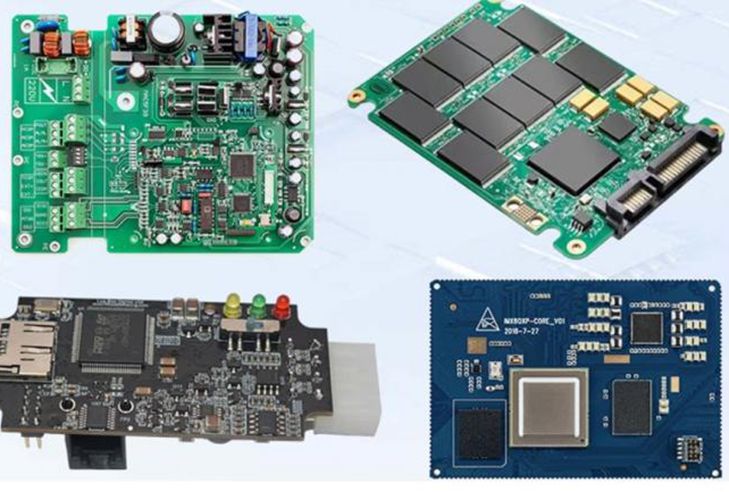
Automotive printed circuit board assembly involves mounting and soldering electronic components onto a fabricated PCB for use in vehicle electronic systems. Depending on the application, an assembly may contain microcontrollers, power components, sensors, connectors, and communication interfaces.
Unlike many standard consumer electronics applications, automotive electronics must operate reliably under demanding environmental conditions. Your design and manufacturing requirements should account for:
- Temperature resistance: Materials and components must suit the application’s operating temperature range.
- Vibration resistance: Component placement, solder joints, and mechanical design must withstand vehicle vibration.
- Electrical performance: Signal integrity, power delivery, and circuit protection are essential for stable operation.
- Electromagnetic compatibility: Appropriate PCB layout and filtering help control electromagnetic interference.
- Long-term reliability: Material selection, process control, and testing help reduce premature failures.
The required specifications depend on the vehicle system, operating environment, and applicable industry standards.
Key Technical Requirements for Automotive PCB Assembly
Selecting appropriate materials and manufacturing processes helps you achieve the required electrical performance and reliability. Ring PCB supports customized automotive PCBA configurations for different electronic applications.
Materials, Layers, and Surface Finishes
Typical design and manufacturing options include:
| Parameter | Available Specification |
|---|---|
| PCB layers | 2–16 layers for the listed automotive PCBA configuration |
| Materials | FR-4, High-Tg FR-4, Rogers, polyimide, and aluminum |
| Copper thickness | 1–6 oz |
| Surface finishes | ENIG, HASL, OSP, immersion silver, and immersion tin |
| Minimum trace/space | 3/3 mil |
| Minimum hole size | 0.2 mm |
| Inspection methods | 100% electrical testing, AOI, and X-ray inspection |
| Prototype lead time | As fast as 3 days for supported projects |
These specifications are reference values rather than universal requirements for every design. Actual capabilities and lead times should be confirmed against your Gerber files, bill of materials (BOM), assembly complexity, and testing requirements.
Automotive Quality and Certification
Automotive manufacturers often require documented production controls, traceability, and reliable supplier quality systems. Ring PCB holds IATF 16949 certification alongside ISO 9001, ISO 14001, ISO 13485, and UL-related certification.
However, certification alone does not establish that every finished assembly meets every automotive requirement. You should also verify component qualifications, inspection plans, traceability arrangements, and application-specific validation before production approval.
Automotive PCBA vs. Standard PCB Assembly
Although both processes use electronic components and soldering, automotive and standard PCB assembly may differ substantially in quality planning and validation.
| Comparison | Standard PCBA | Automotive PCBA |
|---|---|---|
| Typical applications | Consumer electronics and general equipment | ECU, BMS, ADAS, and vehicle controls |
| Quality planning | Based on product requirements | May require automotive-specific controls |
| Components | Selected for the intended application | Automotive-qualified parts where required |
| Environmental testing | Depends on product specifications | May include temperature cycling and vibration |
| Traceability | Depends on customer requirements | Often requires enhanced lot and process traceability |
| Reliability targets | Defined by product use | Often designed for demanding vehicle conditions |
Automotive assembly does not automatically require identical tests or components in every project. For example, AEC-Q100 applies to qualifying integrated circuits, while other component categories may follow different qualification standards.
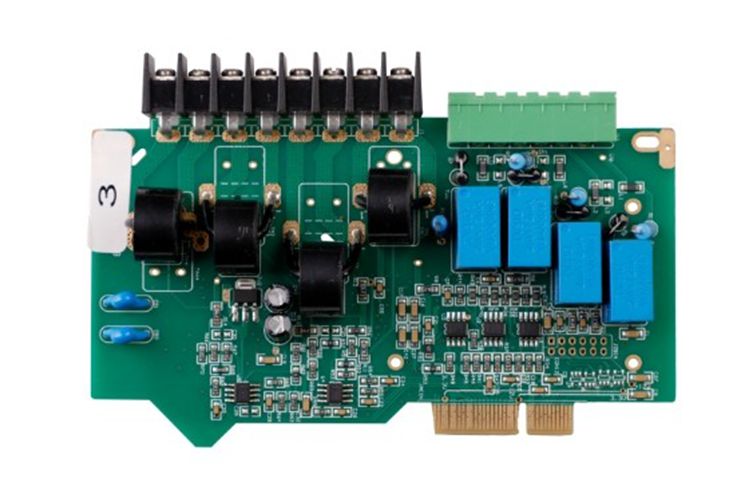
How to Procure Automotive Printed Circuit Board Assembly
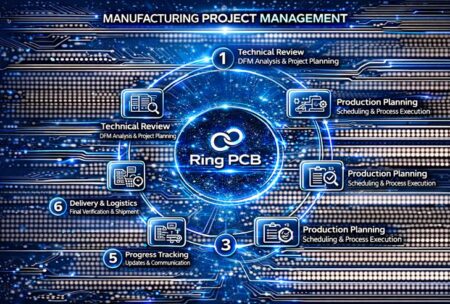
A structured procurement process helps you reduce design risks, avoid component shortages, and establish realistic production schedules.
- Define your application. Identify whether the board will serve an ECU, EV battery management system, ADAS module, charging system, or another automotive function.
- Submit design files. Provide Gerber or other accepted manufacturing data, BOM, assembly drawings, and required specifications.
- Complete engineering review. Ask your supplier to assess manufacturability, component availability, thermal considerations, and potential signal-integrity issues.
- Confirm quality requirements. Agree on applicable standards, component sourcing controls, inspection methods, testing criteria, and traceability.
- Approve the prototype. Evaluate assembly quality and functional test results before authorizing production.
- Plan volume manufacturing. Confirm pricing, material lead times, production capacity, packaging, and delivery schedules.
Ring PCB offers full-turnkey support covering PCB fabrication, component sourcing, SMT and through-hole assembly, testing, and quality control. This integrated approach can simplify supplier coordination throughout the project.
Automotive PCBA Applications
Automotive printed circuit board assemblies support a broad range of vehicle electronic functions, including:
- Engine control units (ECUs): Manage engine operation and related electronic controls.
- Battery management systems (BMS): Monitor battery parameters and support protection functions in electric vehicles.
- Advanced driver assistance systems (ADAS): Support electronic modules used in sensing and driver assistance.
- Automotive sensors: Process signals from pressure, temperature, radar, and other sensing devices.
- Safety and body control systems: Support functions such as braking controls, airbags, and body electronics.
- EV charging and power electronics: Manage electrical conversion, charging, and power distribution functions.
Each application has different electrical, thermal, mechanical, and regulatory requirements. Therefore, communicate the intended operating environment and acceptance criteria before finalizing the assembly design.
Why Choose Ring PCB for Automotive PCBA?
Ring PCB has operated since 2008 and serves customers in more than 50 countries. Its manufacturing operation combines PCB fabrication and assembly capabilities under one roof.
Key service advantages include:
- Manufacturing capacity: Approximately 10,000 square meters of facility space and a workforce of 500 employees.
- Rapid prototyping: Three-day prototype service for supported projects, subject to design complexity and component availability.
- Scalable production: Bare PCB production capacity of up to 50,000 square meters per month, with PCBA capacity dependent on project requirements.
- Inspection capabilities: AOI, X-ray inspection, and electrical testing support manufacturing quality control.
- Turnkey coordination: PCB fabrication, component procurement, assembly, and testing can be coordinated through one supplier.
- International quality systems: Certifications include IATF 16949, ISO 9001, ISO 14001, and ISO 13485.
These capabilities provide a practical starting point for evaluating Ring PCB as an automotive electronics manufacturing partner. You should confirm project-specific production capacity, certification scope, and quality requirements during quotation.
FAQ
1. What is the difference between automotive PCB and automotive PCBA?
An automotive PCB is the fabricated circuit board without its assembled electronic components. Automotive PCBA refers to the completed assembly with components mounted and soldered onto the board.
2. How long does automotive PCBA prototyping take?
Ring PCB offers prototyping in as little as three days for supported projects. Actual lead times depend on design complexity, PCB layer count, component availability, assembly requirements, and testing.
3. What information do you need to request an automotive PCBA quotation?
Prepare your Gerber files, BOM, assembly drawings, required quantity, target delivery date, and testing specifications. Include applicable automotive quality requirements so the supplier can evaluate manufacturing feasibility and provide a more accurate quotation.
Conclusion
Choosing the right Printed Circuit Board Assembly partner helps you manage automotive electronics manufacturing risks, maintain consistent quality, and prepare for production scaling. By evaluating technical capabilities, material options, inspection methods, and automotive quality systems, you can make a more informed sourcing decision. Ring PCB combines PCB fabrication, PCBA assembly, rapid prototyping, and turnkey manufacturing support to serve automotive electronics projects from initial samples to volume production.
Request an Automotive PCBA Quote from Ring PCB
Send your Gerber files, BOM, target quantity, and technical requirements to rfq@ringpcb.com. Ring PCB engineering team can review your project and help you assess manufacturing feasibility, prototype timing, and a suitable production plan.