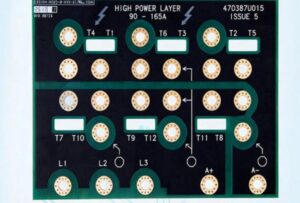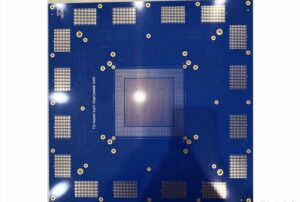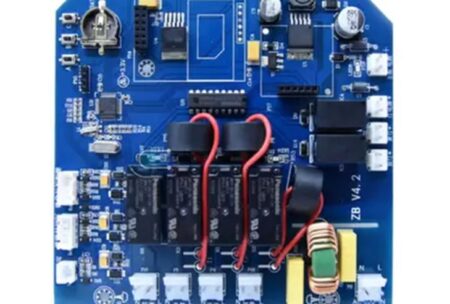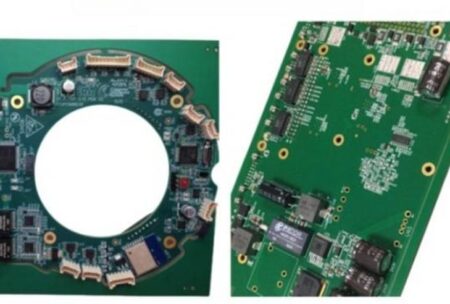
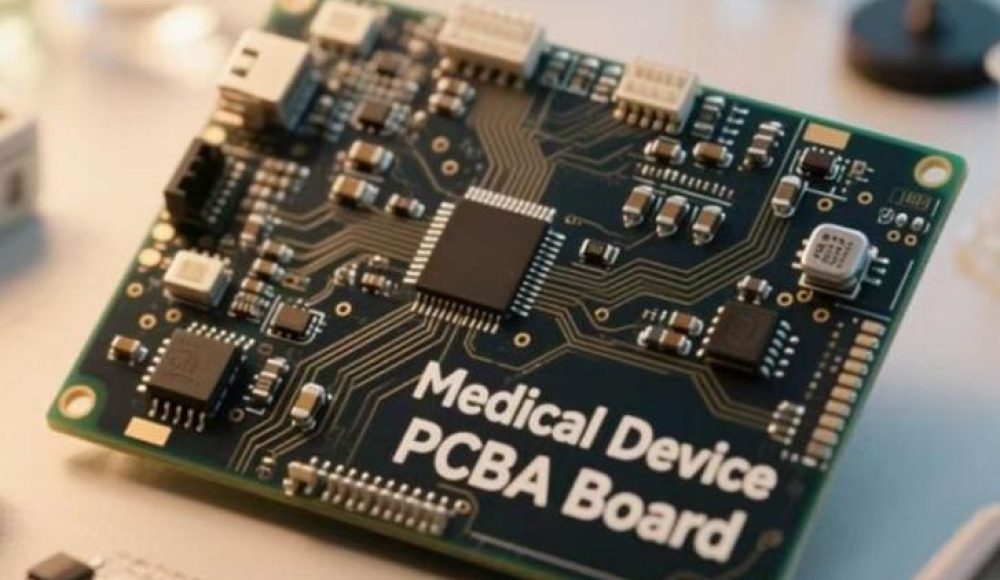
Custom Medical PCB Assembly requires more than accurate component placement. If you manufacture diagnostic equipment, patient monitoring systems, or portable medical devices, even a minor soldering defect or component misalignment can affect electronic performance and product reliability. Therefore, you need a PCB assembly partner with suitable inspection equipment, documented quality procedures, and experience in medical electronics manufacturing.
Ring PCB provides customized PCB fabrication and PCBA services for healthcare equipment manufacturers. Founded in 2008, the company operates a 10,000㎡ self-owned factory in Shenzhen, China, with 500 employees. Its quality management systems include ISO 13485, ISO 9001, ISO 14001, and IATF 16949. Understanding how AOI, X-Ray, and functional testing work can help you evaluate suppliers and establish appropriate inspection requirements for your medical electronics projects.
Why Quality Control Matters in Custom Medical PCB Assembly
Medical electronic equipment often operates continuously and processes signals that require consistent accuracy. A soldering defect, poor electrical connection, or incorrectly installed component may cause unstable operation or unexpected equipment failures.
For this reason, medical PCB assembly requires attention to several manufacturing factors:
-
Component placement accuracy: Ensures components match the PCB design and bill of materials (BOM).
-
Solder joint integrity: Helps prevent open circuits, short circuits, and weak connections.
-
Electrical performance: Confirms that assembled boards meet specified functional requirements.
-
Manufacturing traceability: Supports production records, inspection documentation, and quality investigations.
-
Process consistency: Reduces variations between prototypes, small batches, and mass production.
When selecting a medical PCB assembly manufacturer, you should evaluate both its quality management system and its ability to inspect specific PCB structures.
Three Key Medical PCB Assembly Inspection Methods
Different inspection technologies identify different types of defects. Combining suitable methods provides a more comprehensive approach to PCBA quality control.
1. AOI Inspection for Component Placement and Soldering
Automated Optical Inspection (AOI) uses cameras and image-processing technology to examine assembled circuit boards.
It compares actual PCB assemblies against programmed reference images or design data to identify visible manufacturing defects.
AOI can help detect:
-
Missing or incorrectly placed components
-
Component polarity errors
-
Solder bridges and visible soldering defects
-
Misaligned surface-mount components
-
Incorrect component orientation
For example, when manufacturing a patient monitoring PCB, AOI can help identify misplaced resistors, capacitors, and integrated circuits before the board proceeds to subsequent production stages.
2. X-Ray Inspection for Hidden Solder Joints
Unlike AOI, X-Ray inspection examines structures that cannot be evaluated adequately through conventional optical inspection.
This method is particularly useful for assemblies containing Ball Grid Array (BGA) components, where solder joints are located beneath the component package.
X-Ray inspection can help identify:
-
Hidden solder bridges
-
Insufficient solder connections
-
Voids in solder joints
-
Misaligned BGA solder balls
-
Potential defects in complex solder connections
For medical diagnostic equipment with high-density circuit designs, X-Ray inspection provides additional visibility into concealed solder joints.
3. Functional Testing for Electrical Performance
Visual inspection alone cannot confirm whether a PCB assembly performs according to its intended design.
Functional testing evaluates the assembled board under specified operating conditions. Depending on your project requirements, testing may cover:
-
Power supply and voltage output
-
Signal transmission and processing
-
Communication interfaces
-
Control circuit operation
-
Sensor input and output responses
For instance, a custom PCB used in an ECG monitoring system may require electrical and signal-related tests based on the customer’s design specifications.
AOI vs. X-Ray vs. Functional Testing
Each inspection method serves a different purpose. You should select the appropriate combination according to component packaging, circuit complexity, and product requirements.
| Inspection Method | Main Inspection Focus | Typical Defects or Issues |
|---|---|---|
| AOI | Visible components and solder joints | Misalignment, missing parts, solder bridges |
| X-Ray | Hidden solder connections | BGA defects, voids, hidden bridges |
| Functional Testing | Electrical operation | Signal errors, abnormal voltage, circuit failures |
For complex medical electronics, combining these methods can provide better inspection coverage than relying on a single testing method.
How Ring PCB Manages Medical PCBA Quality Control
Ring PCB integrates PCB fabrication, component sourcing, SMT assembly, through-hole assembly, and inspection services within its manufacturing operations.
Its manufacturing capabilities include:
-
10,000㎡ self-owned manufacturing facility in Shenzhen
-
500 employees supporting production and engineering
-
PCB production capacity of 50,000㎡ per month
-
Capability to manufacture multilayer PCBs up to 62 layers
-
Advanced SMT equipment, AOI, and X-Ray inspection systems
-
Support for prototype, small-batch, and mass production
Ring PCB also operates under ISO 13485, ISO 9001, ISO 14001, and IATF 16949 quality management certifications.
These capabilities support different medical electronics requirements, from compact portable diagnostic boards to more complex multilayer control assemblies.

Five Steps to Establish a Reliable Medical PCB Assembly Process
When outsourcing a medical electronics project, you can use the following steps to establish clear manufacturing and inspection requirements.
1. Submit design files: Provide Gerber files, BOM, PCB specifications, and assembly drawings for engineering review.
2. Confirm manufacturing requirements: Discuss PCB materials, layer count, component sourcing, soldering processes, and inspection criteria.
3. Review prototype assemblies: Evaluate initial samples to identify design or manufacturing issues before larger production runs.
4. Perform quality inspections: Apply AOI, X-Ray, and functional testing according to the agreed inspection plan.
5. Review production documentation: Confirm inspection results, traceability records, and delivery requirements before shipment.
This process helps you maintain better control over manufacturing quality and reduces the risk of unresolved issues during production scaling.
Frequently Asked Questions
1. Why is ISO 13485 important for medical PCB assembly?
ISO 13485 is a quality management system standard specifically designed for medical device organizations and their supply chains. It establishes requirements for quality management, risk-based processes, and documented controls. Working with an ISO 13485-certified PCB assembly supplier can support your supplier qualification and quality management activities.
2. Is AOI inspection sufficient for medical device PCBA?
Not always. AOI primarily detects visible defects and cannot adequately inspect every hidden solder joint. If your design includes BGA packages or other concealed connections, X-Ray inspection may also be necessary. Functional testing provides another layer of verification.
3. Can Ring PCB provide customized medical PCB assembly?
Yes. Ring PCB supports customized PCB fabrication and PCBA services based on customer design files and project specifications. Services include PCB manufacturing, component sourcing, SMT assembly, through-hole assembly, and inspection. The company also supports prototype and mass production requirements.
Conclusion
Reliable Custom Medical PCB Assembly depends on suitable manufacturing processes, effective inspection methods, and consistent quality management. AOI helps identify visible assembly defects, X-Ray examines hidden solder joints, and functional testing verifies electrical performance. By evaluating these capabilities before selecting a supplier, you can make better manufacturing decisions and establish a more controlled production process for your medical electronics.
Request a Custom Medical PCB Assembly Quote from Ring PCB
Are you developing a diagnostic device, patient monitoring system, or other healthcare electronic product? Send your Gerber files, BOM, and technical requirements to Ring PCB for an engineering review and customized quotation.
-
Manufacturer: Ring PCB Technology Co., Limited
-
Email: rfq@ringpcb.com
-
Phone/WhatsApp: +86-13612807580
-
Location: Shenzhen, Guangdong, China
Contact Ring PCB to discuss your PCB design, inspection requirements, component sourcing, and full-turnkey PCBA manufacturing needs.