Unique Characteristics of Intelligent Robot PCBA
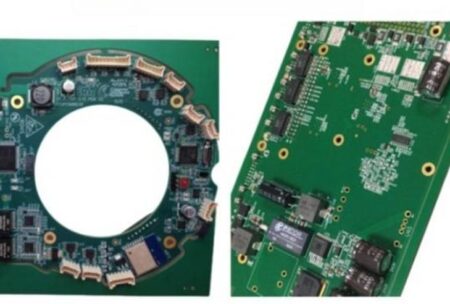
First, high-density interconnection (HDI) layout is mandatory. Modern lightweight collaborative robots and humanoid robots integrate dozens of sensors, servo motors, cameras, and communication modules within compact mechanical structures. HDI PCBs with microvias, fine lines, and ultra-small pad spacing maximize component layout efficiency while shrinking overall board size, a non-negotiable feature for miniaturized robot bodies.
Second, robust anti-vibration and anti-shock performance. Factory cobots, warehouse mobile robots, and outdoor inspection robots face constant vibration, frequent movement, and occasional impact during operation. Robot PCBA adopts thickened copper layers, reinforced solder masks, and high-strength substrate materials to prevent pad detachment, solder joint cracking, and circuit open circuits under long-term mechanical stress.
Third, wide-temperature adaptability. Industrial robots work in cold storage workshops, high-temperature welding production lines, or outdoor open-air environments. Qualified robotic PCBA must maintain stable electrical performance between -40°C and 85°C, using high-Tg FR-4 substrates and heat-resistant solder paste to avoid performance drift caused by temperature fluctuations.
Fourth, multi-functional integrated circuit design. A single robot main control PCBA needs to simultaneously process power supply, servo drive signal, lidar data, Ethernet communication, and safety alarm signals. Multi-layer stacked boards (4–12 layers) are widely applied to isolate power circuits and high-speed signal circuits, eliminating electromagnetic interference (EMI) that could cause robot positioning errors or system crashes.
Fifth, strict safety and reliability standards. Robots working alongside human workers carry potential safety risks from circuit short circuits or signal failure. All RingPCB robotic PCBA passes strict insulation resistance testing, over-current protection verification, and long-duration aging testing to guarantee 24/7 continuous stable operation.
Core Technical Capabilities Required for Robot PCBA Manufacturing
- Precision SMT High-Precision Mounting
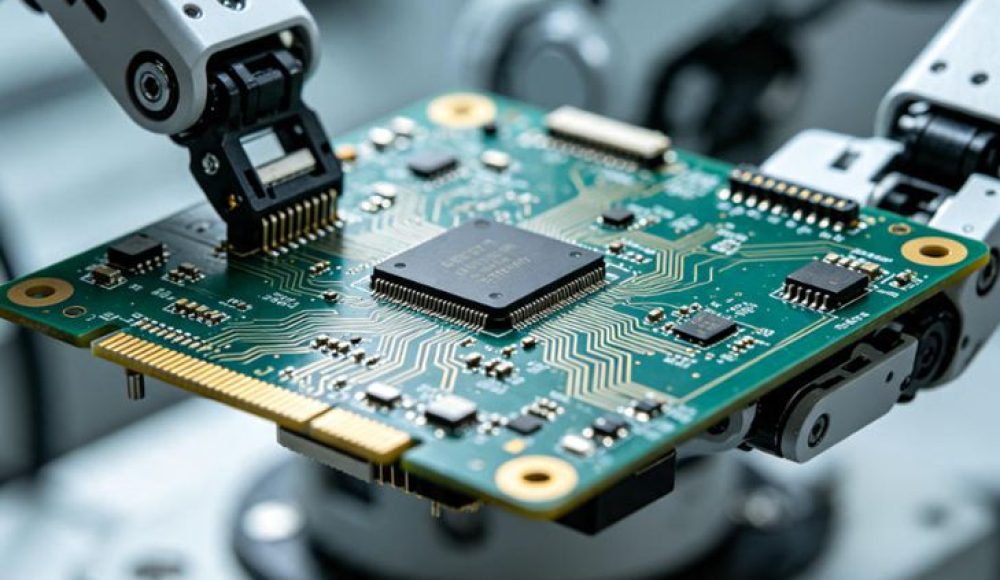
Robot control boards carry tiny components such as 0201 resistors, QFP, BGA, and miniature sensor chips. Our factory adopts fully automatic high-speed SMT machines with ±0.01mm mounting accuracy, ensuring zero offset for micro-components, and conducts X-ray inspection for hidden BGA solder joints to eliminate empty welding or cold welding defects.
- Customized Full-Turnkey EMS Service
Robot manufacturers often require one-stop solutions instead of separate bare PCB and assembly suppliers. RingPCB provides component sourcing, PCB etching, SMT soldering, conformal coating, wiring assembly, and finished product testing in-house. We source automotive-grade and industrial-grade electronic components to match robots’ long service life requirements, cutting customers’ multi-supplier coordination costs.
- Professional Reliability Testing Lab
We own a complete physical analysis laboratory equipped with thermal cycling testers, vibration test benches, microsection inspection equipment, and EMI testing devices. Every batch of robot PCBA undergoes customized simulation tests replicating real robot working conditions before delivery, to verify shock resistance, heat resistance, and signal stability.
- Flexible Customization for Small & Mass Orders
Robot enterprises range from startup R&D teams requiring small prototype batches to large automation brands with mass production orders. We support 3-day fast prototype delivery and 7-day mass production cycles, adjusting production lines flexibly for low-volume trial runs and large-batch standardized orders.
- Sustainable & High-Precision Manufacturing
European and North American robotics clients increasingly emphasize eco-friendly production. Our robotic PCBA adopts lead-free solder and halogen-free substrates, fully complying with RoHS, REACH, and IPC-A-610 international industrial standards to meet global market access requirements.
Current & Future Industry Demands for Robot PCBA
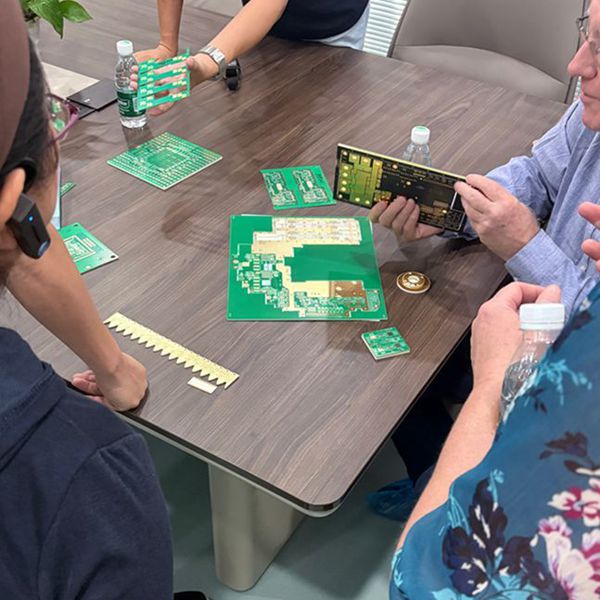
First, surging demand for humanoid robot high-speed PCBA. Humanoid robots require high-speed signal transmission for vision recognition and motion feedback, pushing demand for high-frequency, high-speed PCB materials with low signal loss. Manufacturers must upgrade material supply chains and signal integrity simulation capabilities to meet this emerging need.
Second, higher requirements for lightweight and flexible PCBA. Service robots and wearable collaborative robots need flexible circuit boards to fit curved mechanical structures. We have expanded FPC and rigid-flex PCB production lines to support flexible circuit assembly for next-gen lightweight robot designs.
Third, shortened R&D iteration cycles force faster PCBA turnaround. Robot brands launch new product iterations every 6–12 months, requiring circuit suppliers to deliver prototypes rapidly. Our optimized internal workflow and manual Google indexing submission system shorten proofing waiting time significantly, accelerating clients’ product launch progress.
Fourth, localized after-sales and technical cooperation. Many overseas robot clients hope to establish long-term technical partnerships rather than one-time purchasing relationships. Our 17-year cooperation record with European industrial equipment brands proves our ability to provide continuous DFM optimization, design iteration support, and after-sales technical guidance for robot circuit board projects.
Conclusion
If you are developing intelligent robot equipment and need custom PCBA manufacturing support, send your Gerber files, BOM lists, and project specifications to rfq@ringpcb.com to receive free DFM analysis and tailored quotations.