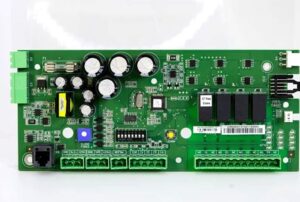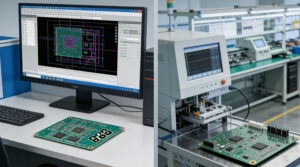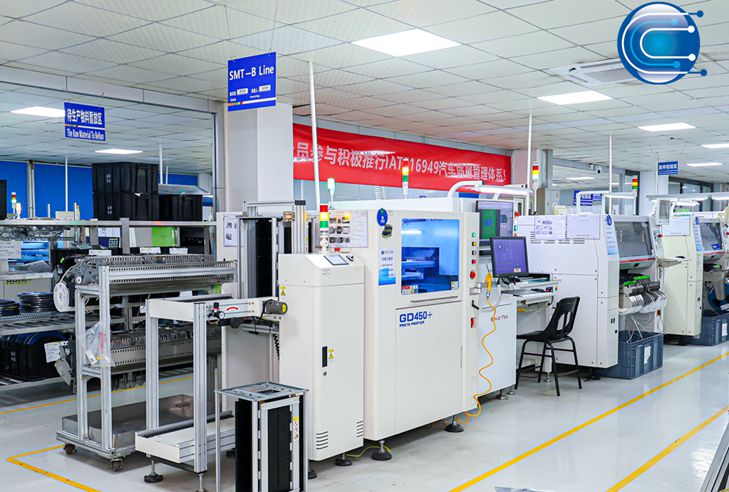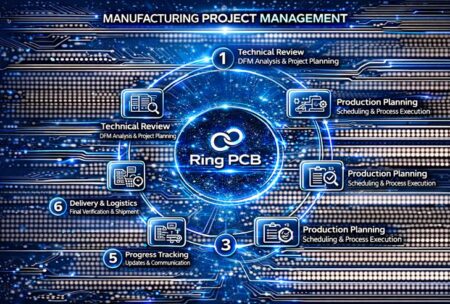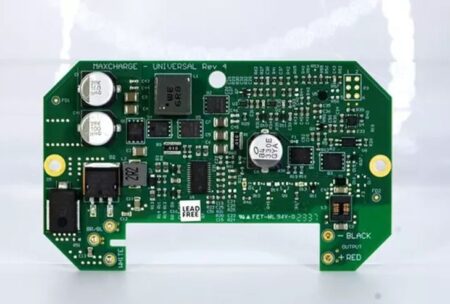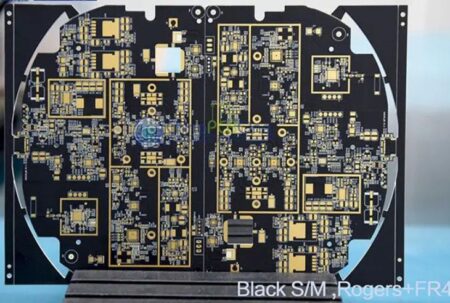
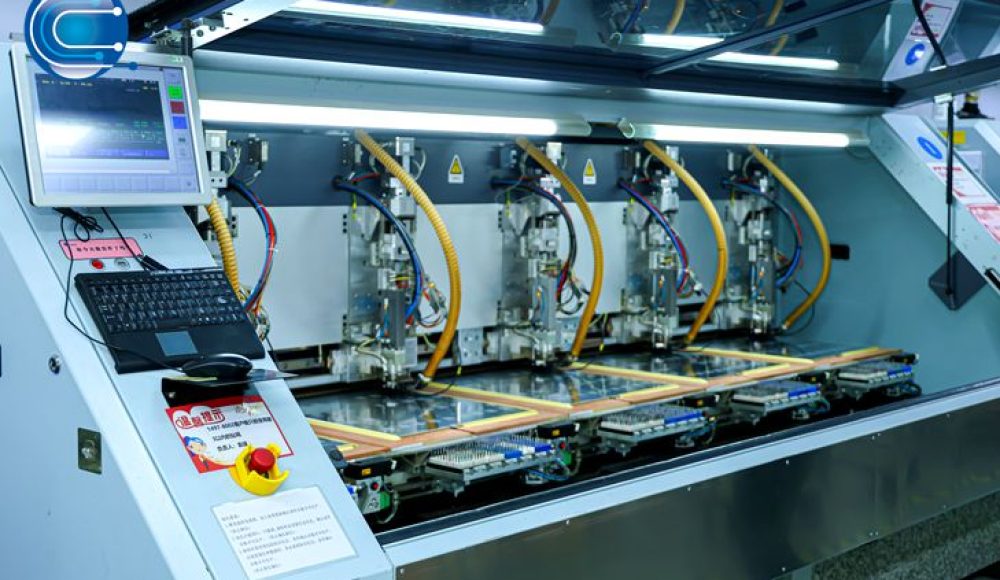
Efficiency in PCB and PCBA manufacturing is not merely about fast SMT placement speed. It refers to the whole workflow, including PCB fabrication, material handling, process transition, inspection and corrective action. Self-operated manufacturing facilities improve overall operational efficiency by eliminating process breaks, unifying digital management and optimizing internal material circulation. Compared with multi-vendor outsourcing models, in-house production greatly cuts down waste of time, manpower and material resources for custom PCB and PCBA projects.

Remove Inter-Handover Bottlenecks Between PCB and Assembly
In the traditional separated model, bare PCBs are produced by an external factory, packed and shipped to the SMT assembly plant. This transportation and waiting period often accounts for a large share of total lead time. What is more, boards may get scratched or contaminated during transit, creating extra rework work.
In a self-operated facility, finished bare PCBs are directly transferred from the PCB workshop to SMT production lines within the same factory. There is no cross-factory logistics, packaging and repeated incoming inspection. This seamless internal transfer removes major bottlenecks and shortens overall production cycles. For urgent prototype orders, this advantage becomes even more obvious, helping hardware brands speed up product iteration.
Digitalized MES System Unifies All Production Stages
Leading self-operated PCB & PCBA factories deploy integrated MES manufacturing execution systems. The system records every production step, including PCB lamination parameters, drilling data, solder paste printing, component placement, AOI inspection and functional test results. Every batch of boards can be traced back to raw materials, equipment operators and process records.
When defects are detected during assembly, engineers can quickly check historical PCB manufacturing data in the same system to locate root causes. This unified digital platform avoids information isolation between different vendors, which is a common problem for outsourced manufacturing. The system also optimizes production scheduling, grouping similar orders to reduce equipment changeover time, improving machine utilization for high-mix custom PCBA orders.
Optimized DFM and Closed-Loop Process Adjustment
Efficiency also means reducing rework. In self-operated factories, PCB fabrication and SMT engineering teams belong to the same company. They can collaborate closely during the DFM review phase. PCB engineers understand the limitations of SMT assembly, while assembly engineers know the manufacturing rules of multi-layer PCB boards.
They can jointly find potential risks such as fine-pitch component pads, high copper density and thermal stress issues. Early design modification can avoid mass scrap after production starts. This closed-loop technical collaboration greatly improves first-pass yield and reduces waste of materials and production hours.
Agile Resource Allocation for Customized Orders
Many global customers require mixed-volume production: small prototype batches, pilot runs and large mass production orders at different stages. Self-operated facilities can flexibly assign production lines and manpower according to order priority. The factory can rearrange internal schedules for urgent orders without negotiating with outside subcontractors. This agility is highly valuable for industrial control, smart robot and medical PCBA products, which usually have complex requirements and variable batch sizes.
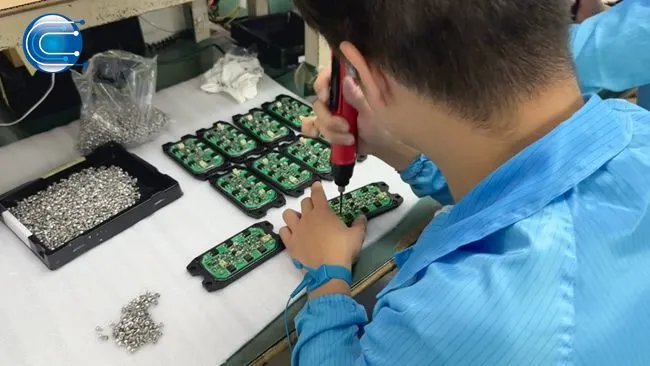
Ring PCB’s self-operated manufacturing system integrates PCB fabrication and PCBA assembly in one site, supported by digital MES management. Our factory handles up to 62-layer multilayer PCBs, with monthly bare PCB capacity of 50,000㎡ and 500 PCBA projects monthly. We have full in-house testing equipment and complete international certifications including ISO9001, ISO13485, IATF16949, ISO14001, RoHS and UL, supporting custom PCBA for industrial, medical and robotic applications.
Contact us to discuss your custom PCB and PCBA manufacturing project, send BOM and Gerber files to rfq@ringpcb.com.