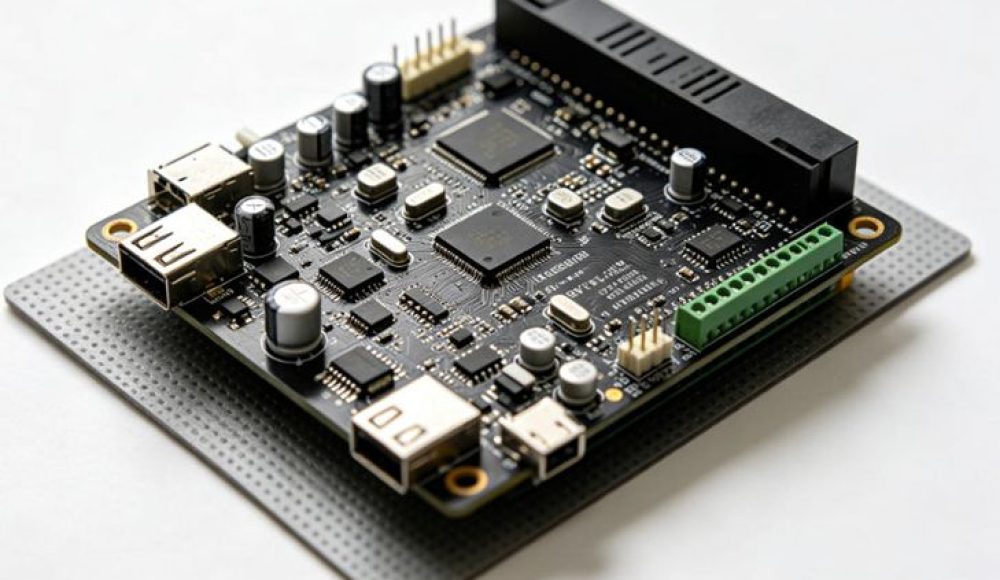
When people talk about EV charging hardware, attention often focuses on connectors, power modules and cabinet structures. Yet the PCBA is the invisible heart of every charger, managing power conversion, safety cut-off, grid communication and user interaction. Poor PCB assembly will trigger overheating, high-voltage leakage, intermittent communication faults or complete shutdown, especially for chargers deployed outdoors under extreme temperature and humidity. As EV charging deployments scale, B2B hardware manufacturers must prioritize PCB assembly quality to reduce field failure risks.
The Unique Working Conditions of EV Charger PCBA
Unlike consumer electronics circuit boards, EV charger PCBAs operate in harsh environments. Outdoor units face temperature swings from -40℃ up to 70℃, humidity, dust and vibration. High current power traces generate continuous heat, while control circuits need stable signal transmission without electromagnetic interference. The power section and communication section coexist on the same assembly, requiring strict isolation, EMC suppression and thermal management.
Even minor assembly defects can escalate into serious safety risks. Excessive voids under IGBT or MOSFET pads block heat dissipation. With repeated thermal cycling, solder joints crack gradually, eventually causing thermal runaway and equipment shutdown. Industry data shows thermal-related failures are among the top root causes of EV charger field breakdowns.
Key PCB Assembly Requirements for EV Chargers
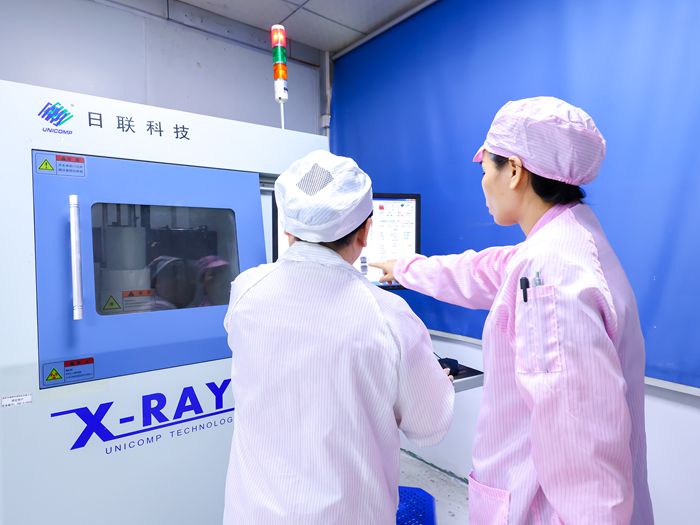
First, soldering quality control is non-negotiable for high-power components. X-ray inspection is required to detect hidden voids on thermal pads that visual AOI cannot catch. Second, material selection must match application demands. Thick copper PCB substrates, high-Tg laminates and conformal coating are commonly used for outdoor charging boards to resist moisture and corrosion.
In addition, safety testing is mandatory. Hipot test, insulation resistance test, functional load test and EMC pre-test should be performed on every production batch. These tests verify the assembly can handle surge events and meet regional certification standards. Without thorough testing at assembly stage, products may fail certification and cannot enter target markets.
Common PCB Assembly Mistakes EV Hardware Buyers Should Avoid
One common mistake is applying consumer-grade assembly processes to high-power EV charger boards. Standard reflow profiles designed for low-current PCBs cannot satisfy thick copper power boards, leading to poor solder quality. Another mistake is skipping full functional testing to shorten lead time. While it saves time at production, undetected faults only appear after installation, creating expensive on-site repair work.
Many buyers also underestimate traceability requirements. EV charging equipment needs full component batch traceability. If quality issues emerge, manufacturers must quickly locate the affected production batch. This requires the assembly factory to record component lot numbers and test records for every board.
How Reliable PCB Assembly Improves Your EV Charger Product Competitiveness
Consistent assembly quality directly lowers warranty costs and improves brand reputation. For commercial charging operators, low failure rates mean less downtime and higher revenue from charging services. Reliable PCB assembly also simplifies certification preparation. When boards are manufactured and tested following required standards, certification testing becomes much smoother and less likely to fail.
Ring PCB: High-Reliability PCBA Assembly for EV Charging Systems
Ring PCB’s in-house assembly lines specialize in high-power PCBA for electric vehicle charging equipment. Our production workflow includes AOI, X-ray inspection, hipot safety test and thermal validation for EV charger boards. Our team understands the strict thermal, isolation and EMC requirements of wall-mounted chargers and fast charging modules. We support conformal coating and thick copper PCB assembly for outdoor harsh environments, and maintain complete batch traceability for all assembled boards.
Whether you are developing residential wallboxes or commercial charging stations, our team can provide consistent PCBA assembly from prototype to mass production. Send your BOM and Gerber files to rfq@ringpcb.com for a detailed evaluation.