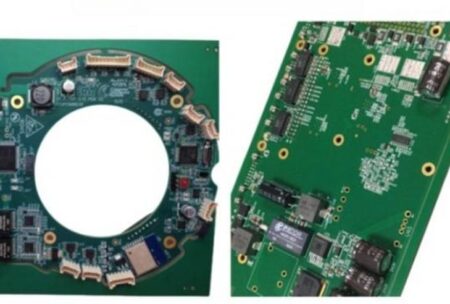
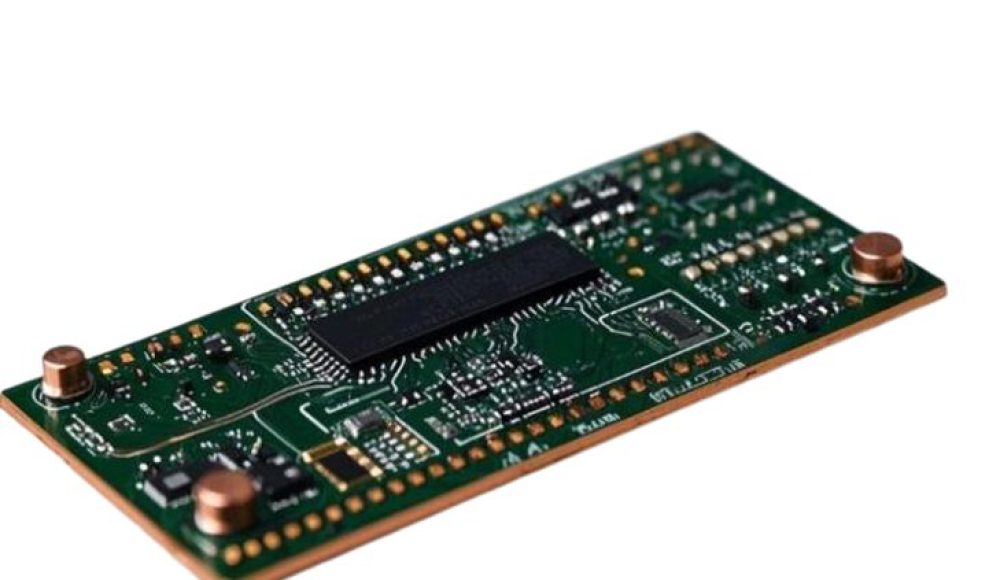
A multilayer pcb board designed for high-power applications must handle current loads, thermal demands, and demanding operating conditions without compromising circuit reliability. Choosing the wrong copper thickness, layer structure, or board material can lead to excessive heat, voltage drops, and costly redesigns. You need a manufacturing partner that understands these engineering requirements and can turn your specifications into production-ready circuit boards.
Ring PCB, founded in 2008 in Shenzhen, China, provides PCB fabrication and PCBA assembly services for customers worldwide. Its heavy copper PCB solutions support power supply electronics, automotive systems, renewable energy equipment, and other applications requiring customized circuit designs. With low minimum order quantities, rapid prototyping, and in-house inspection capabilities, Ring PCB helps you evaluate designs before moving to larger production runs.
What Is a Multilayer PCB Board?
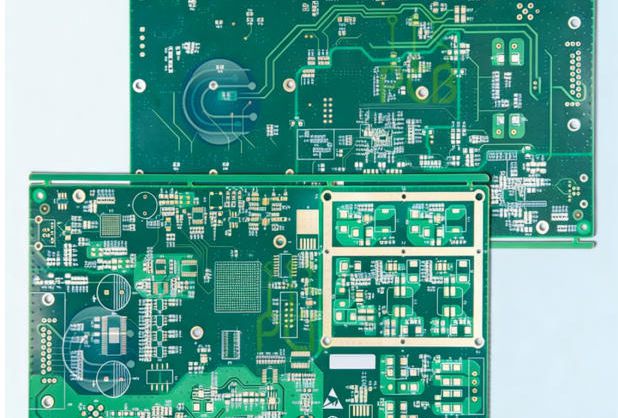
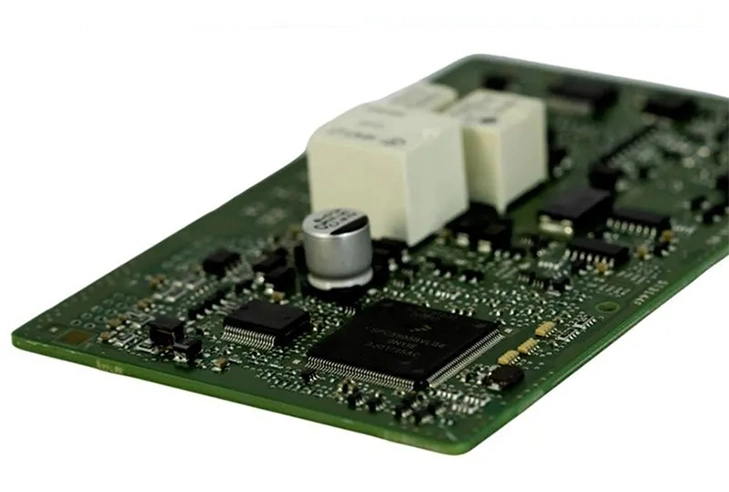
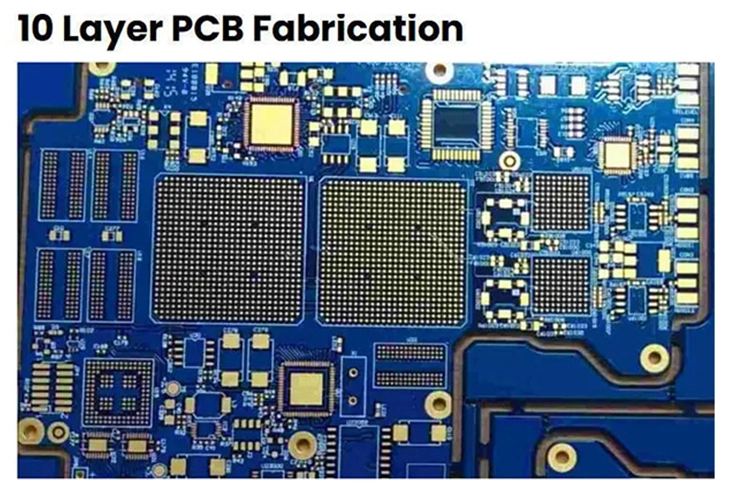
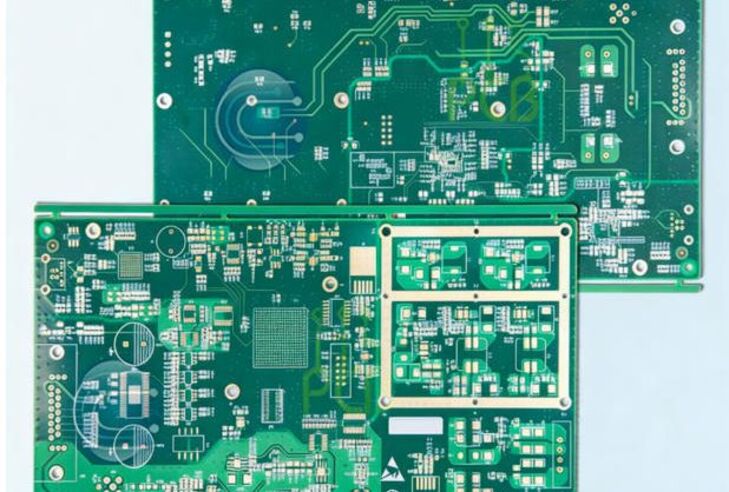
A multilayer PCB board contains three or more conductive copper layers separated by insulating materials and bonded into a single structure. Engineers use multilayer designs to accommodate complex routing, manage signal paths, and integrate power and ground planes within limited space.
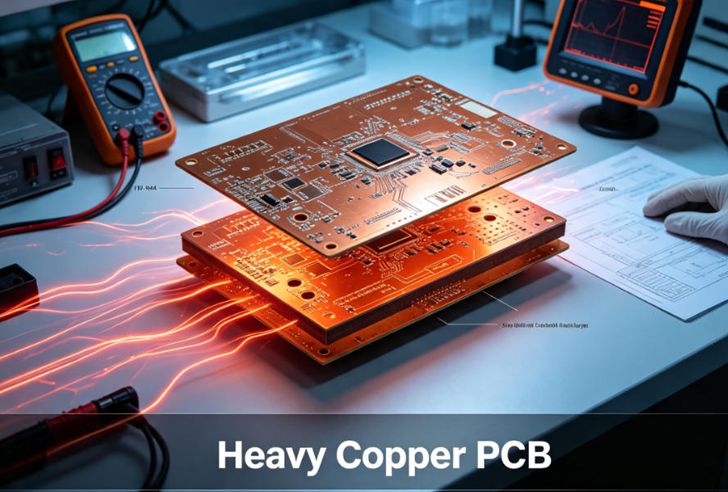
For high-current applications, heavy copper PCB construction provides another important design option. Thicker copper traces can support greater current capacity, depending on trace width, allowable temperature rise, and the board’s overall thermal design.
Ring PCB manufactures heavy copper PCBs with the following specifications:
- Layer count: 2–20 layers for the specified heavy copper product.
- Copper thickness: Up to 20 oz/ft², approximately 700 μm, subject to design feasibility.
- Board thickness: 0.5–5 mm.
- Minimum trace width and spacing: 0.2 mm / 0.2 mm, depending on copper weight.
- Minimum hole size: 0.25 mm (10 mil).
- Surface finishes: ENIG, HASL, OSP, immersion tin, and immersion silver.
- Inspection: Automated optical inspection (AOI) and X-ray inspection.
These specifications provide a starting point for engineering discussions. Actual manufacturability depends on the copper distribution, layer stack-up, drilling requirements, and design rules.
Key Benefits of Heavy Copper Multilayer PCB Boards
1. Improved Current-Carrying Capability
Heavy copper layers provide more conductive material for current flow. When engineers select suitable trace widths and copper thicknesses, they can reduce conductor resistance and associated resistive heating.
This makes heavy copper PCB designs useful for power supply circuits, industrial power controllers, and renewable energy equipment. However, the final current rating must account for operating temperature, trace geometry, and cooling conditions.
2. Flexible Layer Structures
A multilayer PCB board allows engineers to distribute power, ground, and signal connections across different layers. This can help simplify complex routing and support compact electronic assemblies.
Ring PCB also offers broader multilayer PCB manufacturing capabilities, with high-multilayer production options reaching up to 62 layers across its wider product range. The available layer count for a specific heavy copper design must be confirmed separately.
3. Manufacturing and Inspection Support
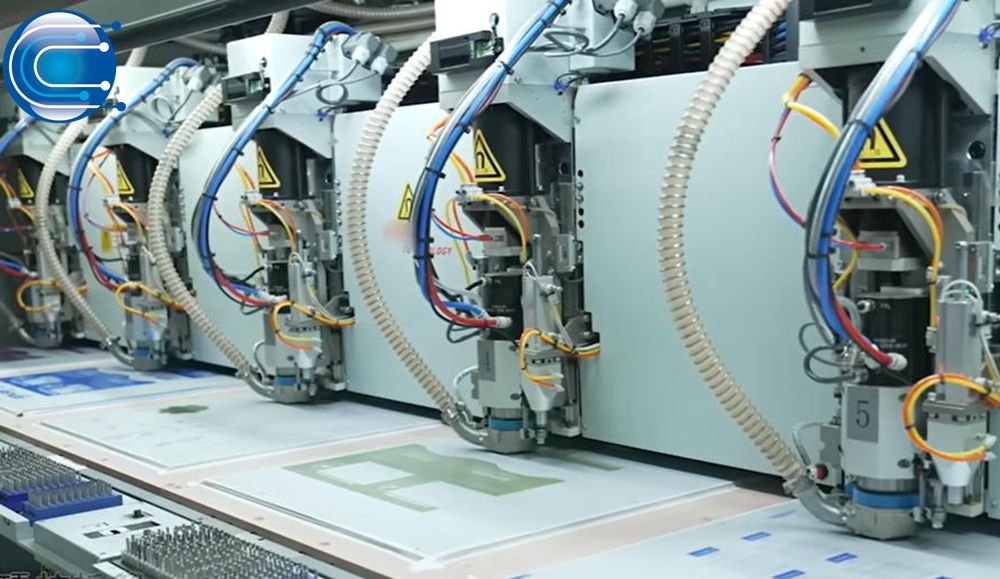
Ring PCB operates an approximately 10,000-square-meter manufacturing facility with a team of around 500 employees. Its equipment includes CNC drilling machines, LDI systems, lamination presses, AOI equipment, and X-ray inspection systems.
The company holds ISO 9001, ISO 14001, ISO 13485, and IATF 16949 certifications, along with UL certification. These credentials support quality management requirements across industrial, automotive, and medical-related manufacturing applications, subject to the applicable product and certification scope.
Heavy Copper PCB vs. Standard Multilayer PCB
| Comparison factor | Heavy copper PCB | Standard multilayer PCB |
|---|---|---|
| Copper thickness | Can reach 20 oz for the specified product | Commonly uses thinner copper layers |
| Current handling | Suitable for demanding current loads when properly designed | Depends on copper thickness and trace geometry |
| Thermal design | Can support reduced conductor resistance and improved current distribution | Depends on materials, copper layout, and cooling |
| Typical applications | Power supplies, power electronics, renewable energy | Industrial controls, communications, computing |
| Design considerations | Etching, spacing, copper balance, thermal performance | Layer stack-up, routing density, signal integrity |
The right choice depends on your electrical requirements rather than layer count alone. A standard multilayer board may suit complex signal routing, while a heavy copper design may better fit circuits with demanding current requirements.
How to Order a Custom Multilayer PCB Board
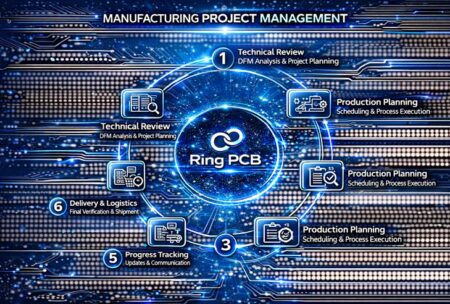
Follow these steps to help Ring PCB assess your project and prepare a suitable manufacturing proposal.
- Define your electrical requirements. Provide operating current, voltage, ambient temperature, and expected thermal performance.
- Submit your design files. Share Gerber files, drill files, the bill of materials (BOM) if assembly is required, and any existing stack-up specifications.
- Confirm the manufacturing structure. Discuss layer count, copper weight, board thickness, surface finish, and minimum trace spacing.
- Review engineering feedback. Request design-for-manufacturability (DFM) checks to identify potential fabrication or assembly issues before production.
- Approve prototypes and testing. Evaluate samples against your electrical, dimensional, and reliability requirements before authorizing larger orders.
Ring PCB lists a minimum order quantity of one unit for the specified product. Prototype production may take around three working days, while mass-production lead times depend on design complexity, order volume, and material availability. Confirm the final schedule with the engineering team before placing your order.
FAQ
1. What applications use heavy copper multilayer PCB boards?
Common applications include power supplies, automotive electronics, renewable energy systems, and industrial power control. The appropriate design depends on current requirements, thermal limits, and operating conditions.
2. Can Ring PCB manufacture custom multilayer PCB boards in small quantities?
Yes. The specified heavy copper product lists an MOQ of one unit. You can discuss prototype quantities, custom stack-ups, and production requirements directly with Ring PCB.
3. What certifications does Ring PCB hold?
Ring PCB reports ISO 9001, ISO 14001, ISO 13485, IATF 16949, and UL certification. RoHS compliance is also listed for the product. Confirm the relevant certificate, product scope, and compliance documentation for your order.
Conclusion
Choosing the right multilayer pcb board requires balancing copper thickness, layer count, electrical performance, thermal management, and manufacturing feasibility. Ring PCB combines heavy copper PCB fabrication, engineering support, inspection capabilities, and PCB assembly services to help you develop circuit boards for power supplies and other demanding applications. By confirming your technical requirements early, you can reduce design risks and make a more informed decision about prototyping and production.
Request a Custom PCB Quote: Email rfq@ringpcb.com with your Gerber files, required copper weight, layer count, board dimensions, and estimated quantity. Ring PCB can review your specifications and provide a project-specific manufacturing proposal and lead-time estimate.