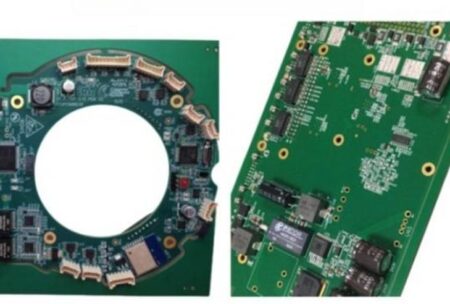
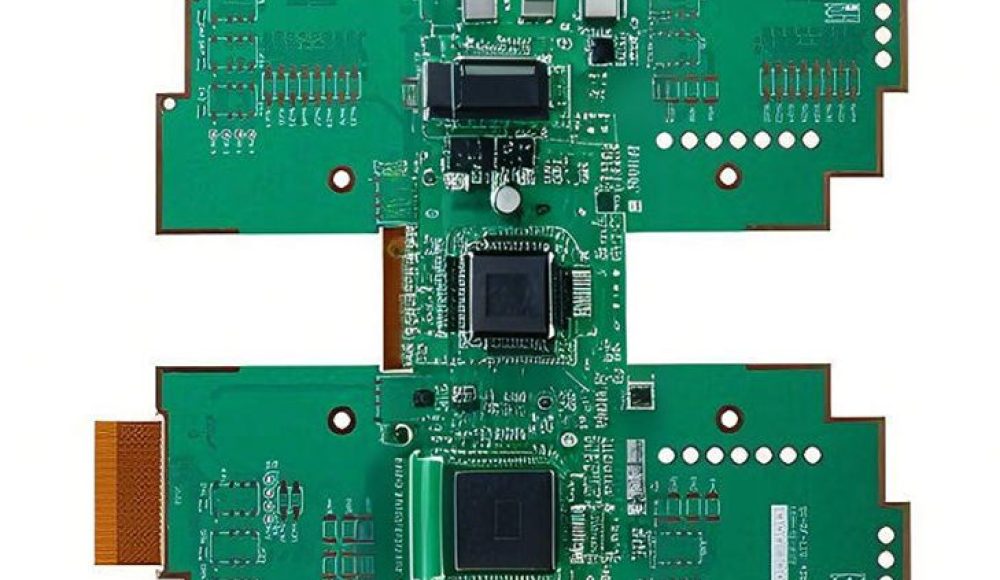
Selecting a rigid flex pcb manufacturing partner is often where engineering risks quietly begin. A small mistake in stack-up design, material selection, or lamination control can lead to signal loss, mechanical fatigue, or costly redesign cycles.
For engineers working on compact or high-density electronics, the challenge is not only fabrication—it is ensuring manufacturability from prototype to scale without redesign interruptions. This is where engineering-driven suppliers like Ring PCB become critical.
Why Rigid Flex PCB Requires More Than Standard PCB Manufacturing
Unlike traditional boards, a rigid-flex structure combines mechanical rigidity with dynamic bending zones. This introduces stress control, impedance stability, and layer alignment challenges.
You typically face risks such as:
- Delamination under thermal cycling
- Misalignment between rigid and flex layers
- Signal degradation in high-speed designs
- Assembly stress during enclosure fitting
For this reason, rigid flex pcb projects require integrated engineering + manufacturing control, not fragmented outsourcing.
Engineering-Driven Manufacturing at Ring PCB
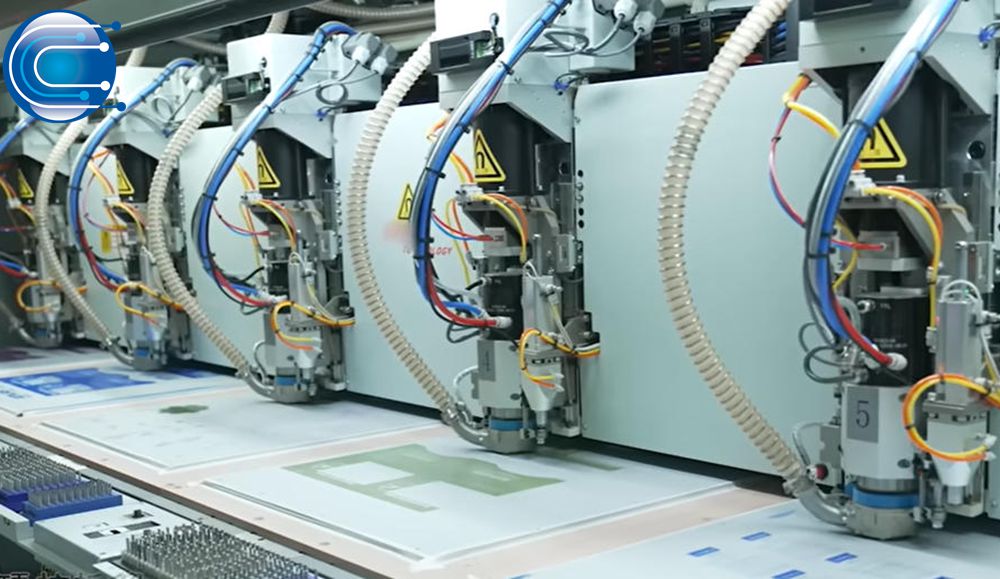
Ring PCB builds rigid-flex solutions under a controlled EMS environment with full process traceability.
Key technical capabilities include:
- Up to 12-layer rigid-flex stack-up design
- Minimum 0.075mm trace/space control
- Blind and buried via structures
- Polyimide + FR4 hybrid lamination system
- Impedance-controlled routing for high-speed applications
All production is supported by ISO9001, ISO14001, ISO13485, IATF16949, UL and RoHS systems.
This ensures your design is manufacturable—not just theoretically feasible.

Where Rigid Flex PCB Is Commonly Applied
Rigid-flex technology is typically selected when space, reliability, and vibration resistance matter more than cost minimization.
Common applications include:
- Medical diagnostic and wearable devices
- Automotive ECU and sensor modules
- Aerospace control and communication systems
- Industrial IoT and compact control boards
In these industries, connector reduction alone often improves long-term reliability more than any component upgrade.
Prototype to Mass Production: What Engineers Should Expect
A major pain point in PCB sourcing is prototype success that fails in mass production.
| Stage | Prototype | Mass Production |
|---|---|---|
| Focus | Design validation | Yield stability |
| Engineering support | High interaction | Controlled process |
| Risk level | Design uncertainty | Process repeatability |
| Cost structure | Higher per unit | Optimized BOM |
| Delivery model | Fast iteration | Stable scheduling |
Ring PCB maintains the same engineering team involvement across both stages to reduce redesign risk during scaling.
Standard Rigid Flex PCB Manufacturing Flow
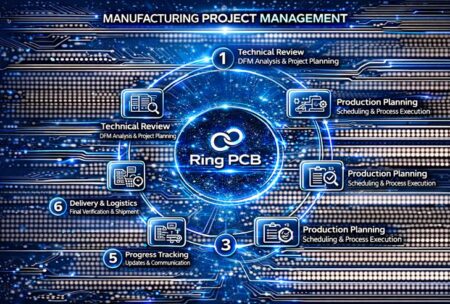
A stable rigid-flex process depends on controlled manufacturing discipline:
- DFM Engineering Review – design feasibility check before production
- Material Selection – polyimide and FR4 stack-up definition
- Precision Imaging (LDI) – high-resolution circuit formation
- Lamination Control – vacuum pressure alignment for multi-layer bonding
- SMT Assembly – automated placement with reflow control
- Inspection & Testing – AOI, X-ray, electrical and thermal validation
This structured workflow reduces hidden defects that typically appear during field use.
Why Global Engineering Teams Work With Ring PCB
International buyers usually evaluate PCB suppliers on three factors: consistency, engineering support, and risk control.
Ring PCB supports:
- 10,000㎡ self-owned manufacturing facility
- 500+ production and engineering staff
- 24/7 cross-time-zone support teams
- 50,000 PCB / 500 PCBA monthly capacity
- Full turnkey EMS from PCB to assembly
The system is designed for long-term OEM and ODM collaboration rather than one-off fabrication.
FAQ
Q1: When should I choose rigid flex instead of connectors?
When vibration, space constraints, or long-term reliability are critical.
Q2: Can Ring PCB help optimize my design before production?
Yes, DFM review is included before manufacturing starts.
Conclusion
A successful rigid flex pcb project depends on more than fabrication capability—it requires engineering discipline, process control, and predictable scaling from prototype to production. With integrated EMS capability, certified manufacturing systems, and structured DFM support, Ring PCB helps engineering teams reduce risk across the full product lifecycle.
CTA
If you are developing a rigid-flex design or preparing for production validation, you can request a free DFM analysis and manufacturability review from Ring PCB’s engineering team before committing to tooling or mass production.