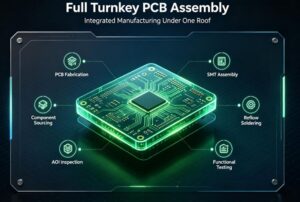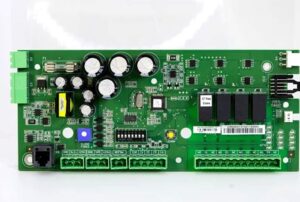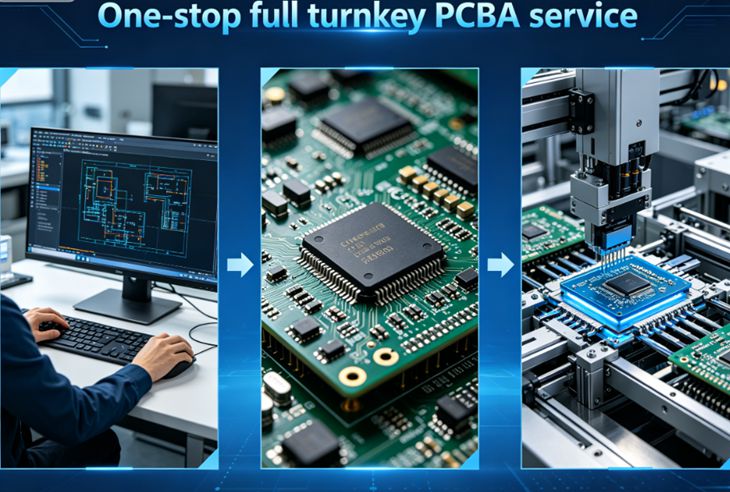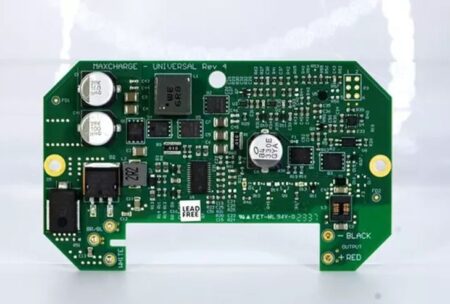
Many global buyers struggle to distinguish between real PCB manufacturers and trading brokers when sourcing PCBA services. A growing number of procurement managers and hardware engineers have realized that whether a supplier runs a self-operated PCB manufacturing facility is one of the most critical selection criteria. In contrast to brokers who outsource bare board production, factories with in-house PCB fabrication own the whole production workflow, and this difference directly affects quality stability, delivery schedule and responsibility confirmation for every PCBA order.
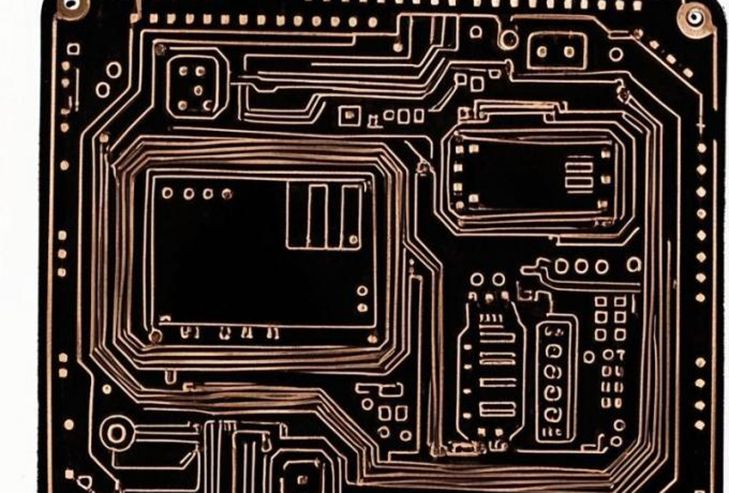
The Hidden Risks of Outsourced PCB Fabrication
Many PCBA assembly companies only operate SMT lines and outsource PCB boards to external factories. This model creates multiple hidden risks. To begin with, handover between different factories adds extra transport and waiting time. Once PCB production is delayed, the subsequent SMT assembly process will be postponed automatically. Moreover, when assembled boards fail electrical tests, the assembly shop and PCB manufacturer may argue about whether the problem comes from board substrate, circuit etching or soldering. This blame game wastes precious time and increases rework costs for customers.
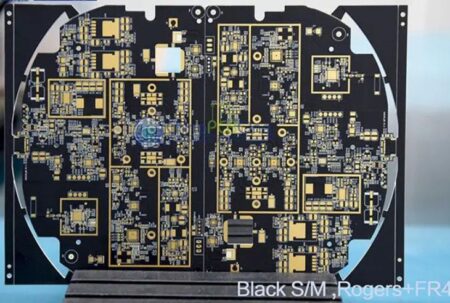
In addition, when production is outsourced, the supplier cannot fully control process parameters. Different subcontractors may adopt different lamination, drilling and surface treatment standards. For high-precision multi-layer PCBs used in medical devices and industrial controllers, inconsistent process parameters will lead to unstable impedance, poor layer alignment and lower long-term reliability.
Self-Operated Factories Enable Closed-Loop Quality Control
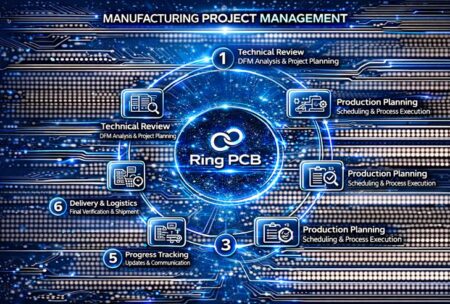
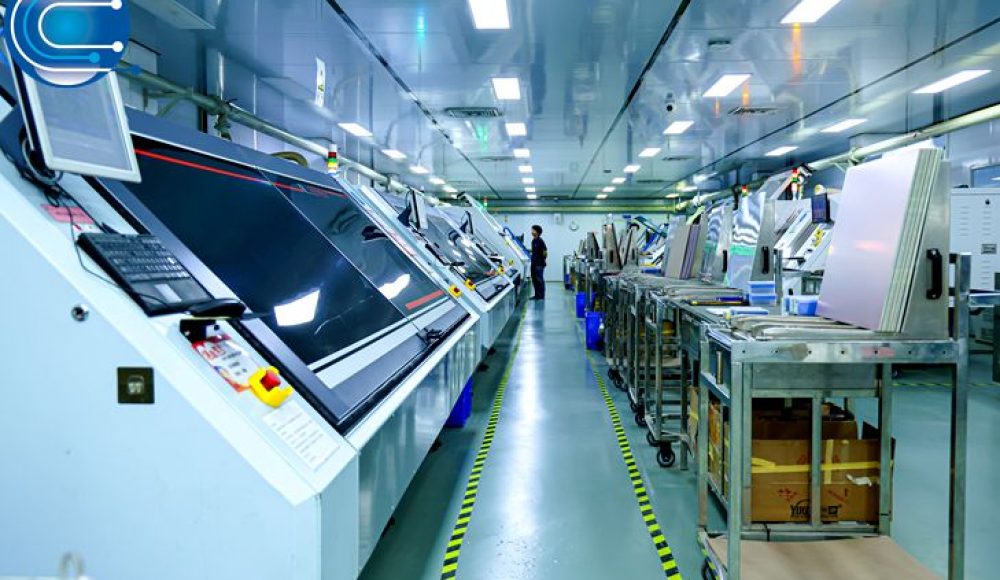
By running self-operated PCB workshops, manufacturers can manage the whole process from raw laminate cutting, inner layer exposure, lamination and drilling to final electrical testing inside one site. All production parameters are unified and recorded by MES systems. Engineers can monitor board quality at every stage before the bare PCB enters the SMT assembly workshop.
This closed-loop workflow also supports early DFM intervention. During prototype review, PCB fabrication engineers and SMT engineers work together to check layout issues, such as track width, pad design and thermal management. They can propose practical layout adjustments to avoid manufacturing defects before mass production starts. Studies show that proper DFM optimization at the early design phase can reduce total project cost by 10–20% and shorten time-to-market significantly.
Clear Accountability and Transparent Communication
With a self-operated facility, customers only need to communicate with one single supplier. If any quality problem appears on finished PCBA products, the manufacturer takes full responsibility, without shifting blame to third-party subcontractors. This single-point accountability is especially valuable for long-term OEM projects, where consistent quality and clear technical support are essential.
Besides quality control, self-owned factories offer higher transparency. Buyers can request factory tours, production progress updates and complete inspection reports. Certified manufacturers can provide full batch traceability, which is mandatory for medical and automotive-grade electronics.
Capacity Flexibility for Mixed-Volume Orders
Self-operated manufacturers can adjust production schedules independently for urgent prototypes and bulk orders. They can allocate internal production resources without relying on external factory schedules. This flexibility is ideal for customers with mixed small-batch and large-volume orders, typical in industrial automation, robotics and medical hardware industries.
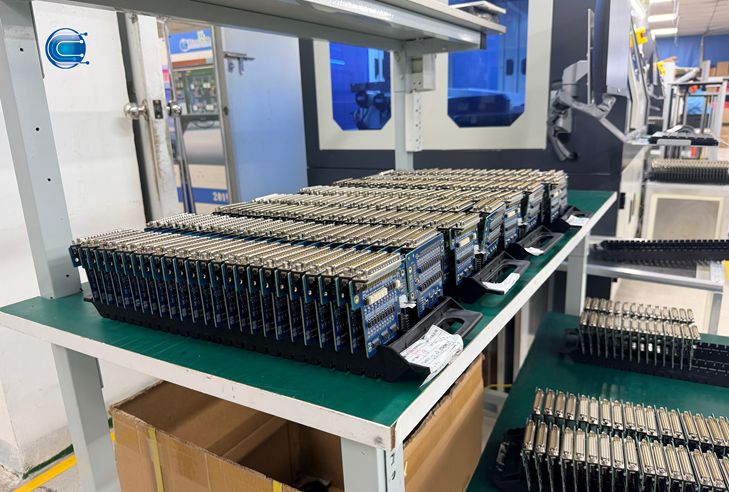
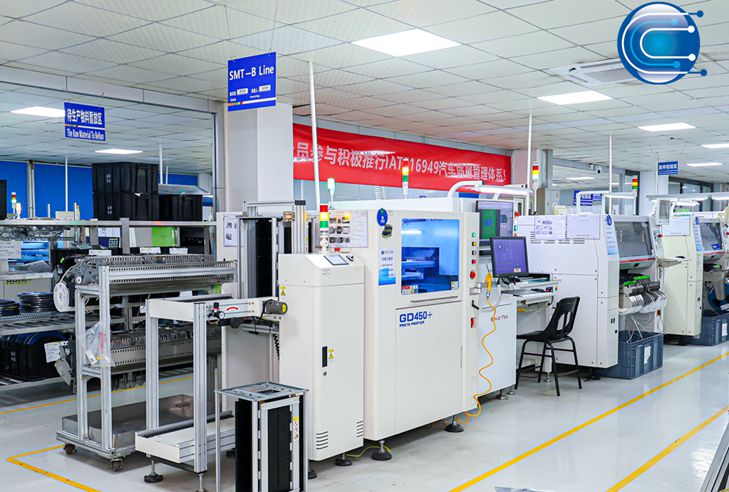
Ring PCB maintains self-operated PCB and PCBA manufacturing workshops, instead of outsourcing core PCB fabrication. Our in-house production lines support up to 62-layer multilayer PCBs, with monthly bare board capacity of 50,000㎡ and 500 PCBA projects monthly. We own complete inspection equipment including AOI, X-ray, flying probe testers and functional test stations, and hold ISO9001, ISO13485, IATF16949, ISO14001, RoHS and UL certifications for global customers.
If you are looking for a reliable PCB & PCBA manufacturer with in-house fabrication capability, share your project details with us at rfq@ringpcb.com.