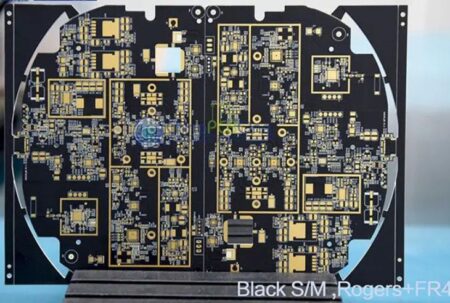
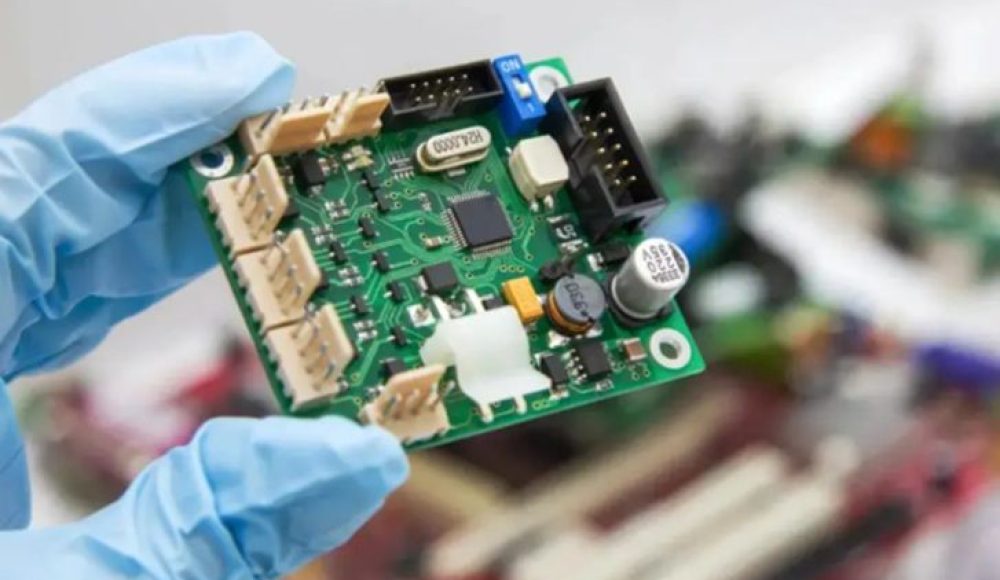
When a PCB assembly leaves the factory, its performance directly affects the reliability of the final product. A single defective solder joint, misplaced component, or hidden BGA issue can lead to costly product failures, warranty claims, and customer dissatisfaction.
For industries such as industrial automation, medical devices, automotive electronics, telecommunications, and IoT systems, product reliability is not optional. This is why a comprehensive PCB quality control process is essential before shipment.
At Ring PCB, every PCBA must pass multiple inspection and testing stages before packaging and delivery. By combining automated inspection technologies with functional verification, we help customers minimize risks and ensure consistent product quality.
Automated Optical Inspection (AOI)
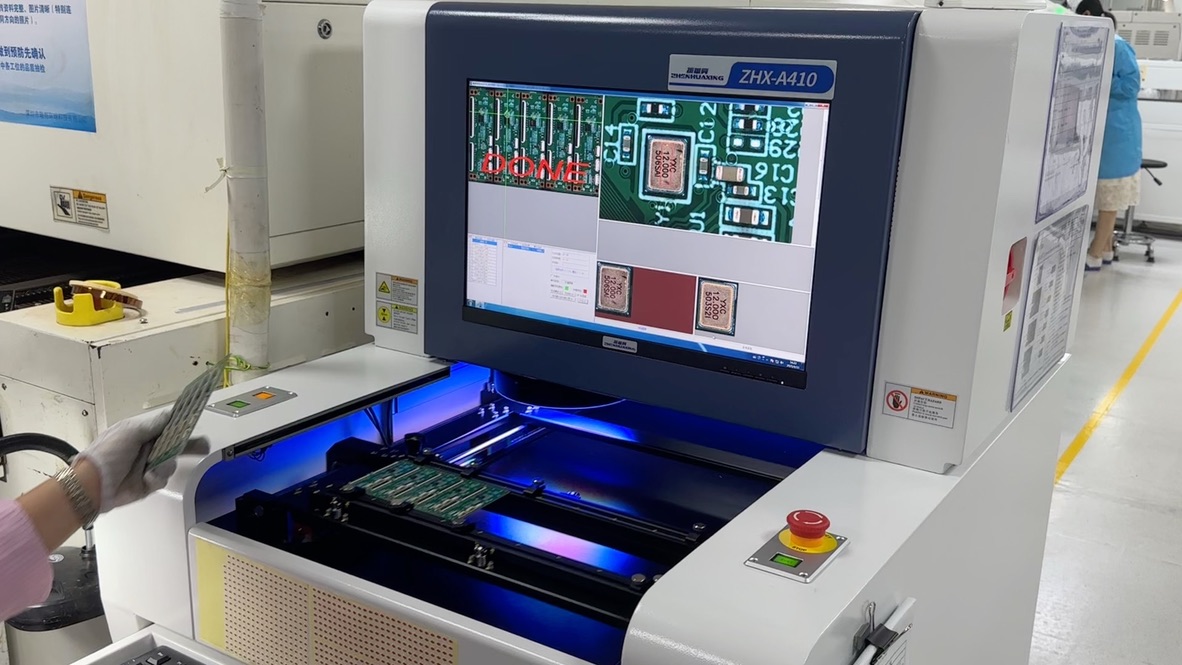
AOI is one of the first quality control procedures performed after SMT assembly.
Using high-resolution industrial cameras and intelligent image comparison software, AOI systems automatically inspect every component and solder joint on the PCB surface. The inspection results are compared against design data and predefined quality standards to identify assembly defects quickly and accurately.
Common Defects Detected by AOI
- Missing components
- Incorrect component placement
- Tombstoning
- Solder bridges
- Insufficient solder
- Excess solder
- Polarity errors
- Surface scratches
Because AOI is fully automated, it provides consistent inspection results while reducing the possibility of human error.
Why AOI Matters
Detecting assembly defects immediately after SMT placement prevents defective boards from moving further into production. Early detection reduces rework costs and improves overall manufacturing efficiency.
At Ring PCB, all SMT assemblies undergo AOI inspection to ensure component placement accuracy and solder joint quality.
X-Ray Inspection for Hidden Solder Joints
While AOI is highly effective for visible components, it cannot inspect solder joints hidden beneath advanced packages such as BGA, QFN, CSP, and bottom-terminated components.
This is where X-ray inspection becomes essential.
Using non-destructive imaging technology, X-ray systems penetrate the PCB and generate detailed images of internal solder structures that cannot be viewed by cameras or the naked eye.
Defects Detected by X-Ray Inspection
- BGA voids
- Cold solder joints
- Head-in-pillow defects
- Internal short circuits
- Incomplete solder bonding
- Solder ball defects
Why X-Ray Testing Matters
Many electronic products appear perfect externally but contain hidden defects that may lead to intermittent failures after deployment.
For high-reliability applications such as automotive radar modules, medical equipment, industrial controllers, and communication systems, identifying hidden defects before shipment is critical.
Ring PCB utilizes advanced X-ray inspection equipment to verify the integrity of hidden solder joints and ensure long-term product reliability.
Manual Visual Inspection
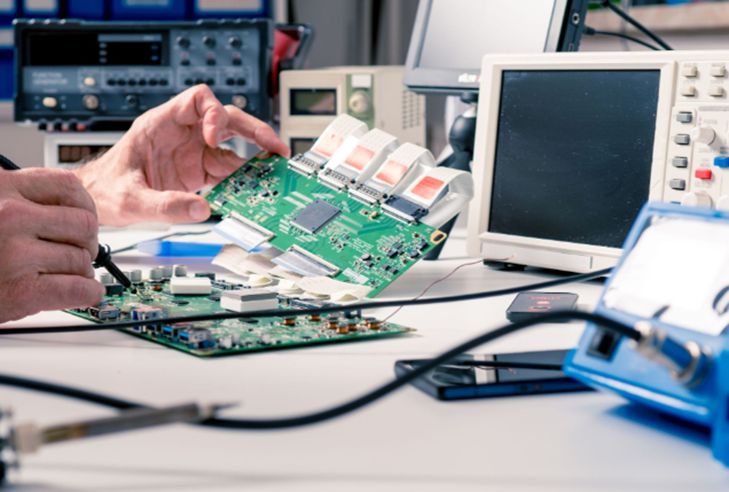
Although automated systems provide excellent detection capabilities, experienced quality engineers still play an important role in the inspection process.
After AOI and X-ray testing, manual visual inspection serves as an additional verification layer.
What Inspectors Check
- PCB cleanliness
- Component orientation
- Mechanical damage
- Label accuracy
- Connector alignment
- Surface contamination
- Cosmetic defects
Human inspectors can often identify unusual conditions that automated systems may not classify as defects.
Why Manual Inspection Remains Important
Combining automated technology with human expertise creates a more comprehensive quality control process and reduces the likelihood of overlooked issues.
At Ring PCB, trained quality inspectors perform secondary visual verification before products proceed to functional testing.
Functional Circuit Testing (FCT)
A PCB assembly may look perfect, but appearance alone does not guarantee proper operation.
Functional Circuit Testing verifies that the assembled PCBA performs according to its intended design and customer requirements.
During testing, the board operates under simulated real-world conditions to validate its electrical and functional performance.
Parameters Evaluated During Functional Testing
- Power supply stability
- Signal transmission
- Communication interfaces
- Input and output functionality
- Sensor performance
- Processor operation
- Firmware interaction
Why Functional Testing Is Essential
Functional testing identifies issues that cannot be detected through visual inspection alone, including:
- Incorrect programming
- Faulty components
- Communication failures
- Signal abnormalities
- Power-related problems
At Ring PCB, customized test fixtures and procedures can be developed according to customer specifications to ensure accurate performance verification.
Burn-In and Aging Testing
Some electronic failures occur only after extended operating periods.
Burn-in testing is designed to identify early-life failures before products reach end users.
During this process, PCB assemblies operate continuously under controlled conditions for an extended period of time.
Benefits of Burn-In Testing
- Identifies unstable components
- Detects thermal issues
- Screens out premature failures
- Improves long-term reliability
- Reduces field return rates
Applications That Commonly Require Burn-In Testing
- Industrial control systems
- Medical devices
- Automotive electronics
- Telecommunications equipment
- Aerospace electronics
By eliminating weak components before shipment, burn-in testing significantly improves product reliability throughout its service life.
Ring PCB offers customizable burn-in testing programs based on customer requirements and application environments.
Final Inspection and Packaging Audit
The final quality check takes place immediately before shipment.
Even after passing all previous inspections, each PCBA must undergo a final verification process to ensure it meets customer specifications and shipping requirements.
Final Inspection Checklist
Appearance Verification
- PCB surface condition
- Silkscreen quality
- Label accuracy
- Connector condition
- Mechanical integrity
Documentation Verification
- Test records
- Traceability information
- Customer specifications
- Product identification
Packaging Audit
- Anti-static protection
- Moisture barrier packaging
- Quantity verification
- Shipping labels
- Carton integrity
Why Packaging Inspection Matters
Improper packaging can damage products during transportation, even when manufacturing quality is excellent.
A thorough packaging audit ensures that products arrive safely and in the same condition they left the factory.
At Ring PCB, shipment authorization is only granted after all inspection records and packaging requirements have been verified.
Why Comprehensive PCB Quality Control Matters
Each quality control step serves a different purpose.
- AOI identifies visible assembly defects.
- X-ray inspection reveals hidden solder issues.
- Manual inspection provides human verification.
- Functional testing confirms electrical performance.
- Burn-in testing screens for long-term reliability.
- Final inspection ensures shipment readiness.
When combined, these processes create a comprehensive PCB quality control system that minimizes risks and improves product consistency.
For OEMs and EMS providers, a structured quality control process reduces warranty costs, prevents production delays, and enhances customer confidence.
Ring PCB’s Commitment to Quality
With more than 18 years of experience in PCB fabrication and assembly, Ring PCB has developed a complete quality assurance system covering every stage of production.
Our capabilities include:
- AOI inspection
- X-ray non-destructive testing
- Functional Circuit Testing (FCT)
- Customized burn-in testing
- Full traceability management
- PCB fabrication and assembly under one roof
Operating from a 10,000㎡ manufacturing facility in Shenzhen, China, we provide full turnkey PCB assembly services for customers worldwide, supporting both prototype builds and large-scale production.
Conclusion
Reliable products begin with reliable manufacturing processes.
Before any PCBA reaches the customer, it should pass six critical quality checks: AOI inspection, X-ray testing, manual visual inspection, functional testing, burn-in testing, and final packaging verification.
These procedures work together to identify defects, validate performance, and ensure shipment quality.
At Ring PCB, every PCB assembly follows a rigorous quality control workflow designed to deliver consistent performance, long-term reliability, and complete customer confidence from prototype to production.