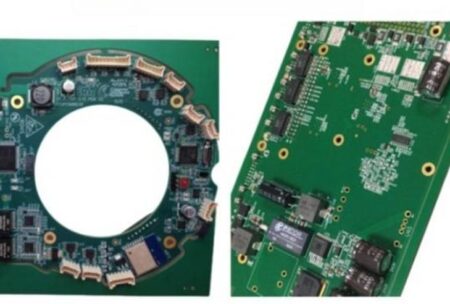
With the deep penetration of smart manufacturing in 2026, hardware developers of industrial control equipment face four universal, costly manufacturing pain points that directly damage product competitiveness and brand reputation, amplified by the trend of high-density PCBA miniaturization and long-duration field operation.
First, scattered multi-vendor cooperation creates endless communication chaos and quality accountability gaps. Most small and medium hardware teams outsource PCB fabrication, component purchasing and assembly separately. Each supplier adopts independent SOP, inspection standards and drawing version management; minor deviations on pad size, solder mask clearance or fiducial marks will trigger massive rework after sample production. When solder joint cracking or signal distortion emerges after shipment, no single vendor takes responsibility, leaving OEMs to bear rework, return and equipment downtime losses alone. Industry statistics show brands adopting 3+ separated suppliers spend 60% more labor on cross-vendor coordination than those partnering with one-stop manufacturers.
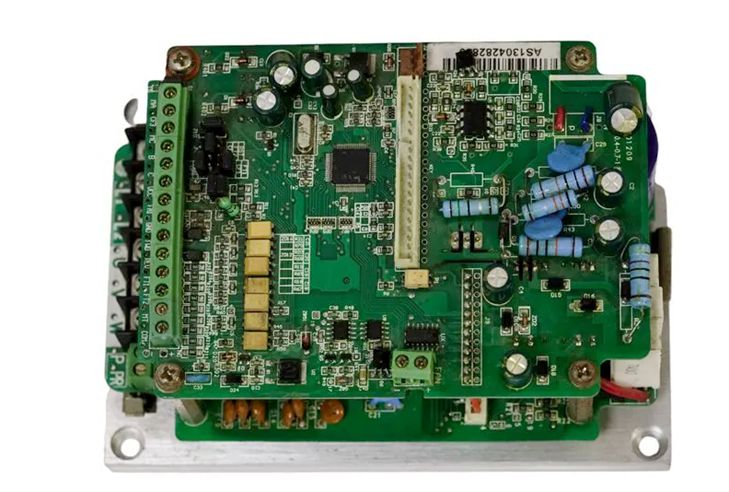
Second, non-standardized production without ISO certification fails harsh industrial environment reliability tests. Ordinary consumer-grade PCBA factories lack standardized aging test procedures, ESD control and material incoming inspection. Their boards cannot resist factory vibration, electromagnetic interference and temperature fluctuations, leading to frequent field failures within 6–12 months of equipment launch. IPC Class 3 industrial-grade requirements demand zero tolerance for hidden solder voids, delamination and component misalignment — standards only fully implementable under complete ISO quality management systems.
Third, fragmented supply chains cannot cope with global component volatility. Since 2024, shortages of automotive and industrial-grade chips, resistors and capacitors have plagued hardware production. Vendors without integrated component sourcing channels struggle to lock stable genuine material stock, forced to use counterfeit or substitute parts that cause severe performance degradation on industrial control PCBAs. Unauthorized gray-market components also violate RoHS and REACH compliance, triggering customs detention and market access penalties for overseas shipments.
Fourth, disjointed production workflows delay new product mass production schedules. Separated suppliers require repeated design confirmation, sample delivery and rework iteration, extending NPI cycles by 4–8 weeks on average, missing critical market launch windows for automation equipment.
ISO quality systems and integrated one-stop PCB & PCBA manufacturing serve as the all-around fix for these four core challenges. A single certified supplier centralizes all production links under unified ISO audit standards, eliminating cross-vendor technical discrepancies. All raw materials are sourced from authorized franchised distributors with complete material certification, avoiding counterfeit component risks. Standardized reliability testing (thermal cycling, vibration, humidity, X-ray inspection) is embedded into every batch production, pre-empting field failure risks at the manufacturing stage. DFM engineers conduct layout optimization in the early design phase to resolve EMI, thermal dissipation and mechanical stress issues before mass production, drastically cutting rework rates.
For emerging IIoT industrial control projects requiring small-batch prototypes and flexible mass scaling, one-stop manufacturers balance fast turnaround and consistent ISO quality, supporting 5-unit trial orders to large-volume mass production without downgrading process standards.
About RingPCB
RingPCB specializes in ISO-quality industrial control PCBA one-stop turnkey services, fully resolving fragmented supplier coordination, unstable quality and component shortage troubles for global automation equipment manufacturers. Our full service covers PCB fabrication, authorized component sourcing, SMT & through-hole assembly, conformal coating protection and full functional reliability testing, all operated under strict ISO 9001 and IATF 16949 quality frameworks. Our in-house testing lab completes IPC Class 3 compliance verification for every industrial control board, with detailed test reports provided for customer factory audits. We support flexible order volume from prototype to mass production, with 24-hour online engineering support to accelerate your product NPI progress.
Send your Gerber files and BOM for a free DFM assessment via Email: rfq@ringpcb.com, browse our industrial control PCBA project portfolio at www.ringpcb.com