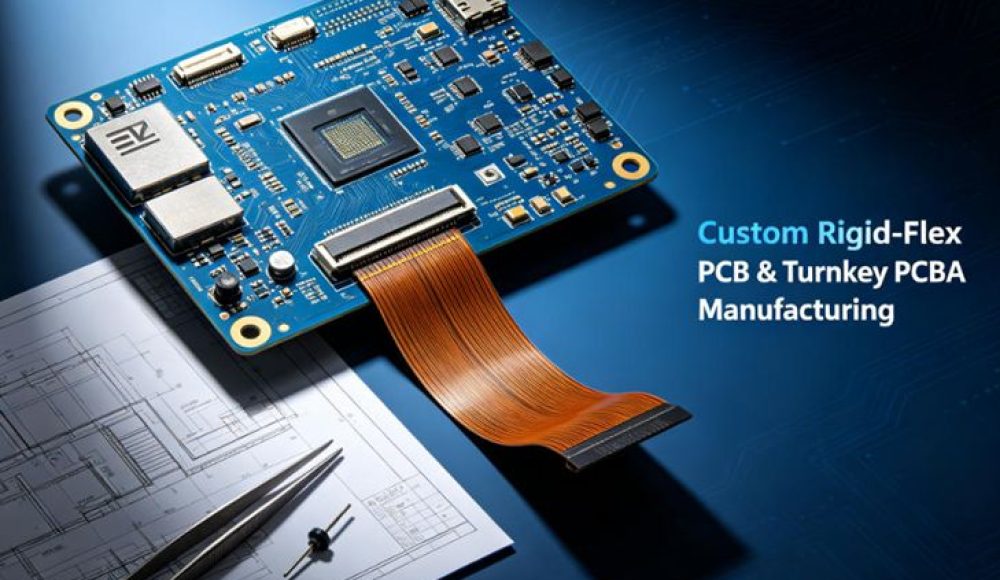
RingPCB:The Long-Term Value of Custom Rigid-Flex PCB and PCBA Manufacturing
As global electronic hardware continues to pursue miniaturization, high durability, and multi-scenario adaptability, traditional single-structured circuit boards can no longer meet the iterative needs of high-end industries. In recent years, custom rigid-flex PCB and PCBA manufacturing has gradually become a core manufacturing solution for mid-to-high-end OEMs. Supported by authoritative industry data, this article analyzes the long-term strategic value of rigid-flex assembly manufacturing, as well as the core advantages that help enterprises reduce costs and improve product competitiveness.
1. Industry Trend: Rapid Growth of Rigid-Flex PCB Market Demand
First and foremost, the booming market demand fully verifies the industrial value of rigid-flex circuit boards. According to Verified Market Reports data, the global rigid-flex PCB market scale reached $12.34 billion in 2025, with a projected compound annual growth rate of 8.5% from 2025 to 2034.
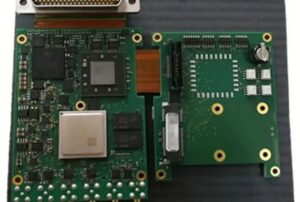
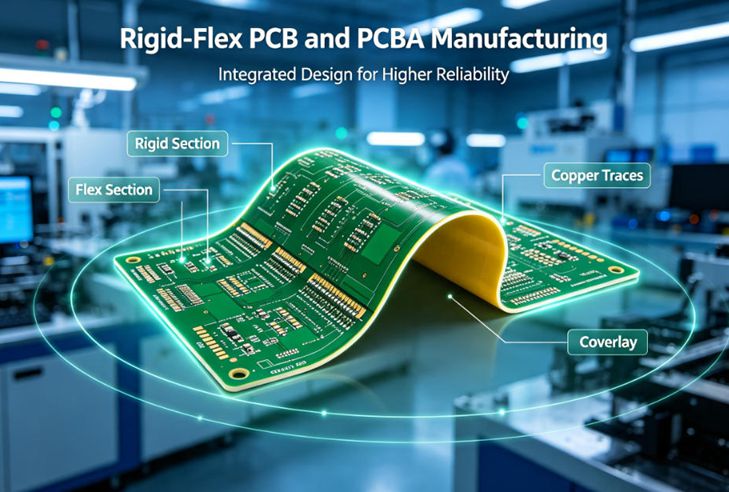
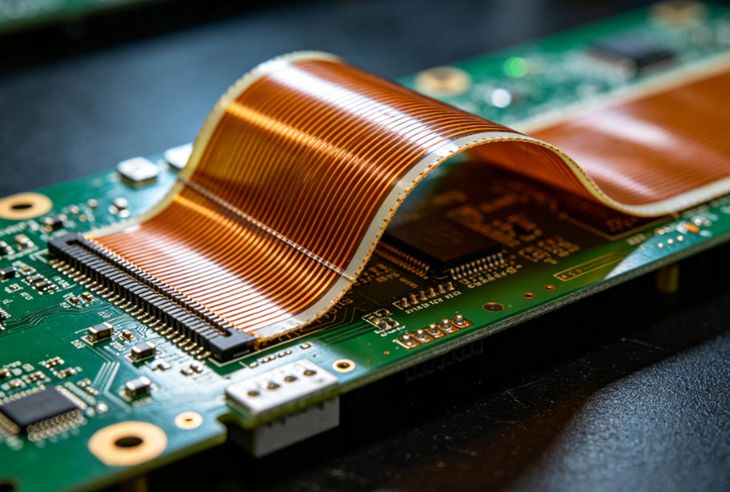
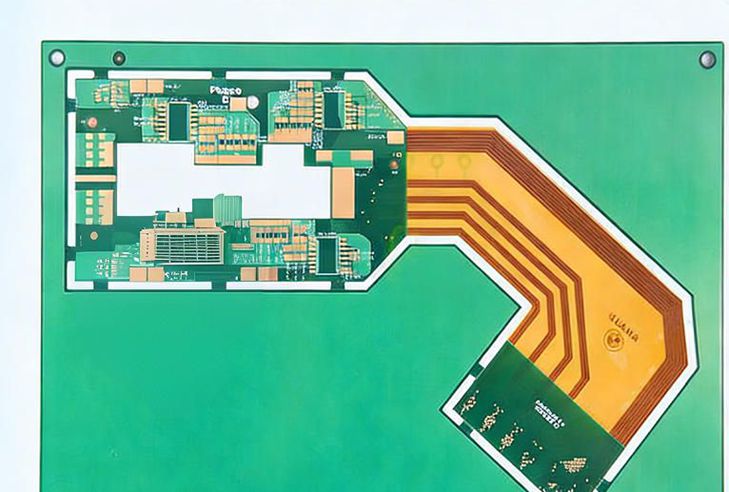
Furthermore, the growth momentum mainly comes from high-reliability fields including medical devices, automotive electronics, aerospace equipment, and industrial automation. Unlike ordinary rigid PCBs or flexible PCBs, rigid-flex boards integrate the structural advantages of both hard and soft circuits. Specifically, rigid areas support high-precision component mounting, while flexible areas realize bending, folding and space steering. This unique hybrid structure perfectly solves the pain points of large size, poor shock resistance and low integration of traditional circuit assemblies.
2. Core Long-Term Advantage: Greatly Improved Product Operational Reliability
For B-end industrial OEMs, product failure rate and service life are the most concerned core indicators. In fact, traditional multi-board assembly solutions rely heavily on external connectors, cable harnesses and welding points, which are the main failure sources of electronic equipment.
Industry statistics show that more than 30% of field faults in industrial and automotive electronic products are caused by loose connectors and damaged wiring. In contrast, custom rigid-flex PCB&PCBA manufacturing adopts an integrated one-piece design, which effectively eliminates redundant connection structures. As a result, it greatly reduces hidden dangers such as poor contact and circuit aging caused by vibration, temperature cycling and long-term operation.
In the long run, this advantage can help brands significantly reduce after-sales maintenance costs, lower product warranty risks, and stabilize market word-of-mouth, which is one of the most critical long-term values of rigid-flex customized manufacturing.
3. Design Advantage: Break Space Limitations and Realize Product Iteration Upgrade
In addition to reliability improvements, custom rigid-flex manufacturing also provides engineers with greater design freedom. Traditional rigid PCBs can only be laid out on a flat surface, which severely restricts the structural design of compact and portable devices.
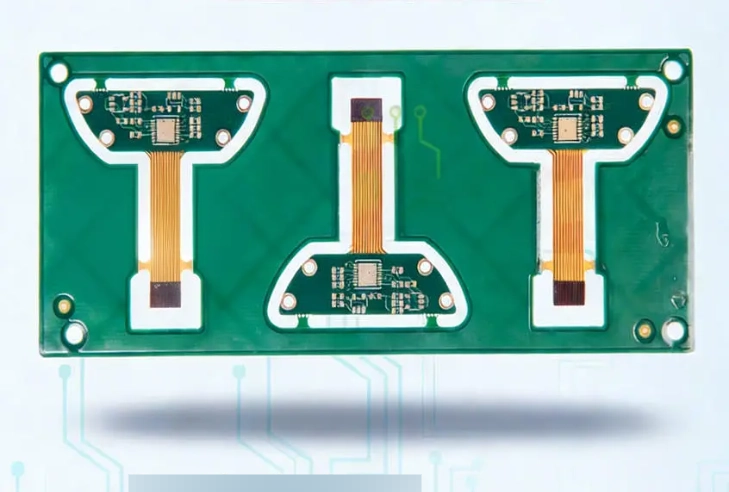
On the contrary, rigid-flex boards can be bent, folded and routed around internal components according to product cavity requirements. This feature is widely used in compact equipment such as wearable medical devices, industrial miniature sensors, and automated robot modules. Meanwhile, standardized customized services can adjust key parameters such as board layer stackup, bending radius and substrate materials according to customer design specifications, completely avoiding design compromises caused by universal board limitations.
4. Cost Advantage: Optimize Full Lifecycle Total Cost of Ownership (TCO)
Many purchasers mistakenly believe that custom rigid-flex PCBA has high upfront costs. However, from the perspective of full lifecycle TCO, rigid-flex customized solutions have more prominent cost advantages.
To begin with, integrated rigid-flex structures save BOM costs for external connectors, cables and accessories. Moreover, the integrated assembly method simplifies the production process, shortens assembly working hours, and improves production efficiency. Most importantly, the ultra-low failure rate greatly reduces the later-stage after-sales operation and maintenance costs.
Therefore, for industrial equipment, medical devices and automotive electronic products with a service life of more than 5 years, custom rigid-flex PCB&PCBA is a high-return long-term investment rather than a simple processing and manufacturing link.
5. Supply Chain Advantage: One-Stop Turnkey Manufacturing Simplifies Procurement
In the current global supply chain environment, multi-supplier cooperation often brings problems such as inconsistent quality, delayed delivery and difficult responsibility tracing. Correspondingly, choosing a professional full-turnkey rigid-flex EMS manufacturer can effectively solve supply chain pain points.
Ring PCB, a professional PCB and PCBA manufacturing supplier with 18 years of industry experience, focuses on customized rigid-flex circuit board solutions for global B-end customers. The company owns a 10,000-square-meter standardized self-operated factory and a professional technical team of 500 employees, supporting the whole process from 3-day rapid prototype verification to large-scale mass production.
In terms of quality system, Ring PCB has passed ISO9001, IATF16949, UL, RoHS and REACH international certifications, fully meeting the quality access standards of high-end industries such as industry, medical treatment and automobile. Different from ordinary manufacturers, our professional engineering team provides free DFM manufacturability optimization suggestions for customers’ rigid-flex designs in the early stage, helping customers optimize bending structure, layer design and material selection, and balance product performance and manufacturing cost.
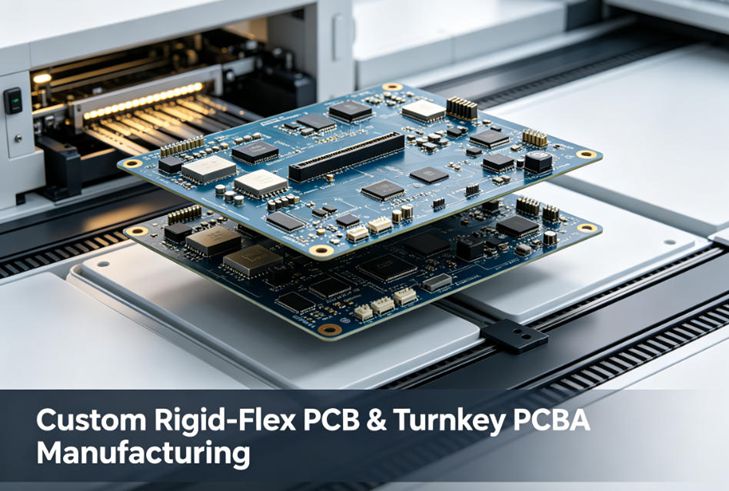
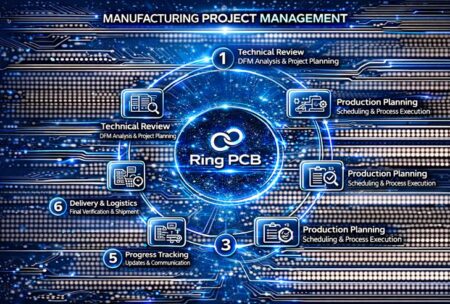
In addition, Ring PCB supports full-link turnkey services including independent PCB fabrication, authorized component sourcing, SMT&THT precision assembly, multi-process quality inspection and finished product packaging. The one-stop manufacturing mode realizes single-point responsibility for quality and cycle, greatly simplifies the customer’s procurement process and supply chain management.
6. Conclusion: Rigid-Flex Customization Becomes a Long-Term Industrial Trend
To sum up, custom rigid-flex PCB and PCBA manufacturing is not only a technical upgrade of circuit boards, but also a strategic choice for enterprises to improve product reliability, optimize costs, and enhance market competitiveness. With the continuous upgrading of miniature and high-reliability electronic equipment, rigid-flex customized manufacturing will become the mainstream solution for high-end electronic assembly.
If you have rigid-flex PCB and PCBA customization, prototype verification or mass production needs for industrial, medical, automotive and other projects, welcome to send your Gerber files, BOM lists and technical requirements torfq@ringpcb.com. Our professional engineering team will provide you with free DFM analysis and a customized competitive quotation within 24 hours.