As electronic devices shrink in form factor while growing in functional complexity, product reliability has become the top concern for B2B buyers across automotive, medical, aerospace and industrial sectors. The 2026 rigid-flex PCB market report values the global industry at USD 9.48 billion, projecting a 6.09% CAGR through 2031, with automotive electronics driving the fastest growth at 10.2% annually. This rapid adoption is not primarily motivated by size or weight advantages — it is driven by measurable reliability improvements that directly reduce field failure rates and warranty costs.
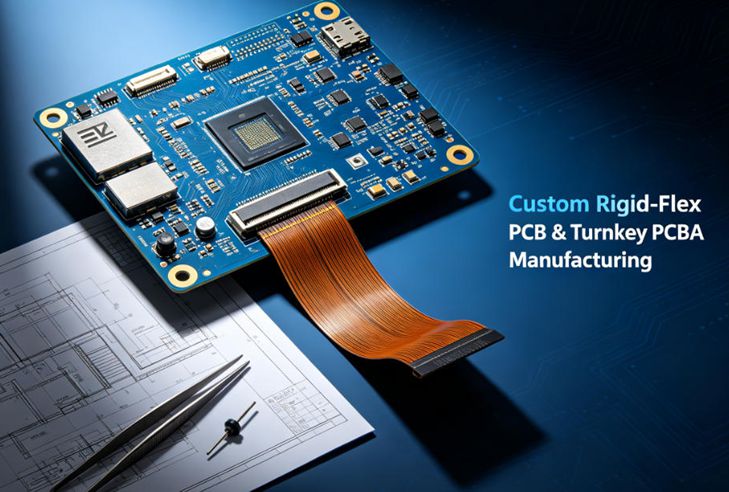
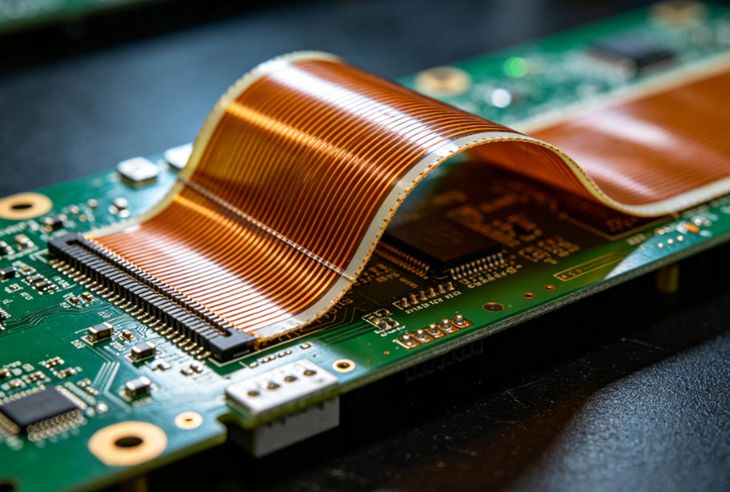
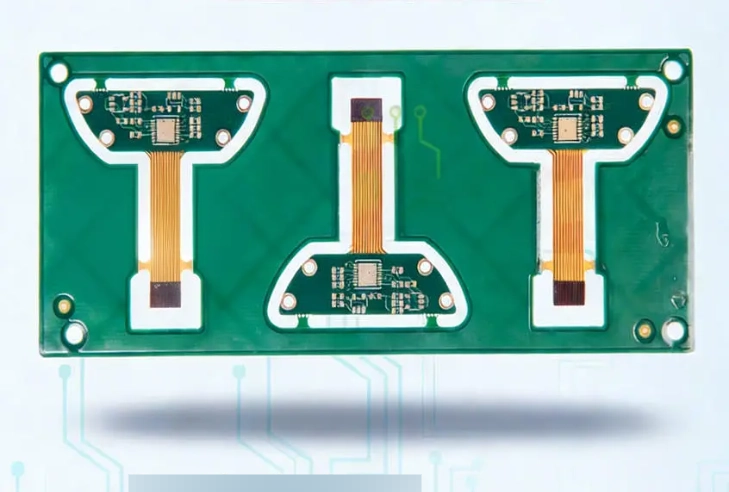
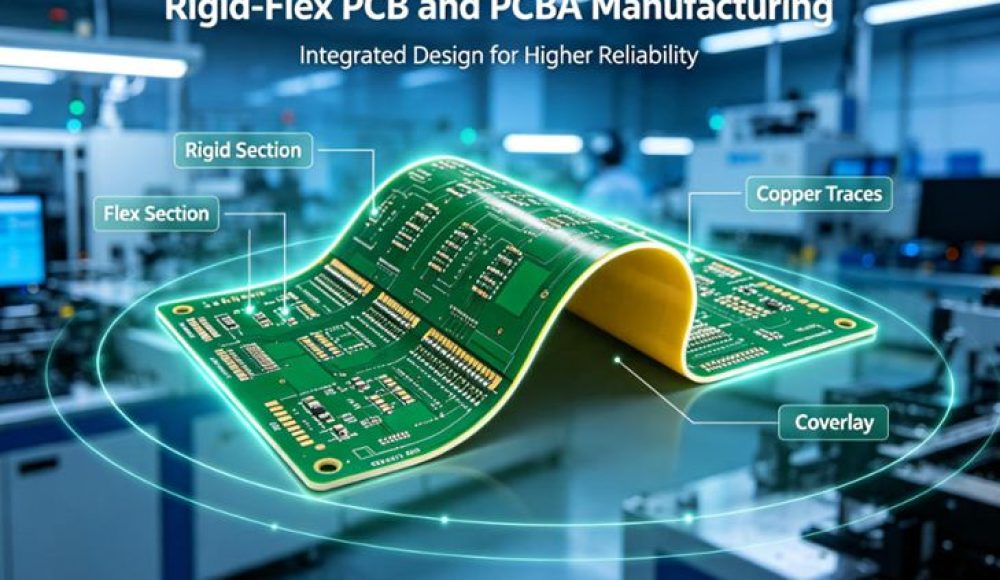
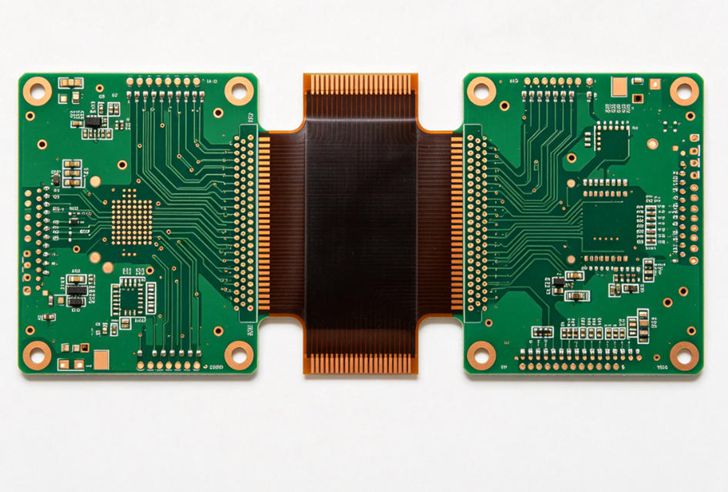
Traditional electronic assemblies use multiple rigid PCBs interconnected by cables, wire harnesses and board-to-board connectors. Each mechanical connection creates a potential failure point, especially under vibration, thermal cycling and dynamic bending conditions. Custom rigid-flex PCB technology integrates rigid circuit sections and flexible polyimide circuits into a single unified structure, eliminating most interconnection points entirely. This article examines the reliability limitations of conventional multi-board architectures, explains how rigid-flex design improves long-term stability, and discusses how specialized manufacturing practices maximize these benefits.
1. Reliability Limitations of Conventional Multi-Board Assemblies
Before exploring rigid-flex solutions, it is critical to understand why traditional assembly approaches struggle in demanding operating environments.
1.1 Connector and Cable Failures Dominate Field Returns
Industry reliability studies consistently show that interconnection points account for 34–47% of all electronic assembly failures. Each board-to-board connector, solder joint on a cable harness and crimp terminal introduces a point of mechanical weakness. Under continuous vibration — common in automotive, aerospace and industrial robotic applications — these interfaces suffer from fretting corrosion, contact fatigue and solder joint cracking. For medical devices and safety-critical systems, even a single intermittent connection can have serious consequences.
1.2 Thermal Cycling Stress at Joint Interfaces
Temperature swings cause different materials to expand at different rates. When rigid FR-4 boards connect through plastic connectors and metal pins, repeated thermal cycling generates shear stress at mating surfaces. Over thousands of cycles, this stress causes micro-cracks that grow into full open circuits. This failure mode is particularly problematic for outdoor equipment, automotive under-hood electronics and industrial systems operating in unconditioned environments.
1.3 Assembly Variables Introduce Human Error
Assembling multiple boards with cables and connectors requires significant manual labor. Each manual insertion, crimping operation and harness routing step introduces human error risk. Misaligned connectors, partially seated pins and improperly routed cables that rub against enclosure walls all cause premature failures that only surface after products reach the field.
2. How Custom Rigid-Flex Architecture Improves Reliability
Custom rigid-flex PCB design addresses these failure modes at the structural level by replacing mechanical interconnections with continuous conductive paths built directly into the board structure.
2.1 Eliminating Interconnection Failure Points
The most impactful reliability benefit comes from removing discrete connectors and cables entirely. Research confirms that rigid-flex integration eliminates up to 87% of interconnection points compared to equivalent multi-board rigid assemblies. With fewer connection interfaces, the statistical probability of failure drops proportionally. Automotive field return data supports this: rigid-flex assemblies show a 75% reduction in 3-year field failure rates (0.12% versus 0.48% for conventional harness-based designs).
2.2 Superior Vibration and Shock Resistance
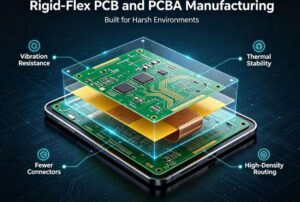
Flexible polyimide substrates distribute mechanical stress across the entire bend area rather than concentrating it at fixed connector mounting points. This lowers peak stress at any single node by 60–80% during vibration events. The unified structure has no loose cables to resonate, no connector pins to work loose and no crimp terminals to fatigue. For applications such as industrial robot joint controllers, aerospace avionics and vehicle suspension electronics, this vibration resilience directly translates into longer service life and fewer unplanned maintenance events.
2.3 Improved Thermal Cycling Stability
Because electrical paths are continuous across rigid and flexible sections, there are no dissimilar material interfaces to create thermal expansion mismatch failures. Traces made of the same copper material expand and contract uniformly across temperature ranges. While rigid and flexible substrates have different coefficients of thermal expansion, professional designers manage this through careful transition zone engineering — using tapered interfaces, curved trace entries and stress-relief patterns to distribute strain gradually rather than abruptly.
2.4 Reduced Assembly Variables and Human Error
Rigid-flex boards arrive as a single unified assembly, eliminating manual cable installation, connector mating and harness routing steps. Fewer manual assembly operations mean fewer opportunities for human error. Production data shows that rigid-flex assemblies reduce assembly-related defects by approximately 40% compared to equivalent multi-board systems, simply because there are fewer operations that can go wrong.
3. Key Application Sectors Where Reliability Gains Matter Most
The reliability advantages of rigid-flex technology deliver the greatest value in sectors where downtime or failure carries high costs.
Automotive electronics represents the fastest-growing rigid-flex segment. Battery management systems, ADAS sensor modules and zone controllers all benefit from reduced connector failure risk in high-vibration under-hood environments. With rigid-flex content per electric vehicle reaching $38–$52 in 2026, automakers are prioritizing this technology to reduce warranty claims and improve vehicle reliability ratings.
Medical devices — particularly implantable and wearable medical equipment — rely on rigid-flex designs for patient safety. Miniature monitoring devices, surgical instruments and implantable pumps cannot tolerate connector failures. The technology also enables smaller form factors that improve patient comfort while maintaining long-term operational stability.
Aerospace and defense applications value rigid-flex for its ability to withstand extreme G-forces, thermal cycling and vibration. Satellite systems, avionics modules and military communications equipment use rigid-flex construction to meet strict MTBF (Mean Time Between Failures) requirements.
Industrial controls and robotics represent another high-impact sector. Robotic arm controllers, servo drive modules and sensor interfaces located on moving machinery require continuous flexing capability combined with long-term mechanical durability.
4. How Specialized Manufacturing Maximizes Rigid-Flex Reliability
The reliability advantages of rigid-flex design only materialize when manufacturing is executed with proper process controls. Poorly fabricated rigid-flex boards can introduce new failure modes, such as delamination at rigid-flex interfaces, trace cracking in bend zones and pad lifting on flexible substrates.
Ring PCB specializes in custom rigid-flex PCB fabrication and PCBA assembly, with dedicated process lines engineered specifically for rigid-flex construction. Our manufacturing process incorporates several reliability-critical controls.
First, we implement strict material pre-processing including controlled baking cycles to remove moisture from polyimide and adhesive layers, preventing delamination and blistering during lamination and reflow. This step is essential for maintaining layer adhesion integrity across thermal cycles.
Second, our engineering team applies specialized DFM rules for rigid-flex transitions. We design tapered interface zones, ensure traces enter rigid sections at gradual angles, and add tear-drop reinforcements at pad connections in flex areas. These design features distribute mechanical stress and prevent trace fracture at the most vulnerable points.
Third, our assembly process uses customized reflow profiles calibrated for mixed FR-4 and polyimide substrates. Because rigid and flexible materials absorb heat differently, standard reflow profiles cause uneven heating that can damage flexible layers or create poor solder joints. Our optimized temperature ramps ensure consistent soldering quality across the entire board without overheating sensitive polyimide sections.
Finally, every rigid-flex assembly undergoes comprehensive inspection including AOI, X-ray for hidden solder joints and flying probe electrical testing. For high-reliability applications, we offer additional qualification testing including bend cycle verification, thermal cycling and humidity exposure testing to validate long-term performance.
5. Design Considerations for Optimal Reliability
To fully realize the reliability potential of rigid-flex technology, early collaboration between design and manufacturing teams is essential. Bend radius is the most critical parameter — static bends require at least 6–12 times the flex thickness, while dynamic applications requiring repeated flexing need 100–200 times the thickness to prevent copper fatigue. Locating vias and through-holes away from bend zones, using curved trace patterns instead of sharp corners, and selecting appropriate coverlay materials all contribute to long-term reliability.
Conclusion
Custom rigid-flex PCB and PCBA manufacturing delivers measurable reliability improvements that go far beyond simple size and weight reduction. By eliminating connector-based failure points, improving vibration resistance, enhancing thermal cycling stability and reducing assembly variables, rigid-flex construction cuts field failure rates dramatically across automotive, medical, aerospace and industrial applications. These reliability gains translate directly into lower warranty costs, improved product reputation and higher customer satisfaction.
However, these benefits are only achievable through specialized manufacturing expertise and rigorous process control. Partnering with an experienced rigid-flex manufacturer ensures that the design intent for reliability is fully realized in production.
If you are developing a product that could benefit from custom rigid-flex PCB and PCBA solutions, share your design files, application environment and reliability requirements with us at rfq@ringpcb.com. Our engineering team will provide a detailed DFM review and reliability-focused manufacturing proposal tailored to your specific application.