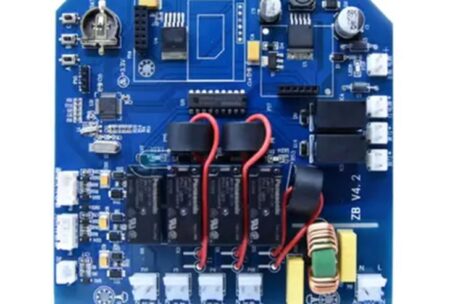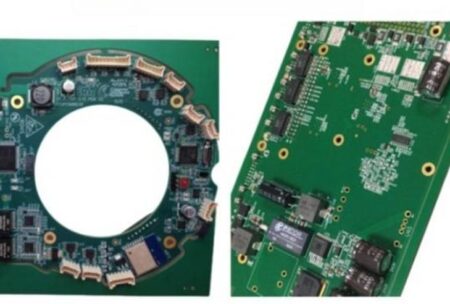
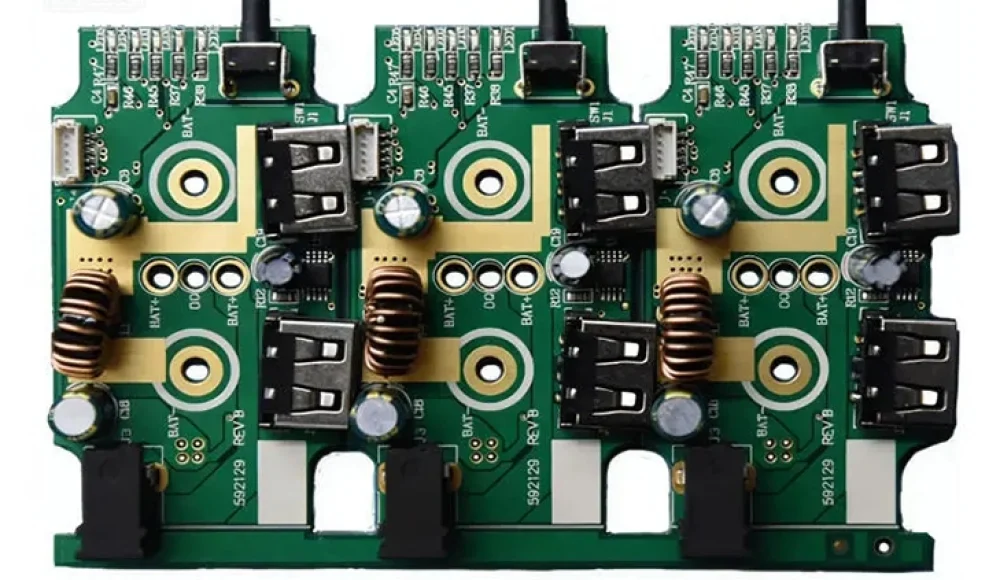
Driven by the fast growth of energy storage, EV charging systems and industrial power inverters, demand for heavy copper and high power PCBs continues to surge across global electronics markets. Latest industry data shows the worldwide heavy copper PCB market maintains a CAGR of 7%–8.5% from 2026 to 2035, far exceeding the growth rate of conventional printed circuit boards. Unlike standard PCBs, heavy copper boards with 3oz to 12oz copper layers face strict manufacturing barriers, including precise etching, balanced lamination and warpage control. Any poor production practice will lead to overheating, voltage drop, delamination or unexpected field failures for high-current equipment. For B2B hardware developers and procurement teams, selecting a qualified manufacturer directly determines product reliability, project lead times and long-term operational costs. This article outlines the core evaluation standards to help you avoid costly mistakes for heavy copper and high power PCB projects.
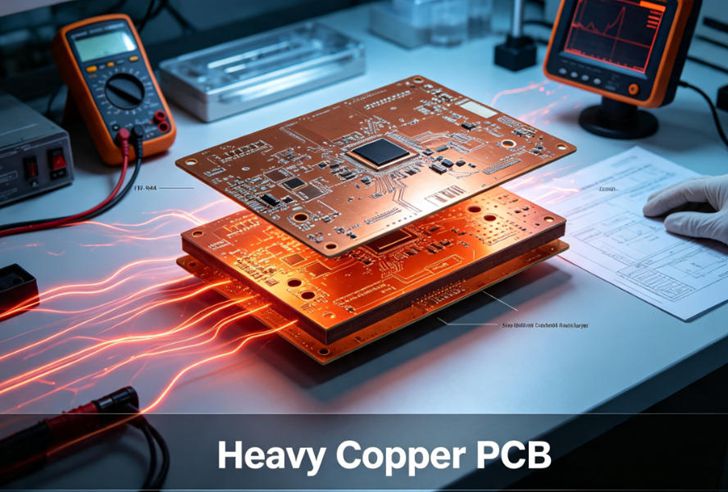
1. Verify Professional Technical Capabilities for Heavy Copper Fabrication
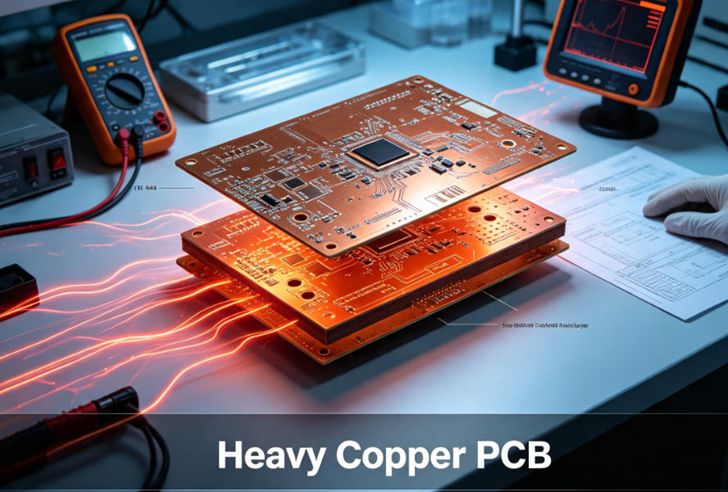
First of all, not all PCB factories can stably produce high-quality heavy copper boards. Thick copper brings unique manufacturing challenges: excessive lateral etching, uneven resin flow during lamination, and board warpage caused by unbalanced copper distribution. Many general PCB manufacturers lack optimized process parameters for copper thickness above 3oz, resulting in unstable trace width tolerance and hidden reliability risks.
When evaluating suppliers, confirm the maximum supported copper weight, layer stack-up range and proven case records for power electronics projects. Experienced manufacturers can deliver targeted DFM suggestions, such as copper balancing, thermal via layout and trace width compensation, to reduce design risks in advance.
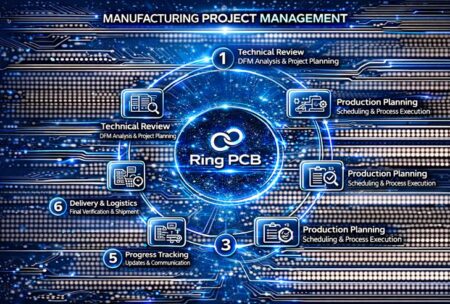
Ring PCB has accumulated rich experience in custom heavy copper PCB production, supporting copper thickness from 3oz up to 12oz and multilayer structures up to 48 layers. Our engineering team conducts free DFM reviews for every high-power project, optimizing stack-up and power routing to mitigate thermal stress and etching defects before production begins.
2. Inspect Quality Control Systems and Relevant Certifications
High power and heavy copper PCBs are widely deployed in mission-critical equipment, so standardized quality management and valid certifications are non-negotiable. Basic qualifications include ISO9001 for general quality management, while projects targeting automotive and medical markets require IATF16949 and ISO13485 accordingly. RoHS and REACH compliance also satisfy global market access requirements.
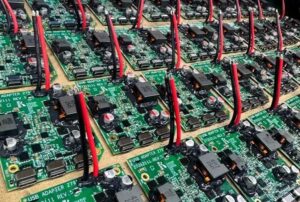
Beyond certifications, ask suppliers about complete testing workflows. Reliable manufacturers implement electrical continuity testing, impedance verification, thermal cycling screening and visual inspection for each batch. For assembled PCBA, X-ray inspection and load testing are essential to check solder integrity of power components. At Ring PCB, all heavy copper boards go through strict in-process inspection and final validation, with full production traceability to meet high-reliability standards for industrial and new-energy applications.
3. Evaluate Production Flexibility, Lead Time and Scalability
Project cycles vary greatly for power electronics developers: prototype verification requires fast-turn samples, while mass production demands stable, consistent output. Many buyers encounter the problem that suppliers can only handle small prototypes but fail to maintain quality when scaling up bulk orders.
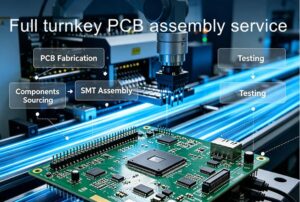
A trusted partner should support smooth transition from low-volume prototyping to large-scale mass production. You also need to confirm whether the factory has independent production lines for heavy copper boards to avoid scheduling conflicts with standard PCB orders. Ring PCB supports rapid prototype manufacturing and continuous mass production for heavy copper projects. We also provide full turnkey PCBA services including component sourcing, precision SMT and functional testing, helping customers simplify multi-supplier coordination.
4. Compare Cost Transparency and Long-Term Supply Stability
Cost is always a major concern for procurement teams, yet many buyers make the mistake of choosing suppliers only based on the lowest quotation. Low-cost offers often come with hidden risks: downgraded base materials, insufficient copper thickness or simplified testing procedures, which trigger expensive rework after installation.
Reputable manufacturers provide detailed breakdown quotations covering substrate, copper foil, processing and testing fees. In addition, stable supply chain management helps resist raw material price fluctuations, especially copper cost volatility. Ring PCB maintains long-term cooperation with qualified raw material vendors, delivering transparent pricing and stable delivery schedules without compromising manufacturing standards.
5. Assess Technical Support and After-Sales Service
Heavy copper high-power projects frequently require technical communication during design and production. Responsive engineering support can shorten debugging cycles significantly. Ask potential manufacturers whether they can provide professional technical consultation, design optimization and timely after-sales problem analysis.
A capable supplier does not merely manufacture boards; they act as technical partners throughout your product iteration. Our team at Ring PCB maintains responsive communication across different time zones, offering continuous technical support from initial quotation to post-delivery verification.
Conclusion
Selecting the right manufacturer for heavy copper and high power PCB projects requires comprehensive assessment of technical expertise, quality systems, scalability, cost transparency and service capability. Cutting corners on supplier selection will lead to irreversible reliability risks for high-current power equipment. Working with an experienced, certified manufacturer lays a solid foundation for your product competitiveness.
If you are developing heavy copper or high power PCB & PCBA projects, send your Gerber files, stack-up requirements and BOM to rfq@ringpcb.com. Explore our full manufacturing capabilities at https://www.ringpcb.com/, and our engineering team will deliver professional DFM analysis and competitive quotation within 24 working hours.