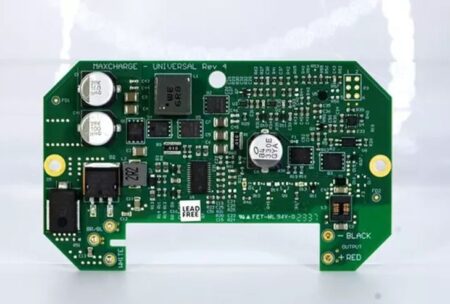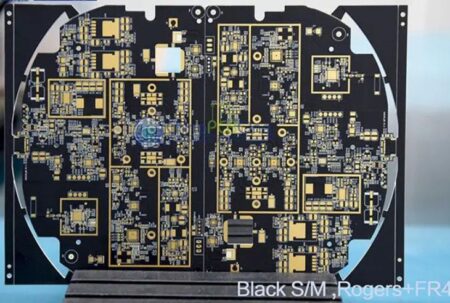
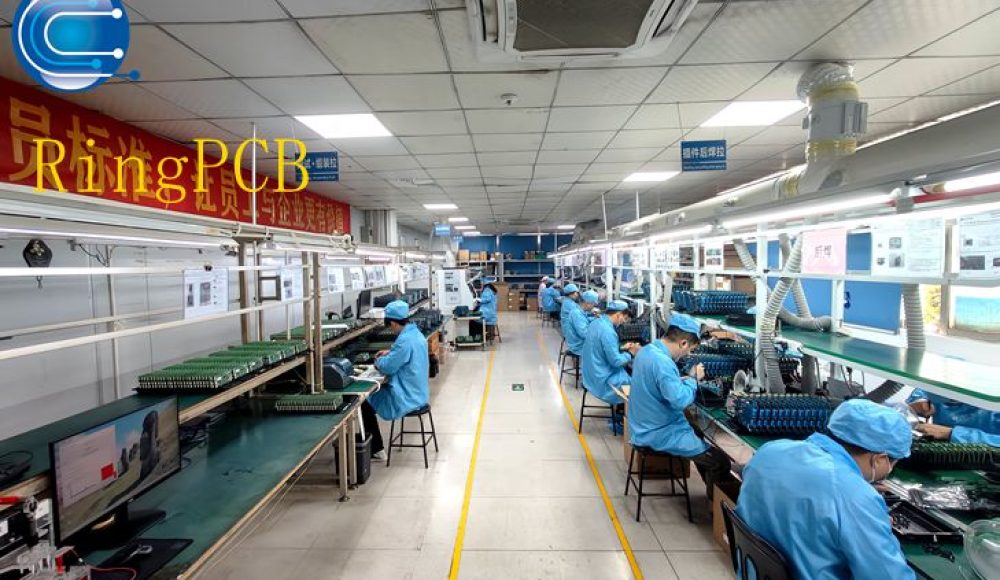
Bringing a new electronic product from working prototype to stable mass production is one of the hardest challenges hardware companies face. Industry data shows that approximately 60% of hardware startups encounter unexpected yield drops, process deviations, or performance inconsistencies when ramping from small-batch prototypes to volume manufacturing. Many of these failures occur because prototype shops and production factories operate with different equipment, process standards, and quality thresholds. Switching suppliers between the prototype phase and mass production typically adds 4 to 8 weeks of re-qualification time and introduces hidden risks that can sink product profitability. A self-operated PCB & PCBA facility that supports both prototype development and full-scale production eliminates this transition gap. This article explores the scaling challenges and how unified in-house manufacturing creates smoother, faster, and more predictable volume ramp-ups.
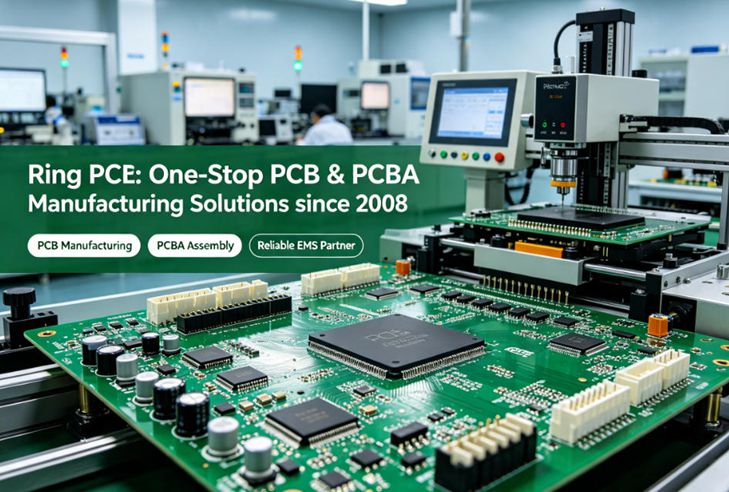
1. The Hidden Gap Between Prototypes and Mass Production
Prototype assembly is optimized for speed and flexibility, often using manual or semi-automated processes, loose process tolerances, and hand-selected components. A design that works perfectly in 10 prototype units may fail at scale when produced on fully automated lines with normal process variation. Common scaling issues include:
- Yield collapse caused by marginal trace geometries that are achievable in small batches but unstable in high-volume etching
- Solder joint reliability problems that remain invisible in visual inspection but emerge under thermal cycling
- Component tolerance stacking that affects performance when hundreds or thousands of units are built
- Impedance deviation caused by slight changes in etching parameters across production lots
These problems are not simply quality failures — they are structural gaps between prototype and production methodologies. Companies that use different suppliers for prototyping and manufacturing almost always experience at least one costly redesign during the ramp-up phase.
2. Why a Self-Operated Facility Delivers Smoother Scaling
2.1 Unified Process Standards Across All Volume Levels
A self-operated factory applies consistent baseline process parameters from the first prototype through final mass production. PCB etching chemistry, lamination pressure, reflow temperature profiles, and inspection criteria remain identical whether the order is 5 pieces or 5,000 pieces. This consistency means that performance characteristics validated in prototypes reliably carry over to production units.
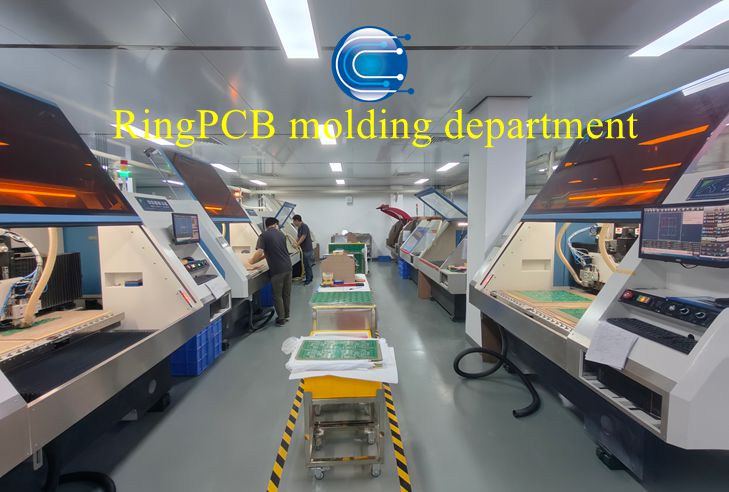
Ring PCB operates a fully self-owned 10,000-square-meter manufacturing facility with dedicated prototype lines and parallel mass-production lines. Our production engineering team develops process parameters during the prototype phase and locks them for volume production. Customers experience minimal performance drift when scaling, eliminating the need for costly mid-project process re-qualification.
2.2 Early DFM Intervention Prevents Expensive Redesigns
Self-operated facilities with both PCB fabrication and assembly capabilities can provide far deeper DFM feedback than pure assembly shops. During prototype development, engineers evaluate not only assembly feasibility but also PCB manufacturability, thermal reliability, and yield potential at volume. They can recommend minor layout adjustments that have negligible impact on electrical performance but dramatically improve production yield and long-term reliability.
Research confirms that DFM changes implemented during the prototype phase reduce total production costs by 10–20% and cut time-to-volume by approximately 30%. The earlier manufacturing expertise enters the design cycle, the larger the payoff.
2.3 Seamless Component and Supply Chain Transition
Component sourcing is another common scaling pain point. Prototypes often use catalog parts from distributors in retail packaging. For mass production, components must be sourced in tape-and-reel format, qualified for multiple sources, and price-negotiated at volume. If prototype and production suppliers are different, this transition is entirely the customer’s responsibility.
With a self-operated turnkey facility, component engineers are involved from the prototype stage onward. They select parts with stable long-term availability, identify approved second sources, and lock in volume pricing before ramp-up. This seamless transition avoids last-minute component obsolescence surprises and supply gaps.
3. Testing and Quality Systems That Scale With Volume
Testing strategies also evolve dramatically from prototype to production. Prototypes typically undergo manual functional testing and basic visual inspection. At volume, automated test fixtures, ICT testing, and statistical process control become necessary to maintain consistent quality. Building these test systems requires time and investment, and they must be validated against known-good prototype units.
Self-operated facilities develop test strategies in parallel with prototype development. Test engineers design ICT fixtures and functional test jigs during the pilot phase so they are fully validated before mass production begins. This parallel engineering significantly compresses the overall ramp-up timeline.
4. Flexibility for Iterative Product Updates
Most products undergo design revisions during early production. Market feedback, certification requirements, and component obsolescence all drive engineering changes. When prototype and production are handled by different suppliers, implementing a design change means re-coordinating with both parties, revalidating processes, and risking version mismatch errors.
A single self-operated facility manages design revisions through a unified engineering change order process. PCB layout updates, BOM changes, and assembly process adjustments are implemented synchronously, with full version traceability. This unified change management reduces error rates and speeds up iteration cycles.
Conclusion
The transition from prototype to mass production remains the riskiest phase in the electronics product lifecycle. Fragmented supplier relationships create process gaps, quality inconsistencies, and scheduling delays that can undermine even the strongest product designs. Partnering with a self-operated PCB & PCBA facility that supports the full journey from rapid prototyping to high-volume manufacturing eliminates these transition risks, preserves design performance at scale, and dramatically shortens time-to-market.
If you are preparing to scale a product from prototype to production and want to avoid common ramp-up pitfalls, send your design files and volume forecast to rfq@ringpcb.com. Our engineering team will evaluate your project and provide a clear scaling roadmap with transparent timelines and cost projections.