1. Core Hidden Barriers Between Prototype Verification and Mass Production
1.1 Divergent Process Standards Lead to Unreplicable Product Performance
1.2 Fragmented Component Sourcing Causes Supply Chain Disruption
1.3 Disconnected Testing Systems Cannot Match Iteration Requirements
2. Four Core Advantages of Self-Operated Facilities for Smooth Production Scaling
2.1 Unified Process Specifications Eliminate Performance Drift
2.2 Integrated Component Management Achieves Seamless Sourcing Transition
2.3 Coordinated Testing System Shortens Validation Cycles
2.4 Unified Engineering Change Management Simplifies Product Iteration
3. Practical Suggestions for Global Buyers to Choose Scalable Self-Operated PCBA Partners
When screening manufacturing suppliers, B-side purchasers should focus on the following practical indicators instead of only comparing unit prices:
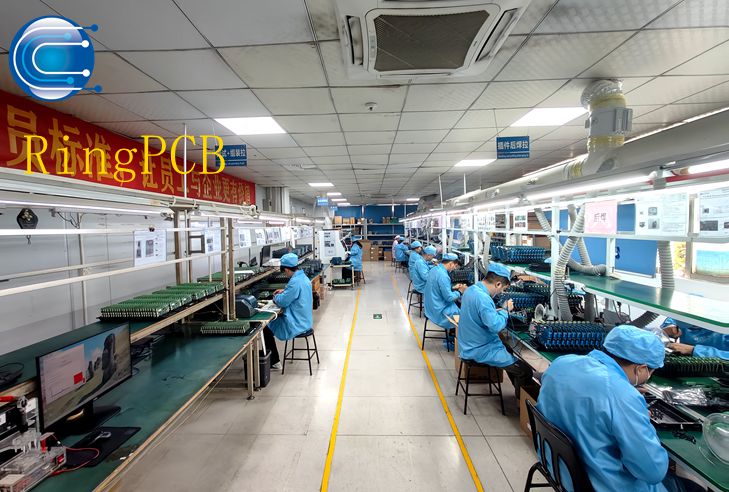
First, confirm whether prototypes and mass production are completed in the same independent factory rather than outsourced to cooperative third-party workshops;
Second, check the supplier’s historical scaling cases, focusing on yield fluctuation data during order expansion;
Third, evaluate the completeness of DFM early intervention, confirming whether manufacturers provide targeted optimization suggestions for mass production in the design phase;
Fourth, inspect the flexibility of production capacity, judging whether the factory can adjust output up and down within 2–4 weeks according to customer demand changes.