Blog

HomeBlogFrom Prototype to Production: Scaling PCB & PCBA Manufacturing with a Self-Operated Facility

From Prototype to Production: Scaling PCB & PCBA Manufacturing with a Self-Operated Facility

RingPCB,your PCB and PCBA manufacturing solution
In the global electronics industry of 2026, hardware developers universally face the “Valley of Death”: functional prototypes that work perfectly in laboratory verification often suffer sharp yield collapse after entering mass production. Latest industry research statistics show that nearly 60% of hardware startups encounter obvious performance deviation and yield decline when expanding orders from small prototype batches to volume manufacturing, and switching between separate prototype workshops and external mass-production factories will add 4–8 weeks of re-qualification cycles and extra rework costs. Many OEMs used to split prototyping and mass production among different suppliers, yet fragmented cooperation brings process inconsistency, delayed schedules and unclear quality accountability. Against this industry pain point, a fully self-operated PCB & PCBA manufacturing facility builds a seamless channel from prototype verification to stable large-scale production, which has become the most reliable scaling solution for global buyers. This article analyzes typical scaling obstacles and explains how unified in-house manufacturing eliminates transition risks.
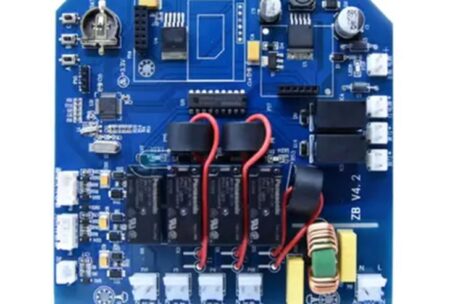
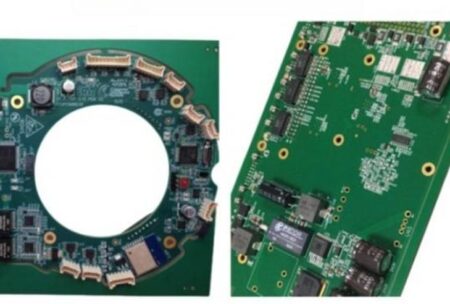
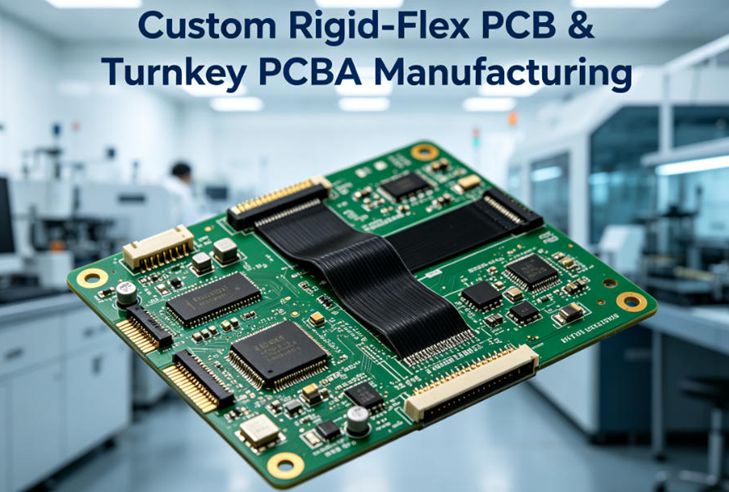
RingPCB custom rigid-flex PCB and PCBA manufacturing

1. Core Hidden Barriers Between Prototype Verification and Mass Production

Before exploring the advantages of self-operated factories, we first sort out the fundamental contradictions leading to scaling failure, which are widely encountered by B-side industrial clients, medical equipment enterprises and consumer electronics brands.

1.1 Divergent Process Standards Lead to Unreplicable Product Performance

Prototype workshops prioritize speed and flexible manual adjustment, while mass production relies on highly automated fixed parameter operation. Prototype engineers can manually fix minor solder bridging, component offset and thermal defects, but automated production lines do not allow artificial real-time correction. Industry data indicates that over 60% of mass-production yield problems root in design schemes only suitable for small-batch manual assembly rather than standardized automated production lines. If prototypes and mass production are completed by different manufacturers, layout flaws hidden during prototype production will break out in batches during volume manufacturing.

1.2 Fragmented Component Sourcing Causes Supply Chain Disruption

Prototype procurement usually uses scattered retail component samples, while mass production needs bulk tape-and-reel raw materials with stable long-term supply. When two independent suppliers are responsible for different phases, customers need to independently complete component model conversion, alternative material verification and price negotiation. Once mainstream ICs and power semiconductors face global shortages, disorganized sourcing will directly trigger production shutdown risks, and statistics prove that 52% of hardware project delays are caused by unstable component supply chains.

1.3 Disconnected Testing Systems Cannot Match Iteration Requirements

Prototypes only require simple manual functional testing, while mass production needs standardized ICT, X-Ray and automatic AOI batch inspection. Separate suppliers cannot share test data and fixture resources, so customers have to redevelop test jigs and re-verify reliability standards during scaling, greatly compressing the market launch window of new products.

2. Four Core Advantages of Self-Operated Facilities for Smooth Production Scaling

A mature self-operated EMS facility integrates PCB fabrication, SMT assembly, testing and technical research under unified management. It locks consistent standards from the first prototype to tens of thousands of mass-produced products, fundamentally resolving the above transition obstacles.

2.1 Unified Process Specifications Eliminate Performance Drift

The biggest strength of self-owned factories lies in shared production standards across all order sizes. From 5–20 prototype samples to 10,000+ mass orders, PCB lamination parameters, SMT reflow temperature curves, solder paste printing standards and IPC-A-610 inspection rules remain completely unified. Process parameters validated in pilot runs are directly inherited for mass production, avoiding re-calibration and repeated debugging.
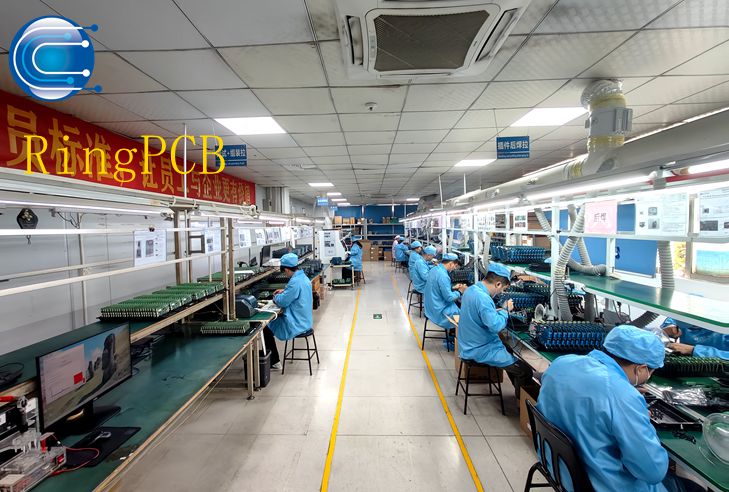
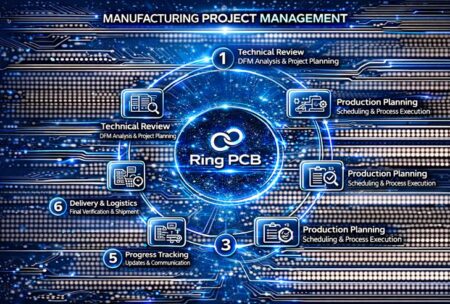
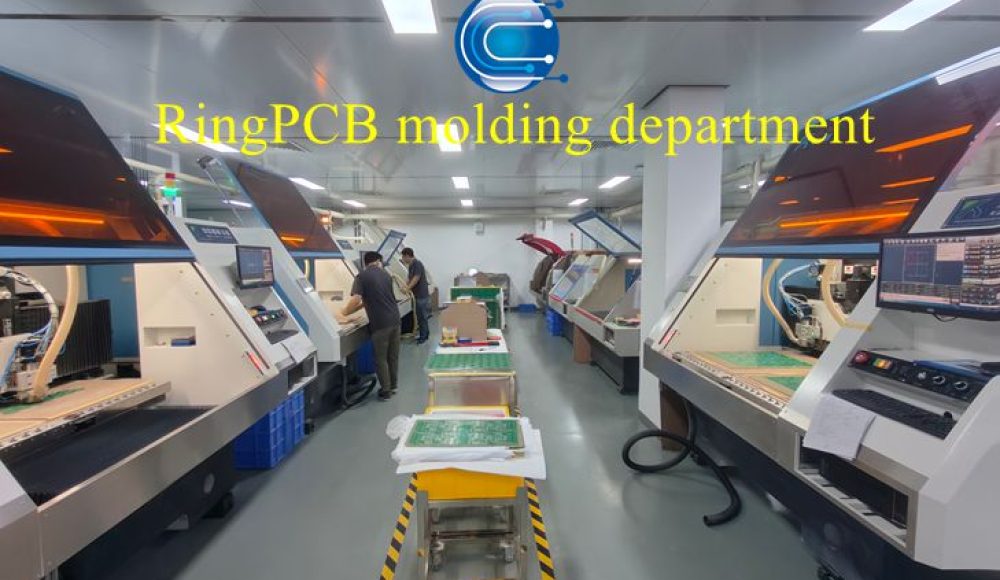
Ring PCB runs a large self-operated integrated manufacturing base with dedicated fast prototype flexible lines and high-speed automated mass-production lines. Our engineering team locks optimized DFM parameters in the prototype stage, and all subsequent batch production strictly follows the confirmed process files. In actual customer projects, this unified standard control improves the first pass yield after scaling by more than 25% compared with split multi-supplier cooperation.

2.2 Integrated Component Management Achieves Seamless Sourcing Transition

Inside a self-operated factory, the procurement team participates in component selection at the prototype stage. Engineers prefer components with multi-source supply and long-term availability, mark qualified alternative materials in advance, and gradually convert scattered prototype materials into bulk industrial packaging before scaling up order volume. Long-term cooperation with global authorized distributors also helps lock stable component prices and priority material allocation during industry-wide shortages, effectively resisting currency fluctuation and supply interruption risks.

2.3 Coordinated Testing System Shortens Validation Cycles

Test engineers in self-operated facilities synchronously design functional test fixtures, ICT inspection schemes and aging test standards during prototype development. When orders expand to mass production, mature testing programs can be directly put into use without secondary development. Meanwhile, the MES digital system records all inspection data in real time, providing complete batch traceability for medical, automotive and industrial control products that require strict compliance certification.

2.4 Unified Engineering Change Management Simplifies Product Iteration

Electronic products inevitably need layout revision and BOM adjustment after market launch. A single self-operated factory uniformly processes engineering change orders, synchronously updating PCB layout, assembly procedures and test requirements. In contrast, cross-supplier revision coordination easily causes version confusion and assembly errors, extending iteration cycles significantly.

3. Practical Suggestions for Global Buyers to Choose Scalable Self-Operated PCBA Partners

When screening manufacturing suppliers, B-side purchasers should focus on the following practical indicators instead of only comparing unit prices:

First, confirm whether prototypes and mass production are completed in the same independent factory rather than outsourced to cooperative third-party workshops;

Second, check the supplier’s historical scaling cases, focusing on yield fluctuation data during order expansion;

Third, evaluate the completeness of DFM early intervention, confirming whether manufacturers provide targeted optimization suggestions for mass production in the design phase;

Fourth, inspect the flexibility of production capacity, judging whether the factory can adjust output up and down within 2–4 weeks according to customer demand changes.
Conclusion

The prototype-to-production transition is the most uncertain stage in the electronic product lifecycle. Traditional split supplier cooperation creates irreparable gaps in process, supply chain and quality control, while self-operated PCB & PCBA manufacturing facilities build a stable bridge for product scaling with unified standards, integrated resources and consistent technical support. For enterprises eager to shorten time-to-market and control long-term production risks, choosing a reliable self-operated EMS manufacturer has become a key strategic choice.
If you are preparing to expand your electronic product from prototype verification to formal mass production and hope to avoid common scaling pitfalls, you can send your Gerber files, BOM list, volume forecast and technical requirements to rfq@ringpcb.com. Our professional engineering team will provide a personalized scalable production plan and detailed DFM risk assessment within 24 working hours.
High Speed PCB for Industrial Control PCBA
Previous Post

Industrial Control PCBA Manufacturing: Custom Turnkey Solutions for Turkey’s Automation OEMs

Next Post

How Full Turnkey PCB Assembly in China Reduces Risk in PCB & PCBA Manufacturing?

Full Turnkey PCB Assembly in china