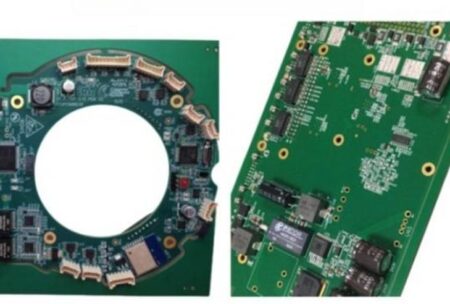
In the fast-evolving 2026 electronics manufacturing landscape, operational efficiency has become the core competitive metric for B2B buyers, far beyond basic pricing advantages. As electronic products trend toward high density, miniaturization, and rapid iteration, traditional outsourced PCB and PCBA production models face inherent efficiency bottlenecks, including disjointed processes, repeated communication costs, and delayed problem resolution. Industry data shows that multi-subcontractor production models reduce overall project efficiency by 30–50% and increase rework rates by nearly 28% compared with fully self-operated manufacturing workflows. For OEMs and hardware developers pursuing faster time-to-market and stable mass production, self-operated PCB & PCBA facilities have become a key driver of streamlined manufacturing efficiency.
Eliminate Cross-Vendor Handoff Delays for Streamlined Workflows
One of the biggest efficiency pain points of outsourced manufacturing lies in fragmented process handoffs. Most third-party brokers disperse PCB fabrication, component assembly, automated inspection, and functional testing across dozens of independent small factories. Every cross-factory handoff generates waiting time, information deviation, and scheduling conflicts, creating invisible efficiency losses throughout the project cycle.
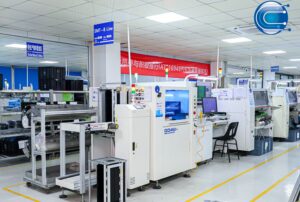
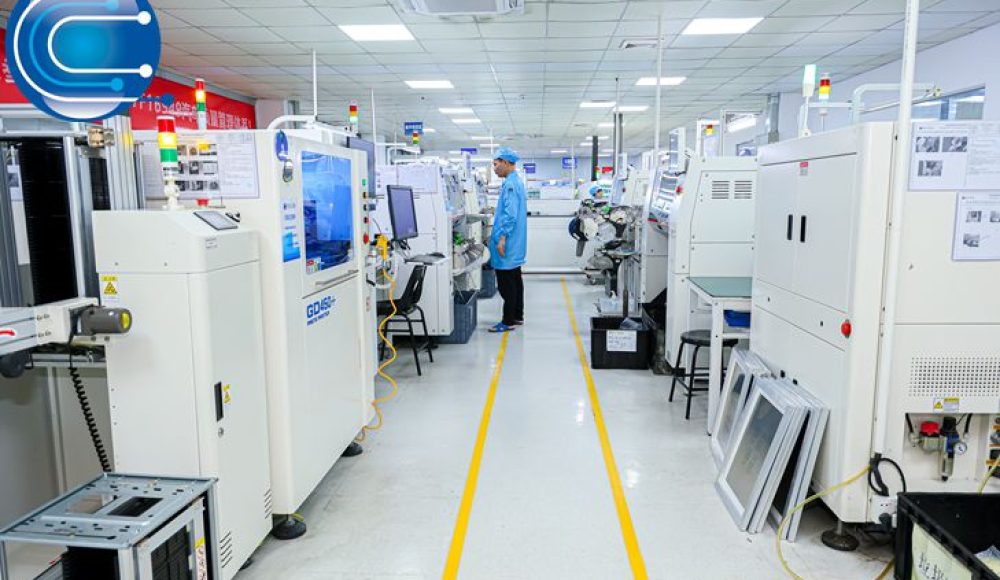
In contrast, self-operated facilities integrate the entire industrial chain in one centralized workshop. From initial DFM design optimization, solder paste printing, high-precision SMT placement, and reflow soldering to AOI visual inspection, X-Ray BGA detection, ICT&FCT functional testing, and final packaging, all core procedures are completed under unified internal scheduling. This integrated model completely cuts off cross-supplier coordination delays, compressing the overall production cycle significantly. For prototype projects requiring frequent iterations, this seamless workflow can shorten delivery time by up to 40%.
Agile Technical Iteration & Real-Time Production Adjustment
Product iteration flexibility is a critical efficiency advantage favored by modern electronic enterprises, especially for startup hardware teams and industrial electronic developers. Outsourced production relies on external subcontractors, resulting in slow response to design modifications, parameter adjustments, and urgent order changes. Any minor revision requires layer-by-layer notification and repeated confirmation, seriously hindering project progress.
Benefiting from in-house engineering and production teams, self-operated facilities support real-time agile adjustments. Professional engineers conduct one-on-one DFM reviews at the early design stage, effectively avoiding manufacturability flaws that cause secondary rework. According to industry statistics, standardized in-house DFM optimization can reduce assembly defects by 15–25% and save massive time on subsequent repairs. Meanwhile, production teams can dynamically adjust equipment parameters and line schedules based on order priority, perfectly adapting to urgent prototype orders, small-batch trial production, and large-scale mass production switching demands.
Automation Synergy Boosts Batch Production Consistency & Yield
Manufacturing efficiency is not only reflected in speed but also in stable yield and consistent batch quality, which fundamentally reduces time and cost waste caused by defective products. Self-operated formal factories are equipped with complete intelligent automated production and testing equipment, forming a closed-loop quality and efficiency control system.
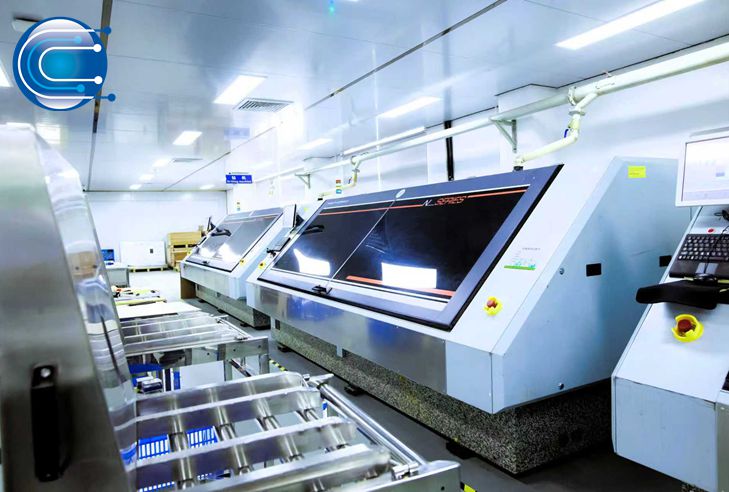
High-precision SMT placement machines, 3D SPI solder paste inspection equipment, and full-coverage AOI optical detectors achieve real-time monitoring of every production link, with a defect detection rate of over 99.5%. For high-precision components such as BGA and QFN, supporting X-Ray automatic inspection ensures hidden solder joint quality without manual omission. Unified equipment parameters and standardized operation specifications eliminate batch differences caused by irregular operation of different subcontractors, greatly improving product yield. Higher pass rates mean fewer rework procedures, fundamentally optimizing overall production efficiency and stabilizing project delivery cycles.
Simplified Supply Chain Management Saves Comprehensive Time Cost
Complex supply chain management is another major efficiency burden for buyers cooperating with broker suppliers. Multi-party cooperation requires repeated docking on material procurement, production progress, quality problems, and delivery schedules, consuming massive manpower and time costs for enterprise procurement and engineering teams.
Self-operated one-stop manufacturing simplifies the entire supply chain link. The internal team undertakes material screening, procurement, production, testing, and after-sales docking, providing a unified service interface for customers. Buyers only need to communicate project requirements with a fixed team, avoiding repeated communication with multiple suppliers. Meanwhile, independent material warehouses and stable supply channels of self-operated factories effectively avoid production stagnation caused by material shortages or quality problems, ensuring continuous and efficient production progress.
Efficient & Reliable Manufacturing Services with Ring PCB
As professional self-operated PCB & PCBA manufacturing provider, Ring PCB always takes efficient integrated production as its core service advantage. We own full-chain intelligent production workshops and complete testing equipment, realizing independent control of all links from PCB board fabrication, precision SMT assembly, BGA precision welding to multi-dimensional performance testing.
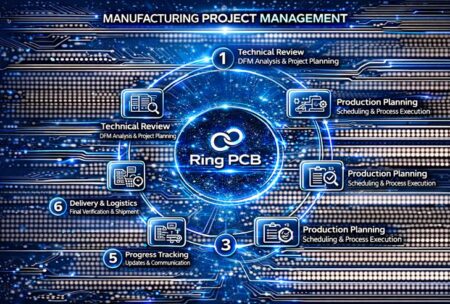
Equipped with high-speed placement lines, automatic inspection systems and standardized production management processes, we effectively eliminate process delays and batch quality fluctuations. Our professional engineering team provides timely DFM optimization, technical adjustment and progress tracking services throughout the whole process, supporting fast prototype iteration and stable mass production delivery. Whether it is high-precision HDI boards, industrial control PCBA, power electronic boards or customized circuit board products, we can efficiently meet diverse customer needs while ensuring high quality and short lead time.
If you are looking for a high-efficiency, stable and reliable PCB & PCBA manufacturing partner to accelerate your product iteration and market layout, feel free to send your project files and requirements to rfq@ringpcb.com for a professional customized solution and accurate quotation.