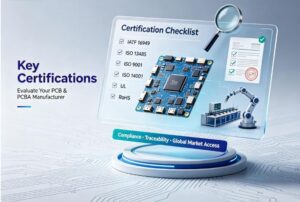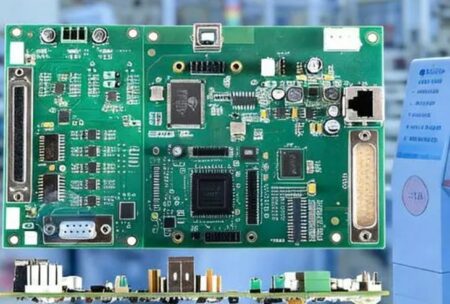
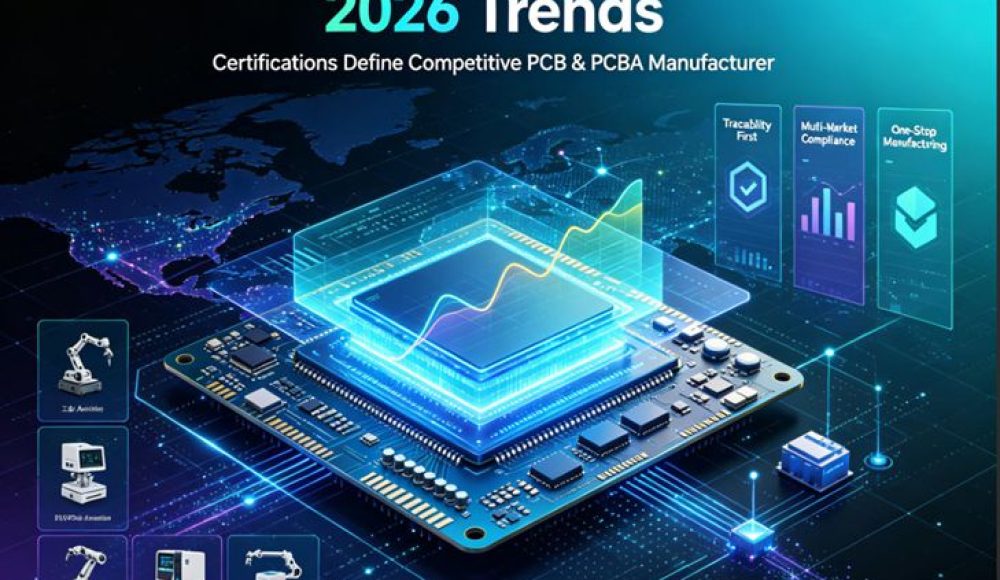
The global electronics industry is shifting toward higher reliability, full supply chain traceability and stricter cross-border regulatory requirements in 2026. As OEMs build hardware for industrial automation, medical instruments and intelligent robots, the certification portfolio of your PCB & PCBA manufacturer becomes a core competitive factor. Buyers increasingly prioritize suppliers with overlapping high-grade certifications that can adapt to multi-industry projects.
Current Industry Trends Reshaping Supplier Evaluation
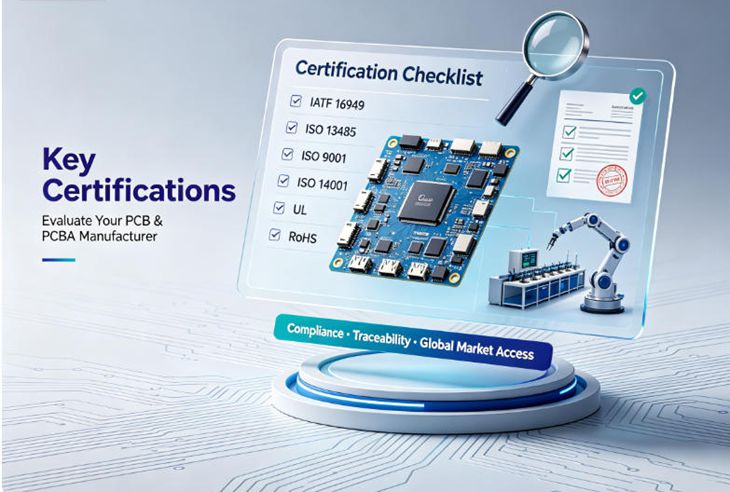
First, customers demand unified traceability. Regulators and large OEMs require full material and process records for every batch, which is a built-in requirement of IATF16949 and ISO13485. Second, multi-market product development is growing. Many OEMs design one hardware platform for both EU and North America, so suppliers must hold both RoHS and UL compliance. Third, buyers prefer one-stop PCB and PCBA partners rather than fragmented vendors, reducing coordination and compliance gaps across separate factories.
These trends mean that a PCB & PCBA manufacturer with only basic ISO9001 struggles to compete for high-value industrial, medical and robotic projects. Buyers actively seek factories with stacked high-level certifications to reduce their supplier qualification workload.
How a Full Certification Portfolio Benefits OEM Partners
Working with a certified PCB & PCBA manufacturer reduces your internal audit workload. The factory already maintains standardized processes, batch records and compliance documentation. When you need to submit documents for your own product certification, your manufacturing partner can quickly provide test reports and material declarations. This greatly shortens NPI cycles and lowers compliance risks.
Moreover, overlapping high-level certifications create process spillover. The strict risk management framework of ISO13485 improves quality for industrial PCBA, while IATF16949’s defect prevention system raises yield for robot control boards. The same production lines and quality team serve all high-reliability product lines.
The Future of Compliance for PCB & PCBA Manufacturing
In coming years, environmental and substance regulations will become even tighter. Manufacturers must maintain both system certifications and product compliance documents to keep serving global customers. Factories without complete credentials will find it harder to pass customer audits and win high-volume orders.
Ring PCB is a professional PCB & PCBA manufacturer equipped with IATF 16949, ISO 13485, ISO 9001 and ISO 14001 certifications, alongside UL Recognized and RoHS compliance. Our production supports multilayer PCBs up to 62 layers, with monthly bare PCB capacity of 50,000 ㎡ and up to 500 PCBA projects each month. Our engineering team delivers DFM review, BOM verification and customized reliability testing for industrial, medical and intelligent robot hardware.
Contact us with your project specifications for a competitive quotation at rfq@ringpcb.com.