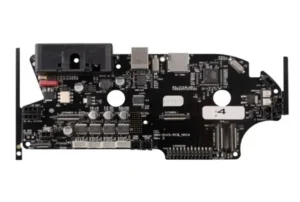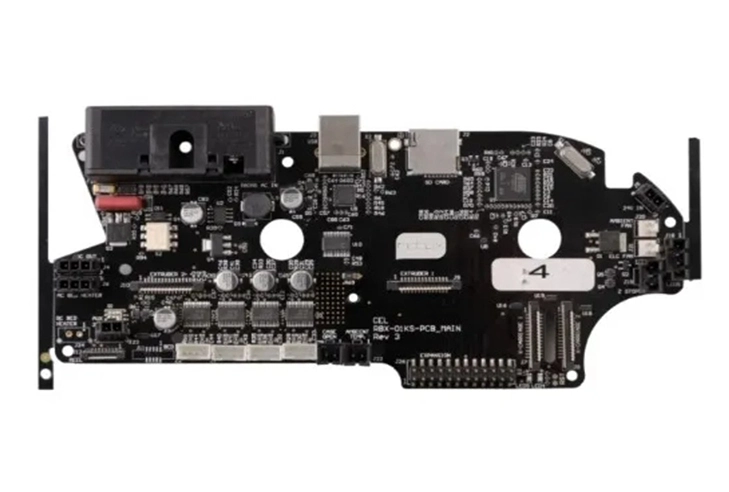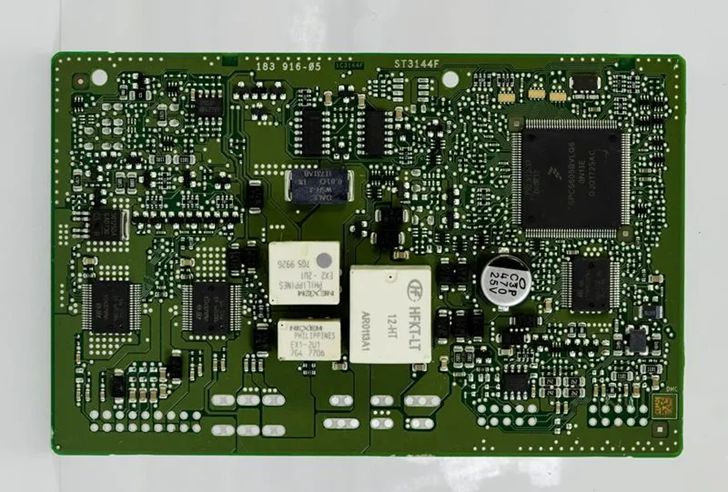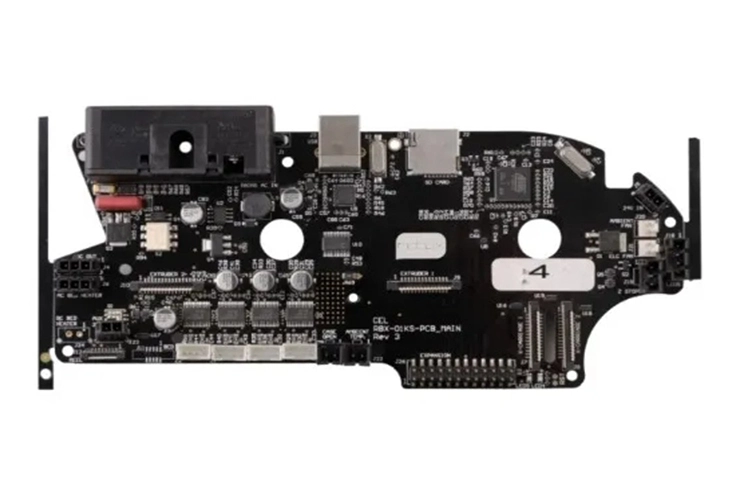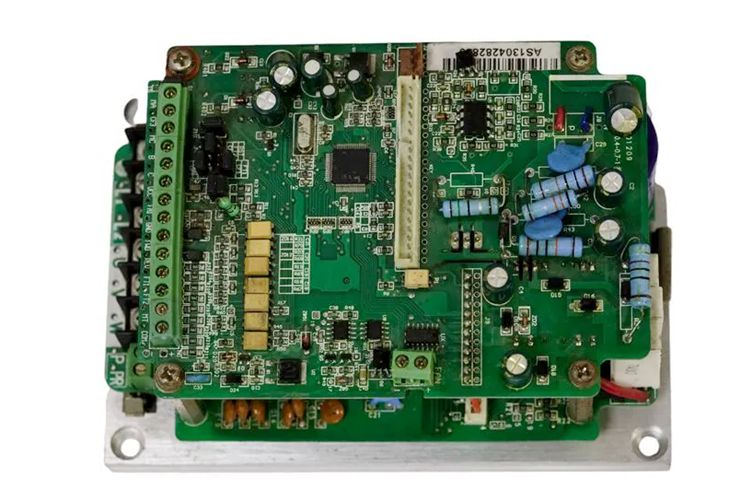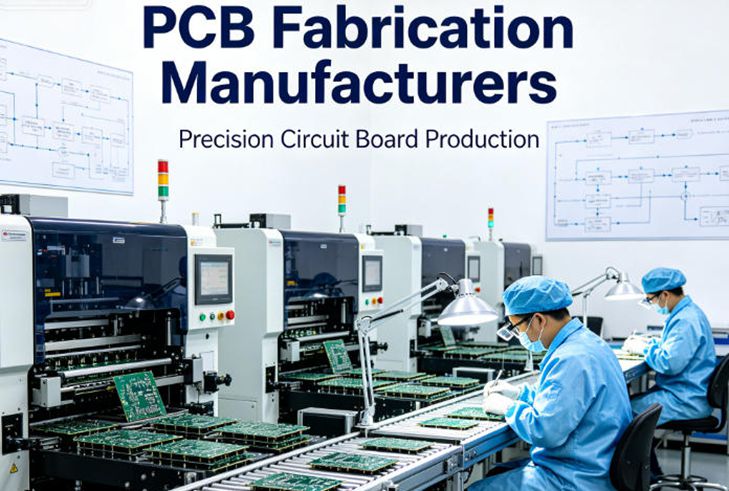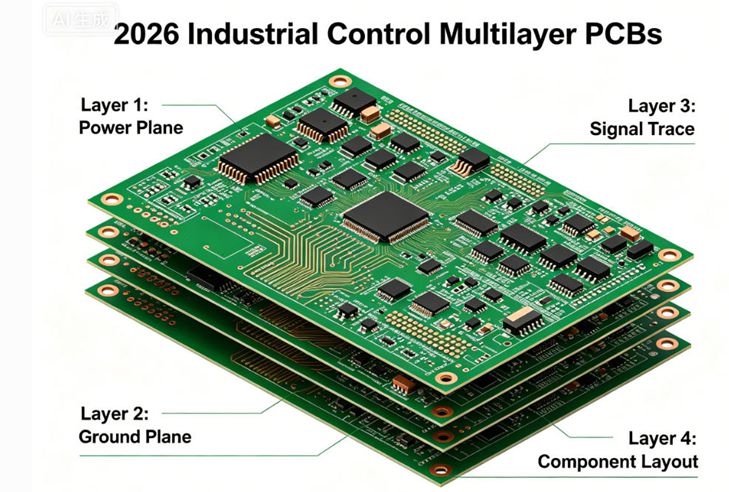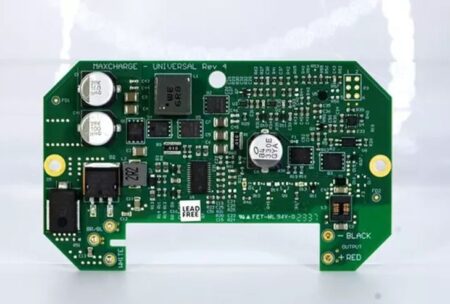
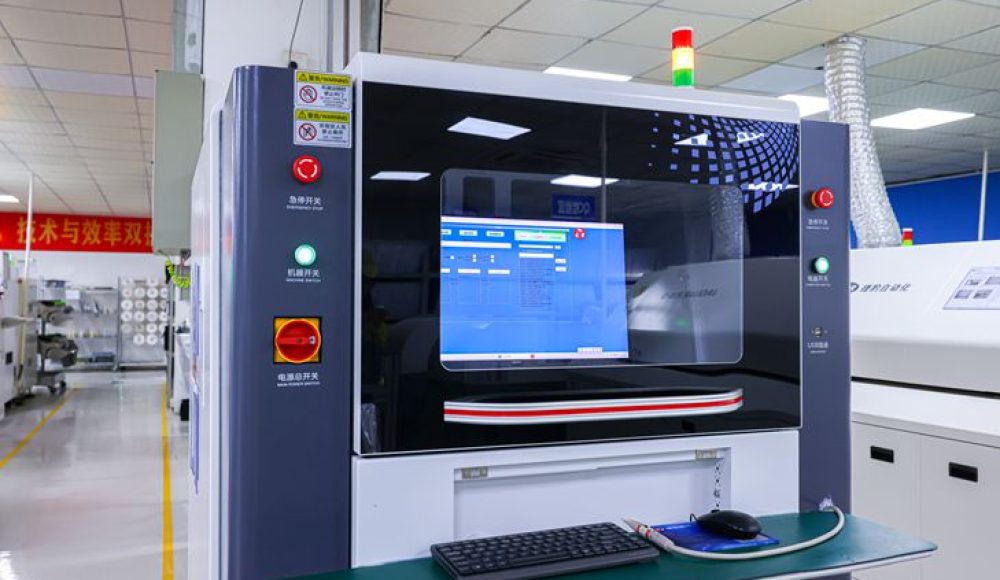
Industry 4.0 and smart factory transformation keep reshaping factory automation in 2026. PLC, remote I/O modules, servo controllers and edge computing gateways all rely on robust industrial control PCBA. Unlike consumer electronics assemblies, these boards run continuously in harsh environments, facing wide temperature swings, vibration, dust and strong electromagnetic interference. Even minor PCBA defects can trigger unexpected production line shutdowns and heavy financial losses. More automation OEMs are switching from fragmented sourcing to full-turnkey PCBA service to mitigate reliability and supply chain risks.
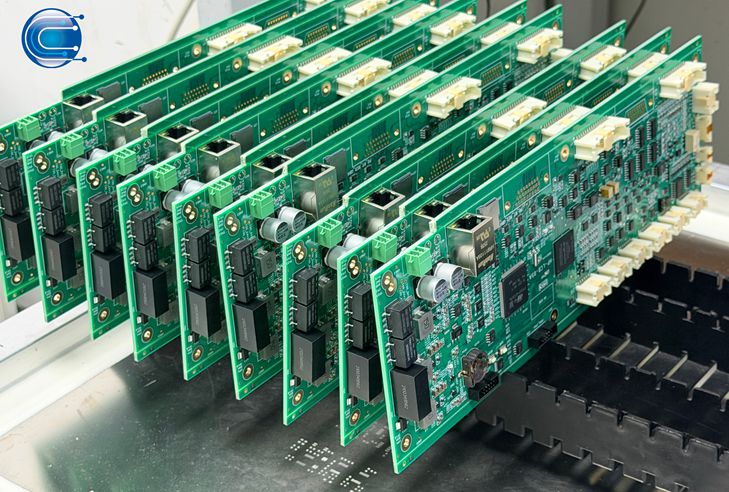
Unique Reliability Standards for Industrial Control PCBA
Industrial control PCBA follows stricter quality benchmarks than regular PCBA products. First, wide temperature tolerance is essential. A qualified industrial assembly must maintain stable performance between -40°C and 85°C. Second, anti-EMI design is mandatory. Strong motor and switching noise on factory floors easily disturbs signal circuits without proper shielding and grounding. Third, long product lifecycle support matters. Industrial equipment usually stays in service for 5–10 years, so component availability and traceability become critical.
Many hardware teams underestimate these requirements. They use standard PCBA suppliers who only follow consumer-grade rules. The resulting assemblies may pass initial electrical tests but fail quickly after field installation. Rework and replacement for installed industrial devices cost far more than the PCBA itself.
The Limitations of Split Sourcing for Industrial PCBA Projects
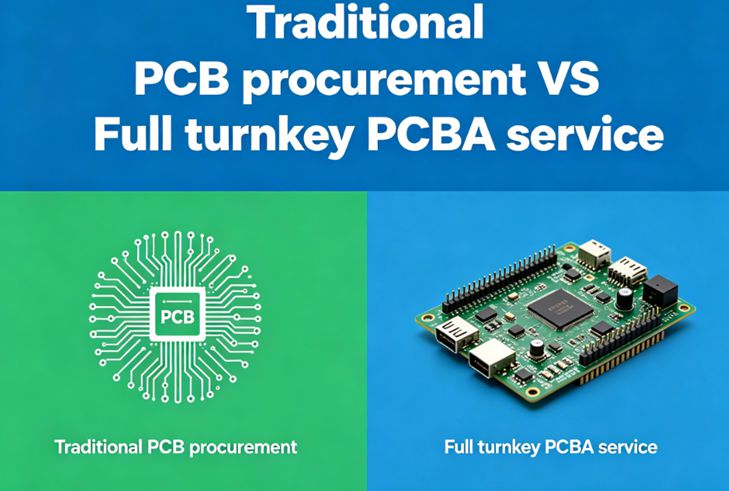
When OEMs separate PCB fabrication, component procurement and SMT assembly across different vendors, several hidden risks emerge. Different suppliers adopt inconsistent standards for thermal cycling and AOI inspection. If an industrial control PCBA fails functional testing, each vendor may shift responsibility to others. Troubleshooting can drag on for weeks. Besides, coordinating multiple vendors increases communication workload and extends NPI lead time. Component shortage problems also become harder to manage without unified BOM control.
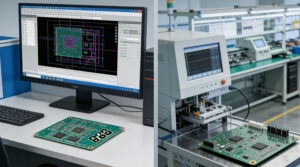
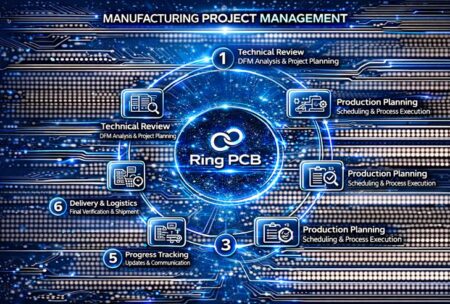
This is where full-turnkey PCBA service brings tangible value. One single supplier handles PCB manufacturing, authorized component sourcing, SMT and through-hole soldering, conformal coating and full reliability testing. Every step follows unified industrial-grade quality standards, with one point of contact for all technical updates.
Key Tests to Verify Industrial Control PCBA Quality
Trusted turnkey providers run a series of dedicated reliability tests for industrial assemblies. Thermal cycling, vibration test, humidity aging, X-ray inspection for BGA joints and functional testing are standard procedures. Conformal coating can be added to protect circuits against moisture and dust. DFM review at the design stage optimizes thermal layout, grounding and pad design to reduce potential failure points before production starts.
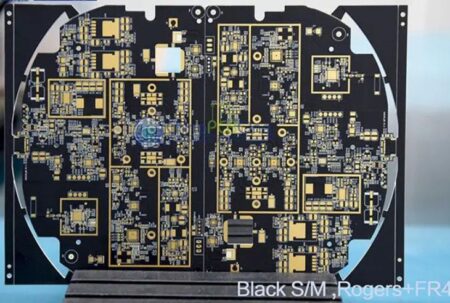
Ring PCB delivers professional full-turnkey PCBA service specializing in industrial control PCBA for automation OEMs. We support multilayer PCBs up to 62 layers, with monthly bare PCB capacity of 50,000 ㎡ and capacity to manage up to 500 PCBA projects monthly. Our engineering team performs early DFM review and industrial-grade reliability testing for every control board. We maintain complete component traceability and IPC Class 3 compliant inspection to guarantee stable long-term operation for factory automation hardware.
Share your Gerber files and BOM to get a DFM assessment and competitive quotation at rfq@ringpcb.com.