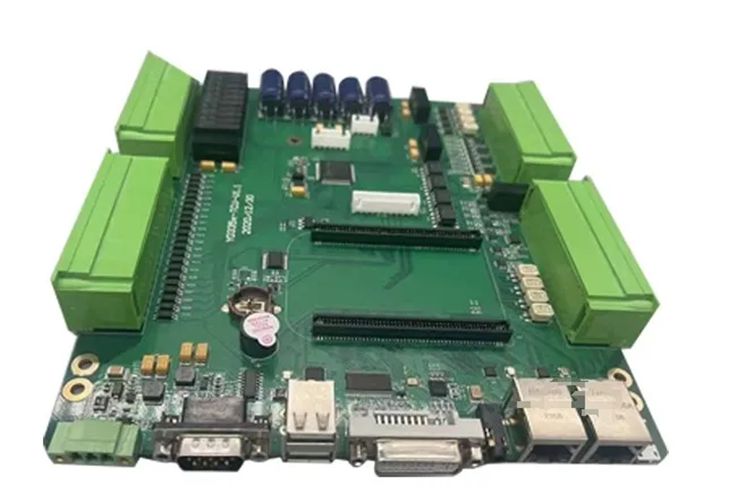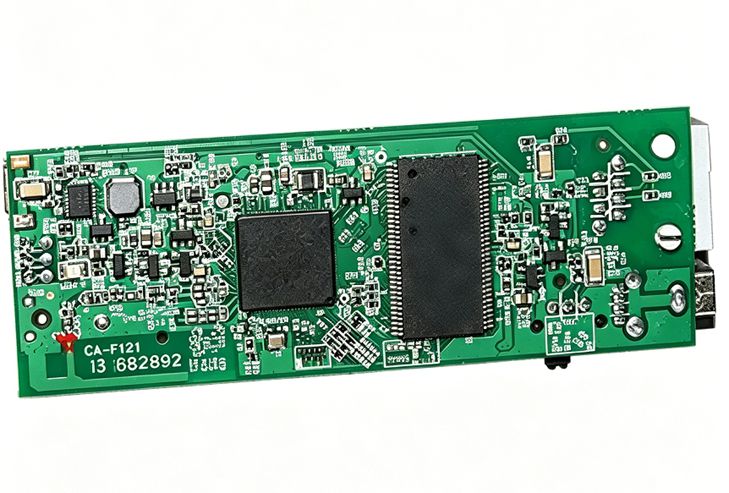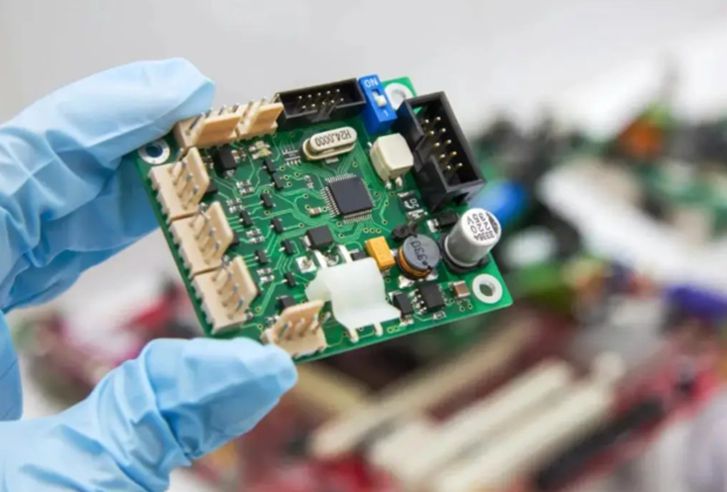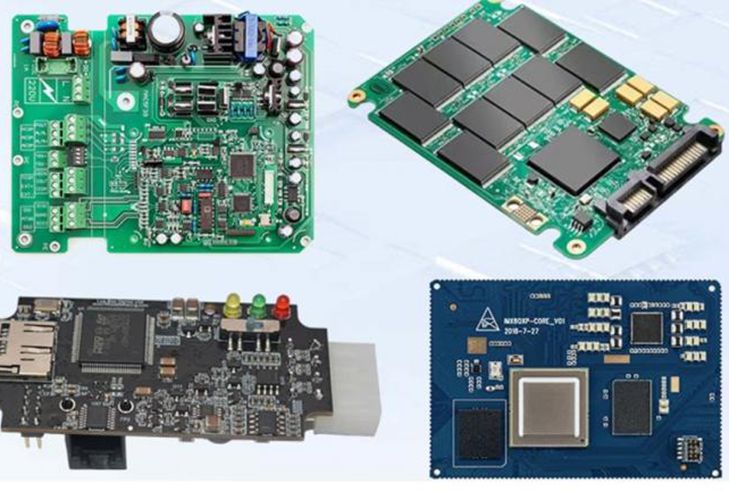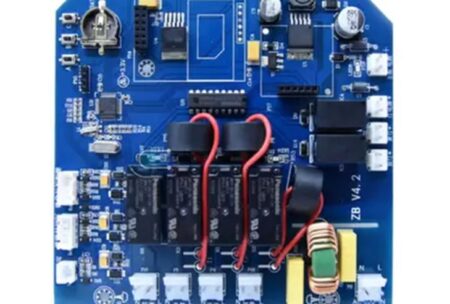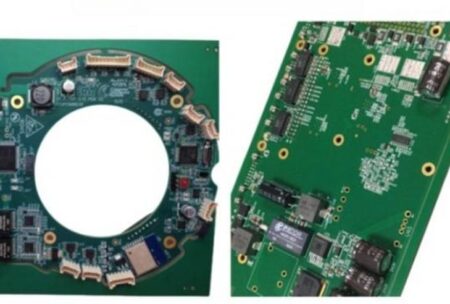
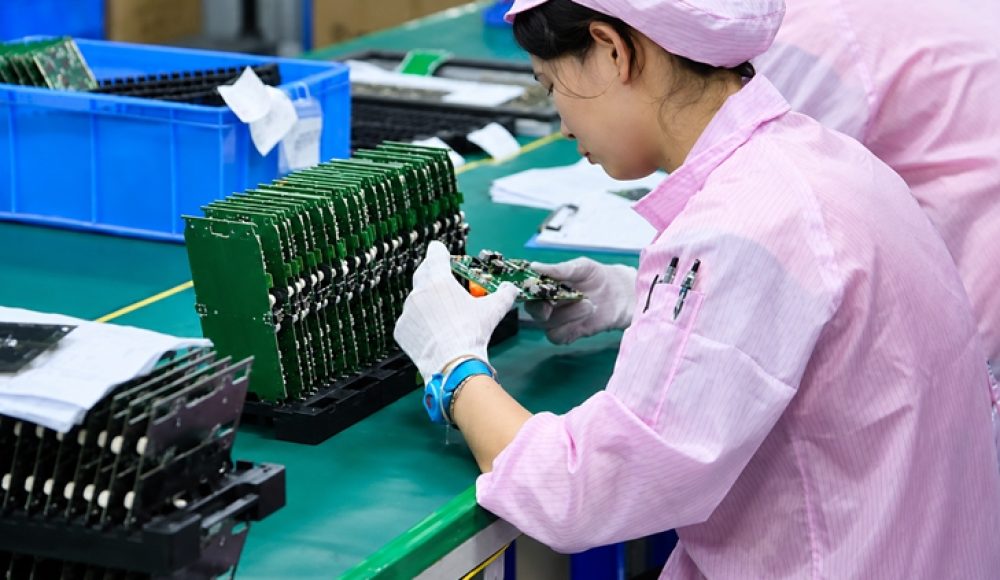
Low volume PCB assembly plays an important role in industrial automation, medical electronics, communication equipment, and specialized OEM manufacturing. Unlike high-volume production, small-batch projects often involve changing designs, multiple product configurations, and limited production quantities.
These conditions create a challenge: how can OEMs maintain consistent PCBA quality when production quantities are relatively small?
The answer involves controlled documentation, reliable component sourcing, repeatable SMT processes, and appropriate inspection methods.
Moreover, choosing a manufacturing partner with integrated PCB fabrication and assembly capabilities can reduce coordination problems between production stages.
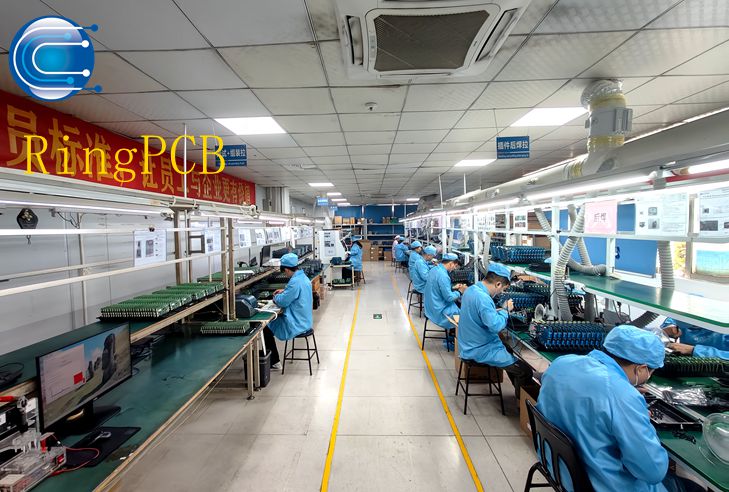
Why Low Volume PCB Assembly Requires Special Quality Control
Small-batch manufacturing involves different operational requirements from mass production.
Frequent product changeovers, varied component packages, and engineering revisions can increase setup complexity.
In high-volume production, process adjustments may be distributed across thousands of assemblies. In low-volume manufacturing, a setup error can affect a significant percentage of the entire order.
Therefore, quality planning should begin before production starts.
For example, an industrial controller manufacturer ordering 50 assembled boards should verify component orientation, soldering requirements, and inspection procedures before releasing the complete batch.
This preventive approach helps reduce rework and avoid unnecessary material waste.
What 2026 EMS Industry Trends Mean for OEM Buyers
According to the Global Electronics Association, North American EMS bookings increased 53.5% year over year in August 2026, while the three-month book-to-bill ratio reached 1.39.
These figures indicate strong order activity within the surveyed market, although they do not represent every global EMS manufacturer.
For OEM buyers, the practical lesson is that component availability, engineering readiness, and production scheduling deserve early attention.
Small-batch customers should confirm their BOM, assembly requirements, and target delivery dates before placing urgent orders.
Furthermore, manufacturers offering coordinated PCB fabrication, component procurement, and assembly can help simplify project communication.
Prepare Complete PCBA Manufacturing Files
A reliable assembly project begins with an approved documentation package.
Essential files typically include the BOM, Gerber files, component placement data, PCB fabrication specifications, and assembly drawings.
The BOM should identify manufacturer part numbers, quantities, reference designators, and approved alternatives.
Assembly drawings should clarify polarity, connector orientation, and special handling requirements.
All documents must correspond to the same hardware revision.
For example, using an updated PCB layout with an outdated placement file can create assembly errors.
Clear documentation supports efficient engineering review and reduces unnecessary production questions.
Verify Component Availability and Authenticity
Component procurement is especially important for low-volume industrial and medical electronics.
Some projects require specialized ICs, connectors, or power-management components with limited availability.
Before assembly begins, the manufacturer should confirm critical component specifications, quantities, and packaging requirements.
Incoming quality control helps verify that received materials match approved purchasing information.
If alternative components are proposed, the OEM should evaluate electrical and mechanical compatibility before approval.
Ring PCB supports component sourcing as part of its full-turnkey PCBA services, helping customers coordinate procurement with PCB fabrication and assembly preparation.
However, component substitutions should always follow customer-approved requirements.
Control SMT Printing, Placement, and Soldering
Consistent soldering quality is essential regardless of order quantity.
Solder paste printing requires suitable stencil design, paste condition, and printing parameters.
Component placement must follow the approved assembly program and orientation requirements.
Reflow soldering also requires appropriate process control for the components and PCB construction.
For dense assemblies containing fine-pitch ICs or BGA packages, additional inspection may be necessary.
Ring PCB’s SMT and through-hole assembly capabilities allow customers to coordinate different component technologies within one manufacturing project.
The appropriate production process should be determined by the actual assembly design.
Use First-Article Inspection to Reduce Batch Risk
First-article inspection is particularly valuable for new products and revised assemblies.
Before completing the remaining batch, the manufacturer can verify the initial assembly against approved documentation.
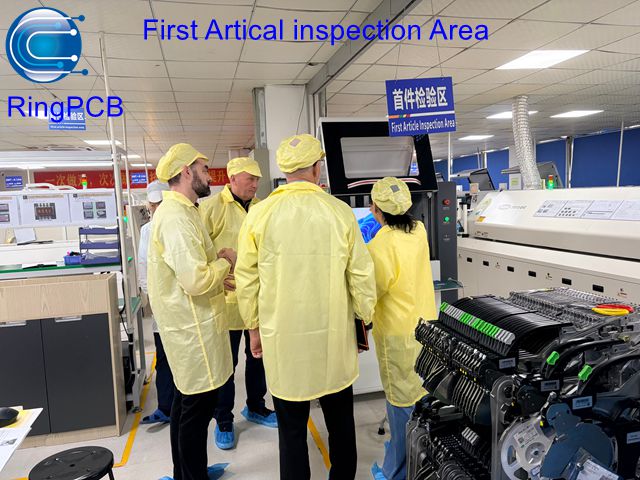
This may include checking component values, polarity, connector orientation, solder quality, and selected electrical characteristics.
For example, an industrial monitoring board may require confirmation of sensor interfaces and communication connections.
Identifying a systematic setup error early can prevent the same issue from affecting additional boards.
Therefore, first-article verification should be considered an important manufacturing control rather than an unnecessary delay.
Match Testing Methods to Product Requirements
Different PCBA products require different inspection and testing strategies.
Automated optical inspection can identify many visible assembly defects, while X-ray inspection may be appropriate for hidden BGA solder joints.
Electrical or functional testing can help verify selected circuit functions.
However, test coverage depends on the board design, available access points, and agreed manufacturing scope.
For medical electronics and automotive applications, additional quality-management requirements may apply.
Ring PCB reports ISO 9001, ISO 13485, and IATF 16949 certifications within its quality-management framework, supporting manufacturing processes for customers with specialized industry requirements.
Nevertheless, product-specific compliance and testing requirements must be confirmed for each project.
Coordinate Small-Batch Production and Delivery
Low-volume customers often need rapid manufacturing without committing to excessive inventory.
Ring PCB offers PCB prototyping in as little as 3 days and PCB/PCBA production schedules as short as 7 days for qualifying projects.
Actual schedules depend on board complexity, component availability, order quantity, and testing requirements.
For urgent projects, early BOM verification and engineering approval can help determine whether the requested schedule is achievable.
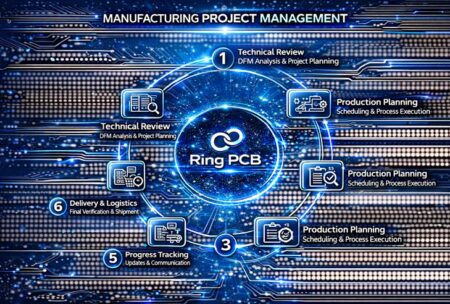
A coordinated production plan also reduces unnecessary handoffs between PCB fabrication and assembly.
Maintain Consistency Across Repeat Orders
Many industrial electronics products remain in production for several years.
Consequently, repeat orders should reference approved BOM revisions, PCB fabrication files, assembly instructions, and inspection criteria.
If a component becomes obsolete, an alternative should be reviewed before manufacturing.
Similarly, changes to PCB surface finish or component packaging may affect assembly requirements.
Controlled documentation helps maintain consistent quality across separate production batches.
It also supports more efficient communication between OEM engineering teams and manufacturing suppliers.
Full-Turnkey Low Volume PCB Assembly With Ring PCB
Reliable low-volume PCBA manufacturing requires more than placing components on a circuit board.
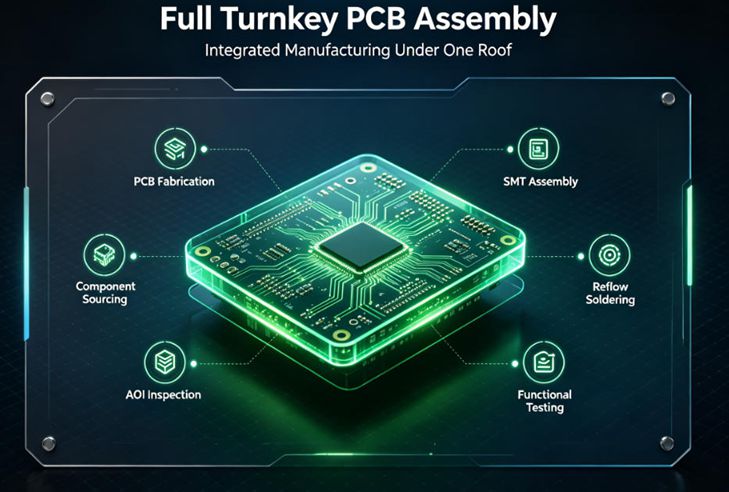
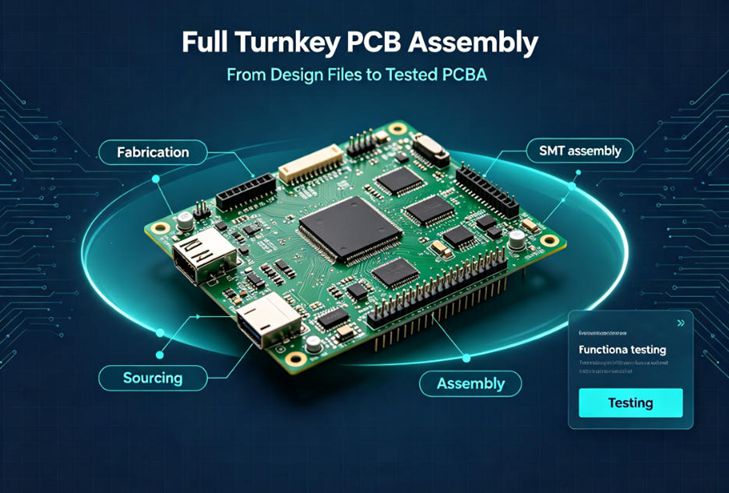
Ring PCB integrates PCB fabrication, component sourcing, SMT assembly, through-hole assembly, inspection, and related testing services.
Its reported certifications include UL, ISO 9001, ISO 14001, ISO 13485, and IATF 16949, reflecting its commitment to quality management and industry-specific manufacturing requirements.
For OEMs developing industrial controllers, communication electronics, IoT devices, and specialized electronic products, these capabilities support coordinated manufacturing from prototype evaluation to repeat production.
Share your BOM, Gerber files, placement data, assembly requirements, and expected quantities with Ring PCB at rfq@ringpcb.com.
References
- Global Electronics Association. North American EMS Orders Outpace Shipments in August as Bookings Rise 53.5% Year-Over-Year. October 2026.
- IPC. IPC-A-610, Acceptability of Electronic Assemblies.
- IPC. J-STD-001, Requirements for Soldered Electrical and Electronic Assemblies.
- Ring PCB. https://www.ringpcb.com/