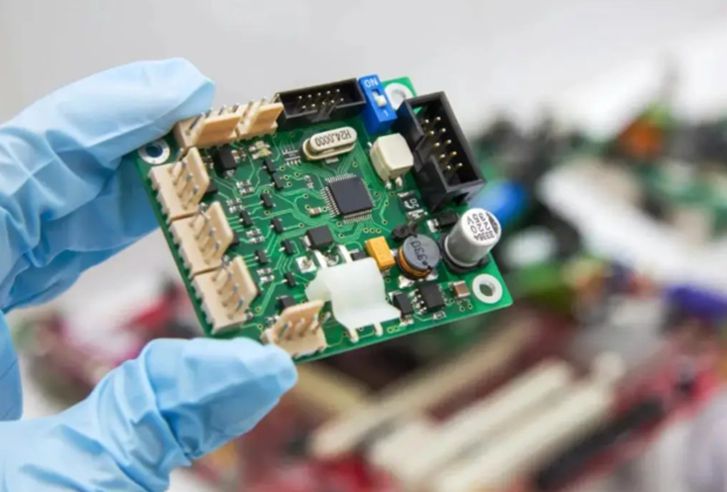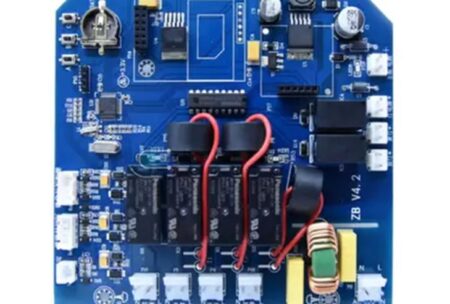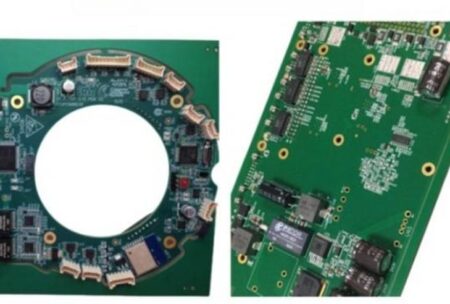
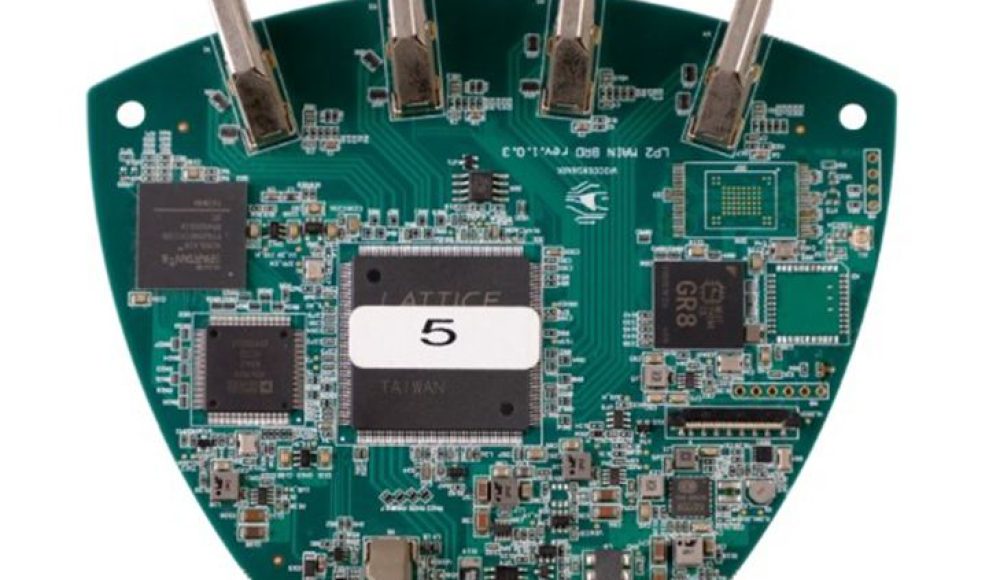
SMT PCB Assembly plays an important role in automotive electronics, where circuit boards must support reliable electrical performance, compact designs, and demanding operating conditions. If you are developing an electronic control unit, battery management system, or vehicle sensor, choosing the right manufacturing partner can help you manage production quality, component sourcing, and delivery schedules. However, automotive projects often involve complex PCB designs, strict quality requirements, and multiple manufacturing stages.
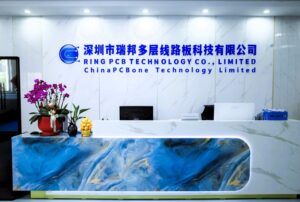
Ring PCB, a PCB and PCBA manufacturer founded in Shenzhen, China, in 2008, provides PCB fabrication, surface-mount technology (SMT) assembly, through-hole assembly, component sourcing, and testing services. With an approximately 10,000-square-meter manufacturing facility and a team of 500 employees, Ring PCB supports projects from rapid prototyping to mass production.
What Is SMT PCB Assembly for Automotive Applications?
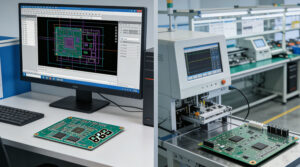
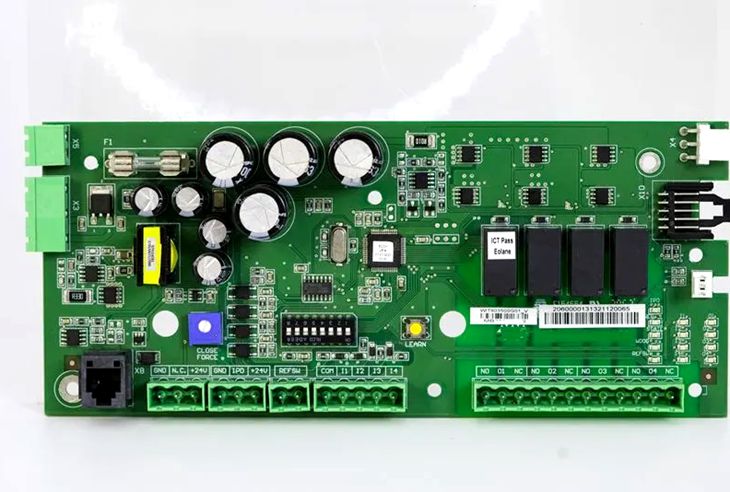
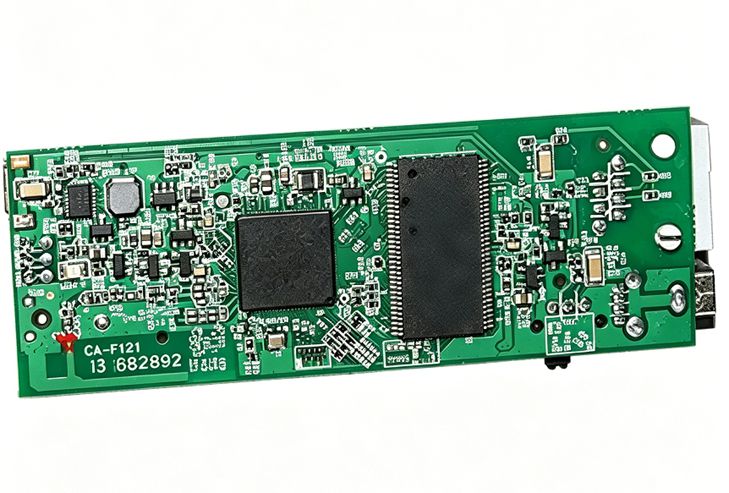
SMT PCB Assembly is a manufacturing process that mounts electronic components directly onto the surface of a printed circuit board. Compared with manual assembly methods, SMT supports efficient production of compact electronic circuits and helps manufacturers handle complex component layouts.
In automotive applications, SMT assembly can support electronic systems such as:
-
Engine control units (ECUs): Process signals and support engine management functions.
-
Battery management systems (BMS): Monitor battery conditions and support battery protection.
-
Advanced driver assistance systems (ADAS): Support electronic control and sensor-related functions.
-
Automotive sensors: Process signals from pressure, temperature, radar, and other sensing devices.
-
Infotainment and lighting modules: Integrate control circuits into vehicle electronic systems.
Your PCB design, component selection, and testing requirements will depend on the intended application. Therefore, define the operating environment and performance requirements before requesting a manufacturing quotation.
Key Requirements for Automotive SMT PCB Assembly
Automotive electronics face more demanding conditions than many consumer electronic products. You should evaluate the following factors when selecting an automotive PCBA manufacturer.
1. Temperature and Environmental Resistance
Vehicle electronics may experience temperature fluctuations, vibration, humidity, and electrical interference. Ring PCB lists FR4, High-Tg FR4, Rogers, polyimide, and aluminum among its PCB material options.
Select materials and components according to your design requirements and the actual operating environment. For applications requiring a wide temperature range, confirm the suitability of the complete assembly rather than evaluating the PCB material alone.
2. Quality Control and Inspection
Automotive electronics require controlled manufacturing processes and appropriate inspection procedures. Ring PCB holds IATF 16949, ISO 9001, ISO 14001, and ISO 13485 certifications, supporting its quality management capabilities across relevant manufacturing activities.
Its listed inspection methods include:
-
Electrical testing (E-test)
-
Automated optical inspection (AOI)
-
X-ray inspection
Discuss your inspection coverage, traceability requirements, and applicable automotive validation standards before production begins.
3. Compact Designs and Signal Integrity
As automotive electronic systems integrate more functions into limited space, PCB layout and assembly precision become increasingly important. Your engineering team should review component spacing, routing, thermal management, and electromagnetic compatibility before approving the design for manufacturing.
SMT PCB Assembly vs. Standard PCB Assembly
The appropriate assembly process depends on your product’s operating environment, quality requirements, and production volume.
| Comparison | Standard PCB Assembly | Automotive SMT PCB Assembly |
|---|---|---|
| Typical applications | Consumer and general industrial electronics | ECUs, BMS, vehicle sensors, ADAS |
| Component selection | Based on application requirements | May require automotive-qualified components |
| Environmental requirements | Depends on the product | Often includes temperature and vibration requirements |
| Quality management | Based on industry and customer needs | May require automotive-specific controls and traceability |
| Testing | Based on design and application | May include additional reliability and environmental validation |
| Production planning | Prototype to mass production | Prototype to mass production with application-specific controls |
Automotive assembly does not automatically require the same tests for every product. You should define applicable standards and validation requirements according to the vehicle system and customer’s specifications.
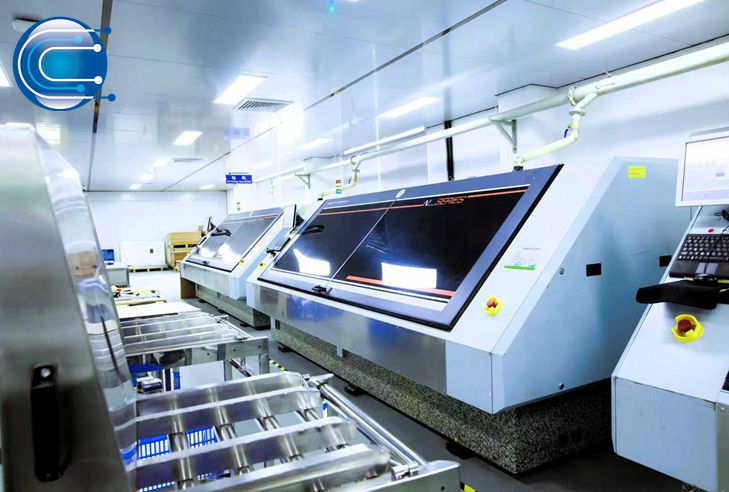
How Ring PCB Supports Custom Automotive PCBA Projects
Ring PCB combines PCB fabrication and assembly capabilities to support customers that need a coordinated manufacturing process. The company reports production capacity of approximately 50,000 m² of bare PCBs per month and the ability to handle up to 500 PCBA projects monthly.
Its manufacturing capabilities include PCBs with up to 62 layers across its product range. For the automotive PCBA offering described on this page, listed configurations include 2–16 layers, with customization subject to design review.
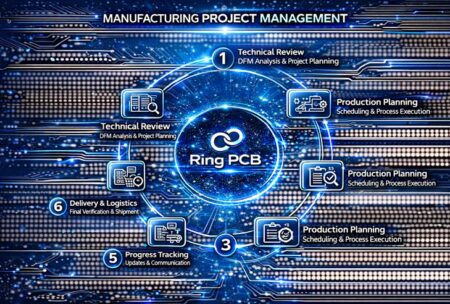
A Step-by-Step SMT PCB Assembly Process
Follow these steps to prepare your automotive electronics project for manufacturing.
-
Submit your design files. Provide Gerber files, BOM, pick-and-place files, assembly drawings, and relevant specifications.
-
Review materials and components. Confirm PCB materials, component availability, package types, and any automotive-grade component requirements.
-
Confirm the manufacturing plan. Review PCB fabrication, SMT placement, through-hole assembly, and any required special processes.
-
Build and inspect prototypes. Evaluate the assembled boards against your design requirements and agreed inspection criteria.
-
Validate and scale production. Approve the prototype before moving into volume manufacturing, with suitable quality controls and testing plans.
Ring PCB offers a stated three-day rapid prototyping lead time for certain projects. Actual delivery depends on design complexity, component availability, order quantity, and testing requirements, so confirm the schedule for your specific project.
Why Choose Ring PCB for SMT PCB Assembly?
When you need a manufacturing partner for automotive electronics, consider production capacity, quality systems, engineering support, and service scope together.
Ring PCB offers:
-
Integrated manufacturing: PCB fabrication, component sourcing, SMT assembly, through-hole assembly, and testing services.
-
Manufacturing capacity: An approximately 10,000 m² facility supported by 500 employees.
-
Quality certifications: IATF 16949, ISO 9001, ISO 14001, and ISO 13485.
-
Prototype and production support: Services covering early-stage prototypes through mass production.
-
International customer support: Experience serving more than 3,000 clients across over 50 countries, according to company information.
These capabilities can help you coordinate manufacturing activities through one supplier. Before placing an order, confirm the exact service scope, project-specific certifications, testing coverage, and delivery commitments.
FAQ
1. How quickly can Ring PCB manufacture an SMT PCB prototype?
Ring PCB lists a three-day rapid prototyping lead time for certain projects. The actual turnaround depends on PCB complexity, component sourcing, assembly requirements, and order specifications.
2. Does Ring PCB provide turnkey automotive PCB assembly?
Yes. Ring PCB offers PCB fabrication, component sourcing, SMT and through-hole assembly, testing, and quality control services. Confirm which services and inspections are included in your quotation.
3. What information should you provide for an automotive PCBA quotation?
Prepare your Gerber files, BOM, assembly drawings, expected quantity, operating requirements, and required certifications or testing standards. These details help the engineering team assess feasibility, cost, and lead time.
Conclusion
Choosing the right SMT PCB Assembly partner helps you coordinate PCB fabrication, component sourcing, assembly, and testing for automotive electronic applications. Ring PCB combines an approximately 10,000 m² manufacturing facility, 500 employees, integrated PCB and PCBA services, and IATF 16949 certification to support projects from prototype development to mass production. By defining your technical requirements and validation standards early, you can make more informed manufacturing decisions and prepare your automotive electronics project for production.
Request a Custom Automotive PCBA Quote: Contact Ring PCB to discuss your PCB design, component requirements, target production volume, and testing specifications. Our team can help you evaluate manufacturing feasibility, pricing, and lead time.