With the rapid expansion of industrial automation, renewable energy storage, electric vehicle charging and high-power industrial equipment, electronic systems are continuously moving toward higher current density and higher power density. Standard 1oz–2oz copper PCBs can no longer meet the requirements of large current transmission, stable heat dissipation and long-term heavy-load operation. Custom heavy copper PCB manufacturing has become an indispensable technical foundation for modern high-current power electronic equipment. This article analyzes the latest industry development trends, core application advantages, and professional manufacturing standards for heavy copper PCBs.
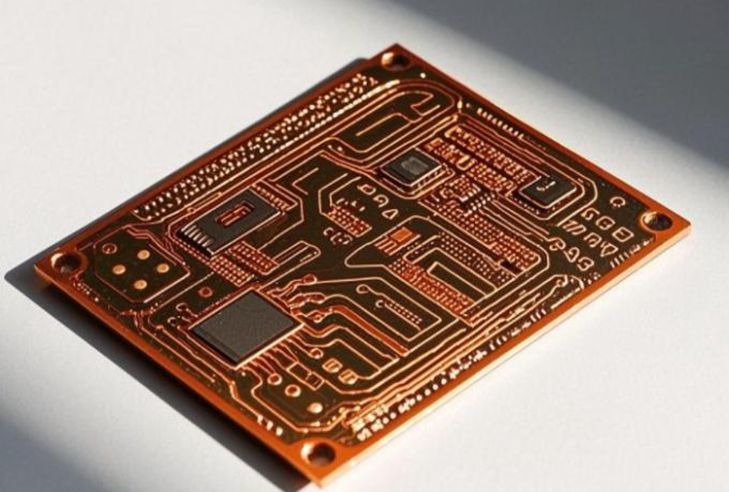
1. Industry Trend: Rapid Expansion of the Heavy Copper PCB Market
First of all, the global heavy copper PCB market maintains steady high-speed growth driven by high-current application demands. According to 2026 market research data, the global heavy copper PCB market size reached USD 2.73 billion in 2026, and is projected to grow at a CAGR of 7.68% through 2035, significantly outpacing the growth rate of the overall traditional PCB market.
Furthermore, industrial power control, new energy and automotive electronics account for more than 70% of heavy copper PCB demand. 58% of industrial power module designs have adopted 3oz+ heavy copper structures to adapt to high-current operating scenarios. As global industrial electrification and new energy construction continue to advance, the demand for customized heavy copper PCBs with higher current carrying capacity and better thermal performance will continue to rise.
2. Technical Bottlenecks of Standard PCBs in High-Current Scenarios
To understand the necessity of heavy copper PCBs, we first need to clarify the core limitations of ordinary thin-copper circuit boards in high-current applications. Above all, thin copper traces have limited current carrying capacity. When transmitting large currents, excessive resistance will generate a large amount of Joule heat, causing the board temperature to rise sharply. Industry data shows that every 10°C rise in operating temperature will reduce the service life of power semiconductors by about 50%, directly affecting the overall stability and service life of the equipment.
In addition, thin copper traces cause obvious voltage drop, reducing power conversion efficiency and increasing long-term energy consumption. Under frequent thermal cycling and mechanical vibration environments, ordinary PCBs are also prone to trace delamination, solder joint fatigue and open circuit failures, which cannot meet the 5–10 year service life requirements of industrial power equipment.
3. Core Advantages of Custom Heavy Copper PCB Manufacturing
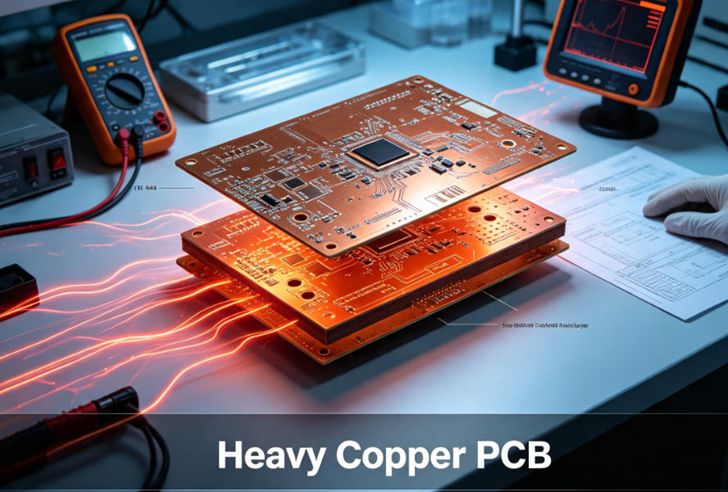
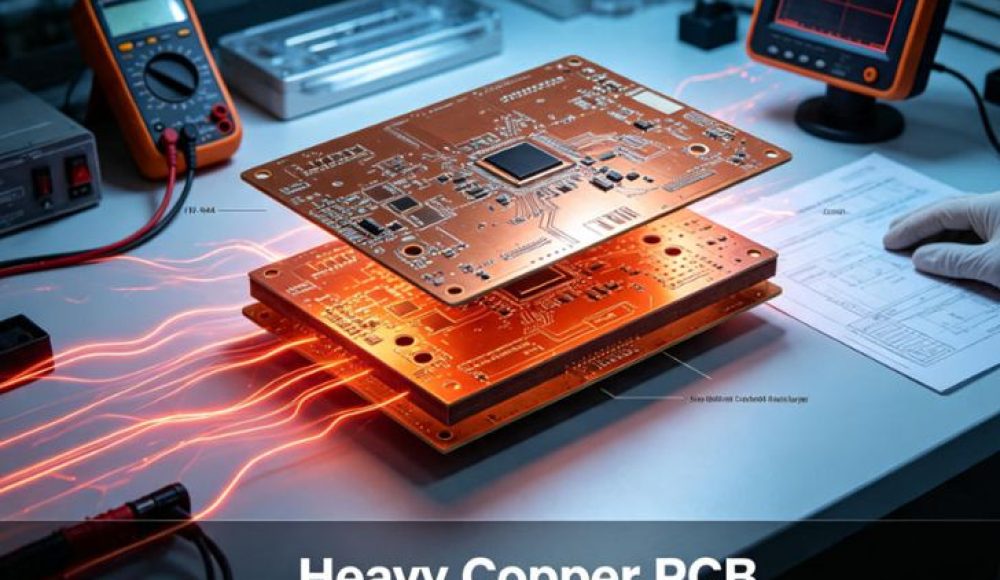
Compared with standard off-the-shelf PCBs, custom heavy copper PCB manufacturing provides targeted optimization for high-current scenarios, bringing three core technical values. First, it provides ultra-high current carrying capacity. Customized copper thickness ranging from 3oz to 12oz can be flexibly configured according to the customer’s peak and continuous current requirements, effectively reducing line resistance and avoiding overheating caused by overload. For industrial inverters, energy storage BMS and high-power motor drive systems, this is the core guarantee for stable power output.
Second, it significantly improves thermal management performance. The thermal conductivity of copper is more than 10 times that of ordinary FR-4 substrates, and thick copper layers can be used as efficient heat dissipation channels to quickly conduct and diffuse heat generated by high-power components such as IGBTs and MOSFETs. Practical application data shows that a reasonable heavy copper layout can reduce the operating temperature of the board by 20%–30%, greatly reducing the dependence on bulky external heat sinks and helping to achieve compact equipment design.
Third, customized manufacturing achieves scenario-based adaptive optimization. Professional manufacturers can adjust parameters such as copper thickness distribution, trace width design, layer stackup structure and substrate material selection according to the specific working conditions of the customer’s equipment, perfectly matching the needs of different high-current scenarios and avoiding the performance limitations of universal standard boards.
4. Professional Manufacturing Capability Determines Product Reliability
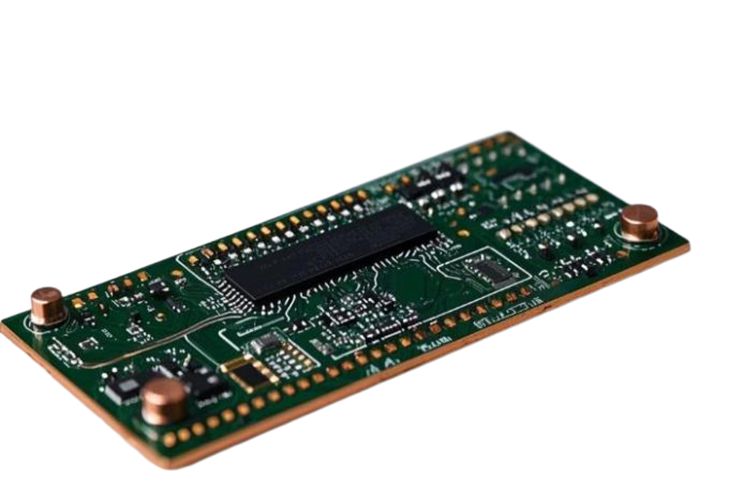
Heavy copper PCB production has high technical barriers, and precision etching, lamination alignment and surface treatment control are far more difficult than ordinary PCB production. Unprofessional manufacturing will lead to problems such as trace distortion, insufficient copper thickness and interlayer delamination, bringing huge hidden dangers to high-current operation.
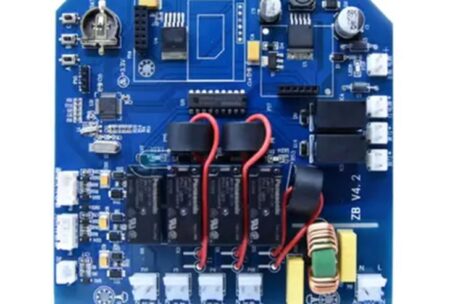
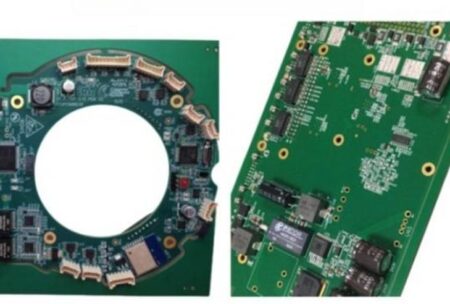
Ring PCB specializes in custom heavy copper PCB manufacturing and supporting turnkey PCBA services for high-current power systems. With 18 years of technical accumulation and a 10,000-square-meter self-owned standardized factory, we stably produce heavy copper PCBs with 3oz to 12oz copper thickness, widely used in industrial inverters, energy storage power supplies, EV charging modules and other high-current equipment.
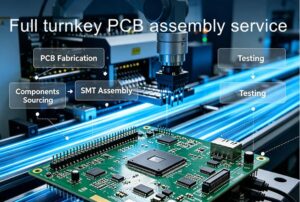
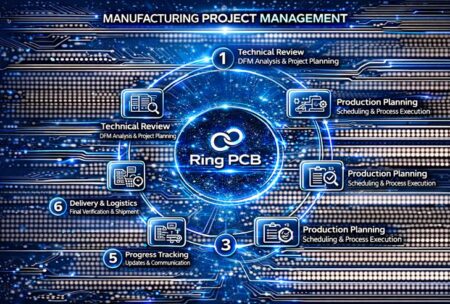
All products are manufactured in strict accordance with IPC Class 3 industrial standards, and have passed ISO9001, IATF16949 and UL certifications, fully meeting the reliability requirements of harsh industrial operating environments. Our professional engineering team provides free DFM optimization services before production, helping customers optimize trace layout and thermal design to avoid current overload and heat accumulation risks. Supported by full-process AOI optical inspection, electrical testing and high-current load verification, we ensure that every heavy copper PCB maintains stable performance during long-term heavy-load operation. We also provide supporting SMT assembly and component sourcing services, providing customers with one-stop heavy copper PCBA solutions.
Conclusion
Overall, custom heavy copper PCB manufacturing is the core technical foundation for the stable, efficient and long-term operation of modern high-current power systems. With the continuous upgrading of industrial electrification and new energy industries, customized heavy copper solutions will become the standard configuration for high-end power electronic equipment.
If you have custom heavy copper PCB or PCBA manufacturing needs for high-current power equipment, please send your Gerber files, BOM list and technical specifications to rfq@ringpcb.com. Our professional technical team will provide free DFM analysis and a competitive customized quotation within 24 working hours.