Introduction
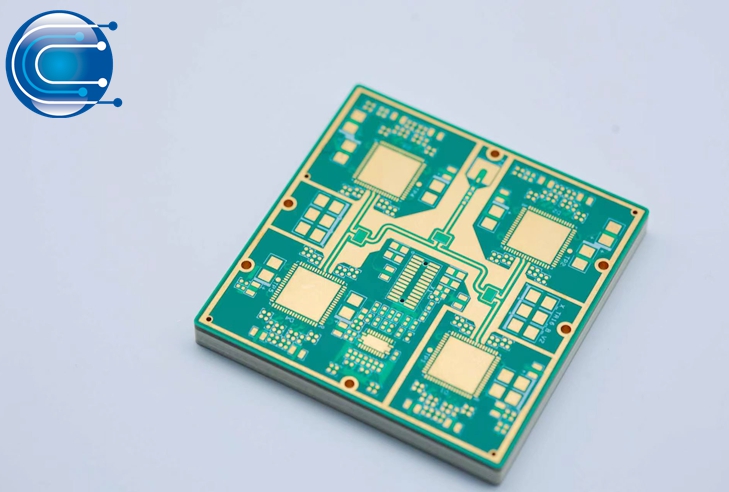
As power electronics demand continues to grow, many OEMs struggle with a classic scaling pain point: prototypes built on heavy copper PCB work well, but mass production yields drop significantly. Supply chain volatility in 2026, including copper price fluctuation and limited specialty laminate capacity, makes this transition even harder. Separate PCB factories and assembly houses often fail to keep consistent process parameters from prototype to mass run. A complete EMS solution, however, creates a unified process baseline that carries heavy copper PCB specifications through the whole product lifecycle. This lifecycle consistency is the core advantage B2B buyers prioritize when selecting manufacturing partners this year.
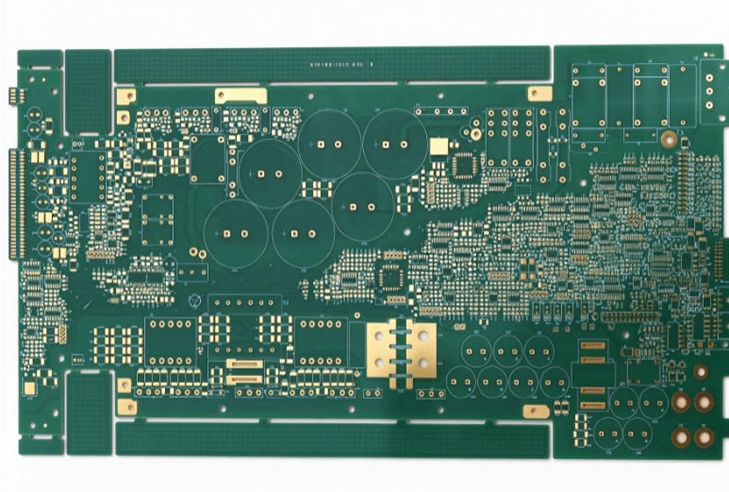
The Gap Between Heavy Copper Prototype and Mass Production
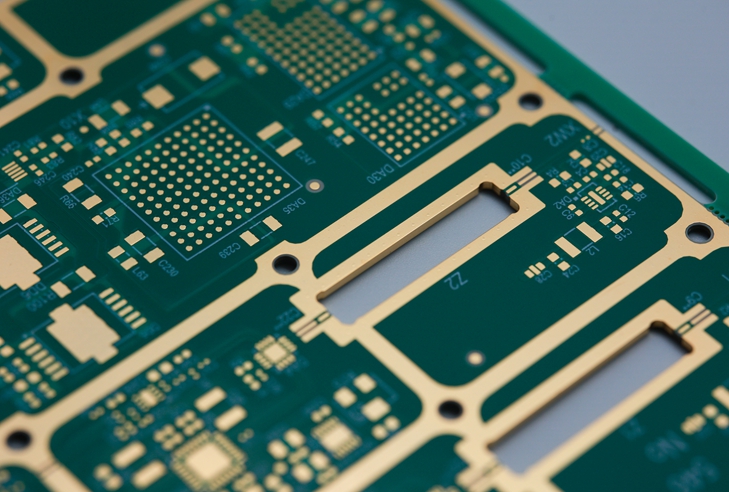
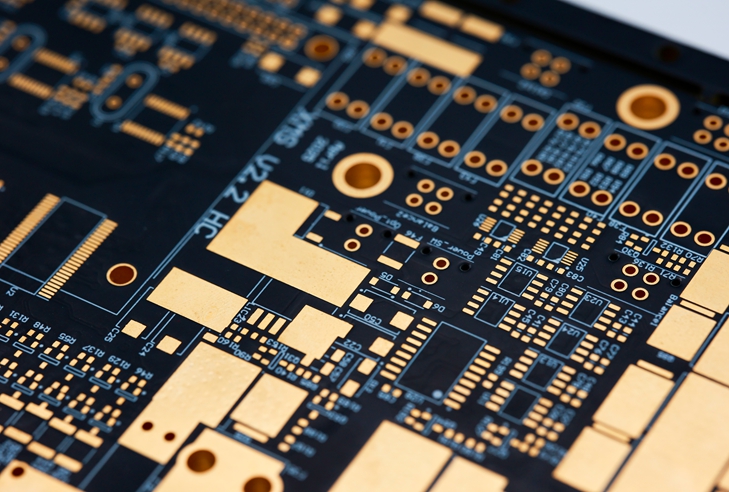
Prototype heavy copper PCB batches usually receive extra manual attention, while mass production relies on stable, repeatable processes. Many process variables become amplified at scale: lamination pressure cycles, etching compensation, solder paste stencil design, reflow thermal profiles and panel layout. If the prototype supplier and mass EMS supplier are different, process parameters are not fully transferred. Even the same Gerber file may produce boards with different flatness, copper definition and solder joint quality. Meanwhile, material availability is another big challenge. High-Tg FR4 and thick copper foil are subject to allocation, so uncoordinated sourcing can create long lead-time gaps after prototype validation.
In addition, documentation control is easily overlooked. Heavy copper PCBA requires special work instructions for THT power component crimping, torque control and cleaning. Without standardized documents handed down from prototype testing, mass production teams may deviate from validated procedures. This issue is especially common for industrial energy and heavy-duty power equipment with long service life requirements.
How Full EMS Solution Ensures Consistent Scaling
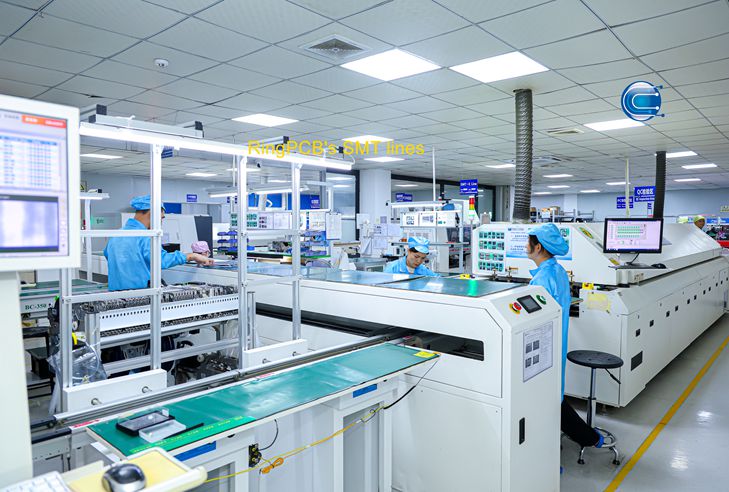
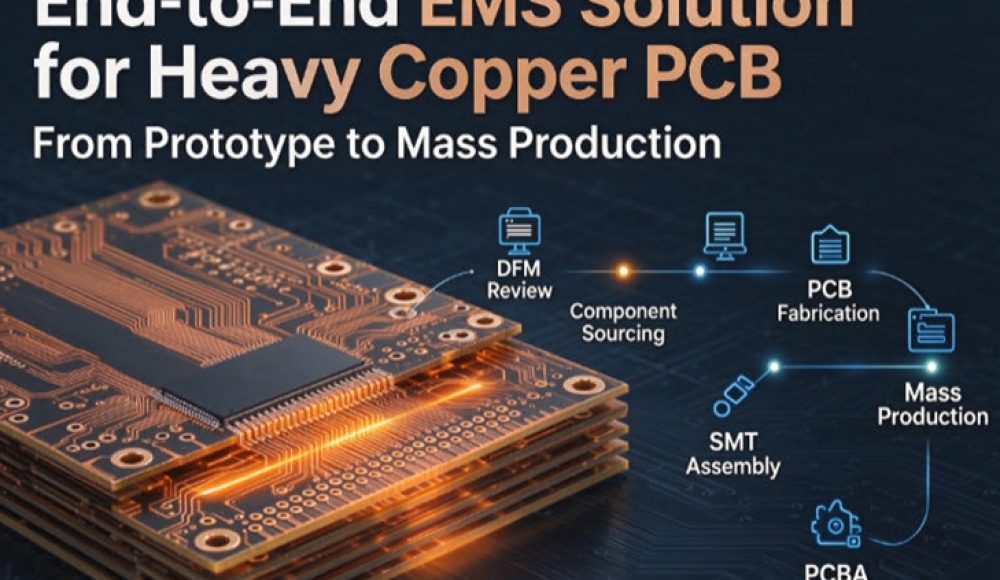
A full EMS solution unifies PCB fabrication, component procurement, SMT/THT assembly, inspection and quality documentation under one supplier. First, the process recipe validated on prototype heavy copper boards is saved as the official production baseline. Thermal profiles, stencil thickness, lamination cycles and testing limits are locked and applied to follow-up batches. Second, the EMS team manages material forecasting together: we reserve copper foil, laminates and power components in advance according to your rolling forecast, which reduces the risk of sudden material shortages. Third, panelization is optimized once for both bare PCB yield and assembly yield, avoiding rework of panel design at the assembly stage.
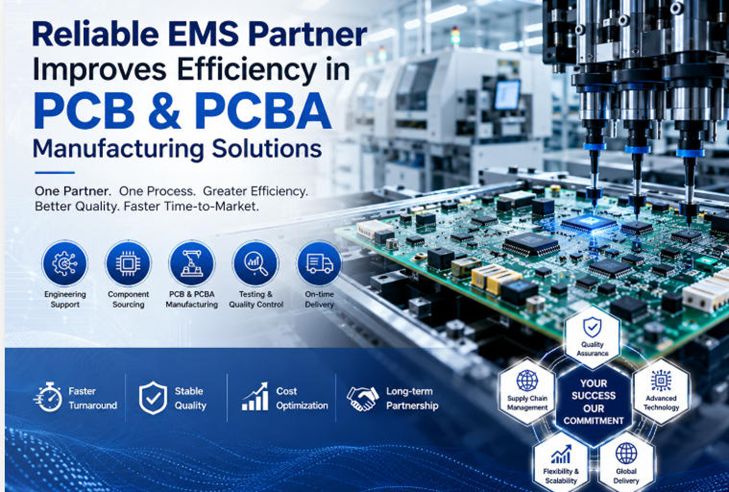
The EMS model also supports flexible order modes. You can start with small prototype batches to verify heavy copper PCB performance, then move to pilot runs, and finally scale to full volume. Design changes can be implemented rapidly, because the same engineering team understands both the PCB stackup and assembly constraints. This reduces the communication cycle and revision cost.
Sustainability and Cost Optimization for Long-Term Cooperation
In addition to yield and lead time benefits, modern EMS providers also help customers optimize cost structure over the long run. Instead of over-specifying copper weight or material grade, the EMS team conducts tradeoff analysis: balancing copper thickness, thermal performance and total BOM cost. For example, recommending local heavy copper regions instead of full-layer thick copper can cut material cost while meeting current and thermal requirements. Many industrial OEMs also benefit from centralized quality reporting, batch traceability and after-sales technical support available from a single EMS partner.
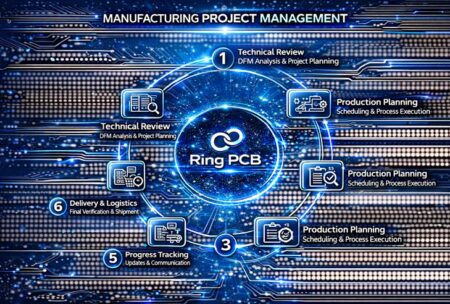
Ring PCB provides a full lifecycle EMS solution tailored for heavy copper PCB projects. Our team locks process parameters at the prototype phase and maintains identical standards when scaling to mass production. We support copper thickness from 2oz to 12oz, mixed signal-power stackups, and full PCBA testing for industrial power, renewable energy and EV power systems. Our service covers DFM review, component sourcing, fabrication, assembly and final inspection, helping you avoid fragmentation across multiple vendors. Whether you are preparing a new prototype or planning mass production of heavy copper PCBA, send your project details to rfq@ringpcb.com for a detailed quotation.