Introduction
The rapid iteration of smart robotics and industrial IoT in 2026 has completely reshaped the standards for device data transmission. Unlike early-generation intelligent robots that only supported simple movement and single-point signal feedback, modern AMRs, collaborative cobots, and intelligent service robots rely on real-time multi-sensor fusion, high-definition video transmission, cloud fleet scheduling, and low-latency remote control. According to the latest global industrial electronics industry data, over 58% of new-generation smart robot R&D upgrades focus on optimizing data transmission efficiency, while transmission delay and bandwidth bottlenecks have replaced mechanical failures as the top cause restricting robot intelligent iteration.
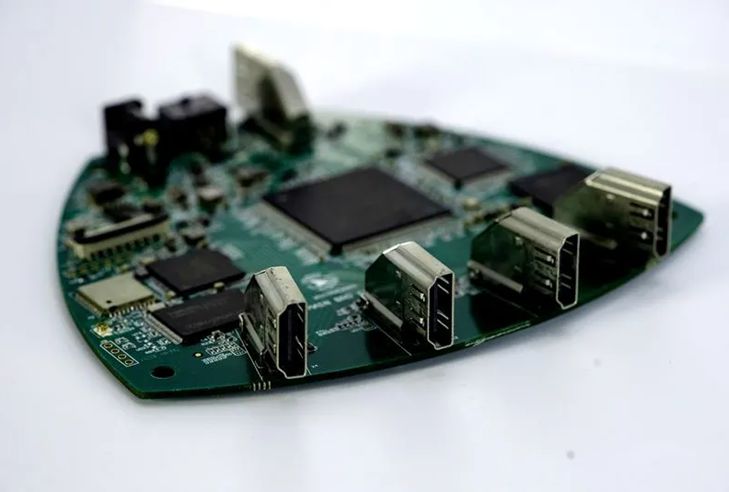
At the core of robot network iteration lies high speed communication PCBA. Ordinary industrial communication PCBA can no longer meet the massive data processing demands of multi-camera vision recognition, LiDAR positioning, and real-time cloud interaction. High speed communication PCBA, with optimized high-frequency circuit design, stable broadband transmission performance and anti-interference layout, has become the standard hardware configuration for mid-to-high-end smart robot networking systems. This blog explores the core value, technical principles, industry standards and application advantages of high speed communication PCBA in smart robot scenarios, combining 2026 industry trends and practical engineering verification data.
1. Why Smart Robots Mandate High Speed Communication PCBA
The fundamental difference between traditional communication PCBA and high speed communication PCBA lies in bandwidth carrying capacity and transmission real-time performance. Traditional low-speed communication boards are only suitable for simple signal transmission such as switch control and single-sensor data feedback, with high delay and poor anti-jamming capability. However, modern smart robot operating scenarios put forward extremely strict requirements on communication hardware.
Industry test data shows that a single industrial AMR robot needs to process more than 300MB of integrated data per second, including panoramic camera streaming, laser radar point cloud data, temperature and humidity sensing signals, and motion attitude feedback. Ordinary communication PCBA will cause data congestion, frame loss and transmission delay under high-load operation, directly leading to robot navigation deviation, obstacle recognition failure and fleet scheduling disorder.
In addition, smart robots work in complex industrial environments with strong electromagnetic interference from motors, inverters and automated equipment. High speed communication PCBA adopts professional high-frequency impedance matching, signal shielding and differential wiring design, which can maintain stable high-speed transmission in harsh interference environments. Statistical data from 2026 industrial robot field tests shows that robots equipped with high-speed communication PCBA reduce data transmission error rates by 81% and control response delay to less than 10ms, greatly improving operational accuracy and stability.
2. Core Technical Advantages of High Speed Communication PCBA for Robot Networking
High speed communication PCBA is professionally optimized for high-frequency, high-bandwidth and low-latency transmission scenarios, with multiple core technical advantages that perfectly fit smart robot networking needs:
-
High-frequency optimized circuit layout: Adopts precise impedance control and differential pair wiring technology, effectively avoiding high-frequency signal attenuation and crosstalk. It supports stable transmission of high-bandwidth data such as 4K video streaming and LiDAR point cloud, ensuring no data loss during robot high-speed movement and dynamic operation.
-
Multi-channel parallel high-speed interface design: Equipped with high-speed USB 3.0, expanded industrial Ethernet and high-rate serial bus interfaces, supporting simultaneous access to multiple high-precision sensors and vision devices. It realizes parallel transmission of multi-source massive data, solving the bandwidth bottleneck of single-channel low-speed communication boards.
-
Enhanced anti-interference and stability: Optimizes the separation design of power supply, signal and radio frequency circuits, and adds professional shielding structures. It resists electromagnetic interference from robot drive motors and industrial equipment, ensuring continuous and stable high-speed data transmission in 24/7 working mode.
-
Highly compatible scalable architecture: Reserved upgrade space for communication bandwidth and interface expansion, compatible with robot OTA firmware upgrades, cloud big data interaction and multi-robot fleet collaborative scheduling, meeting the iterative upgrade needs of long-term robot intelligent functions.
3. Standard Technical Specifications of Industrial-Grade High Speed Communication PCBA
Combined with mainstream 2026 smart robot design standards, the following parameter benchmarks have become the universal manufacturing specifications for high speed communication PCBA in industrial robot networking scenarios:
|
Item
|
Technical Specifications
|
|
PCB Layer Configuration
|
2–18 layers high-precision rigid PCB, high-frequency stack-up optional
|
|
High-Speed Interface
|
USB 3.0 high-speed channel, Gigabit Ethernet, high-rate UART/CAN bus
|
|
Signal Transmission Delay
|
Stable control within 10ms, no frame loss under high load
|
|
Effective Bandwidth
|
Supports GB-level high-speed data real-time transmission
|
|
Applicable Materials
|
High-Tg low-CTE substrate, high-frequency specialized material
|
|
Working Environment
|
-40℃ ~ +85℃ wide temperature, anti-vibration and anti-interference
|
|
Reliability Standard
|
IPC Class 3 industrial grade, ISO/IATF16949 compliant
|
|
Continuous Working Life
|
50,000+ hours stable high-speed transmission operation
|
4. Main Application Scenarios of High Speed Communication PCBA in Smart Robotics
With the continuous upgrading of robot intelligent functions, high speed communication PCBA has covered almost all high-precision and high-intelligence robot application scenarios, becoming the core guarantee for robot intelligent operation:
-
Industrial AMR Fleet Robots: Supports real-time transmission of high-precision positioning data and multi-robot collaborative scheduling signals, ensuring efficient and error-free operation of factory logistics and handling fleets.
-
Vision-Enabled Collaborative Cobots: Realizes high-speed transmission of assembly vision scanning data and real-time feedback of action instructions, improving the precision and efficiency of automated production operations.
-
Intelligent Inspection Robots: Transmits real-time high-definition monitoring videos and environmental detection data, supporting remote high-precision judgment and fault analysis.
-
Commercial Service Robots: Ensures low-latency interaction of human-computer dialogue, screen display and remote background management, optimizing user interaction experience.
-
Industrial IoT Smart Gateways: Completes high-speed convergence and transmission of multi-device heterogeneous data, supporting intelligent data analysis and platform management of smart factories.
5. 2026 Industry Development Trend of High Speed Communication PCBA
As robot AI algorithms and multi-sensor fusion technology continue to mature, the industry’s demand for communication PCBA is shifting from “stable transmission” to “ultra-high speed, low delay and high security”. In 2026, major robot OEMs have successively upgraded their hardware standards, eliminating low-speed communication boards and fully popularizing high-speed communication solutions.
In addition, customized high-speed communication PCBA has become a mainstream trend. Standardized boards cannot meet the differentiated bandwidth and interface requirements of different types of robots. Targeted DFM optimization, high-frequency circuit customization and interface configuration adjustment can effectively improve robot communication efficiency and reduce unnecessary resource waste. At the same time, combining automotive-grade certification standards to enhance batch consistency and environmental adaptability has become a key competitive point for high-end robot communication hardware.
6. Industry Conclusion
In the intelligent era of Industry 4.0, the intelligent level of smart robots is directly limited by data transmission capability. High speed communication PCBA is no longer a supporting accessory, but a core hardware that determines robot response speed, operation accuracy and fleet collaboration efficiency. It solves the pain points of delay, frame loss and instability of traditional low-speed communication hardware, and provides solid technical support for the large-scale popularization and intelligent upgrading of industrial and commercial robots.
With the continuous improvement of industrial automation standards, high-speed, high-reliability and customizable communication PCBA will become the universal standard for smart robot networking hardware. R&D teams that prioritize high-speed communication hardware optimization will gain significant advantages in product performance iteration and market competitiveness.
Optimizing high-speed communication circuit design and selecting industrial-grade high speed communication PCBA is key to eliminating robot data transmission bottlenecks and improving overall equipment stability. In-depth understanding of high-frequency layout specifications and customized bandwidth configuration can effectively reduce delayed data transmission and equipment failure risks for smart robot and IoT hardware projects.
Submit your Gerber files, BOM and full application technical requirements via email to rfq@ringpcb.com, and Ring PCB‘s professional engineering team will provide free DFM analysis, stack-up optimization and customized quotation solutions.
Visit https://www.ringpcb.com to view more information.