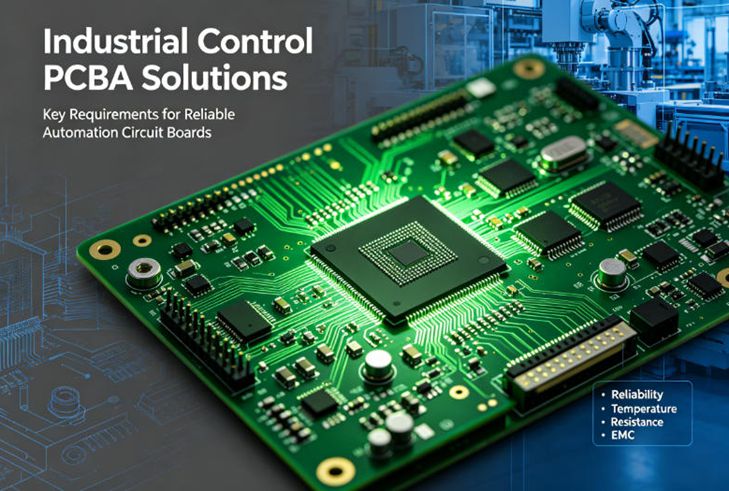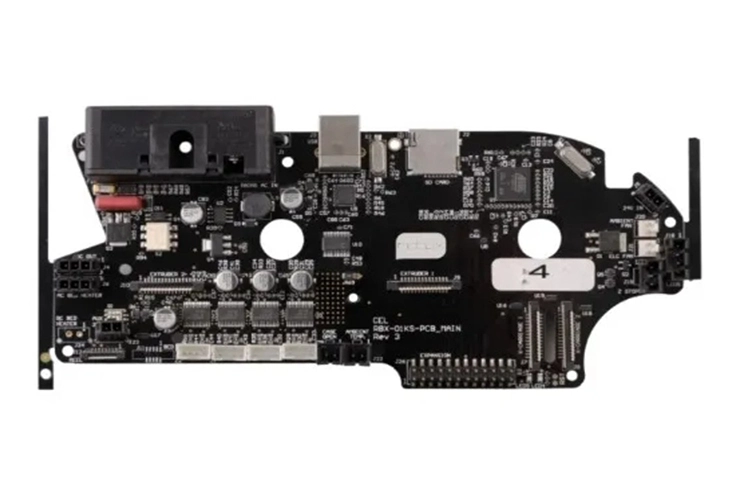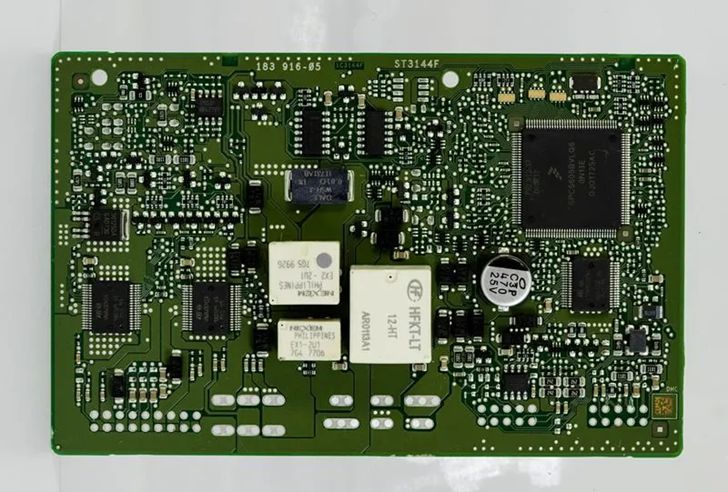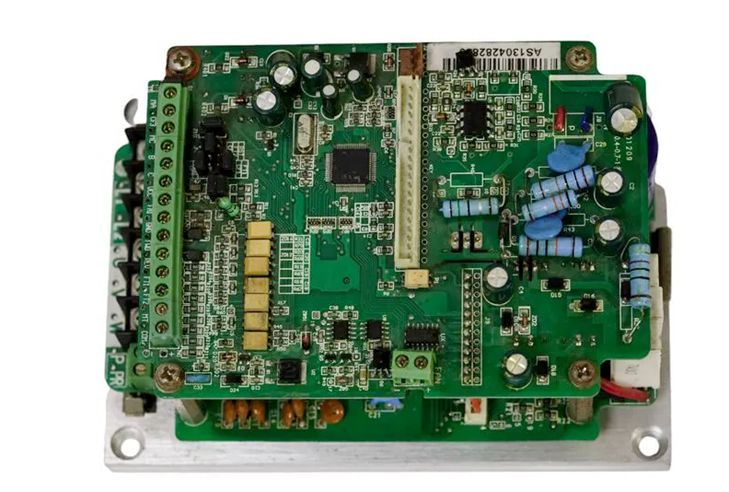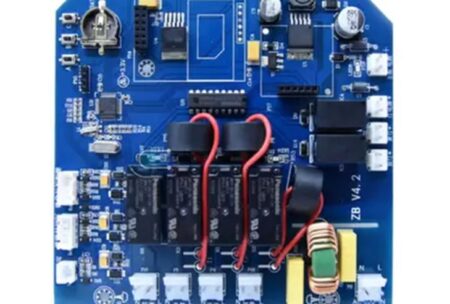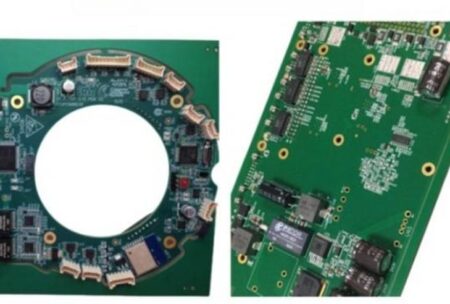
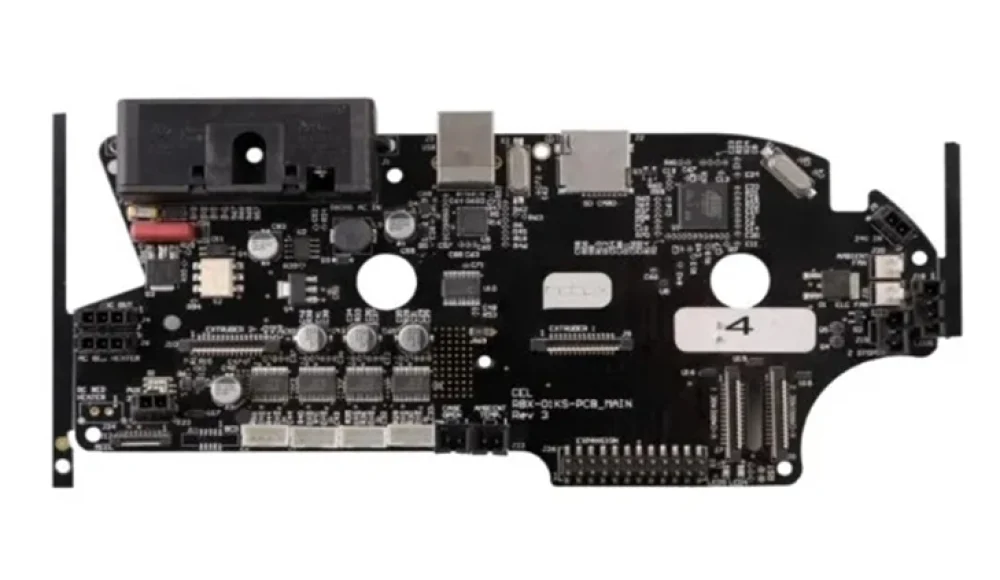
Industrial control systems are expected to operate consistently in demanding environments, often for many years. From PLC controllers and motor drives to power management units and factory automation equipment, their electronic assemblies must withstand electrical noise, temperature variation, vibration and continuous operation. A PCBA failure can interrupt production, increase maintenance costs and affect the performance of an entire machine or control system.
For OEMs, reliable industrial control PCBA manufacturing therefore involves more than assembling components onto a circuit board. PCB construction, component selection, assembly processes, inspection and production consistency all contribute to the final product’s performance.
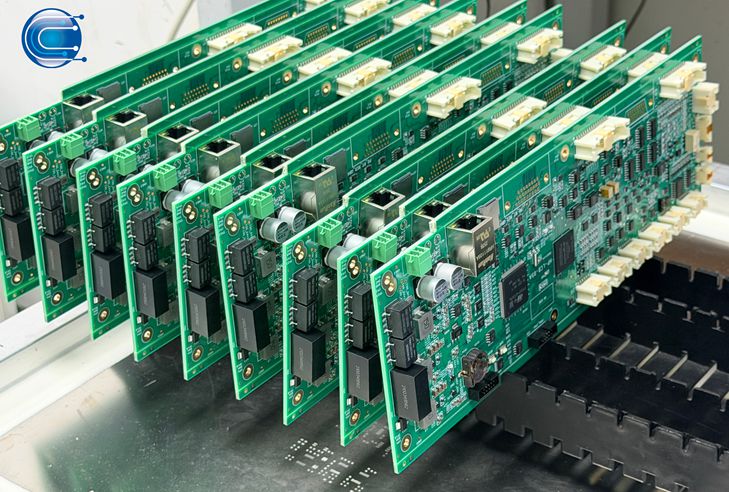
1. Why Reliability Matters in Industrial Control PCBA
Unlike some consumer electronics, industrial control products may remain in service for extended periods. Equipment manufacturers need assemblies that deliver stable performance throughout the expected product lifecycle, even when operating conditions are less than ideal.
Common challenges include:
- Electrical noise and interference: Switching power supplies, motors, relays and other equipment can create electrical noise that affects sensitive control circuits.
- Temperature variation: Power components and continuously operating circuits may generate heat, while the surrounding environment can expose assemblies to changing temperatures.
- Mechanical stress: Vibration and shock can affect solder joints, connectors and mechanically sensitive components.
- Long product lifecycles: Industrial equipment may require replacement boards and spare parts long after the original production run.
- Consistent production quality: Differences between prototype and mass-production assemblies can create reliability and maintenance problems.
These requirements should be considered before production begins. A manufacturing partner needs to understand the application, operating environment and technical requirements rather than treating every industrial control board as a standard assembly job.
2. PCB Construction and Material Considerations
The PCB provides both the electrical connections and the mechanical foundation for an electronic assembly. Its construction must be suitable for the board’s electrical, thermal and mechanical requirements.
For industrial control applications, important considerations include:
Layer count and stackup: Multilayer PCBs may be required when a board contains dense control circuitry, power sections or multiple signal layers. A suitable stackup helps organize signal routing and power distribution while supporting the required electrical performance.
Copper weight and current capacity: Power circuits and high-current paths require appropriate conductor dimensions and copper thickness. The selection should account for operating current, temperature rise and available board space.
Material selection: Base material should be selected according to operating temperature, electrical characteristics, mechanical requirements and the intended service environment. Material selection should be based on the actual application rather than choosing a higher specification without a clear technical reason.
Hole and via reliability: Plated through-holes and vias connect different copper layers. Their quality is important for multilayer board reliability, especially where thermal cycling and long-term operation are expected.
Providing complete Gerber data and relevant technical specifications helps the manufacturing team evaluate the PCB construction and production requirements before an order is confirmed.
3. Component Selection and Supply Continuity
Component selection affects more than the initial BOM cost. It also influences assembly compatibility, operating reliability and long-term product availability.
Industrial OEMs should consider the following when preparing a BOM:
- Confirm that component ratings are suitable for the expected voltage, current and temperature conditions.
- Review package types and footprints to ensure compatibility with the PCB and assembly process.
- Identify components with long lead times or limited availability.
- Check for obsolete or end-of-life notices where long-term production is expected.
- Evaluate approved alternatives carefully instead of making substitutions based only on price or availability.
Component changes should be reviewed before implementation. Even a replacement with similar electrical specifications may have different package dimensions, thermal characteristics or assembly requirements. Any substitution should be agreed upon with the customer and assessed against the product’s technical requirements.
4. Assembly Process Control and Inspection
A reliable PCB design can still experience problems if the assembly process is inconsistent. Soldering quality, component placement, handling and inspection all influence the final PCBA.
For SMT assembly, solder paste printing, component placement and reflow soldering need to be controlled according to the component types and board requirements. Through-hole components may require wave soldering or selective soldering, depending on the assembly configuration.
Inspection methods should be selected according to the product’s risk and construction:
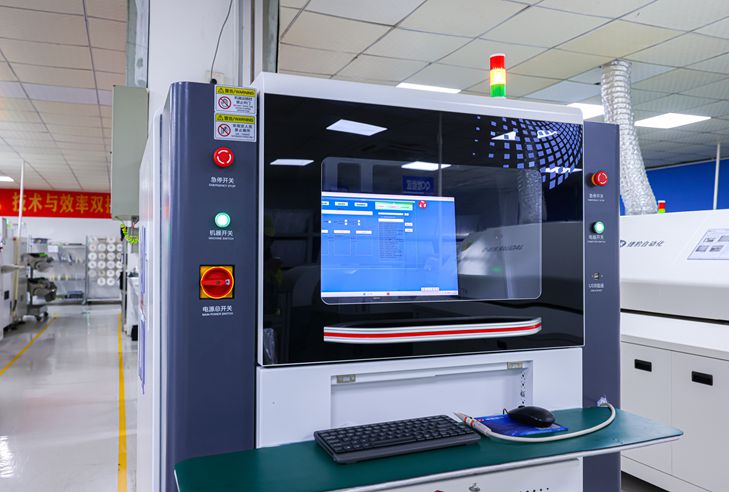
- Automated Optical Inspection (AOI): Helps identify visible assembly issues, such as component placement errors, polarity problems and soldering defects.
- X-ray inspection: Can help examine solder joints that are not readily visible, including certain bottom-terminated components.
- First Article Inspection (FAI): Provides an early production verification step to check whether the initial assembly meets the agreed requirements.
- Electrical or functional testing: Where defined and supported by the project, these tests help verify electrical connections or product functions.
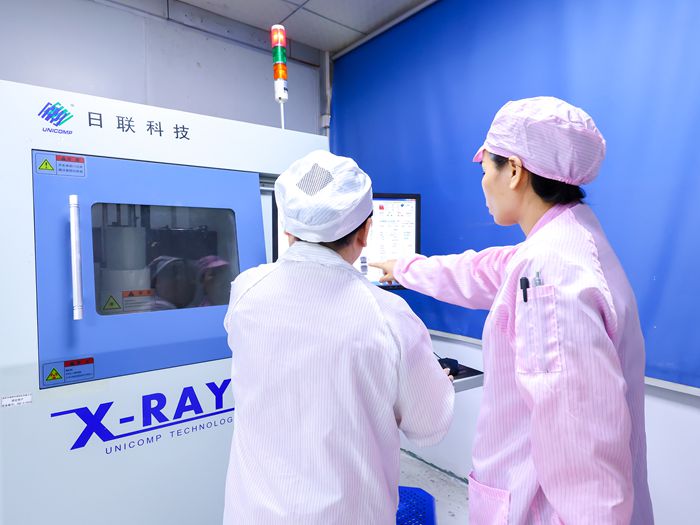
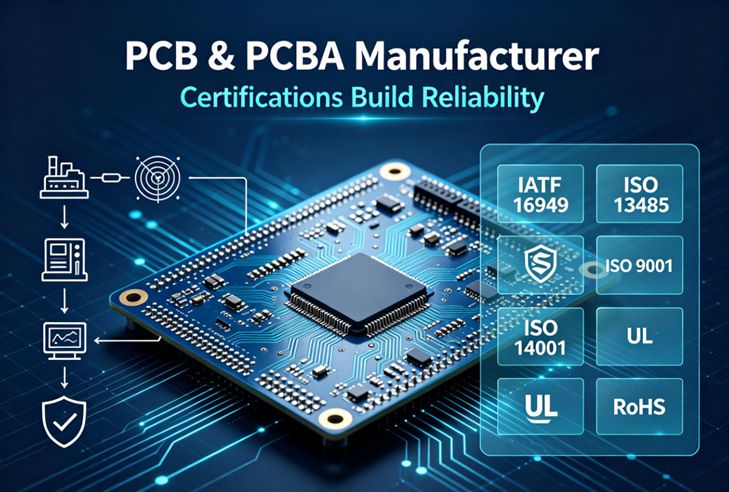
IPC-A-610 is commonly used as a reference for evaluating the acceptability of electronic assemblies. However, the applicable acceptance class and any additional inspection or testing requirements should be agreed upon for each project.
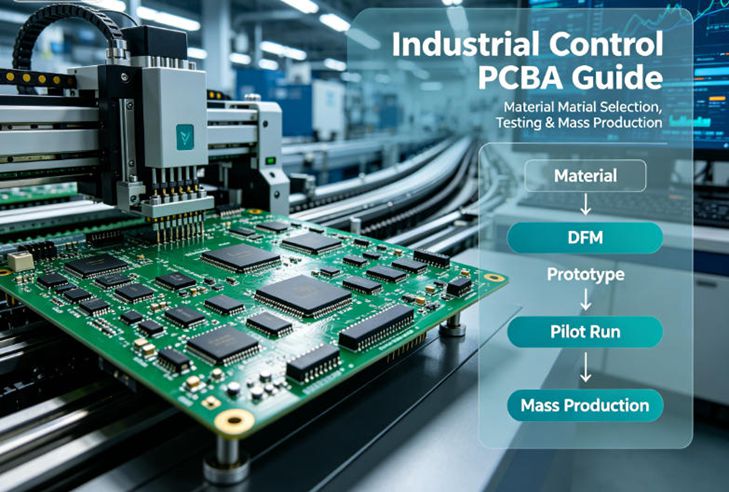
5. Maintaining Consistency from Prototype to Production
Prototype approval is an important milestone, but it does not automatically guarantee that every subsequent production batch will be identical. OEMs should pay attention to process consistency, documentation and change control when moving from initial builds to repeat orders.
A practical production plan should address:
- Document control: Confirm the revision status of Gerber files, BOM data, assembly drawings and other production documents.
- First article review: Check the initial assembly against the agreed specifications before proceeding with larger quantities.
- Material control: Keep component part numbers and approved alternatives clear to reduce unexpected changes.
- Process consistency: Maintain appropriate production parameters and inspection criteria across batches.
- Change communication: Review changes to components, materials or manufacturing requirements before they are introduced.
These measures help reduce avoidable rework and support more predictable production quality.
6. Choosing an Industrial Control PCBA Manufacturing Partner
When evaluating a PCBA supplier, industrial OEMs should look beyond equipment lists and quoted unit prices. Consider whether the supplier can manufacture the required PCB structure, manage the specified components, support the assembly process and communicate clearly when technical questions arise.
Factory resources, inspection equipment, production experience and document management are all relevant. It is also important to establish realistic lead times based on board complexity, material availability, order quantity and inspection requirements.
Industrial Control PCBA Manufacturing with Ring PCB
Ring PCB provides PCB fabrication and PCBA manufacturing services for customers with industrial and other electronic product requirements. Its capabilities include PCB manufacturing, component sourcing, SMT and through-hole assembly, and production quality inspection.
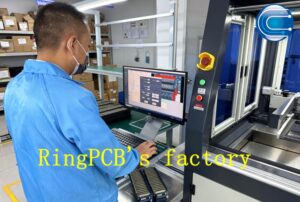
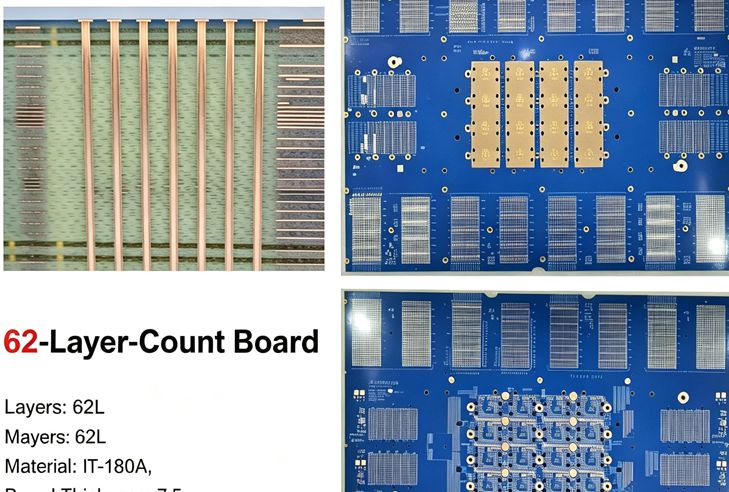
Operating from a 10,000-square-meter company-owned factory, Ring PCB is equipped with advanced first article inspection equipment to support production verification. The company can manufacture multilayer PCBs of up to 62 layers. PCB prototypes may be available in as little as 3 days, while qualifying PCB/PCBA production schedules may be as short as 7 days, depending on project complexity, material availability and confirmed requirements.
For an industrial control project, customers can provide Gerber files, BOM data and relevant technical specifications for project review and manufacturing communication.
To discuss your industrial control PCBA requirements, contact Ring PCB at rfq@ringpcb.com.
SEO Title: Industrial Control PCBA for Long-Term Reliability
Meta Description: Explore industrial control PCBA requirements, from PCB materials and component sourcing to assembly inspection and long-term production reliability.
Core Keywords: Industrial Control PCBA, Industrial PCBA Manufacturing, Industrial Control PCB, PCBA Assembly
References:
- IPC — IPC-A-610, Acceptability of Electronic Assemblies
- U.S. Defense Logistics Agency — ASSIST document record for IPC-A-610
- Deloitte — 2026 Manufacturing Industry Outlook