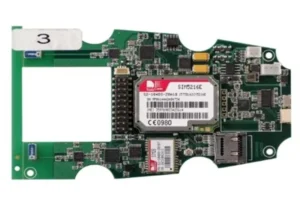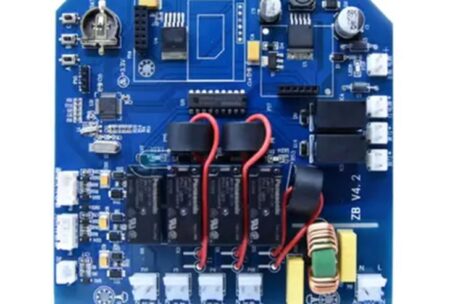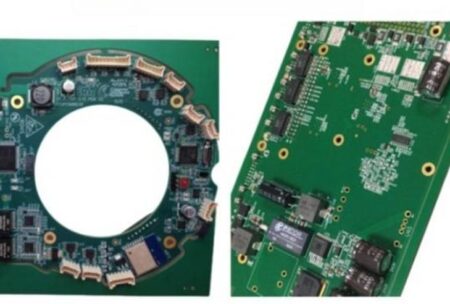
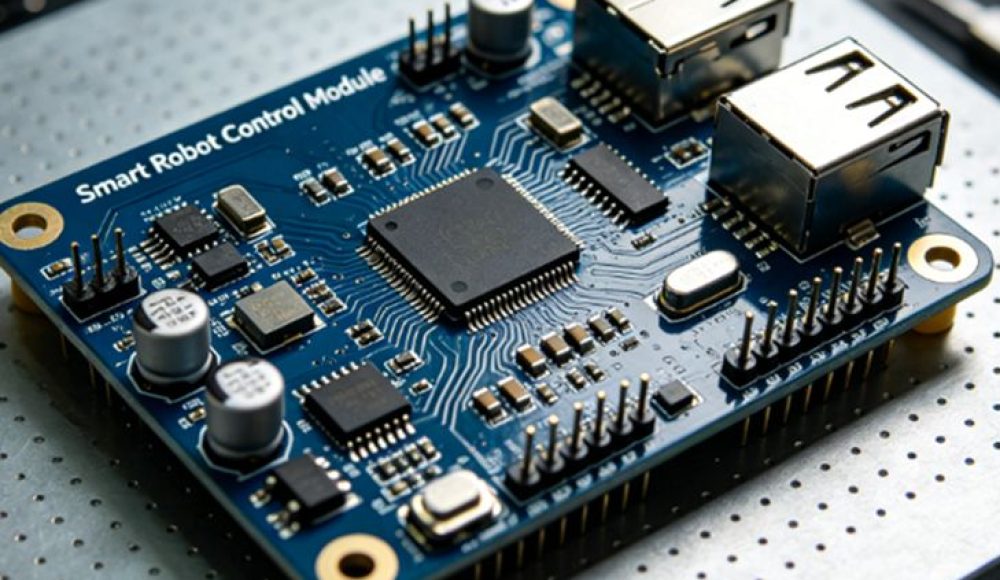
Smart robots are reshaping industrial automation, healthcare, and daily life, relying on high‑performance PCBs and PCBA to deliver precision, stability, and intelligence. The PCB manufacturing and assembly for smart robots faces unique technical hurdles, while advanced solutions are driving industry progress—an area where RingPCB has built deep expertise over 18 years.
One core challenge is thermal management under high power density. Smart robots integrate high‑current motor drivers, AI processors, and power modules, generating sustained heat of 50–300W. Traditional PCB materials like FR4 struggle with heat dissipation, leading to component overheating, performance throttling, or even system failure. Advanced solutions adopt heavy copper (4–18 OZ) layers, metal‑core substrates, and dense thermal via arrays to create direct heat dissipation paths, reducing hotspot temperatures by 15–20°C. RingPCB leverages high‑Tg materials and thermal simulation services to optimize PCB layouts, ensuring reliable operation in high‑temperature robotic environments.
Another critical pain point is signal integrity and EMI/EMC interference. Robotic systems mix noisy power stages (motors, drives), high‑speed digital buses (PCIe, LVDS), and wireless modules (Wi‑Fi, BLE), creating complex electromagnetic environments. Poor PCB layout causes signal distortion, sensor misreads, or communication drops—common issues in robot mass production. Advanced solutions implement controlled‑impedance routing, continuous reference planes, and strategic shielding, with early EMC simulation to mitigate risks. RingPCB’s precision manufacturing capabilities ensure strict adherence to impedance tolerances (±5%), delivering EMI‑compliant PCBA for robotic sensor and communication modules.
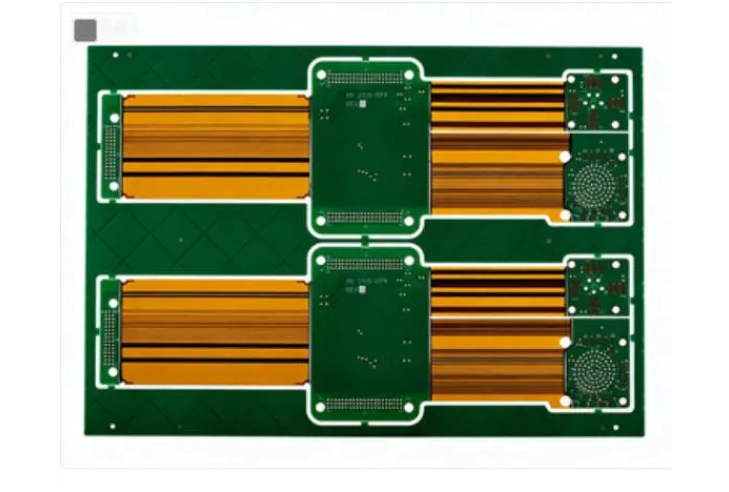
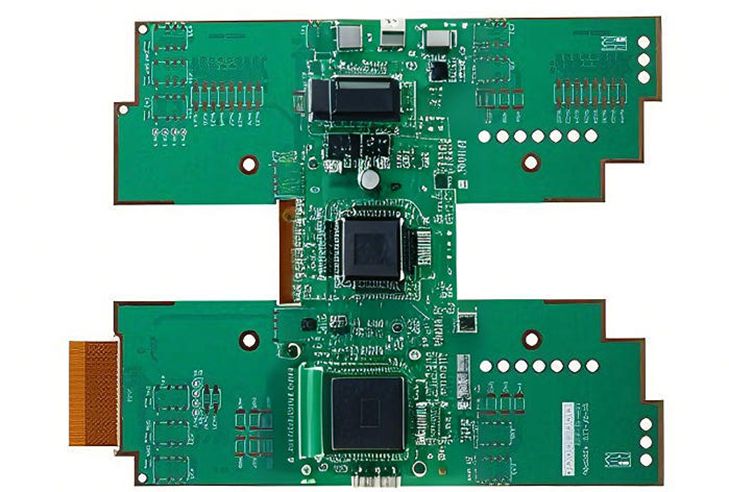
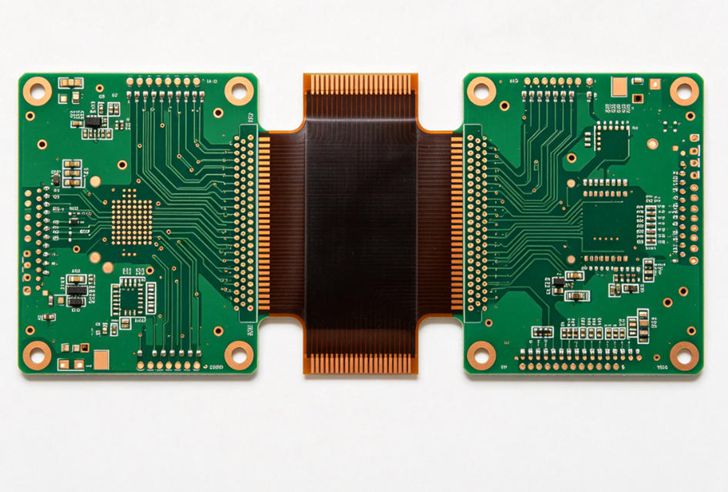
Mechanical reliability under vibration and miniaturization adds further complexity. Smart robots operate in dynamic environments with 2–3g acceleration and constant vibration, while miniaturization demands compact PCB layouts for robotic joints and end‑effectors. This leads to solder joint fatigue, connector loosening, or board delamination after millions of flex cycles. Rigid‑flex PCB technology addresses this by integrating rigid sections for components and flexible sections for articulation, eliminating 60–80% of interconnection failures. RingPCB manufactures rigid‑flex PCBs with up to 32 layers, using conformal coating to enhance vibration and moisture resistance—critical for industrial and medical robots.
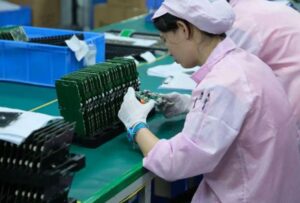
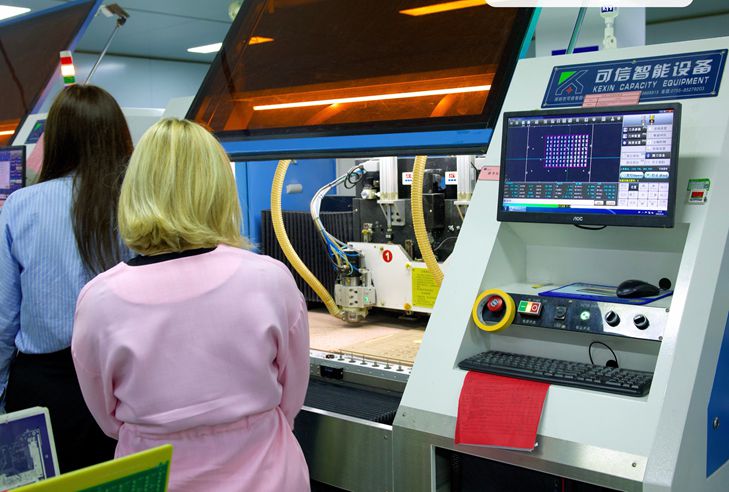
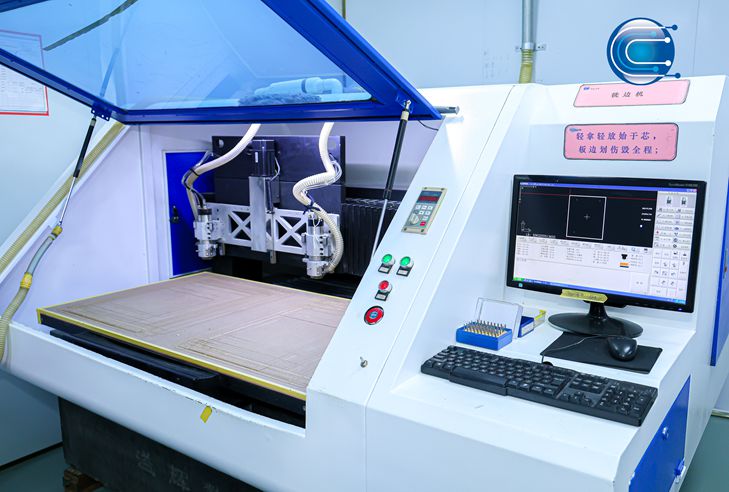
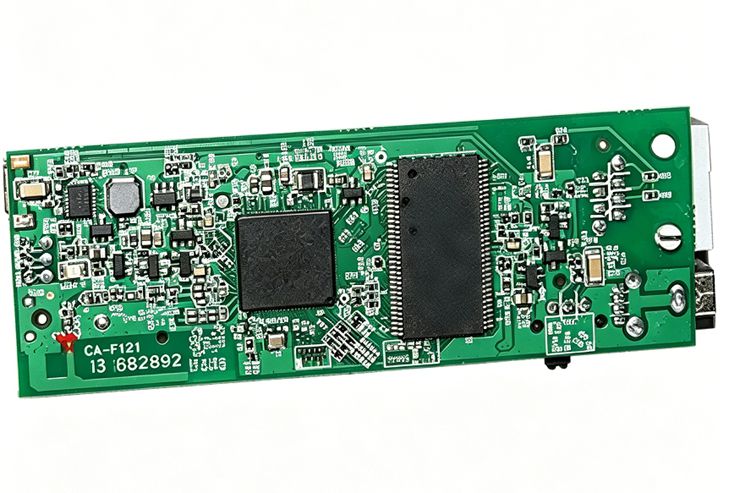
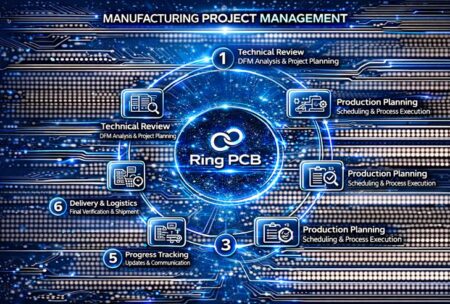
The final challenge is scalable production from prototype to mass manufacturing. Many robot projects face yield drops and quality inconsistencies when moving from small‑batch prototypes to volume production. This requires manufacturers with robust DFM (Design for Manufacturability) processes and strict quality control. As a Shenzhen‑based manufacturer founded in 2008, RingPCB operates a 10,000‑square‑meter self‑owned factory with 500 employees. It delivers 3‑day rapid prototyping and 7‑day mass production, with ISO9001, ISO13485, and UL certifications ensuring consistent quality for robotic PCBA. Its full‑turnkey service covers PCB fabrication, component sourcing, SMT assembly, and functional testing, supporting seamless scaling for smart robot projects.
In conclusion, smart robot PCB manufacturing demands expertise in thermal management, signal integrity, mechanical reliability, and scalable production. RingPCB’s 18 years of experience, advanced capabilities, and full‑turnkey solutions make it a trusted partner for global robot manufacturers.
Email: rfq@ringpcb.com
Website: https://www.ringpcb.com