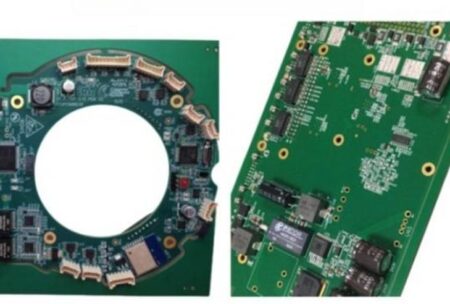
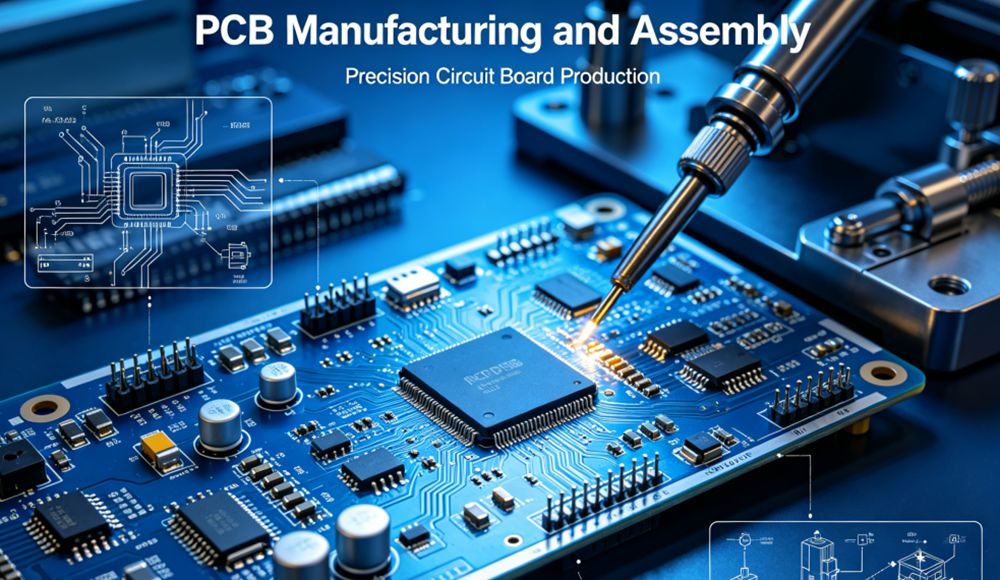
In modern electronics, PCB manufacturing and PCB assembly are not just about production—they demand rigorous quality control to guarantee stability, safety, and long service life. Whether for industrial equipment, medical devices, automotive electronics, or smart robots, every PCB and PCBA must pass strict inspections to avoid failures in critical applications. This article explains the key quality control processes in professional PCB fabrication and PCB assembly, and how a complete QC system helps manufacturers deliver trustworthy products.
A reliable quality management system starts with incoming material inspection. For PCB manufacturing, raw materials like copper foil, solder mask, and base materials must meet industry specifications. For PCB assembly, electronic components must be verified for authenticity, parameters, and service life. Any substandard materials will directly affect performance and lifespan, so professional manufacturers implement strict IQC to filter out risks before production.
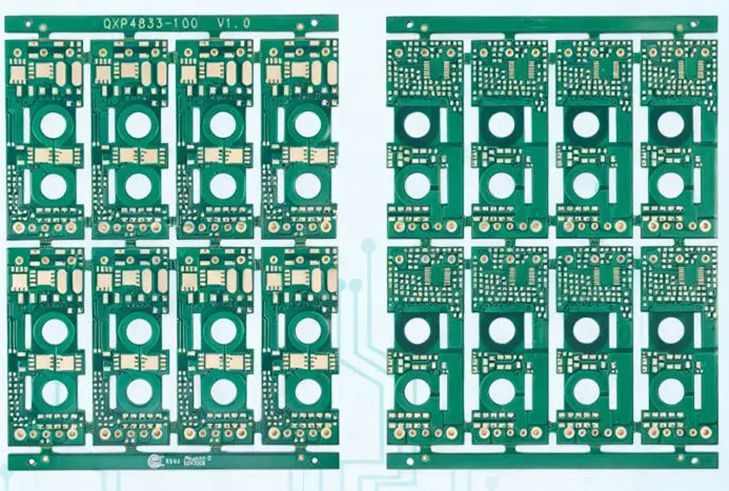
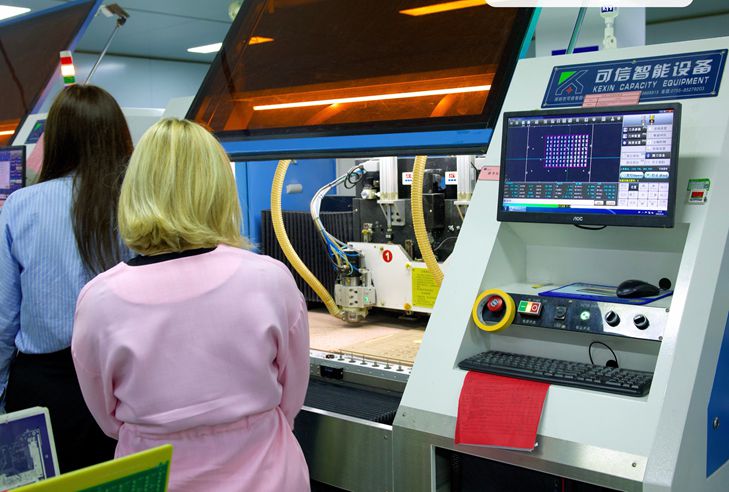
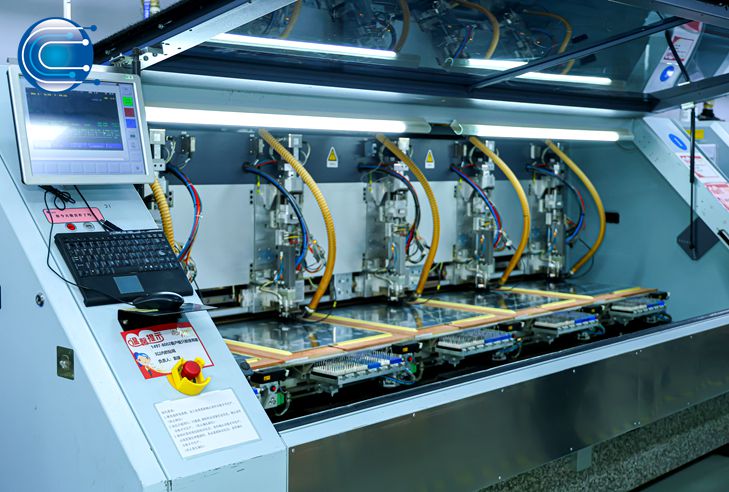
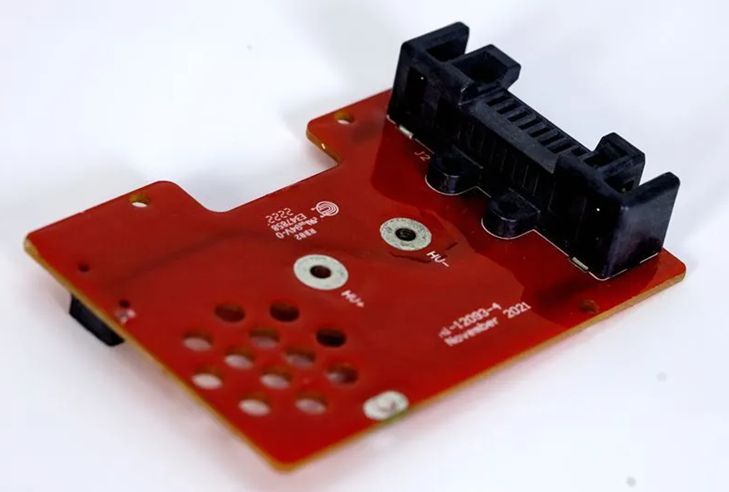
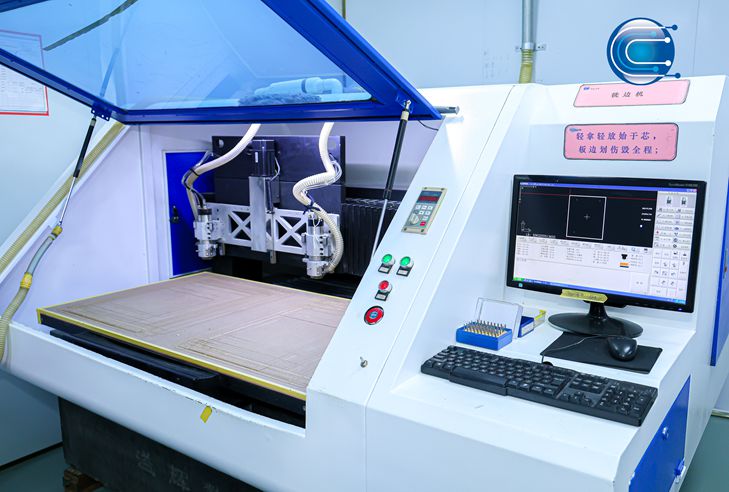
During PCB manufacturing, key processes include layer registration, line width control, impedance control, and hole wall quality. Advanced equipment and real-time monitoring ensure each board meets design standards. After fabrication, PCBs undergo electrical testing, thermal stress testing, and appearance inspection to eliminate defects such as open circuits, short circuits, or delamination. These steps are essential for high-layer, HDI, and high-frequency boards used in precision electronics.
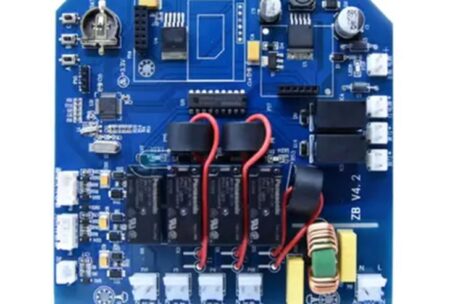
In PCB assembly, quality control becomes even more detailed. Solder paste printing is checked by SPI 3D inspection to ensure consistent thickness and position. After SMT placement, AOI inspection quickly identifies component offset, tombstoning, or insufficient soldering. For BGA, QFN, and other packaged components, X-ray inspection is necessary to check hidden solder joints. The first article of each batch is tested with LCR and functional verification to confirm consistency. Before shipment, full functional testing ensures the PCBA works as designed.
Certifications are another proof of quality strength. Reputable manufacturers hold ISO9001, ISO13485, IATF16949, UL, and other international certifications, meaning their PCB manufacturing and PCB assembly processes comply with global industry norms. These certifications are especially important for medical, automotive, and industrial clients who require high compliance and traceability.
A complete quality system also includes full-process traceability. From material batches to production records and inspection reports, every step can be tracked. This helps quickly locate and resolve issues, improving after-sales support and customer confidence. For enterprises, choosing a manufacturer with strong QC capabilities reduces failure rates, maintenance costs, and safety hazards.
As electronic products become more complex, the demand for high-reliability PCB and PCBA will keep growing. Quality control is not an extra cost but a core investment. Professional manufacturers combine advanced equipment, standardized processes, and skilled teams to turn strict requirements into stable products.
Contact Us
Ring PCB provides professional PCB manufacturing, SMT, custom PCB assembly and full-turnkey solutions. With strict quality control and international certifications, we support rapid prototyping and mass production.
Email: rfq@ringpcb.com