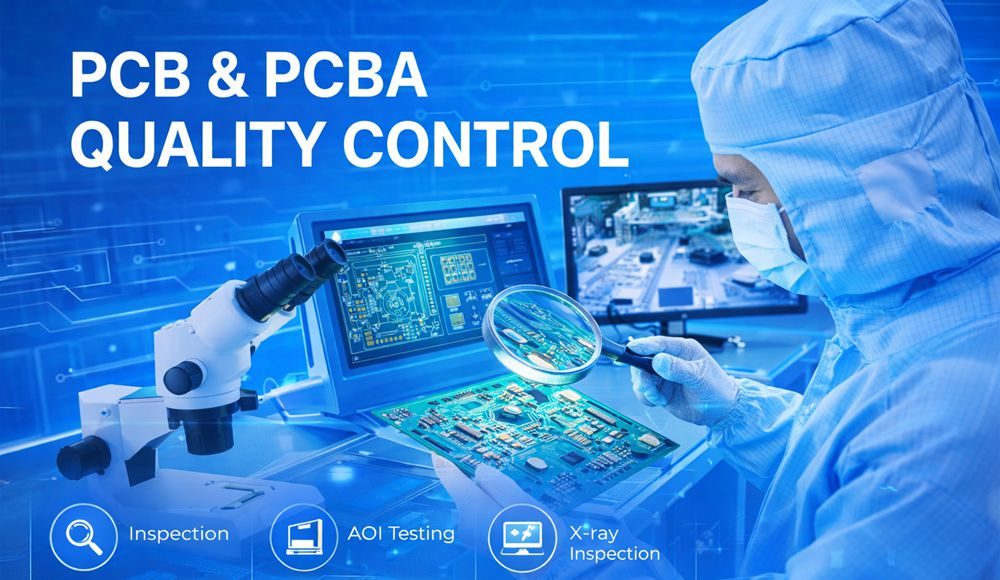
Integrating Rigorous PCBA Quality Control into Every Stage of PCB&PCBA Manufacturing
In the global electronics manufacturing landscape, PCB&PCBA manufacturing serves as the backbone of countless devices, from consumer electronics to industrial automation and medical equipment. The reliability, performance, and longevity of these products depend entirely on two core pillars: precise PCB&PCBA manufacturing processes and uncompromising PCBA quality control. At Ring PCB, we recognize that quality is not an afterthought but an integral part of every step in manufacturing, ensuring that every PCB and PCBA we produce meets the highest industry standards and exceeds client expectations.
PCB&PCBA manufacturing is a complex, multi-stage process that requires meticulous attention to detail, advanced technology, and strict process control. It begins with the selection of high-quality raw materials, including PCB substrates, copper foils, and electronic components, all of which undergo rigorous incoming inspection (IQC) as the first line of PCBA quality control. We source materials only from certified suppliers, verifying their compliance with international standards such as RoHS and ISO, and ensuring that each batch meets our strict specifications for thickness, conductivity, and durability. This foundational step eliminates the risk of material defects that could compromise the final product’s performance.
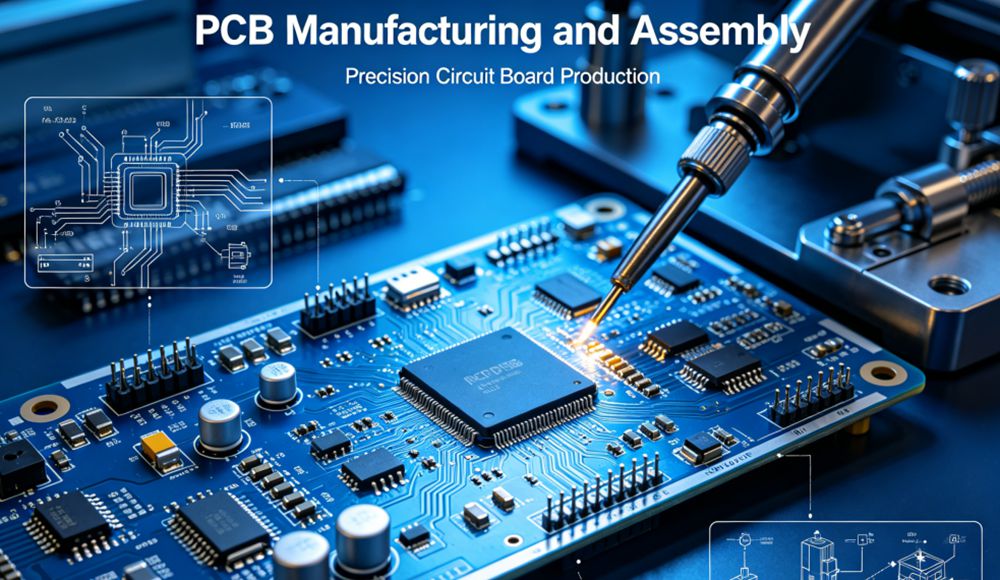
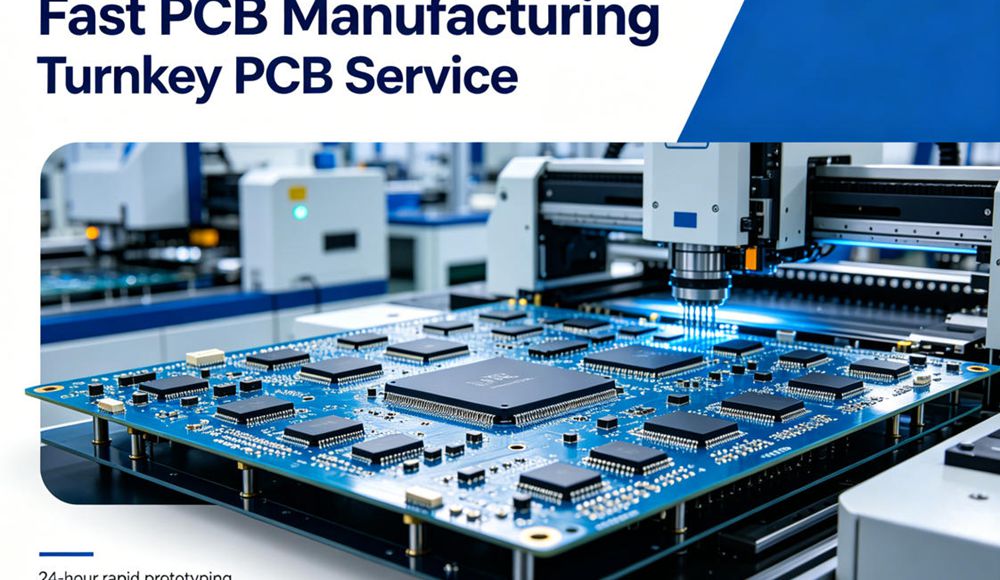
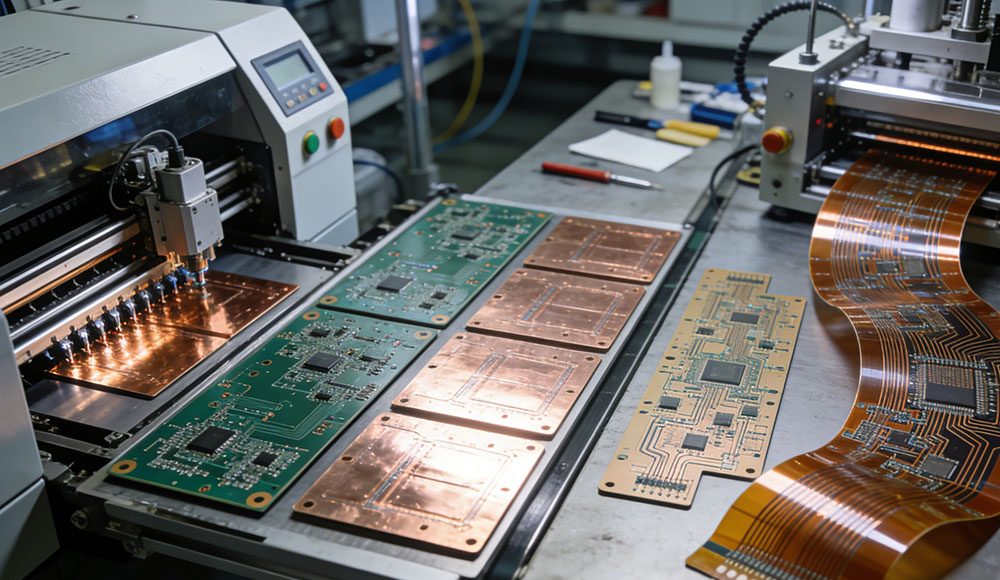
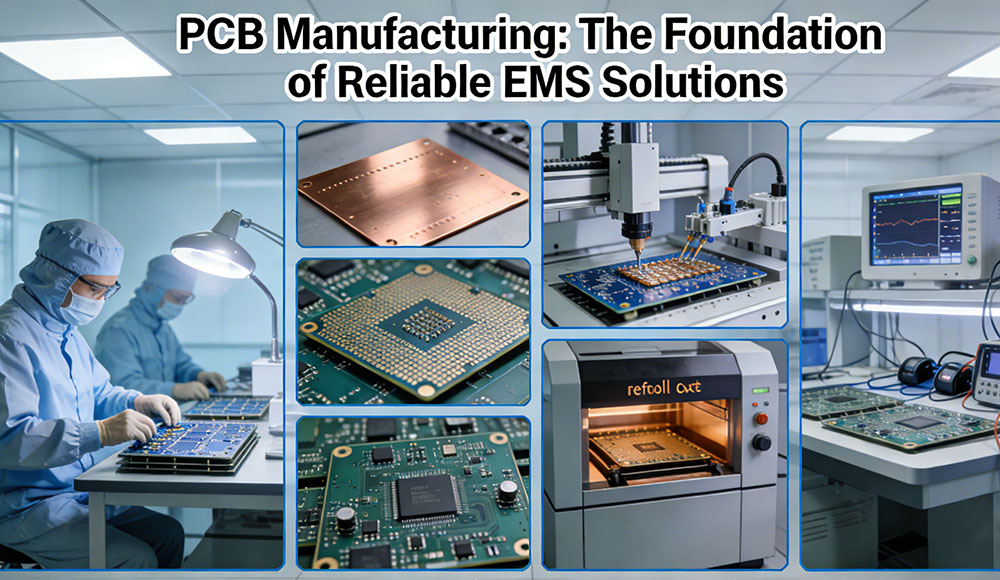
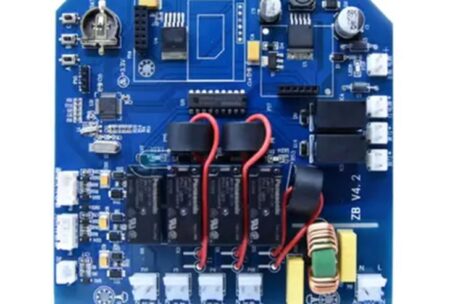
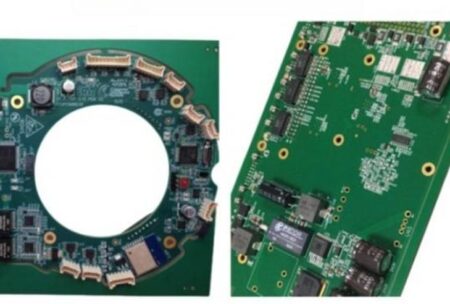
During the manufacturing process, we integrate PCBA quality control into every critical stage, from PCB fabrication to SMT assembly and final testing. Our PCB fabrication process leverages state-of-the-art equipment to ensure precise copper etching, drilling, and layer lamination, with automated optical inspection (AOI) systems checking for defects such as open circuits, short circuits, and uneven copper traces at each step. For PCBA assembly, our automated SMT lines ensure accurate component placement with precision up to ±25μm, followed by controlled reflow soldering with temperature curves optimized to prevent soldering defects like cold joints and bridging. Every assembled PCBA undergoes 100% AOI testing to detect component misplacement, missing parts, and polarity errors, eliminating human error and ensuring consistent quality.
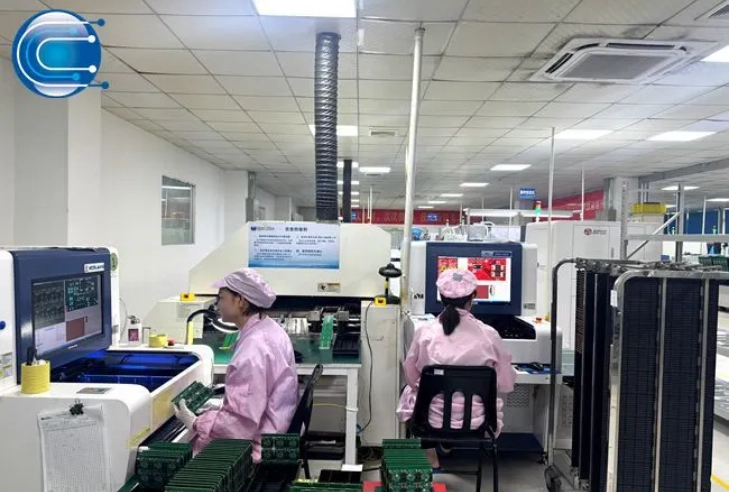
Beyond in-process inspection, our PCBA quality control system includes comprehensive final testing, including ICT (In-Circuit Test) for circuit continuity and component functionality, FCT (Functional Test) to simulate real-world operating conditions, and aging tests to screen for potential long-term defects. We also implement statistical process control (SPC) to monitor production parameters in real time, identifying and addressing deviations before they lead to defects, and maintaining a full traceability system that tracks every product from raw material to delivery. This end-to-end quality control approach ensures that every PCB and PCBA is free from defects, reliable, and consistent.
At Ring PCB, our commitment to PCBA quality control is matched by our expertise in PCB&PCBA manufacturing. We combine advanced technology, experienced engineers, and strict quality management systems to deliver products that meet the diverse needs of our global clients. Whether it’s prototype development, small-batch production, or large-scale mass manufacturing, we ensure that every product adheres to the same high standards of quality and precision.
If you are seeking a trusted partner for PCB&PCBA manufacturing with rigorous PCBA quality control, look no further than Ring PCB. Our proven processes and unwavering commitment to quality ensure that your products are reliable, durable, and ready to perform. Contact us today to discuss your requirements and experience the difference of working with a manufacturer that prioritizes quality at every step.
Email: rfq@ringpcb.com
Website: www.ringpcb.com