As the global transition toward electrified transportation accelerates, electric vehicle (EV) charging infrastructure has become a critical component of the energy ecosystem. Governments, utilities, and private enterprises are investing heavily in charging networks to support the rapid growth of electric mobility, creating unprecedented opportunities for electronics manufacturers and supply chain partners.
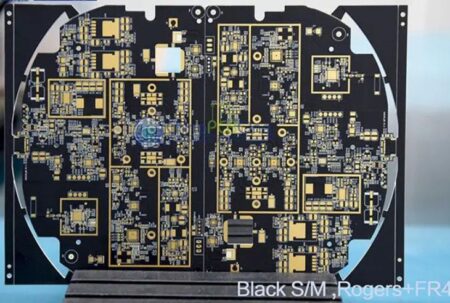
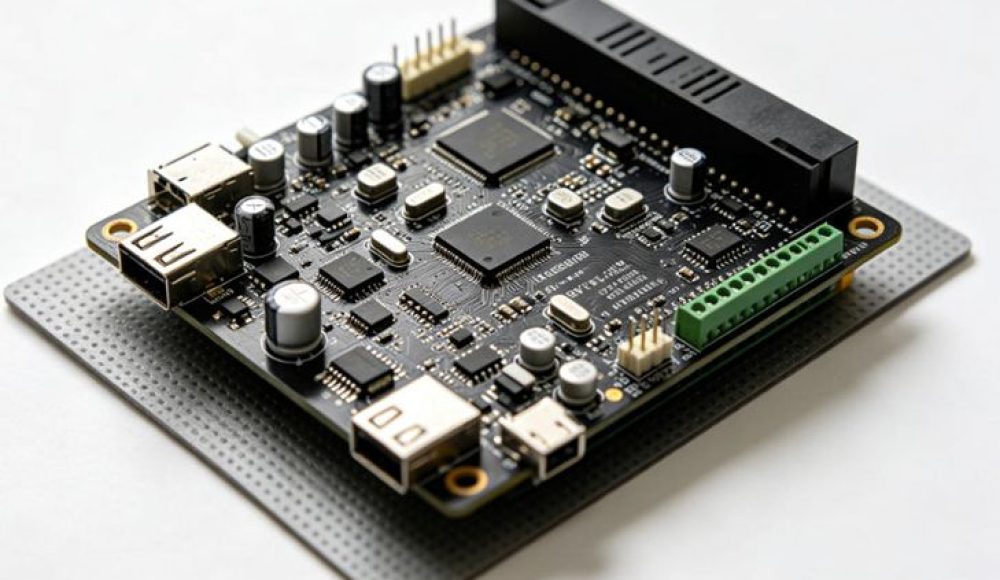
Behind every residential wall charger, commercial charging station, and ultra-fast DC charging hub lies a sophisticated electronic control system. The Printed Circuit Board Assembly (PCBA) serves as the operational core of these systems, integrating power management, communication, safety protection, and intelligent energy control functions.
As EV charging technology evolves, Smart EV Charger PCBAs are becoming increasingly complex, requiring advanced engineering, robust manufacturing processes, and resilient supply chains.
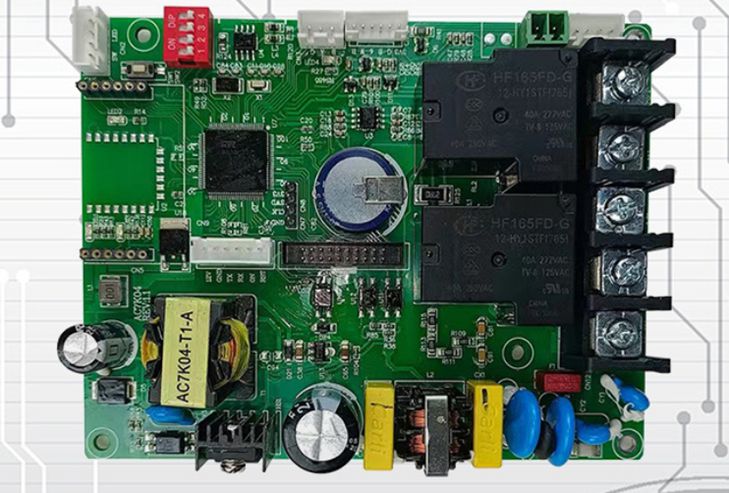
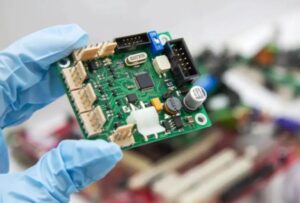
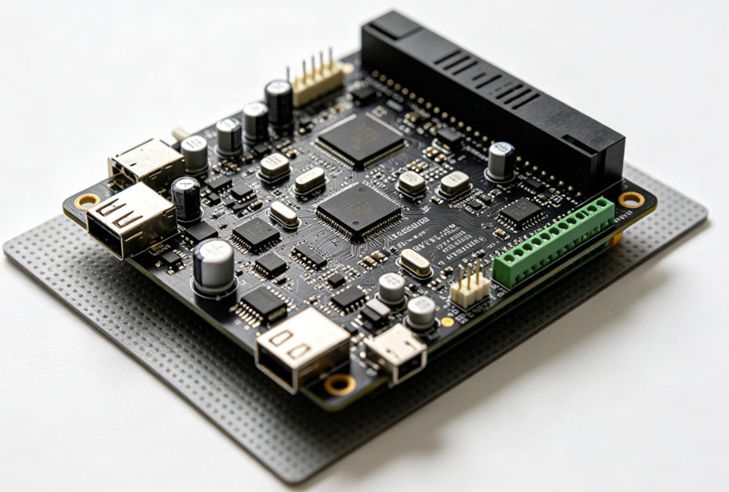
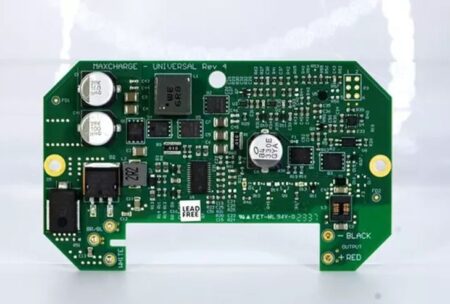
EV charger PCBA
The Global EV Charging Market Continues to Expand
According to the International Energy Agency (IEA), global electric vehicle sales surpassed 17 million units in 2024, accounting for more than one-fifth of total new vehicle sales worldwide. BloombergNEF projects that by 2040, electric vehicles could represent over half of global passenger vehicle sales.
The expansion of EV ownership naturally drives demand for charging infrastructure. Industry analysts estimate that millions of additional charging points will be required globally over the next decade, including:
- Residential AC chargers
- Commercial charging stations
- Public fast chargers
- Fleet charging systems
- Highway ultra-fast charging networks
Governments across Europe, North America, China, and Southeast Asia continue introducing policies and incentives to accelerate charging infrastructure deployment.
This rapid market growth creates both opportunities and technical challenges for equipment manufacturers.
Smart Charging Is Transforming the Industry
The earliest EV chargers primarily supplied electrical power. Modern charging systems, however, have evolved into intelligent network-connected devices.
Today’s smart chargers often include:
- Dynamic load balancing
- RFID user authentication
- Mobile application integration
- Cloud-based monitoring
- Remote diagnostics
- Energy consumption analytics
- Demand response management
- Over-the-air firmware updates
Emerging technologies are pushing capabilities even further.
Vehicle-to-Grid (V2G)
V2G technology allows electric vehicles to return electricity to the grid during periods of peak demand, improving overall energy efficiency.
Smart Grid Integration
Charging stations increasingly communicate with utility networks to optimize electricity distribution and reduce peak load stress.
Renewable Energy Coordination
Many charging systems integrate with solar panels and battery energy storage systems to maximize renewable energy utilization.
These advanced functions significantly increase the complexity of electronic control systems.
The Critical Role of Smart EV Charger PCBA
The PCBA acts as the central nervous system of an EV charging station.
It manages multiple operational functions simultaneously, including:
Power Control
Regulating voltage and current to ensure efficient battery charging.
Communication
Supporting protocols such as:
- OCPP
- CAN Bus
- Ethernet
- Wi-Fi
- Bluetooth
- 4G/5G
User Interface Management
Operating LCD displays, touchscreens, status indicators, and payment interfaces.
Safety Monitoring
Continuously monitoring:
- Overcurrent
- Overvoltage
- Ground faults
- Temperature
- Leakage current
System Diagnostics
Collecting operational data for predictive maintenance and remote troubleshooting.
The increasing integration of these functions requires highly reliable PCB designs and precision assembly processes.
Engineering Challenges in Smart EV Charger PCBA Manufacturing
High Power Density
Fast charging technology continues to advance.
While early residential chargers commonly operated at 7kW or 11kW, commercial DC fast chargers now frequently deliver:
- 60kW
- 120kW
- 180kW
- 350kW
Higher power levels require sophisticated PCB solutions incorporating:
- Heavy copper layers
- Efficient thermal dissipation
- High-current traces
- Optimized power routing
Thermal Management
Power electronics generate substantial heat.
Effective thermal management may involve:
- Thermal vias
- Metal-backed substrates
- Heat sinks
- Advanced PCB materials
Maintaining stable operating temperatures directly impacts long-term reliability.
Signal Integrity
Smart chargers integrate both power electronics and communication systems.
High-speed digital signals must coexist with high-current power circuits without introducing electromagnetic interference.
Careful PCB layout and grounding strategies are essential.
Environmental Durability
Outdoor charging stations face challenging operating conditions.
PCBAs must tolerate:
- Moisture
- Dust
- UV exposure
- Temperature fluctuations
- Mechanical vibration
Reliability under harsh conditions has become a key design consideration.
Supply Chain Resilience Has Become a Strategic Advantage
Recent global supply chain disruptions highlighted vulnerabilities across the electronics industry.
EV charger manufacturers continue to face challenges including:
- Semiconductor shortages
- Long lead times
- Price volatility
- Component obsolescence
- Logistics disruptions
Rather than simply purchasing components, many manufacturers now seek supply chain partners capable of:
- Alternative component sourcing
- BOM optimization
- Inventory planning
- Risk management
- Flexible production scheduling
A resilient supply chain can significantly reduce project uncertainty and improve delivery performance.
Quality and Testing Requirements
Because EV charging equipment directly affects user safety and vehicle performance, rigorous quality control is essential.
Typical verification processes include:
- Automated Optical Inspection (AOI)
- X-ray inspection
- In-Circuit Testing (ICT)
- Functional testing
- High-voltage testing
- Burn-in testing
- Environmental stress testing
Comprehensive testing strategies help improve product reliability while reducing warranty and maintenance costs.
Manufacturing Trends Shaping the Future
Several technological developments are influencing Smart EV Charger PCBA manufacturing.
These include:
- Silicon carbide (SiC) power devices
- Gallium nitride (GaN) technology
- Higher voltage platforms
- AI-assisted energy management
- Bidirectional charging
- Megawatt charging systems
- Integrated energy storage
As charging technology evolves, PCB assemblies will require increasingly sophisticated engineering and manufacturing capabilities.
Supporting Innovation Through Advanced Manufacturing
For EV charger manufacturers, selecting the right manufacturing partner involves more than production capacity. Engineering support, supply chain management, quality assurance, and flexible production planning all contribute to project success.
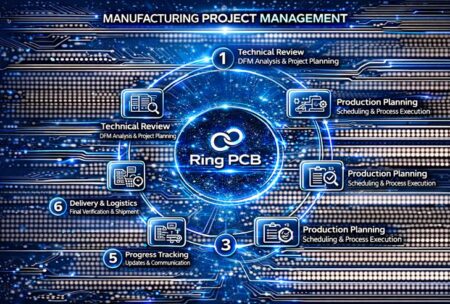
Ring PCB has been supporting electronics manufacturing since 2008, providing PCB fabrication and PCB assembly services for customers across multiple industries, including smart energy applications. With capabilities spanning multilayer PCB manufacturing, SMT assembly, turnkey component sourcing, and engineering support, Ring PCB helps customers move efficiently from prototype development to volume production.
As the EV charging ecosystem continues to expand, close collaboration between equipment designers and manufacturing partners will become increasingly important.
Looking Ahead
The transition toward electric mobility represents one of the largest industrial transformations of the century. Smart charging infrastructure will play a central role in enabling widespread EV adoption, connecting transportation, renewable energy, and intelligent power management systems.
At the heart of this transformation, Smart EV Charger PCBAs will continue to evolve, integrating greater functionality, higher power density, and enhanced connectivity. Manufacturers that combine innovative engineering with resilient manufacturing and supply chain strategies will be well positioned to support the next generation of global charging infrastructure.
Email: rfq@ringpcb.com
Website: https://www.ringpcb.com