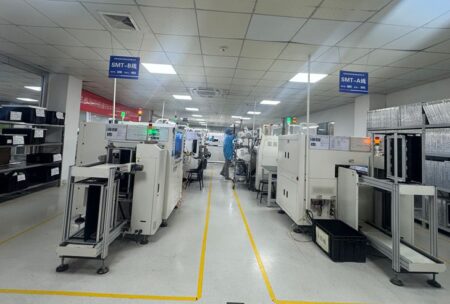
In today’s rapidly evolving electronics industry, manufacturers face unprecedented challenges and opportunities. Product life cycles are becoming shorter, electronic devices are growing more sophisticated, and global supply chains are under increasing pressure to remain resilient and cost-effective. Against this backdrop, many original equipment manufacturers (OEMs) and technology companies are rethinking their sourcing strategies and turning to One-Stop PCBA Manufacturing as a practical solution for managing complexity.
Rather than working with multiple suppliers for PCB fabrication, component procurement, assembly, testing, and logistics, companies are increasingly seeking integrated manufacturing partners capable of managing the entire production process. This shift is not simply about convenience—it reflects broader changes in global electronics manufacturing and supply chain management.
Global Supply Chains Are Undergoing Significant Change
Over the past several years, the electronics industry has experienced a series of disruptions, including component shortages, fluctuating raw material prices, logistics bottlenecks, and geopolitical uncertainties.
According to IPC and other industry organizations, supply chain resilience has become one of the top priorities for electronics manufacturers worldwide. Meanwhile, Grand View Research estimates that the global Electronics Manufacturing Services (EMS) market will continue to grow steadily over the coming years, driven by increasing outsourcing and the need for specialized manufacturing expertise.
Several factors are reshaping the industry:
- Increasing product complexity
- Rising labor and logistics costs
- Shorter product development cycles
- Semiconductor supply fluctuations
- Higher customer expectations for delivery speed
- Greater emphasis on supply chain visibility
In response, many OEMs are simplifying their manufacturing ecosystems by consolidating suppliers and adopting one-stop manufacturing models.
What Is One-Stop PCBA Manufacturing?
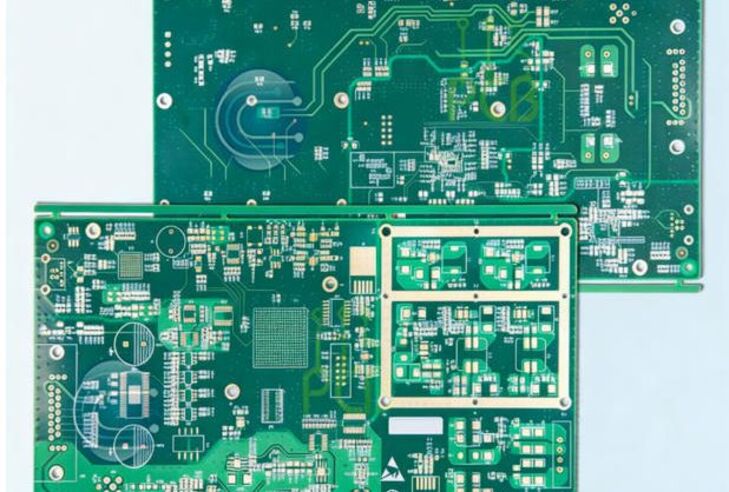
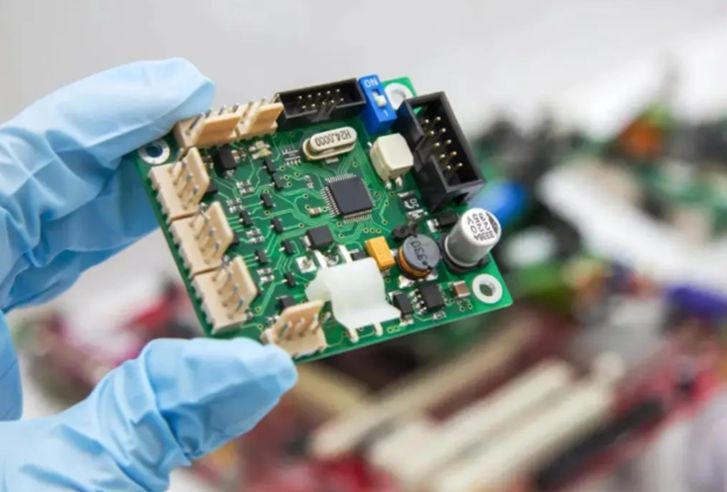
One-stop PCBA manufacturing refers to an integrated service model where a single supplier manages multiple stages of the production process.
Typical services include:
- PCB fabrication
- Engineering support
- Component sourcing
- BOM verification
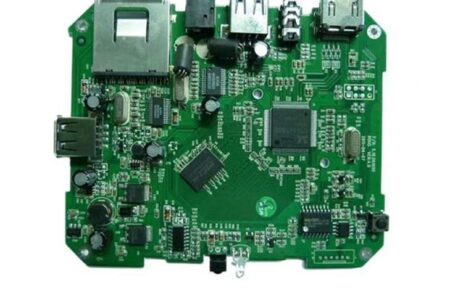
- SMT assembly
- Through-hole assembly
- Mixed technology assembly
- Functional testing
- Box build assembly
- Final inspection
- Packaging and logistics
Instead of coordinating several independent vendors, customers work with one manufacturing partner throughout the project lifecycle.
Why OEMs Are Moving Toward Integrated Manufacturing
Simplifying Supply Chain Management
Managing multiple suppliers can be time-consuming and resource-intensive.
Each supplier introduces additional communication, scheduling, quality control, and logistics requirements. Delays from one vendor can affect the entire project timeline.
A one-stop manufacturing model centralizes project coordination and reduces administrative complexity.
Faster Time-to-Market
Speed has become a critical competitive advantage.
Whether launching a consumer electronics product, an industrial control system, or a medical device, reducing development time can significantly improve market opportunities.
Integrated manufacturing helps eliminate delays between:
- PCB production
- Component procurement
- Assembly scheduling
- Quality inspection
- Product shipment
Engineering and production teams can collaborate more efficiently, accelerating the transition from prototype to mass production.
Component Sourcing Has Become More Strategic
Recent semiconductor shortages demonstrated how vulnerable global supply chains can be.
Electronic manufacturers frequently encounter challenges such as:
- Long lead times
- Component obsolescence
- Sudden price increases
- Limited inventory availability
An experienced one-stop PCBA manufacturer often maintains established supplier networks and procurement systems, helping customers improve sourcing efficiency and reduce supply risks.
In many cases, engineering teams can also recommend alternative components that maintain product functionality while improving availability.
Engineering Support Creates Additional Value
Manufacturing success often begins during product development.
Many integrated PCBA manufacturers provide engineering services designed to improve manufacturability and reduce production risks.
These services may include:
Design for Manufacturability (DFM)
Reviewing PCB layouts to identify potential manufacturing issues before production.
BOM Analysis
Verifying component availability and identifying alternative sourcing options.
Material Selection
Recommending suitable PCB materials based on application requirements.
Process Optimization
Improving assembly efficiency while maintaining product quality.
Early engineering involvement can help reduce production costs and avoid unnecessary redesigns.
Quality Management Across the Entire Process
Maintaining consistent quality across multiple suppliers can be challenging.
Integrated manufacturing offers the advantage of unified quality control systems covering every production stage.
Typical quality procedures include:
Incoming Quality Control (IQC)
Inspecting raw materials and electronic components before production.
In-Process Quality Control (IPQC)
Monitoring manufacturing operations to detect defects early.
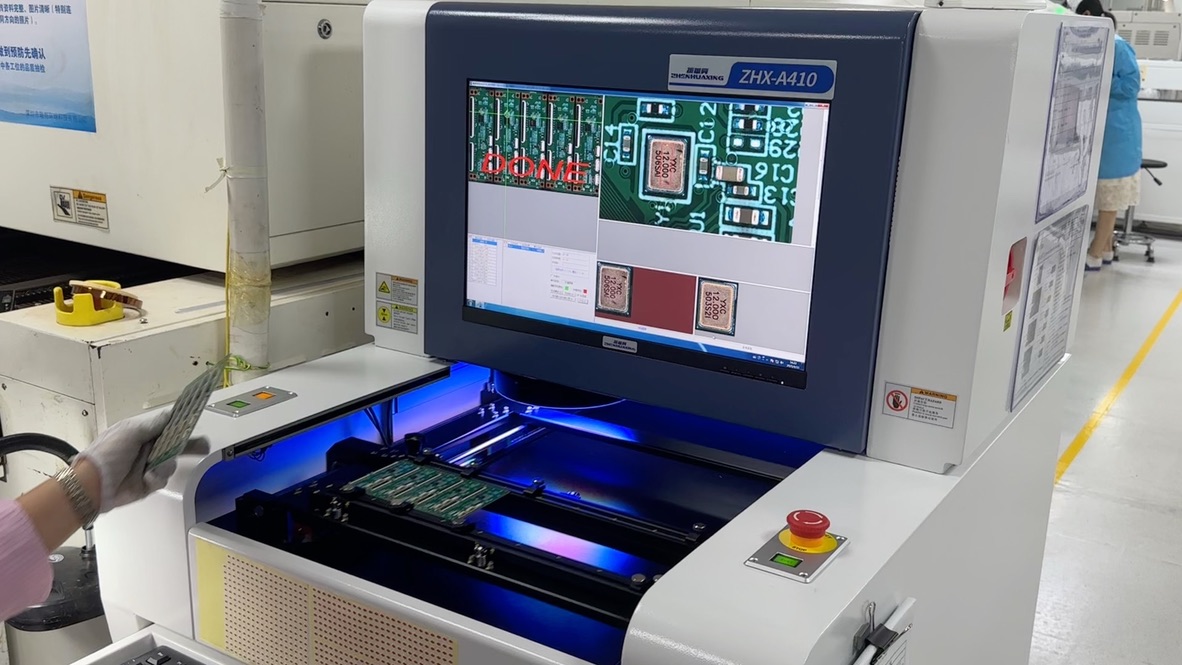
Automated Optical Inspection (AOI)
Using automated systems to verify solder joints and component placement.
Functional Testing
Ensuring assembled products perform according to design specifications.
Final Quality Control (FQC)
Conducting comprehensive inspections before shipment.
A centralized quality management approach improves consistency while enhancing product traceability.
Flexibility Is Becoming More Important
Modern electronics projects rarely follow a single production model.
Many products progress through several stages:
- Engineering prototypes
- New Product Introduction (NPI)
- Pilot production
- Low-volume manufacturing
- High-volume production
A one-stop PCBA manufacturer can provide continuity throughout these phases, reducing the need to transfer projects between different suppliers.
This flexibility is particularly valuable for startups, innovative technology companies, and OEMs introducing new products.
Digital Manufacturing Is Driving Industry Transformation
Industry 4.0 technologies are changing the way electronics are manufactured.
Modern PCBA facilities increasingly utilize:
- Manufacturing Execution Systems (MES)
- Automated production lines
- Real-time process monitoring
- Digital traceability
- Automated inspection equipment
- Data-driven quality management
These technologies improve manufacturing efficiency while providing customers with greater visibility into production processes.
As digital manufacturing continues to evolve, integrated EMS providers are well positioned to help customers adopt advanced manufacturing practices.
Sustainability Is Influencing Supply Chain Decisions
Environmental responsibility has become an important consideration for many global OEMs.
Consolidating manufacturing operations through one-stop PCBA services can help reduce:
- Transportation requirements
- Packaging waste
- Inventory duplication
- Supply chain inefficiencies
Manufacturers are also increasingly adopting environmentally responsible production practices and compliance with international environmental standards.
Choosing the Right One-Stop PCBA Manufacturing Partner
Selecting a manufacturing partner involves evaluating more than production capacity.
Important considerations include:
- Engineering expertise
- PCB fabrication capability
- Component sourcing network
- Assembly technology
- Testing capability
- Quality management systems
- Supply chain resilience
- Production flexibility
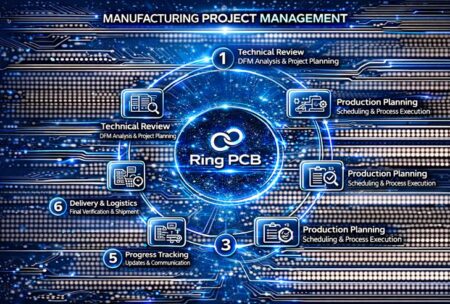
- Project management
- Global logistics support
A capable one-stop PCBA manufacturer should function as an extension of the customer’s engineering and procurement teams.
The Role of Integrated Manufacturing in Future Electronics
The electronics industry will continue to evolve as technologies such as artificial intelligence, electric vehicles, industrial automation, medical electronics, IoT, and renewable energy create new demands for advanced electronic products.
As products become more sophisticated, supply chains will need to become more collaborative, efficient, and resilient.
Integrated one-stop PCBA manufacturing provides a practical approach for managing these challenges by combining engineering, procurement, manufacturing, testing, and logistics into a coordinated production ecosystem.
Companies that embrace integrated manufacturing strategies may be better positioned to reduce operational complexity, improve supply chain visibility, and accelerate innovation.
For manufacturers seeking long-term competitiveness, one-stop PCBA manufacturing is becoming not simply a service model, but a strategic advantage in an increasingly dynamic global market.
Contact Ring PCB
Whether you’re developing innovative electronic products or scaling up production, Ring PCB provides reliable PCB fabrication and PCB assembly services to support your project. Contact our team to discuss your manufacturing requirements and customized solutions.
Email: rfq@ringpcb.com
Website: www.ringpcb.com