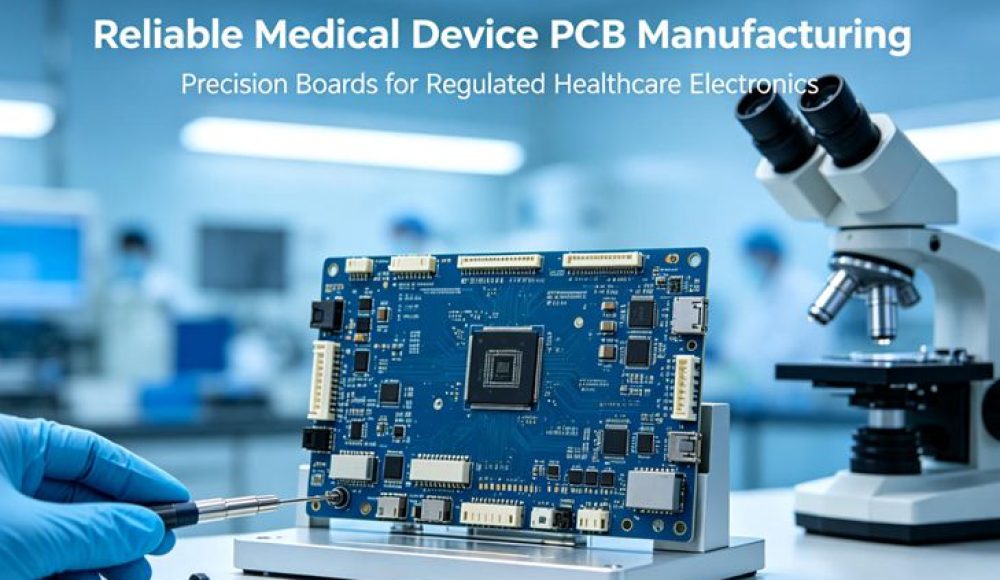
Medical‑device hardware performance heavily depends on the capability of its PCB manufacturing partner. According to 2026 med‑tech supply‑chain research, nearly 38% of medical OEM project delays originate from poorly selected circuit‑board suppliers, rather than internal design flaws. Unlike consumer‑electronics vendors, medical‑grade PCB and PCBA suppliers must balance technical capacity, regulatory documentation, supply‑chain stability and long‑term risk control. Selecting the right manufacturing partner is not merely a purchasing decision, but a core risk‑management strategy for medical product launches.
Verify Valid Medical‑Oriented Certifications, Not Just Paper Credentials
Many buyers focus only on collecting certification copies during supplier screening. Even so, a printed certificate cannot guarantee real‑world execution for medical‑device production.
ISO 13485 certification stands as the fundamental threshold for medical electronics manufacturing. Meanwhile, manufacturers must strictly follow IPC‑6012 Class 3 and IPC‑A‑610 Class 3 workmanship standards for high‑reliability medical assemblies. Procurement teams should pay attention to the certification scope: whether the audit covers PCB fabrication, SMT assembly and testing workflows, instead of only partial business segments. Some brokers display third‑party factory certificates while subcontracting medical orders to unqualified workshops, breaking traceability chains. In addition, ask whether the supplier can provide audit‑ready records including component lot traceability, process‑validation reports and non‑conformity handling files. These practical outputs truly reflect medical‑grade management levels.
Evaluate Practical Medical Project Experience and Engineering Collaboration Capacity
Certifications represent baseline qualifications, while real‑project experience determines whether a supplier can handle your specific challenges. Medical‑device PCBA covers diverse product types: portable diagnostic analyzers, patient‑monitoring boards, wearable medical sensors and surgical auxiliary hardware each bring unique technical constraints.
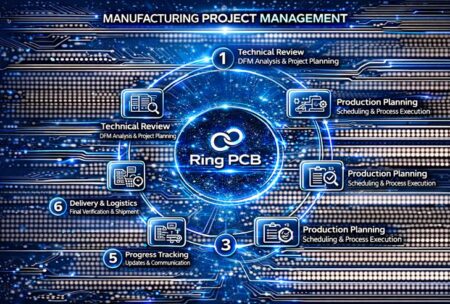
A qualified medical PCB partner should deliver proactive DFM support at the early‑design phase, instead of only producing files exactly as submitted. For instance, engineers need to point out risks such as high‑impedance signal interference, insufficient isolation distance for patient‑contact circuits, or material‑supply bottlenecks for special medical laminates. Furthermore, confirm whether the supplier can support flexible‑volume transitions: from small‑quantity prototype validation to medium‑batch pilot runs and formal mass production. Many general‑purpose manufacturers excel at large‑volume consumer orders yet lack stable processes for low‑volume, high‑mix medical projects.
Assess Supply‑Chain Resilience and Full‑Process Traceability
Supply‑chain risk becomes a hidden pain point for medical‑device projects. Component shortages, counterfeit‑component risks and unstable raw‑material quality may trigger production suspension or field‑device failures.
Therefore, reliable medical PCB partners maintain an approved‑vendor‑list (AVL) system for components and base materials, with dual‑source backup plans for critical parts. Every finished medical PCBA should support complete traceability: linking raw‑material batch numbers, component lot codes, equipment‑process parameters and full‑unit test logs. Without this traceability capability, OEMs will struggle to implement batch recalls or respond to regulatory authority audits. Beyond material management, confirm whether key production steps remain in‑house. Heavy subcontracting of core fabrication or assembly processes will make consistent record‑keeping extremely difficult.
Check Long‑Term Service Capability for Medical‑Product Lifecycle
Medical devices usually enjoy multi‑year product lifecycles. OEMs need continuous manufacturing support for spare‑part replenishment, component‑substitution validation and version iteration.
Some suppliers focus on short‑term prototype orders but cannot sustain stable service for multi‑year medical projects. When evaluating partners, ask about change‑control workflows: how they handle component substitutions, layout revisions or surface‑finish adjustments, and whether every modification supports risk assessment and formal document archiving. Clear CAPA (Corrective and Preventive Action) mechanisms are also essential for handling unexpected quality deviations throughout the whole product lifecycle.
Reliable Medical PCB Manufacturing Support From Ring PCB
Finding a partner who combines valid certification, medical‑project know‑how, in‑house production and complete documentation systems remains challenging for many medical hardware developers. Ring PCB delivers integrated PCB manufacturing and PCBA assembly for medical‑device applications within self‑operated certified facilities.
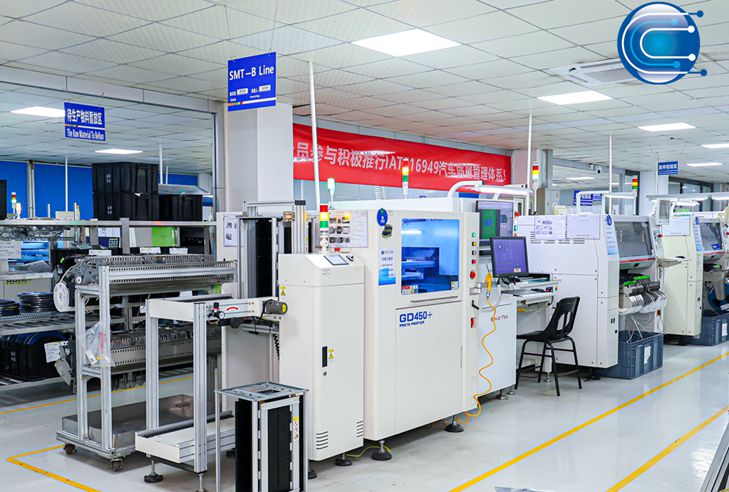
We hold ISO 13485, ISO 9001 certifications and strictly follow IPC Class 3 standards for medical‑grade products. Our engineering team provides early‑stage DFM reviews tailored for medical scenarios, covering stack‑up optimization, material selection and traceability‑scheme planning. All key workflows including PCB fabrication, precision SMT assembly, conformal coating and multi‑dimensional testing are completed internally. We maintain complete Device‑History‑Record archives ready for global regulatory audits, supporting medical projects from prototype verification to long‑term serial production.
If you are searching for a trustworthy PCB manufacturing partner for your medical‑device project, please send your design files and detailed requirements to rfq@ringpcb.com.