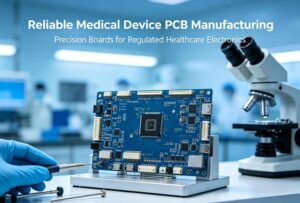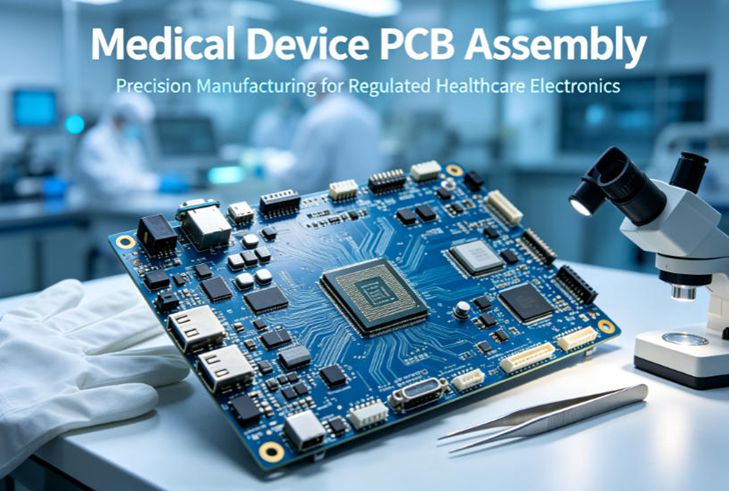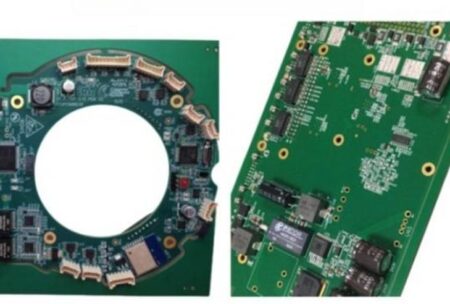

Modern medical devices depend heavily on high‑performance PCB manufacturing and medical device PCB assembly. According to 2026 med‑tech industry reports, regulatory updates such as FDA QMSR and EU MDR have raised global requirements for medical electronics, pushing over 40 % of medical OEMs to re‑evaluate their contract manufacturing partners for stricter quality and traceability standards. Unlike consumer‑grade electronics, medical PCBA cannot tolerate minor defects; any failure may directly threaten patient safety. Therefore, quality control, regulatory compliance and long‑term reliability become three non‑negotiable pillars for medical circuit board production.
Quality Standards That Separate Medical‑Grade From General‑Purpose PCBA
At first glance, a medical‑use circuit board may look similar to an industrial PCBA. Nevertheless, the internal quality thresholds are entirely different. Medical PCB manufacturing follows IPC‑6012 Class 3 specifications, while assembly must satisfy IPC‑A‑610 Class 3 workmanship requirements for high‑reliability hardware.
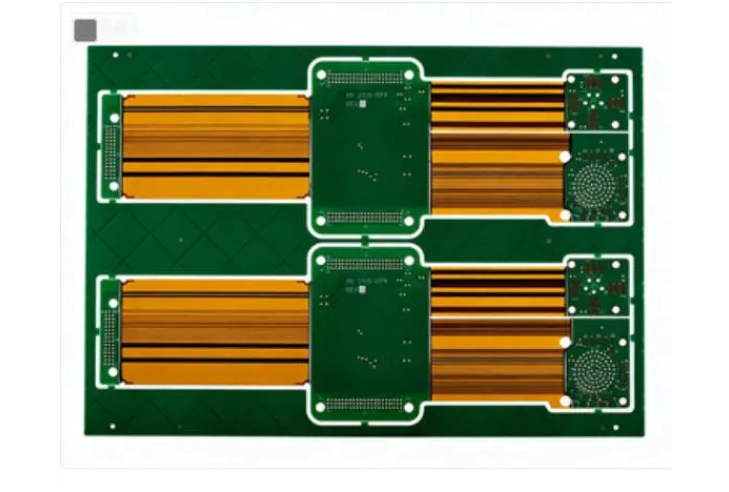
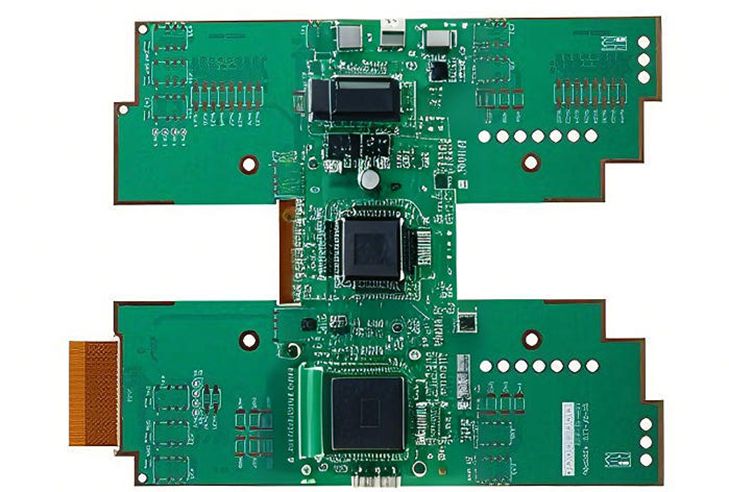
Quality starts from raw‑material selection. Base laminates, solder mask, copper foils and surface‑finish materials must come from qualified suppliers with complete material certificates. In addition, multi‑layer stack‑up precision, impedance control, and microvia fabrication require tighter tolerances than standard PCBs. After assembly, every unit goes through AOI, X‑ray inspection for BGA joints, flying‑probe electrical testing and customized functional verification. Even low‑volume prototype orders cannot skip these inspection steps, since quality consistency must hold from early validation through mass production.
Compliance: More Than Certificates, But Full‑Process Traceability
Many buyers mistakenly believe that a copy of ISO 13485 certificate guarantees compliant medical PCBA. In reality, certification is only the starting point. Real‑world compliance lies in traceable workflows, complete device‑history records, and formal change‑control mechanisms.
When component substitutions, layout revisions or surface‑finish adjustments take place, every modification demands risk assessment, documented approval and full archiving. Without well‑managed records, OEMs will face huge obstacles during FDA or EU regulatory audits. Furthermore, material lot traceability must run through the whole production chain: each finished board links back to raw‑batch numbers, component batches, equipment parameters and test logs. As regulatory frameworks keep tightening, incomplete documentation has become one of the top causes for medical‑project delays and product recalls.
Reliability: Built for Long‑Term Clinical Operating Environments
Beyond quality and compliance, medical device PCB assembly must deliver stable performance under real clinical conditions. Medical hardware faces diverse working scenarios: high‑humidity hospital wards, repeated sterilization cycles for surgical tools, vibration during transportation, or long‑term continuous operation for patient monitors.
To achieve long‑term reliability, manufacturers need to consider thermal cycling resistance, anti‑corrosion surface treatment, conformal coating selection, and contamination control. Ionic‑contamination testing is often required to avoid electrochemical migration failures over years of service. Many hidden reliability risks only appear after thousands of operating hours; accordingly, accelerated aging tests and design‑for‑reliability reviews should be implemented before volume production. Generic PCBA suppliers seldom carry out these medical‑oriented validation workflows, leading to unexpected field failures after products enter hospitals.
Balancing Quality, Compliance and Practical Project Execution
For medical OEMs, it is challenging to find a supplier that can deliver all three pillars without excessively extending lead‑time or raising costs. Some vendors hold certifications but outsource critical processes to third‑party workshops, breaking traceability chains. Others over‑emphasize paperwork while lacking practical experience with medical‑specific PCB stack‑ups, fine‑pitch BGA assembly and custom test fixtures.
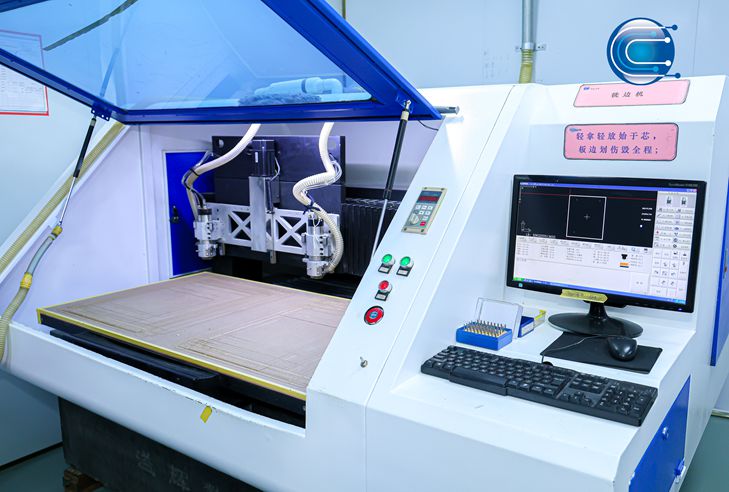
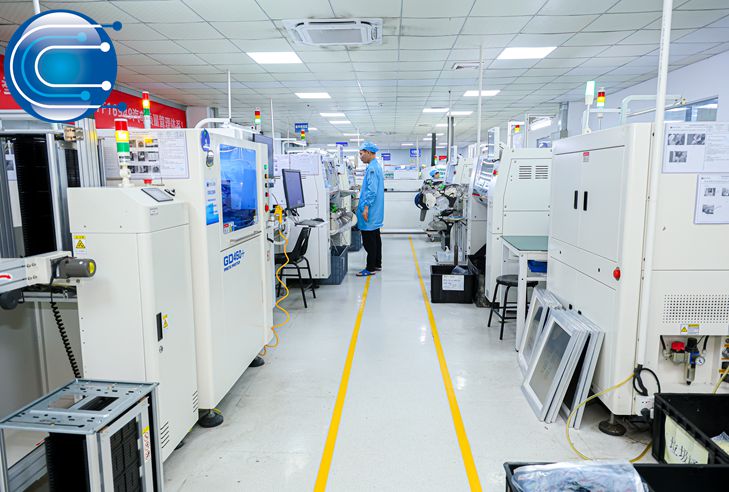
This is where an experienced in‑house manufacturer creates tangible value. Ring PCB provides integrated PCB manufacturing and medical device PCB assembly services under ISO 13485, ISO 9001 and IPC‑Class 3 standards within self‑operated factories. Our engineering team conducts early‑stage DFM reviews focused on medical‑grade reliability, material traceability and change‑control documentation. We manage the full workflow: PCB fabrication, precision SMT assembly, conformal coating, comprehensive inspection and customized functional testing. Whether customers develop portable diagnostic equipment, patient‑monitoring hardware or surgical auxiliary devices, we support projects from prototype validation to stable volume batches with audit‑ready records for global regulatory submissions.
If you are sourcing PCB manufacturing and medical device PCB assembly solutions for your next medical hardware project, send your design files and detailed requirements to rfq@ringpcb.com.