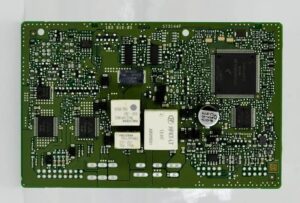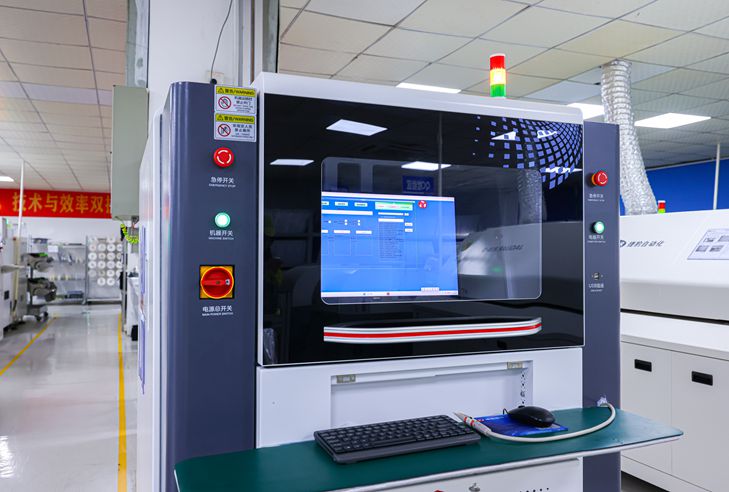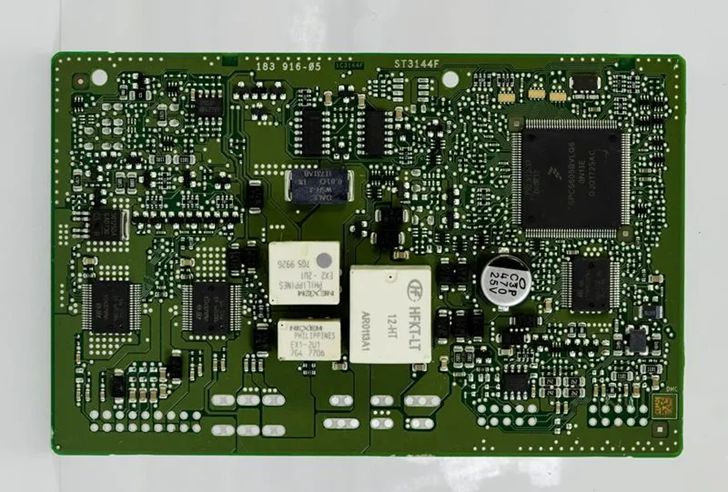
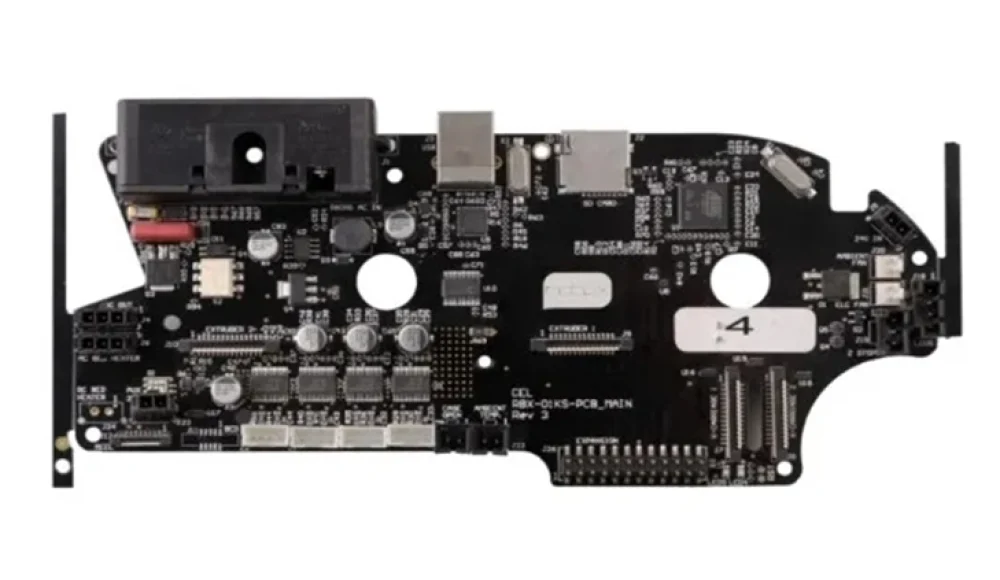
The global industrial automation market continues to expand steadily in 2026. As smart factory adoption accelerates, OEMs launch new generations of controllers, sensor hubs and industrial communication modules at a faster pace. The NPI phase of industrial control PCBA often becomes the main bottleneck. Design revisions, component availability issues and inconsistent quality checks frequently delay product release. A mature full-turnkey PCBA service solves these NPI pain points by integrating all manufacturing stages into one coordinated workflow.
Common NPI Pain Points for Industrial Control PCBA
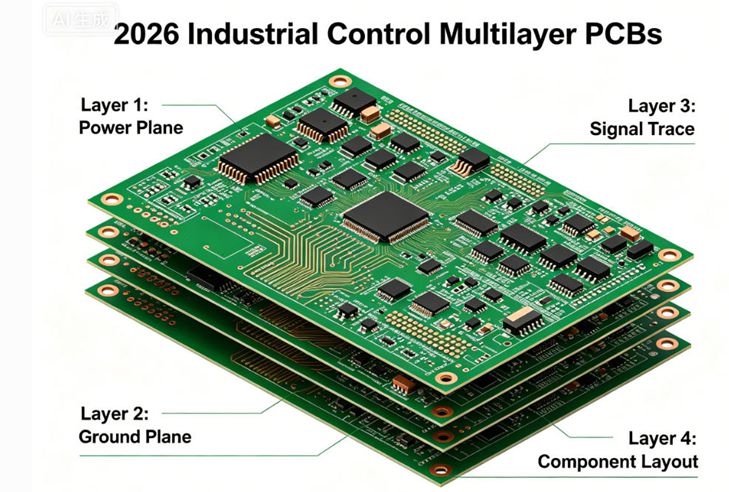
Industrial control PCBA NPI faces multiple unique challenges. First, industrial-grade components often have longer lead times and limited stock. Without early BOM review, engineers may select EOL parts that cannot be sourced for later batch production. Second, multilayer PCB stack-up, thermal dissipation and EMC layout must work seamlessly with SMT assembly. Minor mismatches between PCB design and assembly process cause low first-pass yield. Third, industrial boards require customized testing procedures. Separate vendors seldom coordinate test protocols well, leading to incomplete validation before shipment.
These challenges are amplified when OEMs manage multiple suppliers. Engineers spend excessive time sending updated files, confirming specs and chasing status updates. Small design changes require repeated notifications to all parties, which creates opportunities for human error.
How Full-Turnkey PCBA Service Optimizes Industrial NPI Cycles
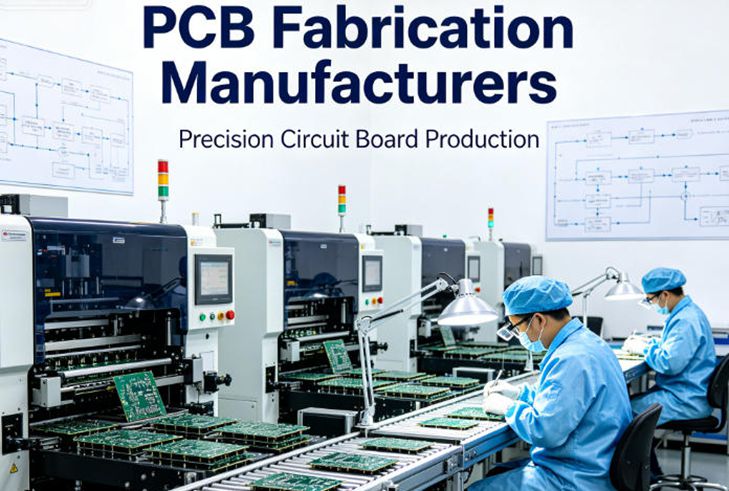
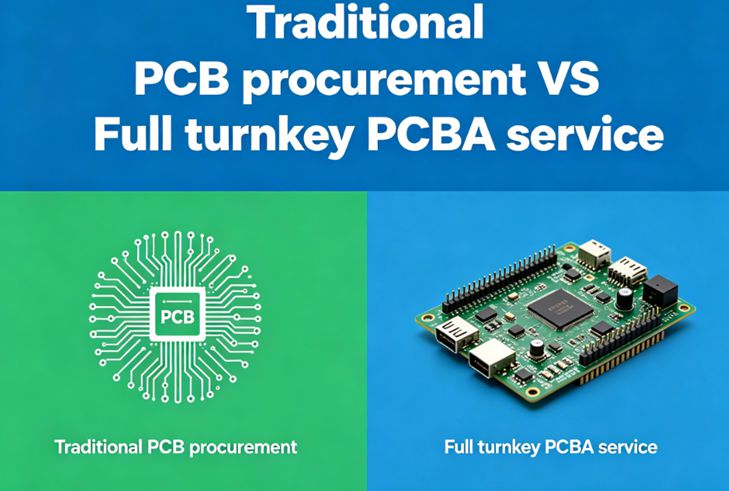
Full-turnkey PCBA service combines BOM validation, PCB fabrication, component procurement, SMT assembly and customized functional testing. The turnkey team reviews your schematic, Gerber and BOM together at the earliest stage. Engineers flag high-risk components, unreasonable pad layout and EMI design flaws before production begins. This unified review greatly reduces revision cycles.
Furthermore, the turnkey provider controls component sourcing from authorized distributors. They monitor component lifecycle and suggest alternative industrial-grade parts when original components face shortages. After assembly, the same team carries out industrial reliability tests and keeps full production records. When adjustments are needed, you only communicate with one engineering team instead of multiple companies. This dramatically reduces coordination overhead for your NPI team.
Balancing Prototyping and Small-Batch Production for Industrial Hardware
Many automation OEMs need flexible production capacity: low-volume prototypes for lab validation, followed by small to medium batches for field trials. A reliable full-turnkey PCBA service can scale smoothly from prototype runs to formal batches while retaining the same industrial quality standards. This consistency avoids performance gaps between prototype and mass-produced industrial control PCBA.
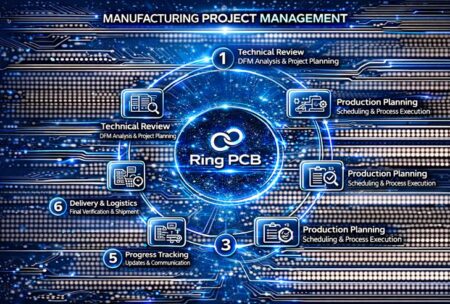
Ring PCB provides end-to-end full-turnkey PCBA service tailored for industrial control PCBA projects. With 18 years of manufacturing experience, we produce high multilayer PCBs up to 62 layers. Our monthly bare PCB output reaches 50,000 ㎡, and we can handle up to 500 PCBA projects monthly. Our team conducts BOM sanity check, DFM optimization and customized reliability testing for automation control boards. We support conformal coating and full test documentation for industrial equipment audits.
If you are working on industrial control PCBA NPI and want to shorten your product launch timeline, submit your design documents for a quotation at rfq@ringpcb.com.