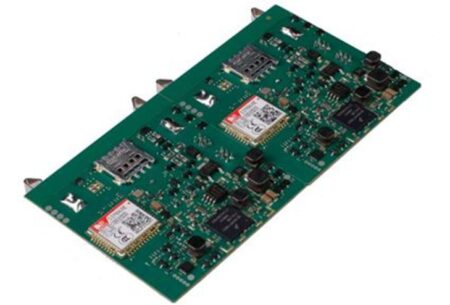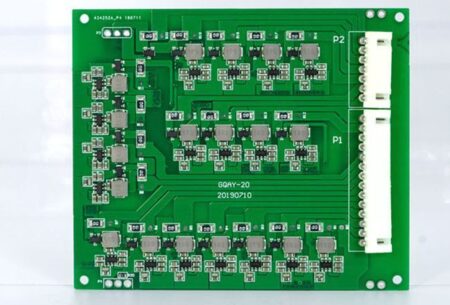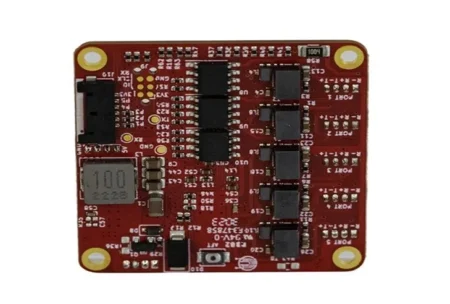

The multilayer PCB market is evolving as electronics manufacturers respond to demand from AI infrastructure, industrial automation, communication networks, and increasingly complex embedded systems.
For OEM purchasing teams, these changes create an important question: how can they secure reliable multilayer PCB manufacturing capacity while retaining flexibility for prototypes, small orders, and future production requirements?
Industry demand does not affect every PCB manufacturer in the same way.
A factory producing conventional multilayer FR-4 boards may face different constraints from a manufacturer specializing in HDI, high-layer-count, or advanced high-speed materials.
Therefore, sourcing decisions in 2026 require a more detailed understanding of manufacturing capability and process-specific capacity.
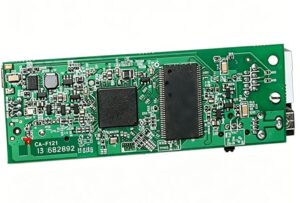
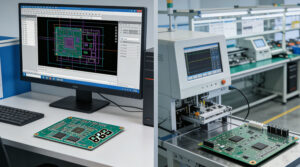
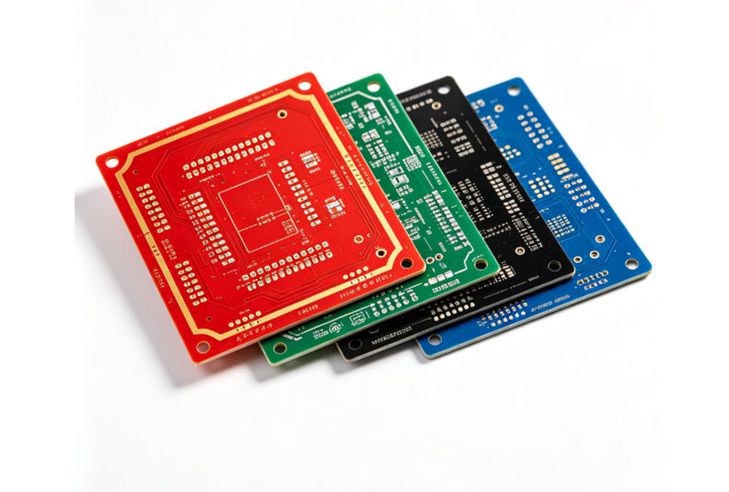
This article examines the trends affecting Multilayer PCB Manufacturing and explains how OEMs can adapt their purchasing strategies.
What 2026 PCB Industry Data Reveals
Recent industry figures show continued activity in the North American PCB market.
According to the Global Electronics Association’s August 2026 statistical report, North American PCB shipments increased 23.5% year over year.
The reported book-to-bill ratio was 1.29, indicating that bookings exceeded billings over the measurement period.
However, the same report showed a decline in August bookings compared with the preceding month.
These figures illustrate why buyers should avoid interpreting a single growth indicator as evidence of universal shortages.
Industry demand can be strong while specific product categories or manufacturing processes experience different conditions.
OEMs should combine market information with project-specific supplier assessments.
AI Infrastructure Is Changing the Complexity Mix
Artificial intelligence infrastructure is increasing interest in high-performance electronic systems.
Servers, data processing equipment, and high-speed networking platforms can require advanced multilayer PCB structures.
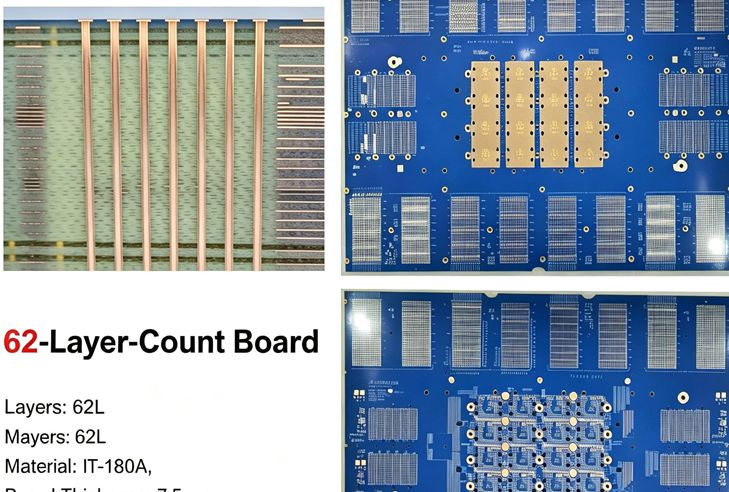
These applications may involve high layer counts, dense interconnections, controlled impedance, and demanding material properties.
Research published by Global Electronics Association contributors in May 2026 identified AI infrastructure, servers, high-layer-count boards, and HDI among the important drivers of PCB market activity.
However, not every multilayer PCB project requires these advanced technologies.
Industrial controllers and embedded devices may use conventional multilayer constructions that meet their requirements effectively.
The purchasing challenge is to identify the actual manufacturing technology required rather than assuming all multilayer boards belong to the same capacity category.
Understand Process-Specific Manufacturing Capacity
PCB factory capacity is not a single interchangeable resource.
Different designs may require different drilling equipment, lamination cycles, plating processes, materials, and inspection methods.
For example, a conventional six-layer FR-4 board may follow a different production route from a high-layer-count board containing complex blind and buried vias.
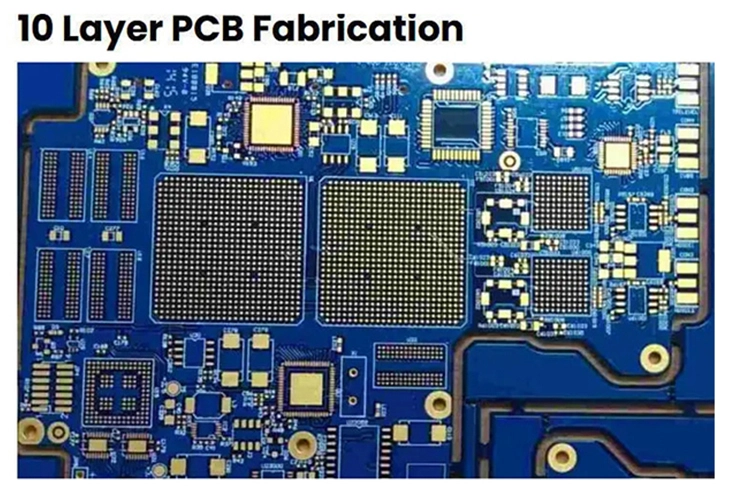
An HDI design may require specialized microvia processes or sequential lamination.
A high-frequency PCB may depend on particular laminate materials and processing controls.
Therefore, OEM buyers should ask whether the supplier has available capacity for the specific PCB technology required.
A general statement about monthly factory output does not necessarily answer this question.
Material Availability Remains a Strategic Consideration
Multilayer PCB manufacturing depends on copper-clad laminates, prepregs, copper foil, and other production materials.
Different board technologies may require different material specifications.
For example, high-speed applications may use materials selected for dielectric performance, while industrial electronics may prioritize thermal characteristics and manufacturing consistency.
S&P Global’s March 2026 electronics supply chain outlook described growing demand associated with AI data-center equipment and pressure on parts of the electronics supply chain.
Although that analysis does not establish a universal shortage of PCB laminates, it highlights the importance of monitoring upstream conditions.
OEMs should confirm material availability for their specific stackup before committing to critical production schedules.
Avoid Over-Specifying Multilayer PCB Technology
Higher complexity does not automatically produce a better PCB.
Additional layers, advanced vias, premium materials, and restrictive tolerances can increase manufacturing requirements.
For some applications, these features are essential.
For others, conventional multilayer construction may provide adequate performance with greater sourcing flexibility.
Engineering teams should define the characteristics required for electrical, thermal, and mechanical performance.
Manufacturing partners can then evaluate feasibility and identify potential constraints.
Any proposed adjustment affecting product requirements must be approved by the customer.
This approach allows OEMs to align technology selection with actual application needs.
Why Quick-Turn Prototyping Still Matters
Even when an OEM expects recurring production, early prototype requirements may differ from later purchasing needs.
During development, the team may require a small quantity of multilayer PCBs to evaluate a new controller, communication module, or embedded platform.
Rapid fabrication can support timely engineering validation.
However, a prototype should preserve the critical specifications required for meaningful testing.
For example, substituting a different dielectric material in a controlled-impedance design may affect the interpretation of test results.
The manufacturer should therefore confirm which requirements can be supported within the requested turnaround time.
Fast prototypes should help reduce engineering uncertainty, not introduce new uncertainty.
Flexible Orders Support Uncertain Market Demand
OEM demand forecasts are not always stable.
Customer projects may be delayed, product configurations may change, or new orders may arrive unexpectedly.
In this environment, flexible PCB purchasing can reduce the need for excessive inventory.
Small-batch fabrication may be appropriate for custom industrial equipment or early customer orders.
Scheduled repeat batches may be more suitable for stable products with predictable demand.
The purchasing model should reflect product maturity and business requirements.
Buyers should discuss minimum order quantities, quantity breaks, revision control, and delivery arrangements with the manufacturer.
These conditions should be confirmed rather than assumed.
Compare Suppliers by Technical Fit
A supplier suitable for one multilayer PCB project may not be ideal for another.
An OEM should evaluate manufacturing capability against the actual board specification.
Important questions include whether the supplier supports the required layer count, materials, drilling structures, controlled impedance, and inspection requirements.
The buyer should also understand how engineering questions are handled and how changes are approved.
For complex projects, manufacturing communication can be as important as equipment capability.
A supplier that identifies technical constraints early may help prevent problems that become more expensive after production begins.
The objective is to select a manufacturing partner whose capabilities match the project rather than relying only on general marketing claims.
Build a More Resilient PCB Sourcing Plan
A practical sourcing strategy should begin with clear technical requirements.
OEMs can classify boards according to manufacturing complexity, material dependence, expected volume, and delivery criticality.
Standard multilayer products may follow one purchasing approach.
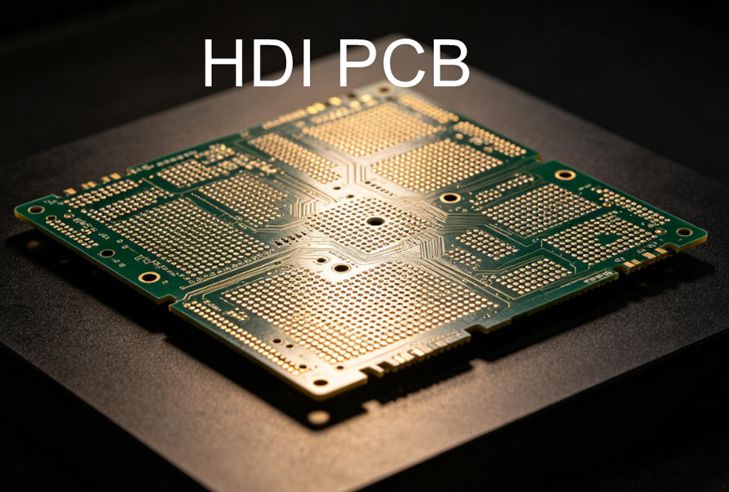
Specialized high-frequency or HDI products may require earlier material and capacity confirmation.
For recurring products, forecast information can help suppliers evaluate production planning requirements.
For development projects, small initial quantities may provide greater flexibility.
Where multiple suppliers are considered, OEMs should ensure that all quotations use the same approved specifications and acceptance criteria.
This makes technical and commercial comparisons more reliable.
Coordinate PCB Manufacturing With Assembly Requirements
Many multilayer PCB projects ultimately require populated and tested assemblies.
Consequently, sourcing decisions should consider downstream manufacturing needs.
Board dimensions, surface finish, panelization, and component packaging can affect assembly preparation.
A PCB fabrication plan that ignores these requirements may create additional work later.
Integrated PCB and PCBA manufacturing services can help coordinate the relevant activities.
However, the scope of assembly, component sourcing, inspection, and functional testing should be confirmed separately.
A realistic production plan connects these dependencies without assuming that one supplier can eliminate every manufacturing risk.
Multilayer PCB Manufacturing Support From Ring PCB
In a changing electronics market, OEMs need manufacturing partners that understand both technical requirements and purchasing flexibility.
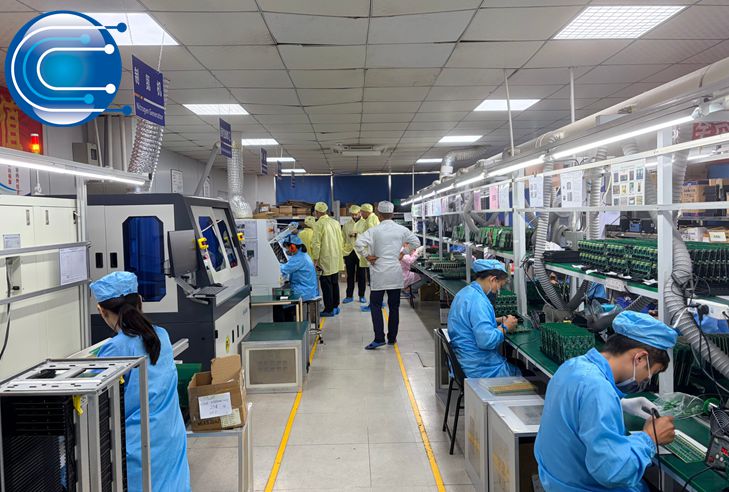
Ring PCB provides multilayer PCB fabrication, prototype manufacturing, engineering DFM review, component sourcing, SMT and THT assembly, and full-turnkey PCBA services.
Its manufacturing approach supports customers developing industrial controllers, communication electronics, embedded devices, and other custom PCB-based products.
For projects involving complex multilayer structures, small prototype quantities, or recurring manufacturing requirements, early technical review can help clarify production options.
Send your Gerber files, stackup specifications, quantities, and target delivery requirements to rfq@ringpcb.com to discuss your project.
References
- Global Electronics Association. North American PCB Shipments Jump 23.5% in August, Extending Strong 2026 Growth. September 2026.
https://www.publicnow.com/view/D1D3142FCBE365FBBDA1160F27FC38B2F4B085C4 - Global Electronics Association contributors. An Active, Growing PCB Industry Tilts Toward High-Complexity Leaders. May 21, 2026.
- S&P Global Market Intelligence. Electronics Supply Chain Outlook. March 2026.
- IPC. IPC Releases IPC-6012F, Qualification and Performance Specification for Rigid Printed Boards.
- Ring PCB. PCB Manufacturing and Assembly Services.
https://www.ringpcb.com/