
Choosing a multilayer PCB manufacturer for a complex electronics project involves more than comparing quotations and production lead times. As circuit boards become more intricate, OEMs must assess whether a supplier can coordinate layer construction, manufacturing tolerances, material requirements, inspection, and production documentation.
For advanced computing, communication infrastructure, industrial electronics, and other demanding applications, a high-layer-count PCB can introduce significant manufacturing coordination challenges. The right supplier should understand both the technical requirements of the board and the commercial requirements of the project.
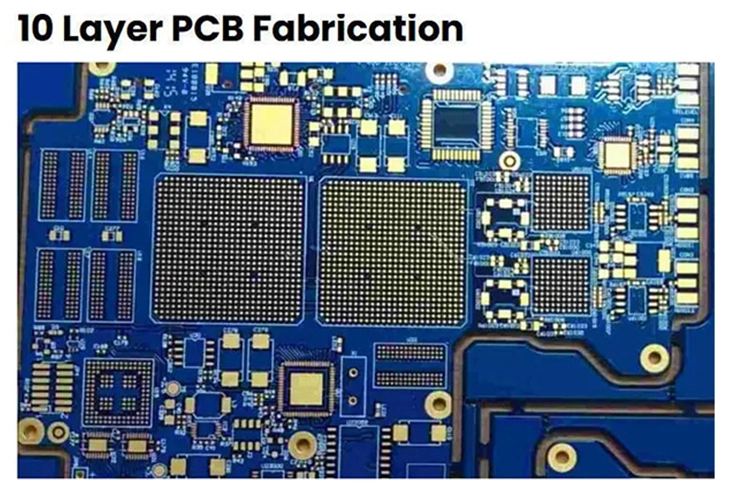
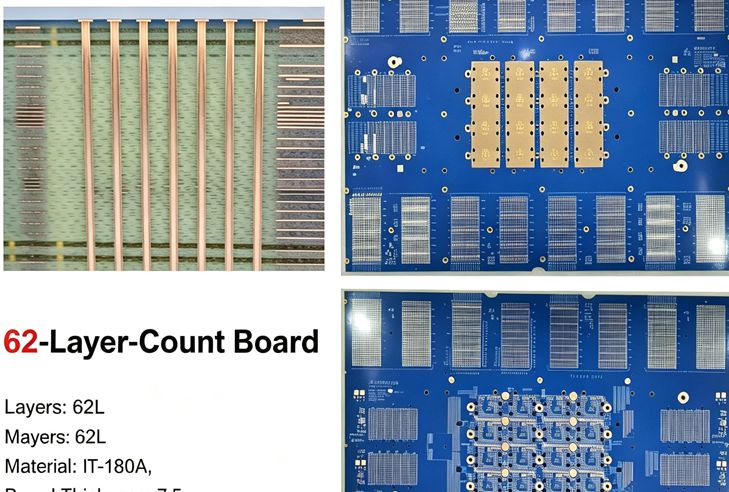
Founded in 2008, Ring PCB manufactures multilayer printed circuit boards and provides PCB assembly and full-turnkey electronics manufacturing services. Its published capabilities include multilayer PCB fabrication up to 62 layers, supporting customers with complex interconnection requirements.
Why High-Layer-Count PCB Projects Need a Different Evaluation
A high-layer-count PCB is not simply a conventional board with more copper layers. Increasing the number of layers creates additional requirements for stackup coordination, layer registration, lamination, drilling, and electrical connectivity.
For example, a board used in a high-performance computing system may need to accommodate dense routing, multiple power distribution layers, and high-speed signal paths. Meanwhile, an industrial control board may prioritize a combination of signal isolation, power handling, and long-term operating stability.
These different requirements mean that layer count alone cannot determine whether a board is manufacturable.
OEMs should evaluate the complete construction, including finished thickness, copper weight, material properties, via structures, and critical tolerances.
Start With Stackup Feasibility
The stackup defines how conductive and dielectric layers are arranged throughout the PCB.
Before selecting a supplier, engineering teams should prepare the proposed layer structure and identify the functions of critical layers. These may include signal routing, ground references, power distribution, and shielding.
The manufacturer should review whether the proposed construction is compatible with the specified board thickness, dielectric spacing, copper requirements, and drilling features.
This review is particularly important when the design combines high layer counts with fine geometries or demanding electrical performance.
A practical stackup review should also consider manufacturability. If the requested construction creates unnecessary process complexity, the engineering teams can discuss whether an alternative arrangement meets the same electrical and mechanical objectives.
Assess Layer Registration and Lamination Control
As the number of layers increases, maintaining alignment throughout fabrication becomes increasingly important.
Layer registration affects the relationship between internal copper features and drilled holes. Lamination quality influences the bonding of copper layers and dielectric materials.
OEMs should ask how the manufacturer controls inner-layer alignment, material preparation, lamination parameters, and drilling accuracy.
They should also clarify which tolerances are achievable for the specific board construction rather than relying on generic capability statements.
The goal is to establish whether the supplier can manufacture the actual design consistently, not merely whether it accepts high-layer-count orders.
Review Drilling, Via Structures, and Electrical Connectivity
High-layer-count designs may use plated through-holes and other interconnection structures to connect different circuit layers.
The feasibility of these features depends on board thickness, hole diameter, aspect ratio, copper requirements, and the intended electrical function.
For this reason, drilling requirements should be reviewed alongside the stackup rather than treated as an isolated manufacturing detail.
OEMs should also confirm the bare-board electrical testing method and the acceptance criteria for open and short circuits.
Where specialized via structures or unusual drilling requirements are involved, the manufacturer should review the complete fabrication data before confirming feasibility.
Check Inspection and Documentation Requirements
For complex multilayer PCBs, quality assurance should be planned around the risks of the specific design.
Depending on the order, inspection may include dimensional verification, visual examination, electrical testing, and additional structural checks specified by the customer.
Manufacturing records should identify the approved data revision and applicable acceptance requirements.
This is particularly important when the same PCB will be reordered or assembled at a later date.
Clear documentation helps prevent confusion when drawings, material specifications, or engineering requirements change between production runs.
Consider the Entire Product Lifecycle
A capable multilayer PCB supplier should support more than the initial fabrication order.
OEMs may need prototype boards, engineering revisions, qualification samples, and subsequent production batches.
During this process, material availability and specification control can become as important as the original manufacturing quotation.
Customers should clarify how revised fabrication data will be handled and how changes to materials or approved requirements will be communicated.
If the project also requires component sourcing and assembly, coordinating these stages with one manufacturing partner may simplify communication and scheduling.
How Ring PCB Supports Complex Multilayer PCB Projects
Ring PCB was established in 2008 and publishes a maximum multilayer PCB manufacturing capability of 62 layers. Its services include PCB fabrication, component sourcing, SMT and through-hole assembly, inspection, and full-turnkey PCBA manufacturing.
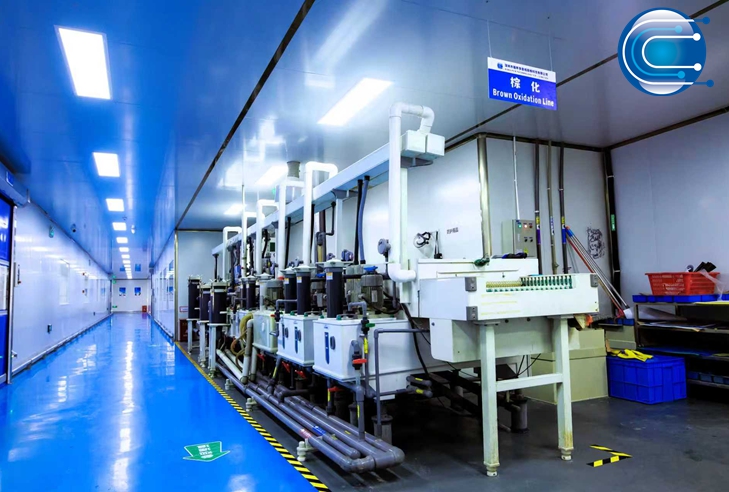
For OEMs evaluating complex PCB constructions, Ring PCB can review submitted Gerber files, stackup information, material requirements, quantities, and target schedules to assess project-specific manufacturing needs.
The company also offers rapid PCB prototyping in as little as 3 days for qualifying projects. Actual lead times depend on board complexity, material availability, and agreed manufacturing requirements.
When comparing a multilayer PCB manufacturer, buyers should look beyond the maximum layer count. Stackup feasibility, process control, inspection scope, communication, and repeat-order support all contribute to a successful manufacturing partnership.
To discuss a multilayer PCB project, contact rfq@ringpcb.com.
References
- Ring PCB. About Ring PCB. https://www.ringpcb.com/about-us/
- Ring PCB. PCB and PCBA Manufacturing Services. https://www.ringpcb.com/