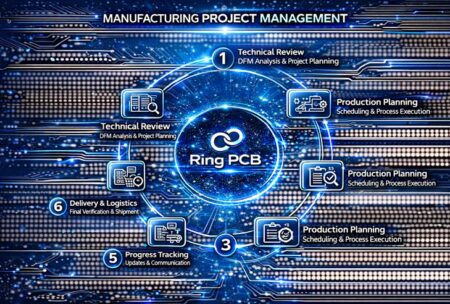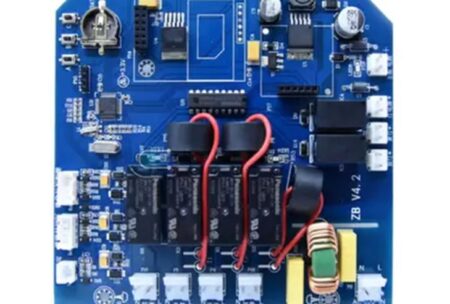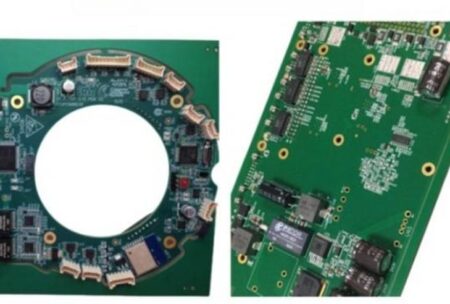
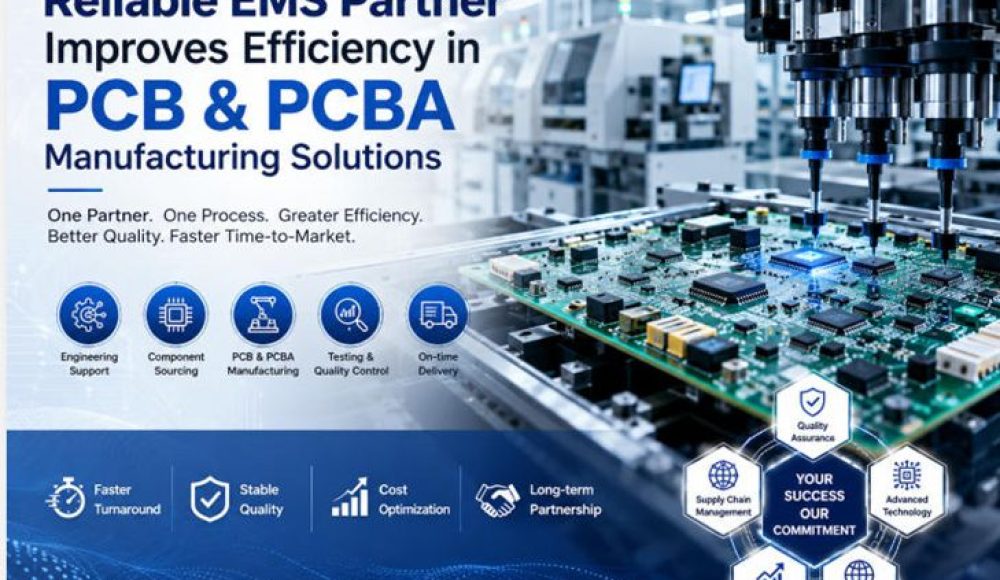
As electronic products become more complex, OEMs must coordinate an increasing number of manufacturing activities. PCB fabrication, component procurement, printed circuit board assembly, inspection and production scheduling all need to work together. Managing these activities across multiple suppliers can increase communication costs, complicate delivery planning and make quality coordination more difficult.
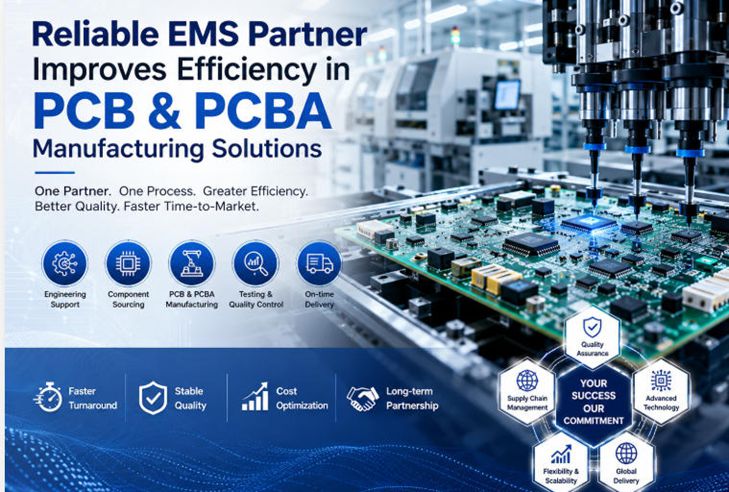
An EMS solution, or Electronics Manufacturing Services solution, helps OEMs organize key manufacturing activities through an external manufacturing partner. Depending on the provider’s capabilities and the project scope, EMS may cover PCB fabrication, component sourcing, PCB assembly, inspection and other production-related services.
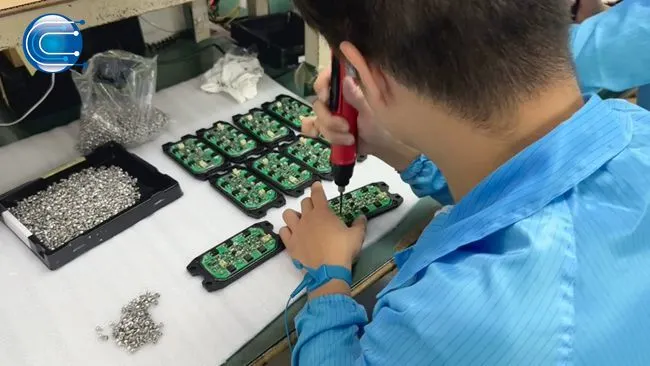
For OEMs that want to focus internal resources on product development, sales and market growth, a well-matched EMS partner can simplify manufacturing coordination and support more predictable production.
1. What Is an EMS Solution?
EMS stands for Electronics Manufacturing Services. An EMS provider supports OEMs with outsourced electronics manufacturing activities. The exact scope varies by supplier, but common services include:
- PCB fabrication
- Electronic component sourcing
- Surface Mount Technology (SMT) assembly
- Through-hole component assembly
- Assembly inspection and quality control
- Production coordination and order management
Some EMS providers also offer additional services, such as product engineering, enclosure assembly or system-level integration. However, these services are not included in every EMS arrangement. OEMs should confirm the actual scope of a provider before selecting a manufacturing partner.
The central purpose of an EMS solution is to coordinate manufacturing resources and processes so that the OEM can obtain the required electronic assemblies without managing every production activity independently.
2. Why OEMs Work with EMS Providers
Outsourcing electronics manufacturing is not simply a way to reduce factory investment. It can also help OEMs manage production complexity and respond to changing demand.
Simplified supplier coordination
When PCB fabrication, component sourcing and assembly are managed through separate suppliers, the OEM must coordinate specifications, schedules, material deliveries and quality issues across multiple organizations. An EMS partner that covers the relevant manufacturing stages can reduce the number of separate interfaces.
Access to manufacturing resources
Building and maintaining an electronics manufacturing facility requires investment in equipment, production space, trained personnel and inspection systems. Working with an EMS provider gives OEMs access to manufacturing resources without having to establish every capability internally.
More flexible production planning
Demand can change as products move from prototype to pilot production and then to larger orders. An EMS partner may help coordinate different production quantities, subject to its available capacity, process capabilities and commercial terms.
Improved material coordination
Component availability can affect the entire production schedule. When sourcing and assembly are coordinated, material planning can be aligned more closely with the manufacturing plan. This does not eliminate supply-chain risk, but it can improve visibility and communication.
3. Key Factors in Selecting an EMS Provider
Not every EMS provider is suitable for every OEM. The right choice depends on product complexity, production volume, quality expectations and the level of manufacturing support required.
Manufacturing Scope and Technical Compatibility
Start by identifying which activities need to be outsourced. Some OEMs require PCB fabrication and PCBA assembly, while others may need component sourcing or additional production services.
Review whether the provider can handle the actual board specifications, component packages, assembly technology and production quantities. For projects involving multilayer PCBs, fine-pitch components or mixed SMT and through-hole assembly, confirm that the provider has relevant manufacturing capability.
Quality Management and Process Control
Quality should be considered throughout the manufacturing process, not only at the final inspection stage. Ask how the provider manages incoming materials, soldering processes, assembly inspection, first article verification and nonconforming products.
AOI and X-ray inspection may be relevant depending on the assembly structure. Electrical or functional testing should be discussed where it is required and included in the agreed project scope.
IPC-A-610 is widely used as a reference for electronic assembly acceptability. OEMs should define the applicable acceptance criteria and any additional inspection requirements with the manufacturing partner.
Component Sourcing and Supply Chain Visibility
An EMS provider may support component procurement, but the OEM should understand how the supplier manages BOM accuracy, sourcing channels, lead times and proposed alternatives.
For long-lifecycle or high-reliability products, component changes should be carefully reviewed. Any alternative part should be assessed against the relevant electrical, mechanical and assembly requirements and approved through the agreed change process.
Capacity and Delivery Planning
A supplier’s capacity should be assessed against the OEM’s expected production profile. Consider prototype quantities, forecast demand, repeat orders and possible volume changes.
Ask how the provider calculates lead time and whether the quotation accounts for PCB fabrication, component procurement, assembly, inspection and logistics. A realistic schedule with clear assumptions is more useful than a short lead-time promise that does not reflect material availability or project complexity.
4. EMS Trends: Resilience, Visibility and Smart Manufacturing
Electronics manufacturing is being shaped by changes in technology and supply-chain expectations. OEMs increasingly need manufacturing partners that can respond to demand fluctuations, communicate material risks and maintain consistent production processes.
Smart manufacturing is one important development. Deloitte’s 2026 Manufacturing Industry Outlook reports that 80% of 600 surveyed manufacturing executives planned to allocate at least 20% of their improvement budgets to smart manufacturing initiatives. The report also identifies supply-chain complexity and digital tools for risk management as major industry considerations.
For OEMs, the practical implication is not that every EMS project needs advanced automation or artificial intelligence. Instead, buyers should look for manufacturing partners that use appropriate production and inspection resources, maintain clear process information and communicate issues in a timely manner.
Supply-chain resilience is another important consideration. Component shortages, extended lead times and changing sourcing conditions can affect production continuity. OEMs can work with EMS providers to identify critical components, review procurement schedules and agree on how substitutions or sourcing changes will be handled.
5. Building a More Effective OEM–EMS Partnership
An EMS arrangement works best when both parties have a clear understanding of responsibilities and project requirements.
OEMs can improve cooperation by preparing complete manufacturing documentation, including:
- Gerber files and PCB specifications
- BOM with manufacturer part numbers
- Assembly drawings and polarity information
- Required quality and inspection criteria
- Production quantities and delivery expectations
- Relevant packaging and handling requirements
The EMS provider can then review the supplied information, clarify manufacturing questions and coordinate the agreed production scope. Changes to files, components or specifications should be communicated and approved before implementation.
This approach helps reduce misunderstandings and gives both parties a clearer basis for production planning.
EMS Manufacturing Support from Ring PCB
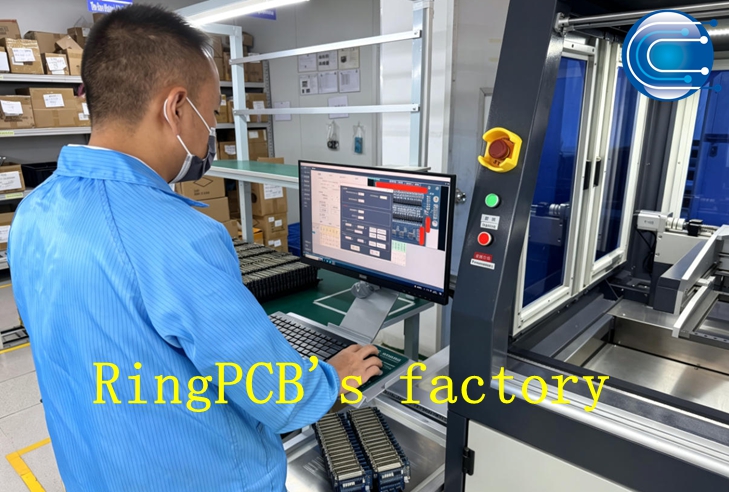
Ring PCB provides PCB fabrication and PCBA manufacturing services for OEM customers. Its manufacturing scope includes PCB production, component sourcing, SMT assembly, through-hole assembly and production quality inspection.
With a 10,000-square-meter company-owned factory and advanced first article inspection equipment, Ring PCB supports customers through key stages of electronics manufacturing. The company can manufacture multilayer PCBs of up to 62 layers. For suitable projects, PCB prototyping may be completed in as little as 3 days, while qualifying PCB/PCBA production schedules may be as short as 7 days. Actual lead times depend on technical requirements, project complexity, material availability and confirmed production arrangements.
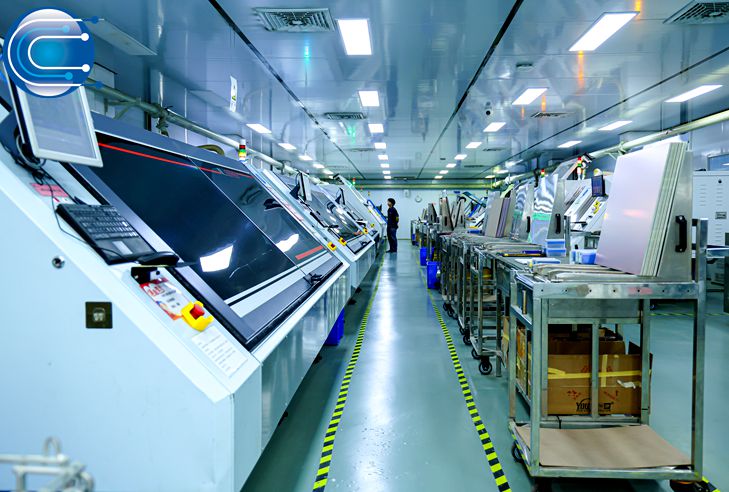
Customers considering an EMS manufacturing project can provide Gerber files, BOM data and relevant technical specifications for a detailed project discussion. The manufacturing scope, feasibility and schedule can then be evaluated according to the actual requirements.
If your company is looking for a PCB and PCBA manufacturing partner, contact Ring PCB at rfq@ringpcb.com.
References:
- Deloitte — 2026 Manufacturing Industry Outlook
- Global Electronics Association — Global EMS Industry Report 2025
- IPC — IPC-A-610, Acceptability of Electronic Assemblies