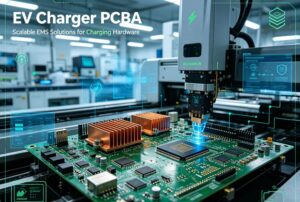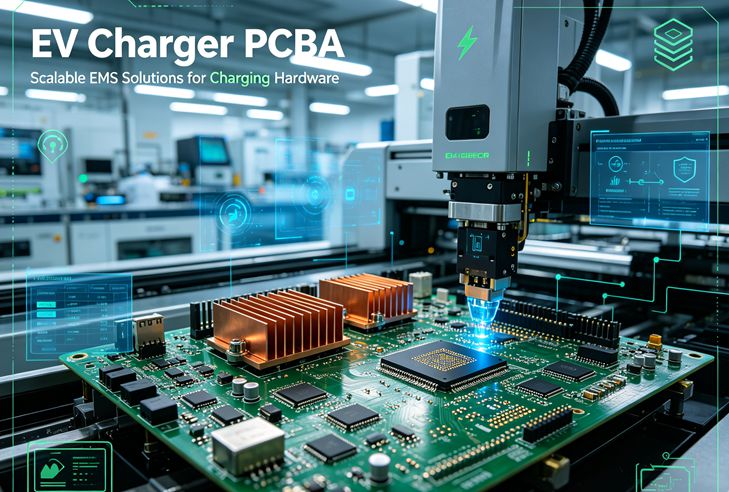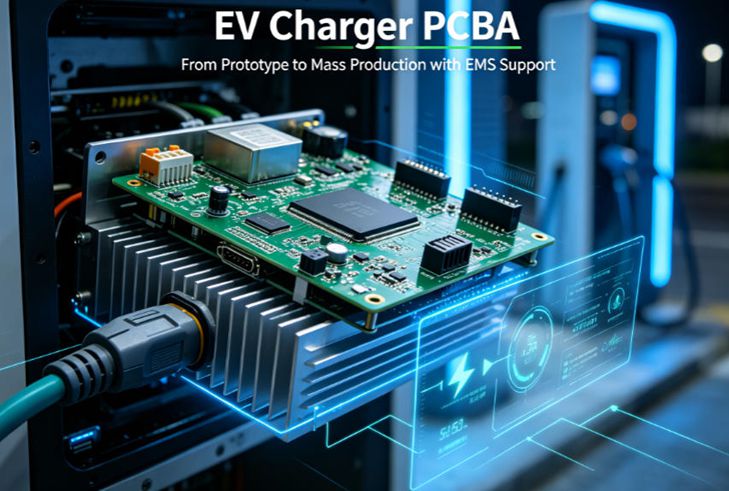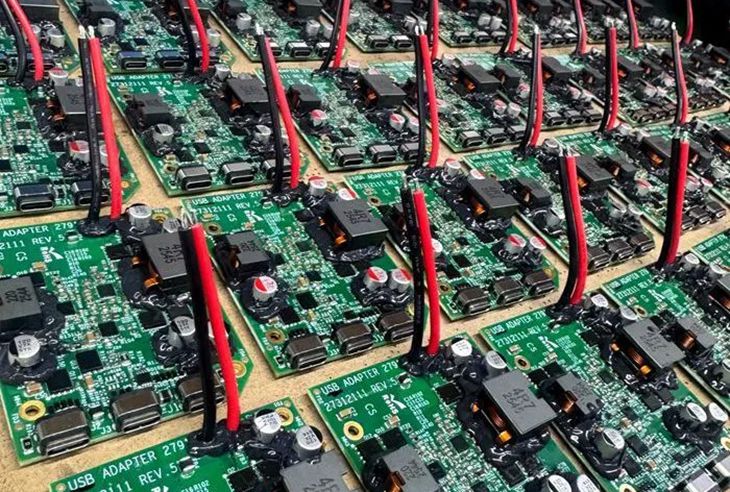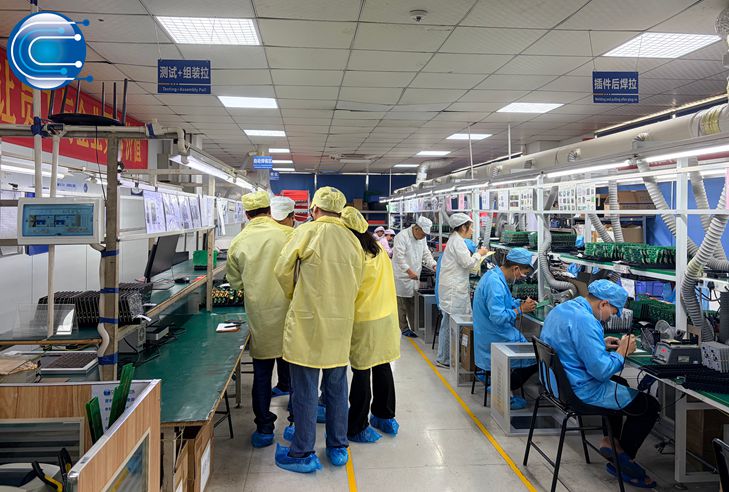
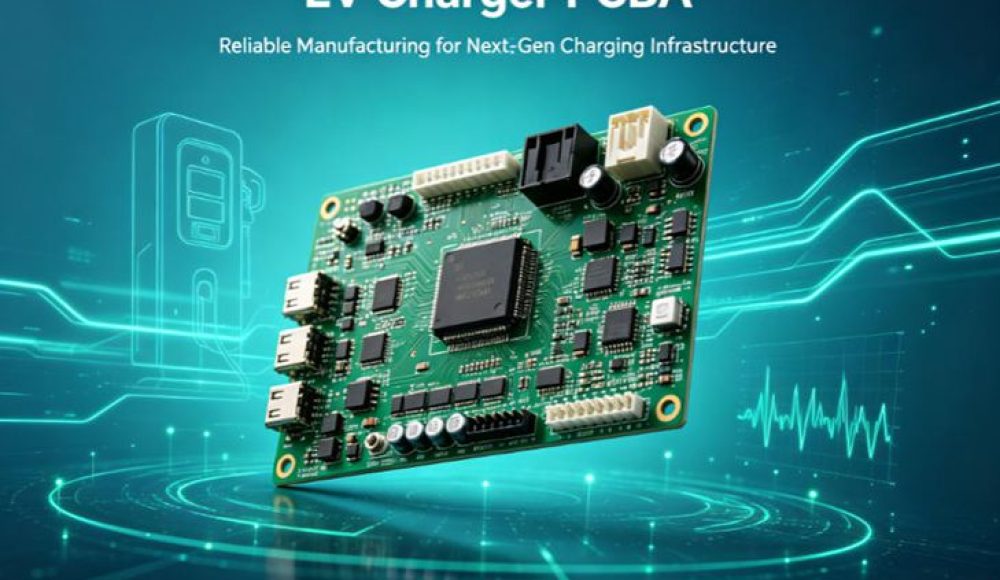
As EV adoption accelerates across global markets, OEMs face the dual pressure of fast product iteration and controllable mass‑production costs. Many teams encounter bottlenecks when scaling EV charger PCBA from lab prototype to commercial volume: component shortage risks, yield fluctuation, long lead‑time and unexpected hidden costs. In this context, end‑to‑end EMS solutions offer a practical path for cost‑effective scaling for charging‑hardware enterprises.
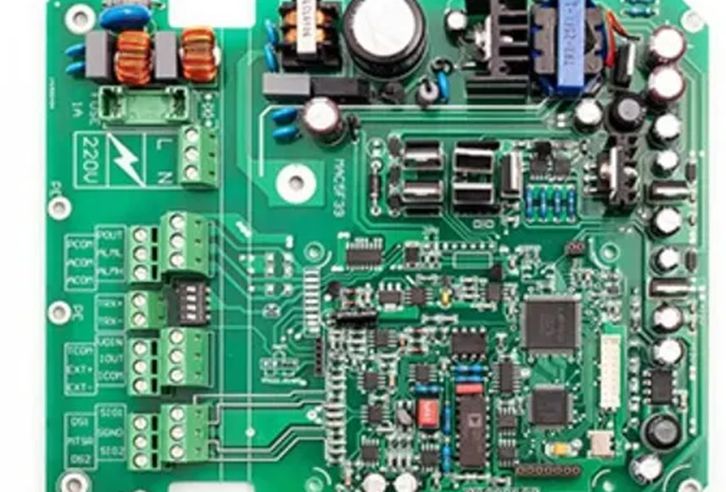
Prototype‑to‑Volume Gap: Main Pain Points for EV Charger PCBA Projects
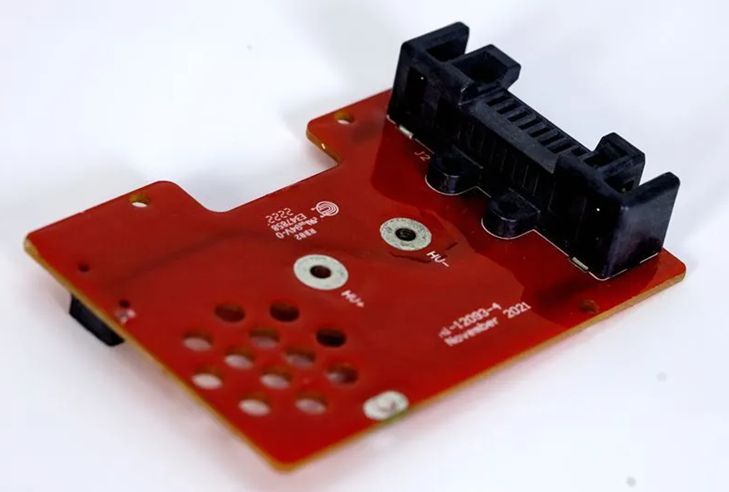
Numerous R&D teams successfully finish functional prototypes, yet struggle once entering mass‑production phase. Supply‑chain volatility remains a primary challenge. Key power components for EV charger PCBA still face periodic lead‑time fluctuation, and fragmented sourcing will trigger production line stops. Besides, without process adjustment for high‑current PCBA features, mass‑production yield may drop sharply even if prototypes work perfectly.
In addition, hidden costs often get underestimated. Those include rework expense caused by poor assembly quality, extra testing fees for certification preparation, and overtime logistics costs when facing delivery delays. According to 2026 industry procurement surveys, nearly 68 % of EV hardware buyers report unexpected extra costs during scaling phases, mostly stemming from immature manufacturing partners.
How EMS Solutions Resolve Supply‑Chain & Scaling Challenges
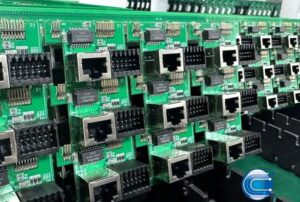
To begin with, qualified EMS providers integrate component sourcing inside their service scope. They maintain stable supplier relationships for automotive‑grade power semiconductors, capacitors and connectors, helping customers mitigate component‑shortage risks. Meanwhile, experienced EMS engineers carry out process validation during pre‑production trial runs. They adjust reflow parameters, fixture design and testing schemes specifically for EV charger PCBA heavy‑copper layouts to stabilize mass‑production yield.
Moreover, scalable EMS workflows support flexible‑volume demands. Whether customers need low‑volume pilot batches or large‑scale commercial orders, mature EMS facilities adjust production allocation accordingly. Many international clients also benefit from built‑in documentation support for global compliance, including test reports required for CE, TUV or other regional certifications. This shortens the overall product‑launch timeline significantly.
Practical Tips for OEMs to Maximize Value from EMS Partnership
First, share long‑term forecast data with your EMS partner as early as possible. Early‑stage information sharing helps the EMS team arrange component stocking and production planning. Second, clarify acceptance criteria for EV charger PCBA, including void‑rate limits, burn‑in requirements and traceability rules, rather than only providing Gerber files and BOM lists. Third, reserve time for pre‑production trial batches; rushing directly to full mass production creates avoidable financial risks.
It is worth noting that cost optimization does not mean pursuing the lowest unit price. The real value of EMS solutions lies in lowering total project cost by reducing rework, return rate and schedule loss.
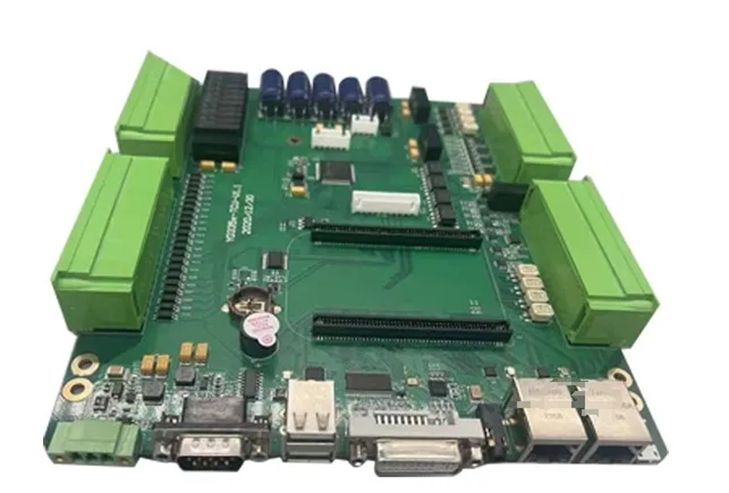
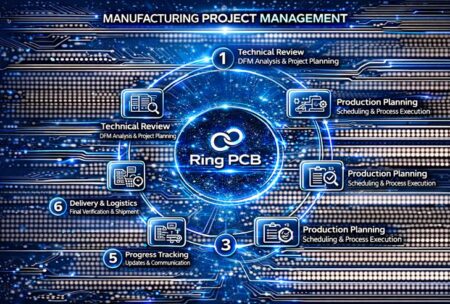
Ring PCB provides one‑stop EMS services for EV charger PCBA, covering DFM review, component procurement, assembly and comprehensive reliability testing. We support flexible‑volume orders for global EV‑charging OEMs, helping clients smoothly expand from prototype to mass‑market deployment.
Please contact rfq@ringpcb.com for your project quotation and technical consultation.