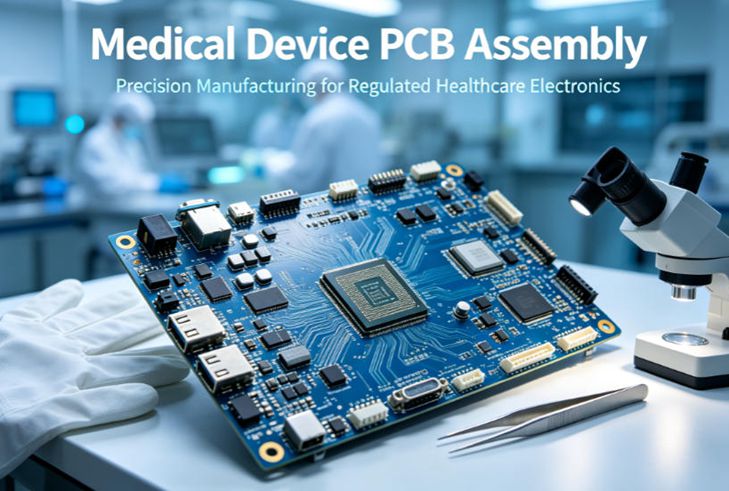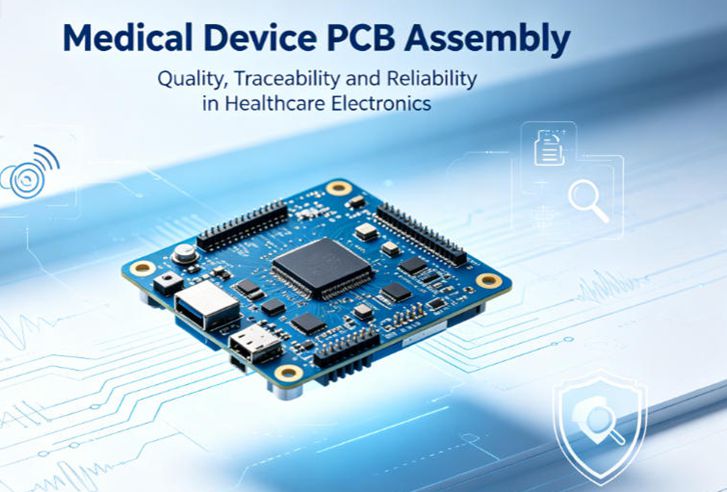
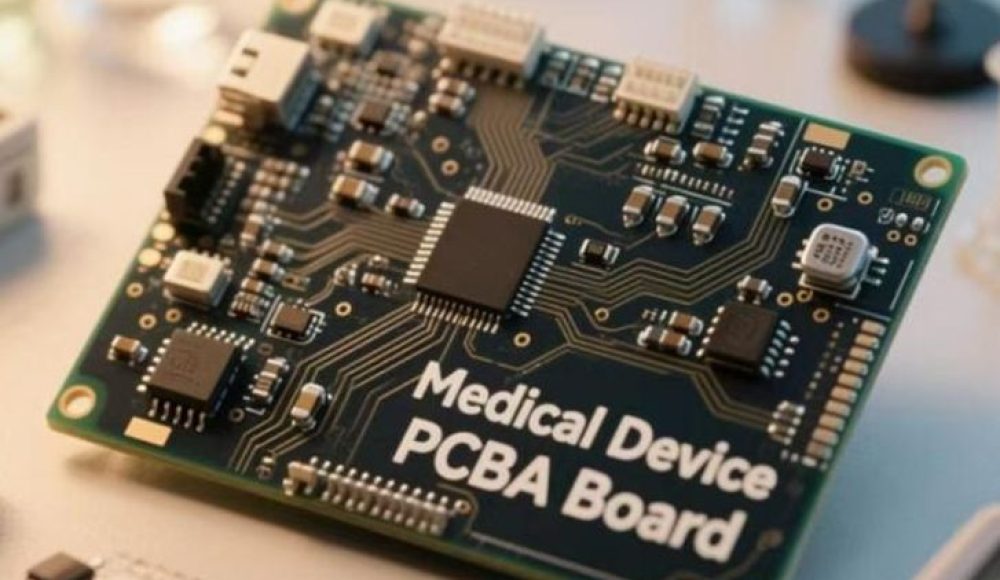
Medical Device PCBA manufacturing requires more than accurate component placement. Your healthcare electronics must deliver consistent performance, maintain signal integrity, and meet applicable quality and regulatory requirements throughout their intended service life. Whether you are developing a patient monitor, a diagnostic instrument, or a portable medical device, manufacturing decisions can affect product reliability, development schedules, and long-term supply continuity.
Choosing an experienced manufacturing partner helps you manage these challenges from prototype development to volume production. Ring PCB, a Shenzhen-based PCB and PCBA manufacturer founded in 2008, provides PCB fabrication, component sourcing, SMT and through-hole assembly, testing, and quality inspection. With a 10,000-square-meter manufacturing facility, 500 employees, and ISO 13485 certification, Ring PCB supports customized healthcare electronics projects with integrated manufacturing services.
Key Requirements for Medical Device PCBA Manufacturing
1. Quality Management and Traceability
Medical electronics manufacturers need documented processes that support consistent production and effective investigation of potential defects. A suitable PCBA supplier should maintain inspection records, production documentation, and component traceability appropriate to the project.
ISO 13485 is a quality management system standard specifically designed for medical device organizations and their applicable supply chains. However, supplier certification alone does not establish that a finished medical device complies with every applicable regulation.
When evaluating a medical PCB assembly manufacturer, ask about:
- Component lot identification and traceability.
- Incoming material inspection and supplier controls.
- Documented assembly and inspection procedures.
- Nonconformance handling and corrective actions.
- Production records and change management.
2. Precision Assembly and Signal Integrity
Modern healthcare equipment often combines compact circuit layouts with sensitive analog signals, digital processing, and communication interfaces. Poor solder joints, unsuitable component substitutions, or inadequate PCB design can compromise electrical performance.
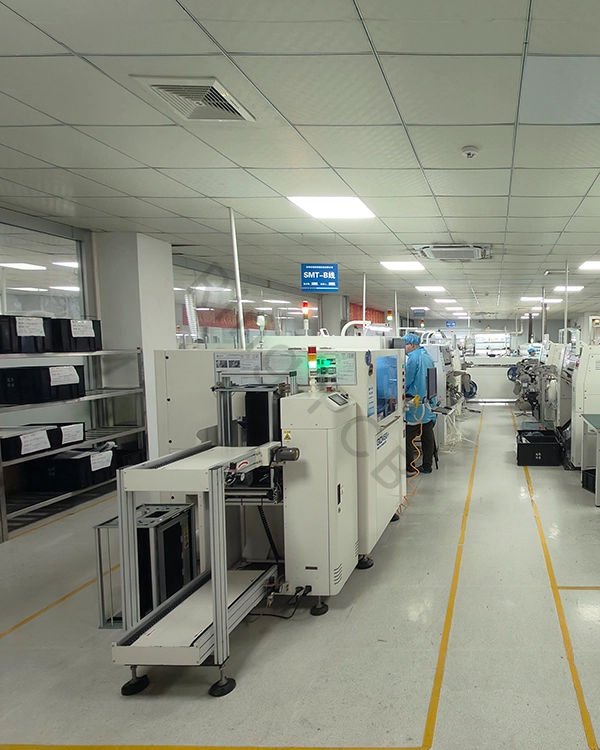
Your manufacturing partner should have the equipment and engineering expertise to handle fine-pitch components, multilayer boards, and project-specific assembly requirements. Ring PCB uses SMT placement equipment, lead-free reflow ovens, AOI, and X-ray inspection systems to support precision manufacturing and assembly.
Depending on your design, additional measures may include impedance control, thermal management, electrical testing, and functional verification.
3. Reliability and Long-Term Supply
Medical equipment may remain in service for years, making component availability and manufacturing consistency important considerations. Your supplier should help identify obsolete components, evaluate approved alternatives, and maintain configuration records when changes are necessary.
For example, a manufacturer developing a portable diagnostic device may need a compact multilayer PCB, low-power components, and stable signal acquisition. Early engineering reviews can identify assembly constraints before they cause costly prototype revisions or production delays.
Typical Medical Device PCBA Specifications
Medical PCBA requirements vary by device design, electrical characteristics, and intended application. The following specifications provide a starting point for technical discussions rather than universal requirements.
| Parameter | Typical Project Range or Option |
|---|---|
| PCB layer count | 2–12 layers for the described configuration; custom designs available |
| PCB materials | FR-4, high-Tg materials, or Rogers, subject to design requirements |
| Surface finish | ENIG, HASL, or OSP |
| Minimum trace width/spacing | 0.1 mm / 0.1 mm, subject to design verification |
| PCB thickness | 0.6–2.0 mm for the described configuration |
| Assembly methods | SMT and through-hole |
| Inspection options | AOI, X-ray, and functional testing |
| Production volume | Prototypes, small batches, and mass production |
Before placing an order, confirm whether the proposed material, tolerances, assembly process, and test coverage meet your product specifications. High-speed diagnostic equipment and compact wearable devices may require substantially different PCB layouts and validation procedures.
Medical Device PCBA vs. General Electronics Assembly
Although both manufacturing processes use PCB fabrication and component assembly, healthcare projects may require additional documentation, risk controls, and validation activities.
| Evaluation Factor | General Electronics PCBA | Medical Device PCBA |
|---|---|---|
| Quality management | Based on product and customer requirements | Must address applicable medical quality requirements |
| Traceability | Depends on project specifications | Often requires more detailed production and component records |
| Design validation | Depends on intended use | May involve documented verification and validation |
| Reliability planning | Application-specific | Must consider device risks and intended service life |
| Regulatory considerations | Vary by market and product | May involve medical device regulations and applicable safety standards |
The appropriate process depends on your product classification, intended use, and target markets. Discuss these requirements early so your supplier can align manufacturing documentation and testing with your quality plan.
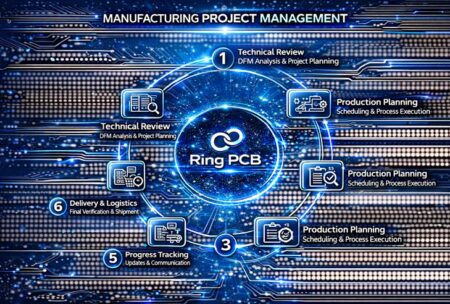
How to Start a Medical Device PCBA Project
A structured process helps reduce manufacturing risks and keeps engineering, procurement, and quality teams aligned.
- Submit your design files. Provide Gerber data, BOM, pick-and-place files, assembly drawings, and relevant design notes.
- Review engineering requirements. Confirm PCB materials, layer count, component packages, tolerances, and any controlled-impedance or thermal requirements.
- Confirm sourcing and quality controls. Identify approved components, potential supply risks, traceability needs, and required inspection records.
- Build and inspect prototypes. Review assembly quality and perform agreed electrical or functional tests before approving the next production stage.
- Validate and scale production. Confirm acceptance criteria, documentation, and production controls before moving to larger quantities.
Ring PCB supports this workflow through its one-stop PCB and PCBA services. The company reports a 50,000-square-meter monthly bare PCB production capacity, support for up to 500 PCBA projects per month, and rapid PCB prototyping in as little as three days, depending on project requirements.
Why Choose Ring PCB for Medical Device PCBA?
Ring PCB combines PCB fabrication and assembly capabilities within one manufacturing organization, helping you coordinate engineering reviews, component sourcing, assembly, and inspection.
Its manufacturing credentials include ISO 9001, ISO 14001, ISO 13485, IATF 16949, and UL certification. These credentials support supplier evaluation, but you should verify the relevant certificate scope and confirm any additional requirements specific to your medical device.
For overseas customers, Ring PCB also provides engineering and sales support across time zones, with production operations running 24 hours a day, seven days a week. Its services cover prototypes, small batches, and volume production, allowing you to discuss manufacturing requirements as your project develops.
FAQ
What information is needed for a medical device PCBA quotation?
Prepare your Gerber files, BOM, assembly drawings, estimated order quantity, target delivery date, and testing requirements. These details help the manufacturer assess production complexity, component availability, and costs.
Does ISO 13485 certification guarantee medical device compliance?
No. ISO 13485 certification concerns a quality management system within a defined scope. Finished-device compliance depends on applicable regulations, product design, risk management, verification, validation, and other required evidence.
Can Ring PCB support customized medical PCB assembly?
Yes. Ring PCB offers customized PCB fabrication and PCBA services, including component sourcing, SMT and through-hole assembly, and inspection. Confirm your technical specifications, production quantities, and required documentation with its engineering team.
Conclusion
Reliable Medical Device PCBA manufacturing depends on precise assembly, appropriate quality controls, traceability, and engineering support throughout the product lifecycle. By defining your technical specifications and regulatory requirements early, you can make better supplier decisions and reduce avoidable production risks.
Ring PCB combines 18 years of manufacturing experience, a 10,000-square-meter facility, 500 employees, and ISO 13485 certification to support customized healthcare electronics projects from prototyping to production.
CTA
Contact Ring PCB at rfq@ringpcb.com or call/WhatsApp +86-13612807580. Share your BOM, PCB design files, target quantity, and testing requirements to request a project-specific medical device PCBA quotation and engineering review.