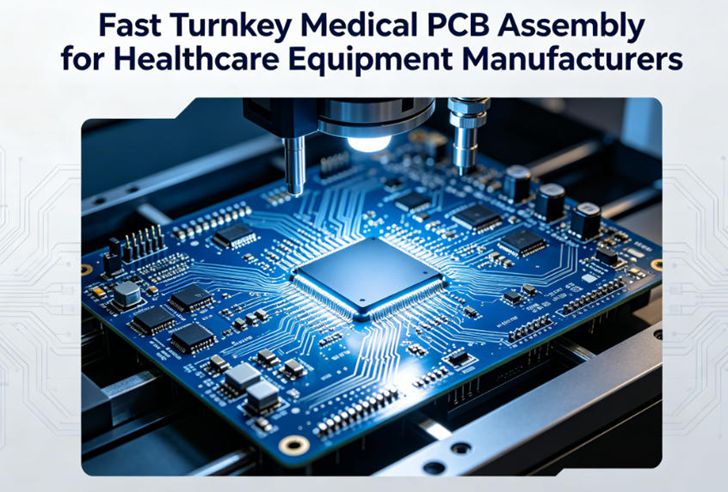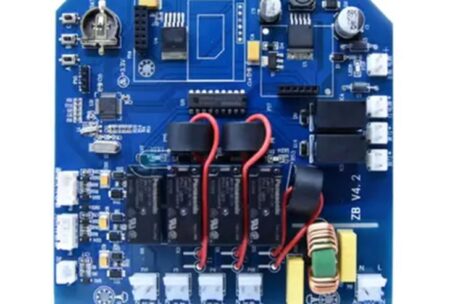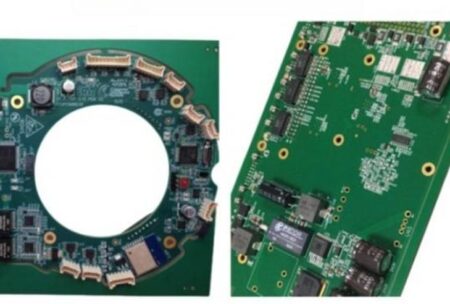
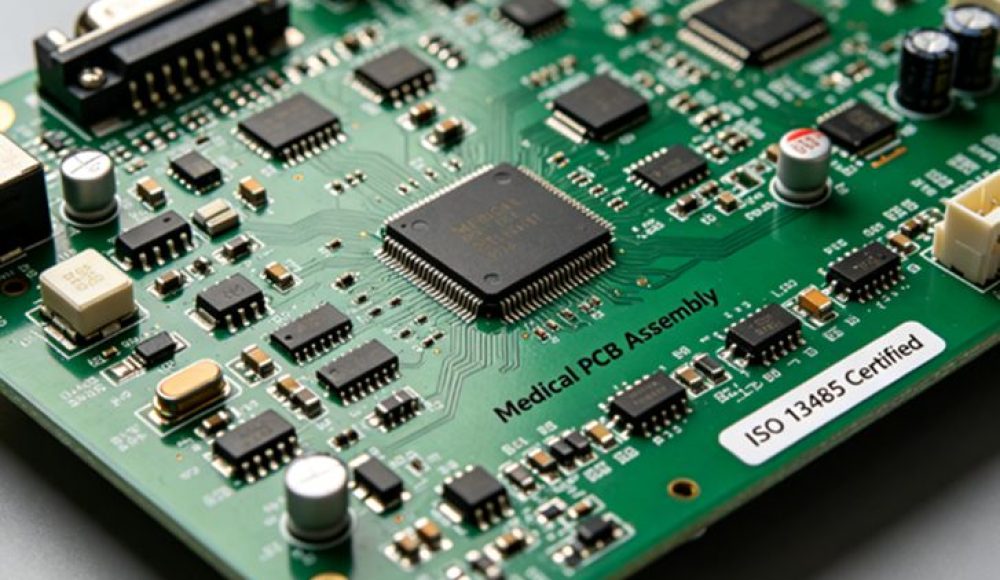
The global medical electronics industry is rapidly advancing toward miniaturization, high precision, and long-term operational stability. As wearable medical devices, diagnostic equipment, and therapeutic instruments become more intelligent, medical PCB assembly has evolved into a highly specialized manufacturing segment with strict technical thresholds. Unlike conventional consumer-grade PCBA, medical-grade assembly demands zero tolerance for latent defects, biocompatibility compliance, and consistent performance in complex clinical environments. For global medical device OEMs, partnering with a professional PCBA factory China that masters application-specific process technology is the key to ensuring product safety and market compliance. This article explores mainstream medical PCB application scenarios and the unique technical challenges manufacturers must overcome.
Main Application Scenarios of Medical PCB Assembly
Medical PCB assemblies cover a wide range of clinical and home healthcare fields, and each application puts forward differentiated performance and process requirements. Firstly, diagnostic medical devices such as blood analyzers, ECG monitors, and portable ultrasound equipment require high signal accuracy and anti-interference capabilities. These devices process weak biological signals in real time, so PCBA must maintain stable impedance and avoid signal distortion caused by soldering defects or circuit interference.
Secondly,therapeutic and life-support equipment including hemodialysis machines, ventilators, and defibrillators belongs to high-risk medical electronics. Such devices often run 24/7 in humid and high-temperature clinical environments, requiring PCBA boards with excellent thermal stability, corrosion resistance, and long service life. Any circuit failure may directly threaten patient safety.
Thirdly, wearable and implantable medical devices are the fastest-growing track in recent years. Intelligent blood pressure monitors, glucose trackers, and minimally invasive implantable sensors feature ultra-compact size and high-density circuit design. This scenario requires ultra-fine component assembly and lightweight multilayer PCB structures, putting extremely high demands on manufacturing precision.
Finally, home medical devices represented by household rehabilitation equipment and portable diagnostic tools balance cost and basic reliability. While the process standards are slightly lower than clinical-grade equipment, they still require stricter quality control than consumer electronics to ensure long-term safe use for ordinary users.
Core Process Challenges Facing Medical PCB Assembly
Compared with ordinary PCBA production, medical-grade assembly faces four irreplaceable technical challenges, which are also the core thresholds that distinguish professional medical manufacturers from ordinary factories.
To begin with, ultra-high precision assembly and miniaturization requirements. Modern high-end medical devices widely adopt 0201 ultra-small components and fine-pitch BGA packaging. The assembly placement tolerance needs to be controlled within ±0.05mm, and traditional general SMT processes cannot meet such precision standards. In addition, high-density multilayer medical PCBs require precise lamination and drilling processes to avoid interlayer short circuits and signal attenuation.
Furthermore, strict cleanliness and ionic contamination control. Medical PCBA has extremely stringent surface residue standards. According to IPC medical-grade specifications, the ionic contamination of finished boards must be lower than 1.56 μg/cm², and non-volatile residues must not exceed 0.5%. Excessive solder paste and flux residues will cause circuit corrosion and current leakage, leading to equipment failure during long-term clinical operation. Therefore, professional ultrasonic cleaning and residue testing are essential processes for medical assembly.
In addition, stable thermal process management is critical. Medical PCB assembly adopts lead-free high-temperature solder materials, requiring precise control of reflow oven temperature curves (peak temperature 235–245°C, soaking time 60–90s). Unstable thermal processes will cause cold solder joints, empty solder, or component thermal damage, resulting in latent quality risks that are difficult to detect in short-term testing.
Last but not least, full-process quality traceability and zero-defect standards. Medical electronics implement Six Sigma-level quality control, requiring only 3.4 defective parts per million opportunities. Every batch of medical PCBA needs complete records of raw material batches, solder process parameters, inspection data, and rework logs to meet ISO 13485 and medical market certification audit requirements.
How Professional PCBA Factories Solve Medical-Grade Process Pain Points
Only manufacturers with specialized medical process systems can cope with the above technical challenges. Formal medical PCBA production needs to customize process schemes according to different application scenarios: enhance anti-interference design for diagnostic equipment, strengthen thermal cycling reliability for life-support devices, and optimize miniaturization assembly processes for wearable medical products.
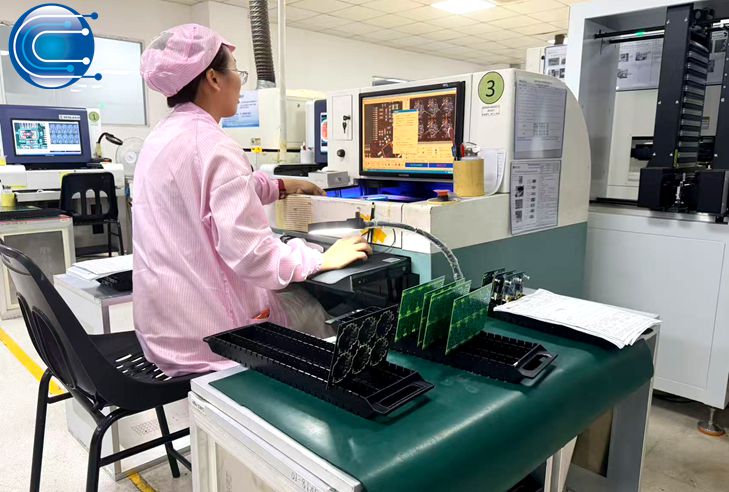
Meanwhile, standardized testing procedures are indispensable. AOI optical inspection, X-ray BGA internal solder joint detection, ICT circuit testing, and FCT functional testing must be fully covered to eliminate hidden defects that cannot be identified by manual inspection. Strict finished product cleaning and residue testing ensure that the assembly fully meets medical biocompatibility and environmental adaptability standards.
Ring PCB: Professional Medical PCB & PCBA Manufacturing Strength
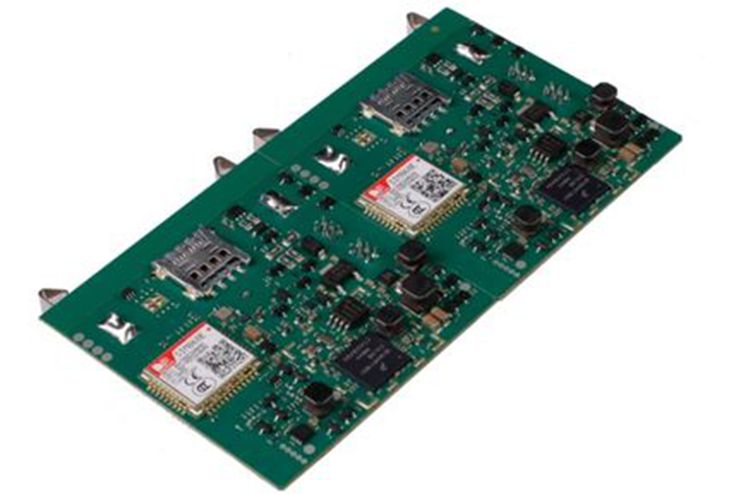
As a reliable PCBA factory China with rich medical industry experience, Ring PCB deeply understands the scenario-based process requirements of medical PCB assembly. We support multilayer PCBs up to 64 layers and provide one-stop customized services covering medical PCB manufacturing, high-precision SMT assembly, professional cleaning, full-item testing, and batch traceability management.
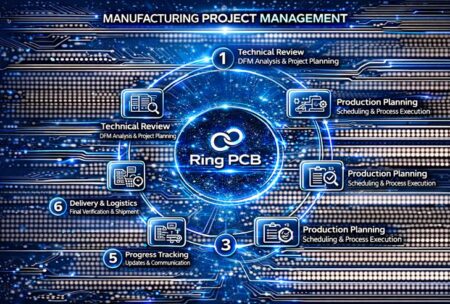
We formulate exclusive process parameters for different medical application scenarios, strictly implement IPC medical-grade standards and ISO 13485 quality management specifications, and precisely control assembly precision, surface cleanliness, and thermal process stability. Our professional engineering team provides early DFM optimization suggestions to avoid process risks caused by unreasonable design, effectively improving product yield and long-term operational reliability. We have served numerous global medical device clients, covering diagnostic, therapeutic, wearable and home medical equipment projects from prototype verification to mass production.
If you have customized medical PCB and PCBA project demands, welcome to send your design files and technical specifications for professional evaluation and quotation: rfq@ringpcb.com