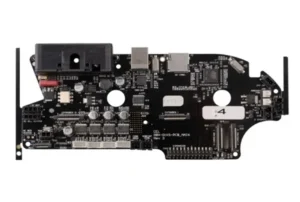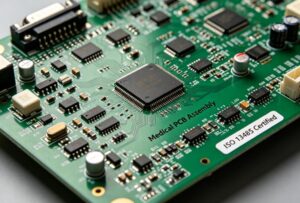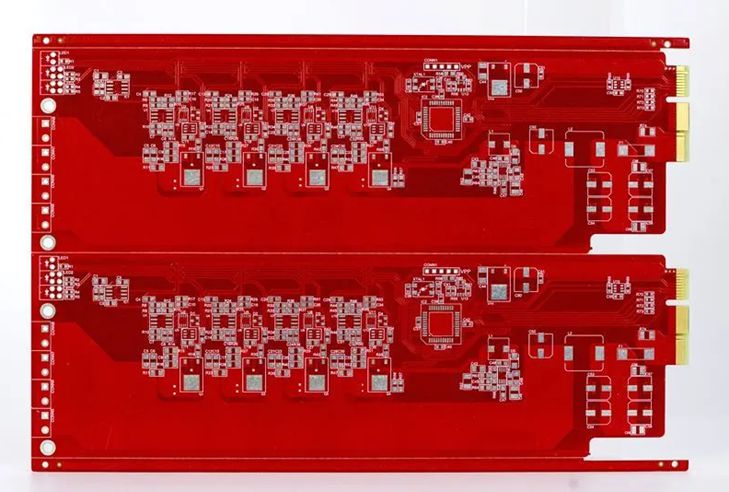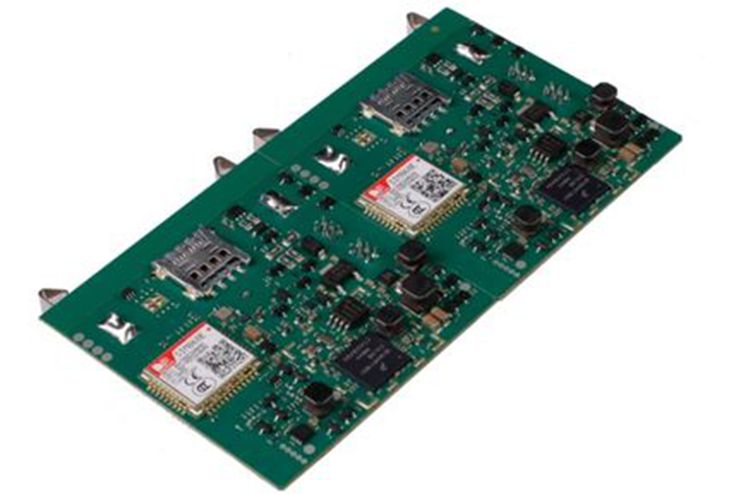
Global medical device developers increasingly outsource circuit board production to Asia. While a PCBA factory China brings obvious cost and capacity advantages, medical projects carry far higher risk than consumer electronics. Poor supplier selection for medical PCB assembly may trigger certification delays, product recalls, or safety hazards. This article explores practical factors engineering teams must evaluate, and how to separate competent medical‑focused manufacturers from general‑purpose PCBA shops.
Why Medical PCB Assembly Cannot Follow General‑Electronics Sourcing Logic
Many procurement teams apply consumer‑product sourcing mindsets when purchasing medical PCBA, focusing primarily on unit price and delivery speed. This approach creates hidden risks. Medical devices operate in life‑related scenarios: diagnostic instruments, therapeutic equipment, and wearable patient monitors demand long‑term stability, anti‑interference performance and full traceability across every production batch.
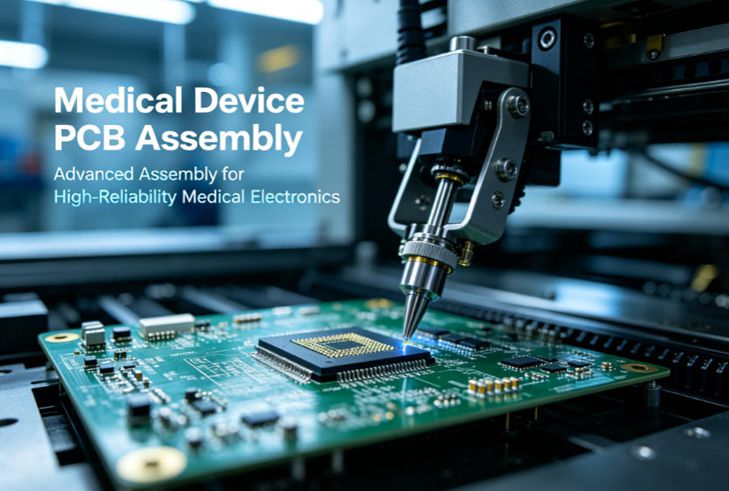
Unlike mass‑produced consumer goods where minor defects can be accepted, medical‑grade assemblies reject compromise. Even subtle issues such as voids inside BGA solder joints or inconsistent material properties can cause intermittent device failure. Consequently, price alone should never be the core decision metric when selecting a PCBA factory China for medical‑oriented projects.
Real‑World Pain Points B‑Buyers Encounter When Outsourcing Medical PCBA
Even with well‑written specifications, overseas customers frequently run into predictable obstacles when cooperating with Chinese PCBA suppliers.
To start with, inconsistent quality between prototypes and mass production represents a widespread headache. Some factories deliver perfect prototype samples, yet quality drops sharply once orders scale up. The root cause lies in unstable process parameters, loose incoming‑component checks, and insufficient operator training for high‑complexity medical boards.
Secondly, incomplete traceability documentation creates certification barriers. Medical regulatory bodies require records covering raw material batches, component lot numbers, inspection logs and rework history. Plenty of general PCBA factories lack standardized documentation workflows. When customers need documents for FDA or ISO audits, these suppliers cannot provide complete supporting files, stalling the whole product launch timeline.
Furthermore, communication gaps on manufacturability create unnecessary losses. Medical PCB designs often feature ultra‑fine traces, high‑density BGA packages and special high‑reliability materials. Without proactive DFM feedback from the factory, clients may submit designs that cannot be properly assembled. Rework and redesign waste both budget and critical time‑to‑market for medical hardware.
Finally, component‑supply vulnerability remains a major threat. Counterfeit or grade‑substituted electronic parts slip into supply chains. For medical PCB assembly, non‑certified components will invalidate device compliance and endanger end‑users. Reliable factories must implement strict component verification and authorized‑channel procurement rules.
Practical Evaluation Checklist for Your PCBA Factory China Partner
Before awarding medical‑project orders, customers can screen potential vendors through several actionable dimensions.
First, confirm quality‑system certifications relevant to medical electronics. ISO‑13485‑aligned management systems signal that the factory understands medical‑industry documentation and risk‑control logic.
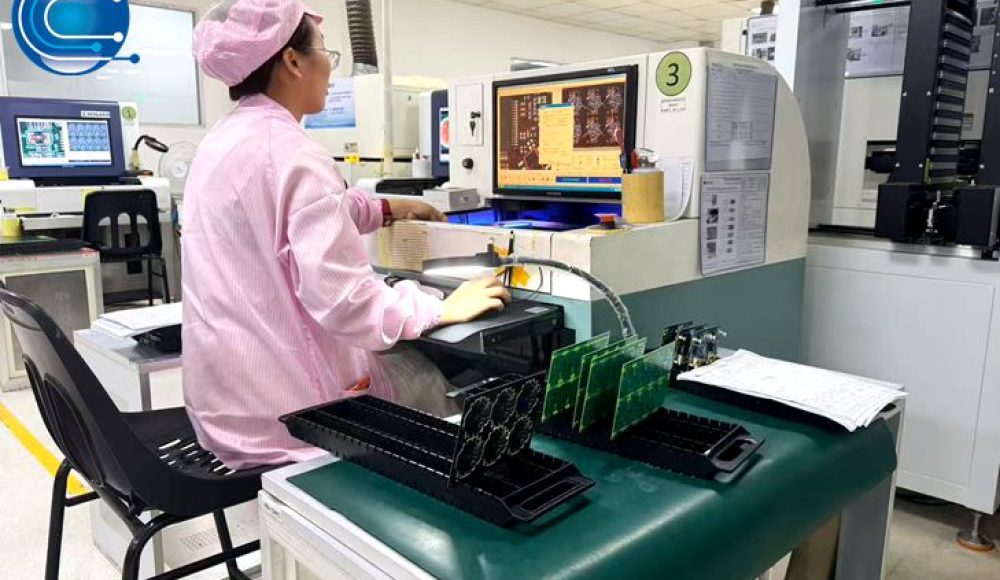
Second, verify onsite testing capabilities. Medical PCBA requires X‑ray inspection for hidden solder joints, AOI optical inspection, and environmental reliability testing capacity. Factories relying purely on manual visual checking are not fit for high‑stakes medical assignments.
Third, ask for real‑world medical‑project references. Case histories for patient‑monitoring equipment or diagnostic hardware demonstrate hands‑on experience, rather than theoretical capability.
Fourth, confirm flexible mixed‑volume support. Medical product cycles often start with low‑volume prototypes, then ramp gradually to medium‑batch production. Your partner should handle both phases without dramatic quality or lead‑time shifts.
Balancing Cost, Quality and Compliance With the Right Manufacturing Partner
Cost advantages remain one reason global buyers choose a PCBA factory China, yet savings become meaningless if quality failures delay your medical‑device launch. The ideal supplier balances competitive pricing, strict process control and medical‑specific service workflows.
Ring PCB has built‑up know‑how supporting medical electronics customers. Our manufacturing portfolio includes multilayer PCBs up to 64 layers plus full‑turn‑key medical PCB assembly services. We maintain complete batch‑level traceability records, thorough component validation, and professional DFM reviews early in each project. Our inspection workflows include X‑ray, AOI and functional testing tailored for high‑reliability requirements. We support prototype validation, pilot runs and scaled‑up production, adapting to the typical volume fluctuations of medical hardware development. Rather than only building boards per your files, our engineering team flags manufacturability risks ahead of production to avoid costly rework.
If you are assessing suppliers for your next medical electronics project, send your design files and requirements to rfq@ringpcb.com to receive a detailed technical review and quotation.