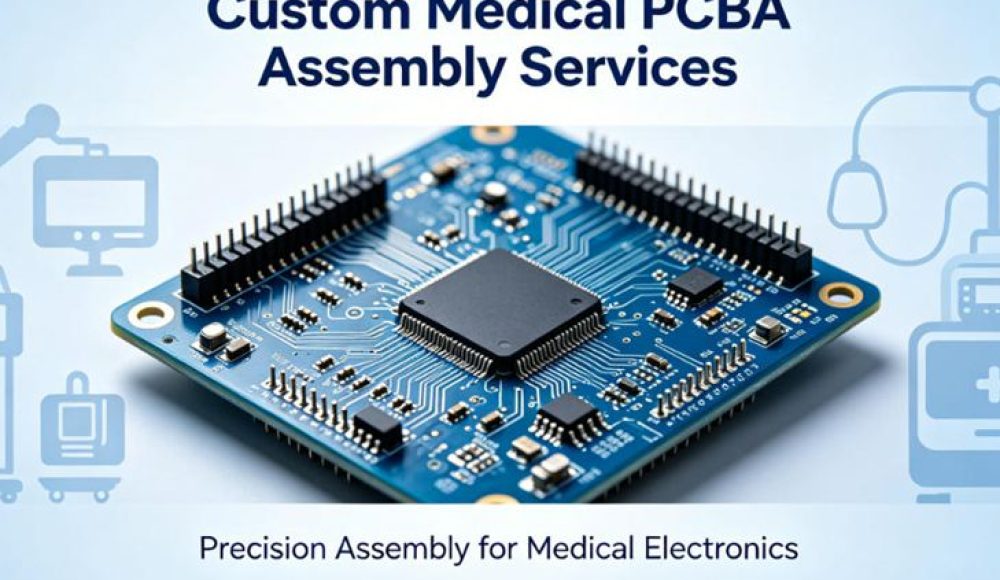
The medical electronics industry is undergoing a rapid transformation. From minimally invasive surgical tools and portable diagnostic equipment to wearable health monitors and AI-powered medical devices, electronics are becoming increasingly sophisticated—and so are the PCB assemblies that power them.
According to industry research, the global medical electronics market is projected to exceed USD 10 billion in PCB demand within the next decade, driven by aging populations, telemedicine adoption, and the growing need for portable healthcare technologies. At the same time, regulatory requirements and quality expectations continue to rise.
For OEMs and medical device manufacturers, choosing the right Custom Medical PCBA Assembly Service is no longer simply a purchasing decision—it’s a strategic partnership that directly impacts product performance, compliance, and speed to market.
Why Medical PCBA Requires a Different Approach
Unlike consumer electronics, medical devices often operate in environments where reliability is critical. Whether monitoring a patient’s heart rhythm or assisting a surgeon during an operation, electronic failures can have serious consequences.
Medical PCB assemblies must balance several competing requirements:
- Miniaturization
- High reliability
- Long product life cycles
- Strict quality control
- Regulatory compliance
- Cost-effective manufacturing
As medical technology advances, devices are becoming smaller while integrating more functions, placing greater demands on PCB design and assembly processes.
Common Applications of Medical PCBA
Medical PCB assemblies are found across virtually every segment of modern healthcare.
Surgical Equipment
Electronic surgical devices require high precision and stable signal transmission. PCBAs are used in electrosurgical systems, robotic surgery equipment, and imaging-assisted surgical tools.
Patient Monitoring Systems
Heart rate monitors, blood pressure devices, ECG systems, and bedside monitoring equipment depend on reliable PCB assemblies for continuous operation.
Diagnostic Equipment
Portable ultrasound machines, laboratory analyzers, CT support systems, and point-of-care testing devices all require high-performance electronic assemblies.
Medical Wearables
The rapid growth of remote healthcare has increased demand for compact, lightweight PCBAs used in smart watches, glucose monitors, and wearable ECG devices.
Home Healthcare Devices
The expansion of home-based medical care has created opportunities for portable oxygen concentrators, infusion pumps, and personal diagnostic equipment.
Key Challenges in Medical PCBA Manufacturing
Component Availability
Medical devices often have long production cycles. Maintaining stable component sourcing while managing obsolescence has become increasingly important.
A capable EMS partner should have an established procurement network and alternative sourcing strategies.
Miniaturization
Modern medical devices require smaller PCB footprints without sacrificing functionality.
This often involves:
- HDI technology
- Fine-pitch components
- BGA packages
- High-density SMT assembly
- Multilayer PCB designs
Reliability
Medical electronics are expected to perform consistently over extended periods.
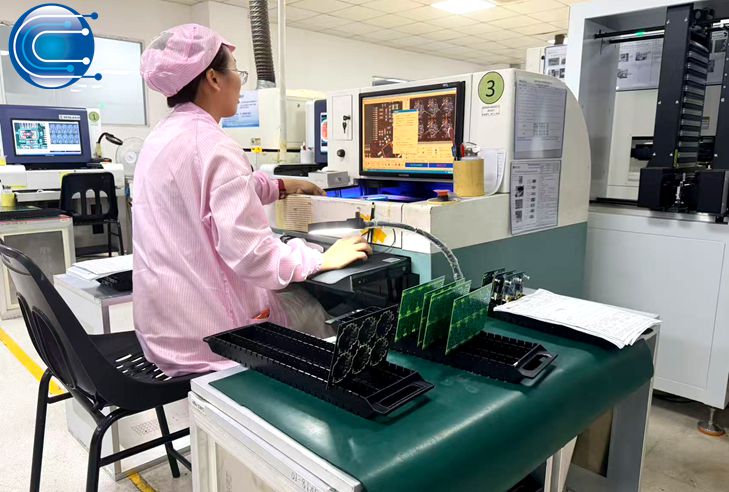
Manufacturers typically implement multiple inspection and testing processes, including:
- AOI
- X-ray inspection
- Flying probe testing
- Functional testing
- Burn-in testing
Traceability
Traceability has become a standard expectation in medical manufacturing.
Complete production records help support quality investigations, product maintenance, and regulatory documentation.
The Importance of Design for Manufacturability (DFM)
Many production issues can be prevented during the engineering stage.
DFM analysis helps identify potential risks before manufacturing begins, including:
- Component spacing
- Pad design
- Thermal management
- Assembly accessibility
- Material compatibility
- Solderability concerns
Early engineering collaboration can reduce production costs and improve overall product reliability.
Why Custom PCBA Services Matter
Off-the-shelf manufacturing solutions may not meet the unique requirements of medical applications.
Custom PCBA services allow manufacturers to optimize products for specific needs, including:
Material Selection
Different medical devices may require:
- High Tg materials
- High-frequency laminates
- Flexible PCBs
- Rigid-flex PCBs
- Heavy copper designs
Customized Assembly Processes
Each product may require specialized SMT programming, selective soldering, conformal coating, or functional testing.
Flexible Production Volumes
Medical projects often move through several stages:
- Engineering prototypes
- Clinical evaluation units
- Pilot production
- Mass production
An experienced manufacturing partner should be able to support each phase efficiently.
Quality Systems Are More Than Certifications
Certifications are important, but effective quality management extends beyond obtaining certificates.
A robust quality system includes:
Incoming Material Inspection
Verifying components before production begins.
Process Control
Monitoring manufacturing parameters throughout production.
Automated Inspection
Using AOI and other technologies to detect defects early.
Final Verification
Electrical and functional testing before shipment.
Continuous Improvement
Analyzing production data to reduce future defects.
Many medical device manufacturers increasingly seek suppliers with established quality management systems that can adapt to changing project requirements.
Choosing the Right Medical PCBA Partner
When evaluating a manufacturing partner, consider several factors beyond price.
Questions to ask include:
- Can they support prototype through production?
- Do they offer engineering assistance?
- How robust is their supply chain?
- What testing capabilities are available?
- Can they provide complete traceability?
- How quickly can they respond to design changes?
A long-term manufacturing relationship often creates greater value than simply selecting the lowest-cost supplier.
Supporting Medical Electronics Manufacturing
At Ring PCB, we’ve seen how medical electronics continue to evolve toward smaller, smarter, and more connected devices.
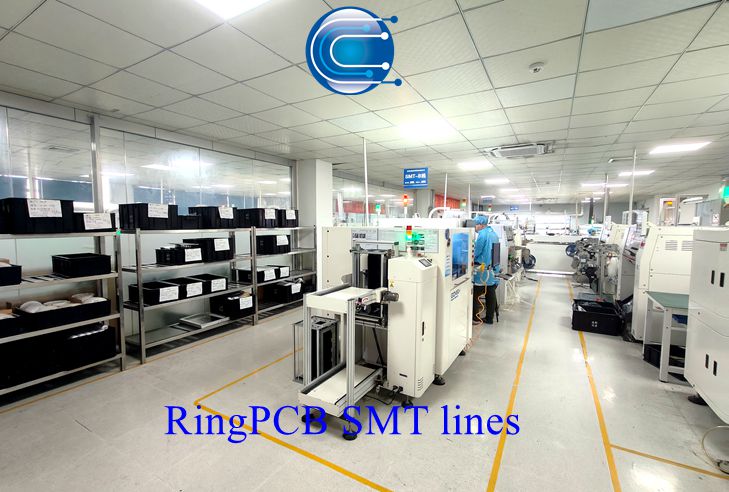
Founded in 2008, Ring PCB specializes in PCB fabrication and PCB assembly, supporting customers from prototype development to volume production. With a 10,000㎡ manufacturing facility in Shenzhen and products exported to more than 50 countries and regions, our team works with customers across a variety of industries, including medical electronics.
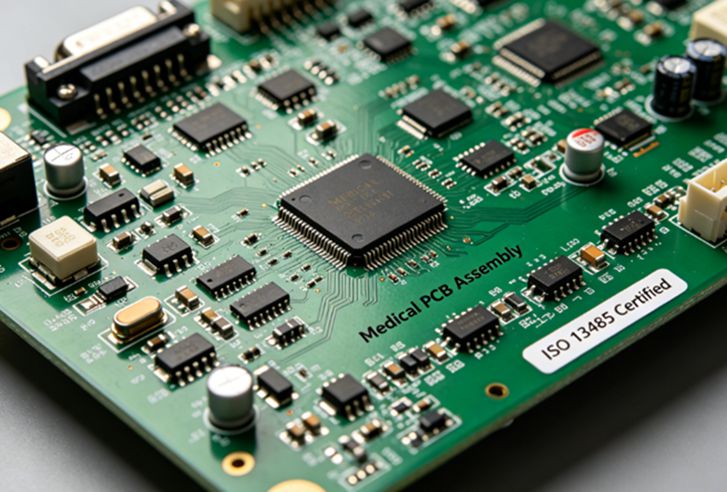
Our capabilities include multilayer PCB manufacturing, HDI technology, SMT assembly, turnkey component sourcing, engineering support, and comprehensive quality management systems. Certifications including ISO9001, ISO14001, ISO13485, IATF16949, and UL help support projects with demanding quality requirements.
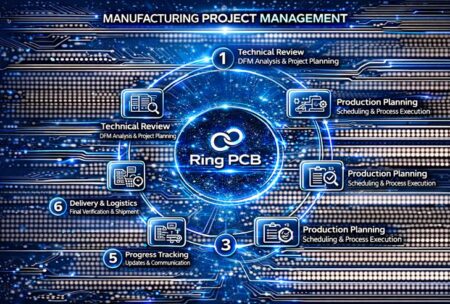
More importantly, we believe successful medical manufacturing begins with collaboration—working closely with customers to optimize designs, manage supply chains, and deliver reliable products efficiently.
Conclusion
Medical electronics continue to reshape modern healthcare, creating new opportunities and new manufacturing challenges. As devices become more compact, connected, and sophisticated, the importance of custom medical PCBA assembly services will only continue to grow.
For medical device manufacturers, selecting a capable manufacturing partner means looking beyond assembly capacity to engineering expertise, quality management, supply chain resilience, and long-term support.
By combining thoughtful design, advanced manufacturing technologies, and collaborative project management, custom medical PCBA services can help transform innovative medical concepts into reliable products that improve patient care around the world.
About Ring PCB
Ring PCB is a professional PCB and PCBA manufacturer with over 18 years of industry experience, providing PCB fabrication, turnkey PCB assembly, and customized manufacturing solutions for global customers.
📧 Email: rfq@ringpcb.com
🌐 Website: https://www.ringpcb.com