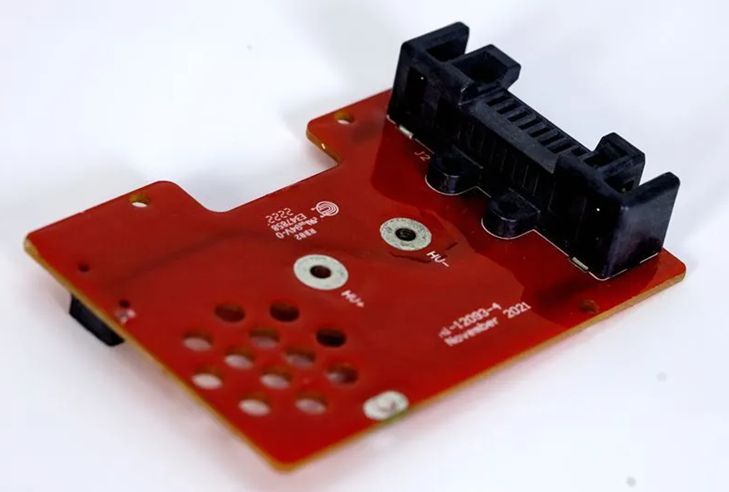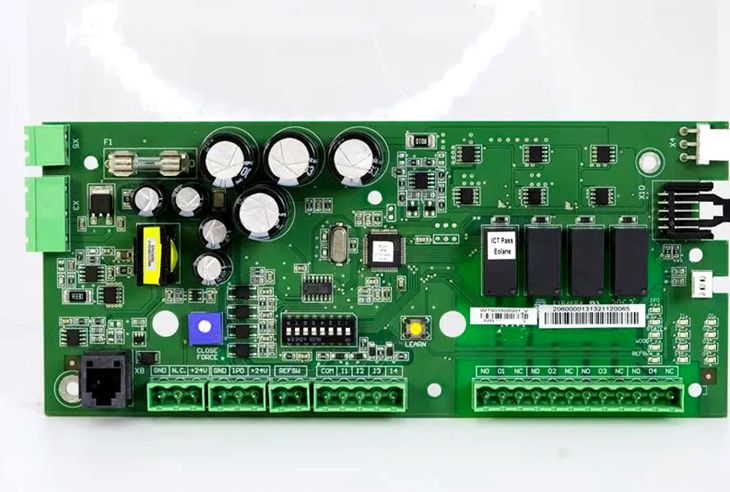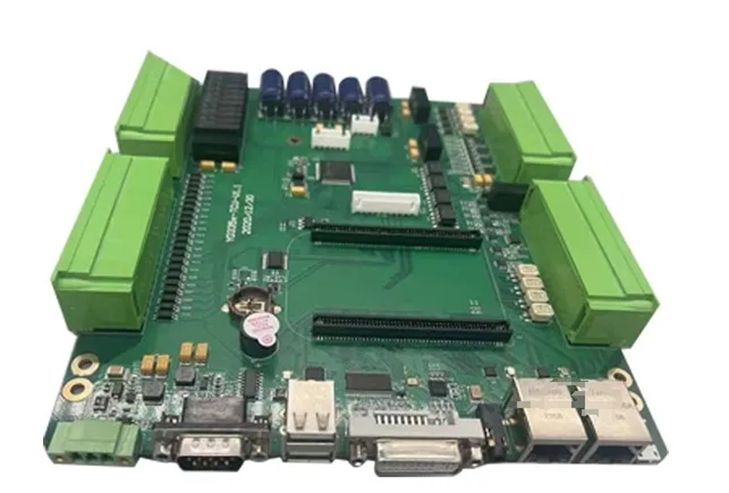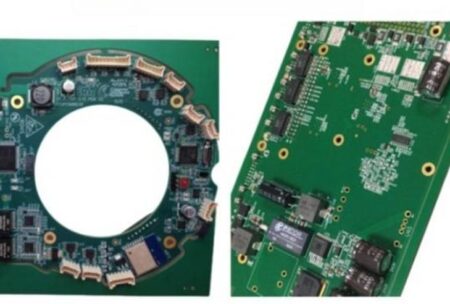
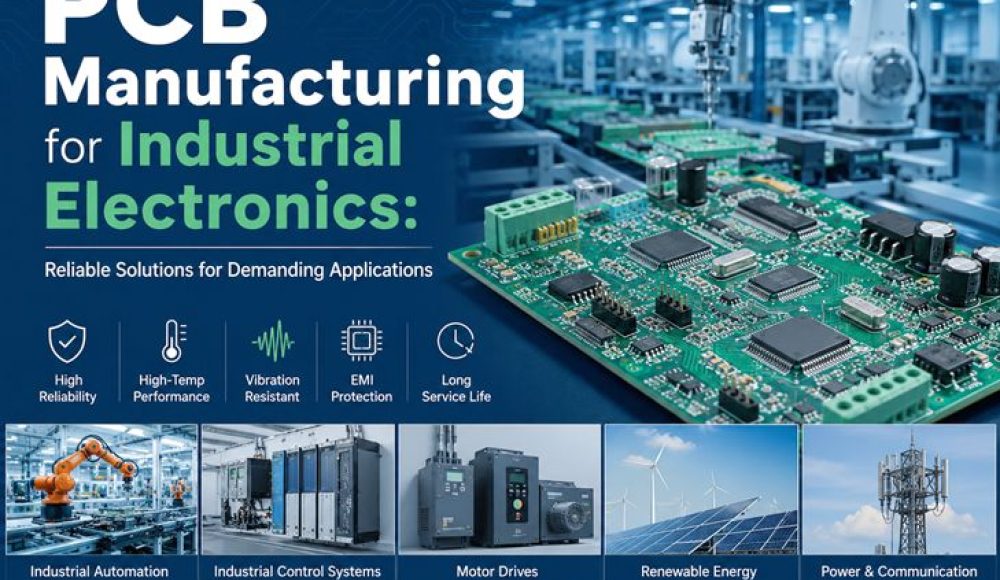
Industrial electronics are transforming manufacturing, energy management, transportation, and smart infrastructure. From factory automation systems to robotics and renewable energy equipment, reliable PCBs are at the heart of these technologies.
PCB manufacturing for industrial electronics requires higher standards than ordinary consumer products due to challenging operating environments and long service life expectations.
The Growing Industrial Electronics Market
Industrial electronics are widely used in:
- Industrial automation
- PLC systems
- Motor drives
- Robotics
- Smart factories
- Renewable energy systems
- Power distribution equipment
- Security systems
- Transportation infrastructure
- Industrial IoT devices
These applications require PCBs capable of operating continuously under demanding conditions.
Challenges in Industrial PCB Manufacturing
Industrial PCBs often face harsh environments, including:
High Temperatures
Industrial equipment generates significant heat.
PCBs must maintain stable performance under prolonged thermal stress.
High-Tg materials and optimized thermal designs help improve reliability.
Mechanical Vibration
Machinery and transportation systems produce constant vibration.
Industrial PCBs require strong mechanical structures and durable solder joints to withstand repeated stress.
Electrical Noise
Factories contain numerous motors and power devices that generate electromagnetic interference.
Careful PCB layout and grounding strategies improve signal integrity.
Long Service Life
Industrial systems often remain in operation for 10 to 20 years.
Manufacturers must prioritize long-term reliability and component durability.
Material Selection for Industrial PCBs
Choosing the right materials is essential.
Common options include:
- High-Tg FR4
- Heavy Copper PCB
- Metal Core PCB
- High-frequency materials
- Ceramic substrates
Material selection depends on thermal, electrical, and mechanical requirements.
Multilayer PCB Technology
Industrial equipment often requires complex circuit designs.
Multilayer PCBs provide:
- Higher component density
- Better signal integrity
- Improved EMI control
- Reduced board size
- Enhanced reliability
Four-layer, six-layer, eight-layer, and higher-layer designs are common in industrial applications.
PCB Assembly for Industrial Electronics
PCB assembly quality is equally important.
Key manufacturing processes include:
- High-precision SMT
- Through-hole assembly
- Selective soldering
- Automated optical inspection
- X-ray inspection
- Functional testing
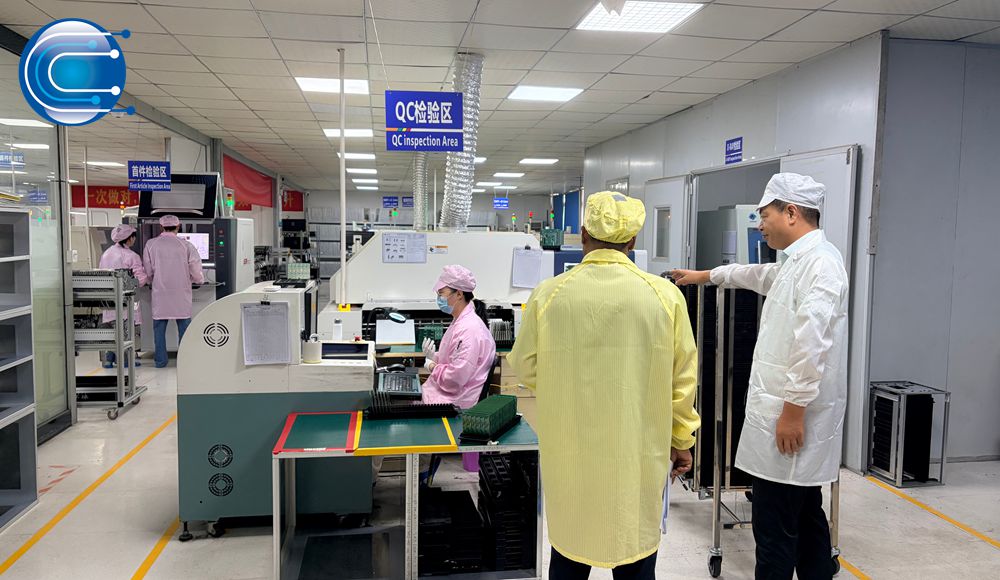
Strict process control ensures consistent production quality.
Design for Manufacturability
DFM engineering helps reduce production issues before manufacturing begins.
Important considerations include:
- Trace width optimization
- Thermal management
- Component placement
- Test point design
- Panelization
Early engineering collaboration improves product reliability and lowers costs.
Quality Standards
Industrial PCB manufacturing typically follows strict quality systems.
Manufacturers should comply with:
- ISO 9001
- ISO 14001
- IPC Standards
- UL Certification
- RoHS Requirements
Comprehensive testing ensures every PCB meets customer specifications.
OEM and Custom Manufacturing
Industrial customers often require customized PCB solutions.
A professional PCB manufacturer can provide:
- Custom PCB fabrication
- PCB assembly
- Material sourcing
- Functional testing
- Box build assembly
- OEM and ODM services
One-stop manufacturing reduces complexity and improves supply chain efficiency.
Future Trends
Several technologies are driving demand for advanced industrial PCBs:
- Industry 4.0
- Artificial Intelligence
- Smart manufacturing
- Industrial IoT
- Renewable energy
- Electric vehicles
- Intelligent robotics
These innovations require increasingly sophisticated PCB solutions.
Conclusion
PCB manufacturing for industrial electronics demands precision engineering, robust materials, strict quality control, and advanced production technology.
As industrial systems become smarter and more connected, reliable PCB manufacturing partners play an increasingly important role in delivering high-performance electronic solutions.
Ring PCB provides high-quality PCB fabrication and PCB assembly services for industrial electronics applications, supporting OEM, ODM, and custom manufacturing projects with flexible production, rigorous quality management, and global customer service.
Email: rfq@ringpcb.com