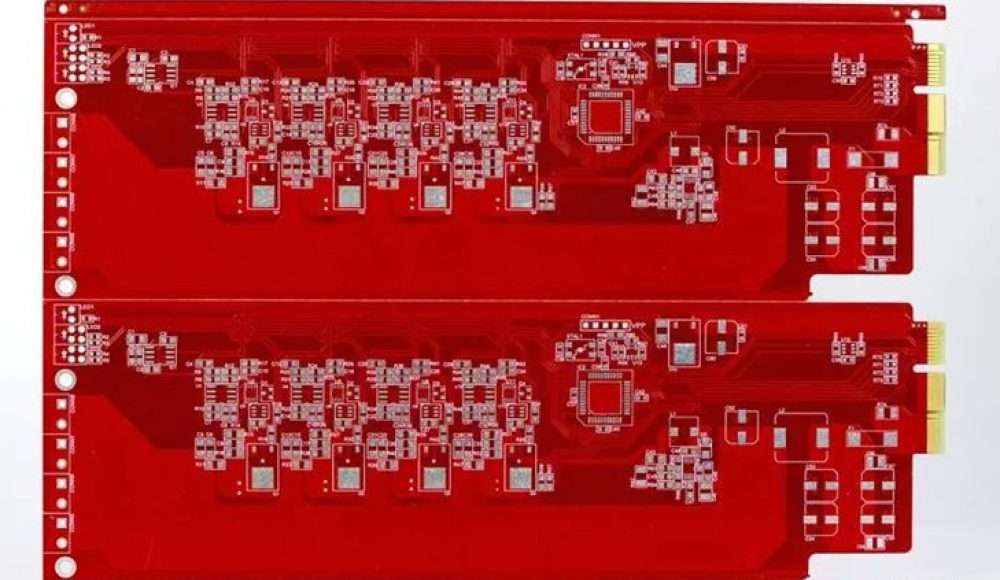
Modern medical devices and industrial electronic systems are evolving rapidly toward miniaturization, high integration, and long-term operational stability. Unlike traditional consumer electronics that prioritize cost and volume, medical and industrial equipment demands extreme reliability, strong anti-interference capability, and compact structural design. In this context, multilayer PCB assembly has become an irreplaceable core manufacturing technology, rather than an optional upgrade. For global hardware developers and procurement teams, choosing a professional manufacturer for high-precision multilayer PCBA directly determines the safety, service life, and market compliance of end products. This article analyzes why multilayer PCB assembly is indispensable for medical and industrial electronics, as well as its unique technical and application value.
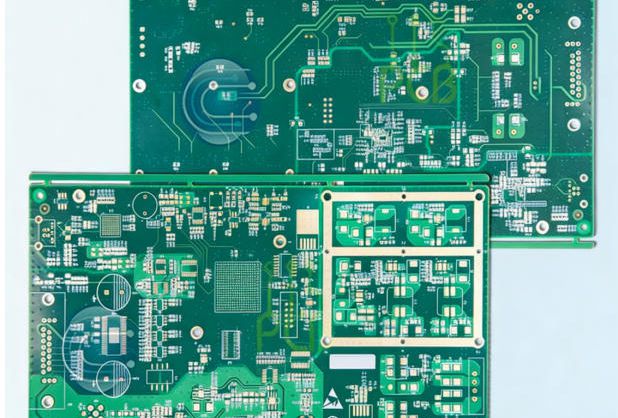
Unique Structural Advantages of Multilayer PCB Assembly
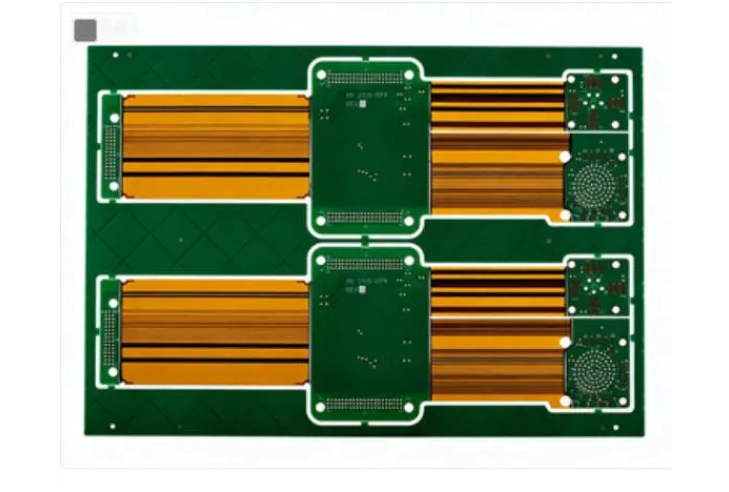
Multilayer PCB assembly refers to the process of laminating multiple single-sided or double-sided circuit boards together through high-temperature and high-pressure lamination, forming a compact integrated circuit structure with inner-layer wiring, power layers, and ground layers. Compared with conventional double-layer PCBs, its core advantages lie in space optimization and performance upgrading. Firstly, multi-layer stacked design concentrates complex circuits into a smaller board size, perfectly adapting to the miniaturization trend of portable medical devices and compact industrial control modules.
Secondly, independent power layers and ground layers effectively isolate signal interference. In industrial environments with strong electromagnetic noise and clinical environments requiring high signal accuracy, this structural feature greatly improves the anti-EMI capability of electronic equipment. In addition, multilayer PCBs can bear more functional circuits and components, supporting complex functions such as high-speed signal transmission, multi-channel data acquisition, and stable power supply operation, which cannot be realized by ordinary single and double-layer circuit boards.
Indispensable Value in Medical Electronic Applications
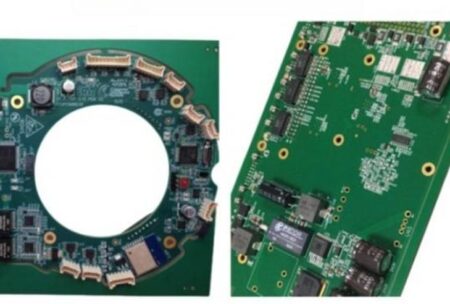
Medical electronics belong to high-reliability and high-risk application scenarios, where every circuit detail is related to diagnostic accuracy and user safety. Multilayer PCB assembly plays a decisive role in upgrading medical device performance. To start with, high-density multilayer wiring meets the miniaturization needs of wearable medical devices, portable diagnostic instruments, and implantable auxiliary equipment. It enables medical hardware to achieve powerful detection and data processing functions while maintaining a lightweight and portable body.
Furthermore, the stable layered structure of multilayer PCBs ensures long-term operational reliability. Medical equipment such as patient monitors, electrocardiograph devices, and clinical analytical instruments often work continuously for tens of thousands of hours. High-quality multilayer lamination and standardized assembly processes effectively avoid circuit short circuits, signal drift, and board delamination caused by long-term temperature changes and vibration.
In addition, multilayer PCB assembly supports strict medical industry traceability and stability standards. Professional assembly processes cooperate with high-reliability substrate materials to meet ISO medical-grade quality requirements, helping medical device OEMs smoothly pass market certification and avoid product safety risks.
Core Significance for Industrial Electronic Systems
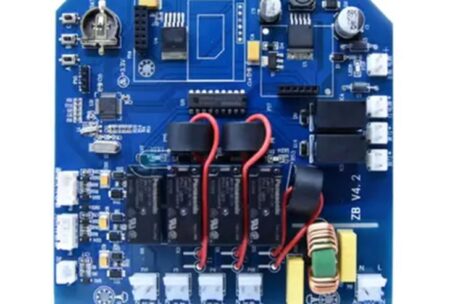
Industrial electronics including industrial controllers, IoT sensing equipment, automation drive systems, and power monitoring devices face harsh operating environments such as high temperature, high humidity, dust, and strong electromagnetic interference. Multilayer PCB assembly becomes the core guarantee for the stable operation of industrial equipment under extreme conditions.
First of all, the layered isolation design of multilayer PCBs greatly enhances the anti-interference ability of industrial circuits. Industrial production sites are filled with electromagnetic signals from various mechanical equipment, which easily interfere with low-voltage control signals. The independent ground layer of multilayer PCBs can effectively shield external noise and ensure accurate data transmission and stable equipment operation.
Secondly, multilayer PCB assembly supports high-power and high-load industrial operation requirements. Through reasonable stack-up design and copper thickness configuration, multilayer boards can bear higher current load, meeting the long-term high-power operation demand of industrial automation equipment. Meanwhile, the compact structure saves internal space for industrial equipment, facilitating the integrated design of intelligent industrial devices.
Moreover, mature multilayer assembly technology improves the shock resistance and structural stability of circuit boards, adapting to the frequent vibration and temperature fluctuation of industrial production scenarios, and reducing equipment failure rates and maintenance costs.
Key Technical Barriers for Qualified Multilayer PCB Assembly
Although multilayer PCB assembly has obvious application advantages, its technical threshold is far higher than ordinary PCBA. B-end customers often encounter quality problems such as interlayer misalignment, hidden solder voids, impedance deviation, and board warpage when cooperating with inexperienced manufacturers. Medical and industrial equipment have zero tolerance for these hidden defects, which will lead to equipment shutdown, data errors, or even safety accidents in severe cases.
Reliable multilayer PCB assembly requires precise stack-up design, strict lamination parameter control, professional inner-layer inspection, and high-precision SMT assembly. Each process link needs to be strictly controlled to ensure the consistency, stability, and safety of finished circuit boards.
Ring PCB: Professional Multilayer PCB Assembly for Medical & Industrial Electronics
As a professional PCB manufacturer with rich industry experience, Ring PCB provides high-precision multilayer PCB assembly solutions tailored for medical and industrial electronic scenarios. We support multilayer PCB production and assembly up to 64 layers, with mature stack-up design capabilities, strict lamination process control, and full-process quality inspection systems.

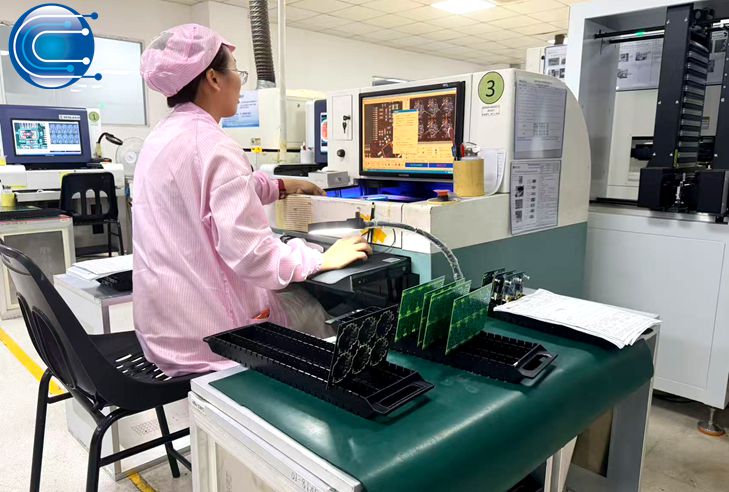
We formulate targeted manufacturing standards for medical high-precision signal equipment and industrial high-reliability equipment respectively. Through professional DFM pre-review, inner-layer AOI full inspection, X-ray solder joint detection, and functional testing, we eliminate hidden quality risks in advance. Our one-stop multilayer PCB and PCBA services cover prototype verification, small-batch trial production, and mass stable delivery, fully meeting the strict reliability and stability requirements of medical and industrial electronics.
If you have multilayer PCB assembly projects for medical or industrial electronic equipment, feel free to submit your Gerber files and technical requirements for professional technical evaluation and accurate quotation: rfq@ringpcb.com