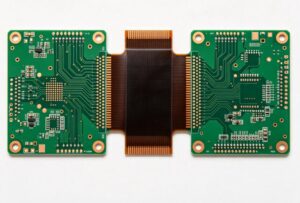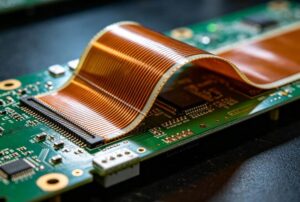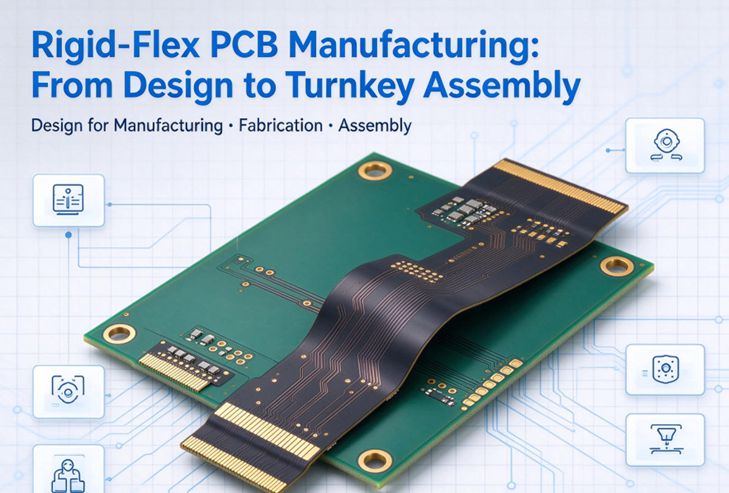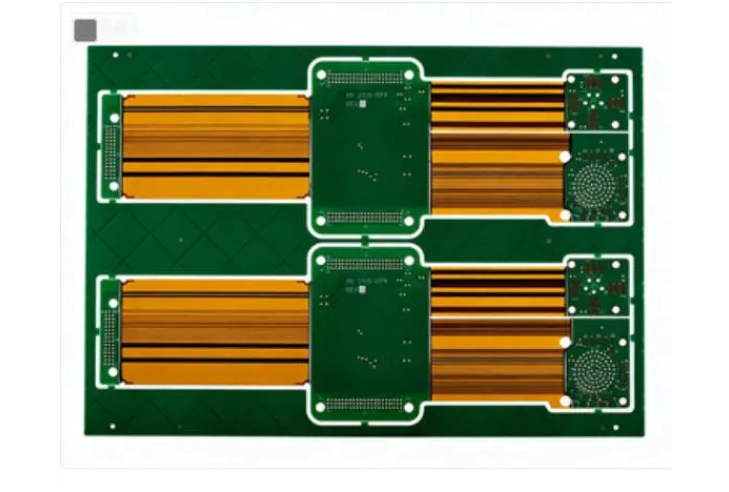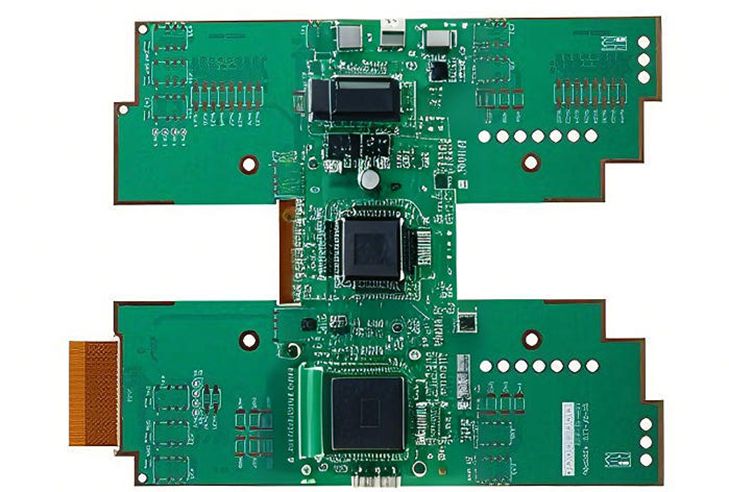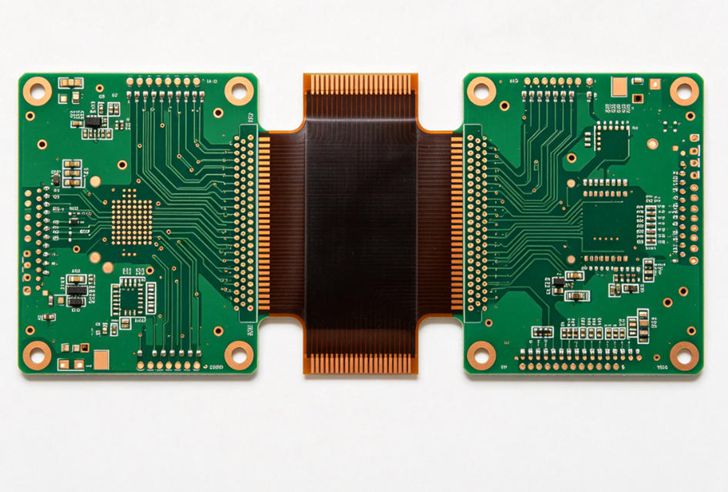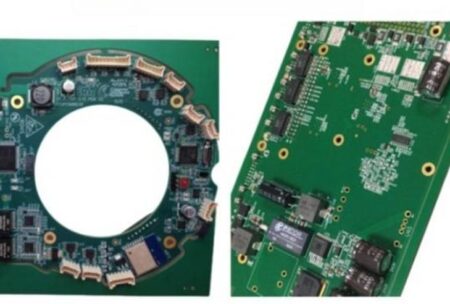
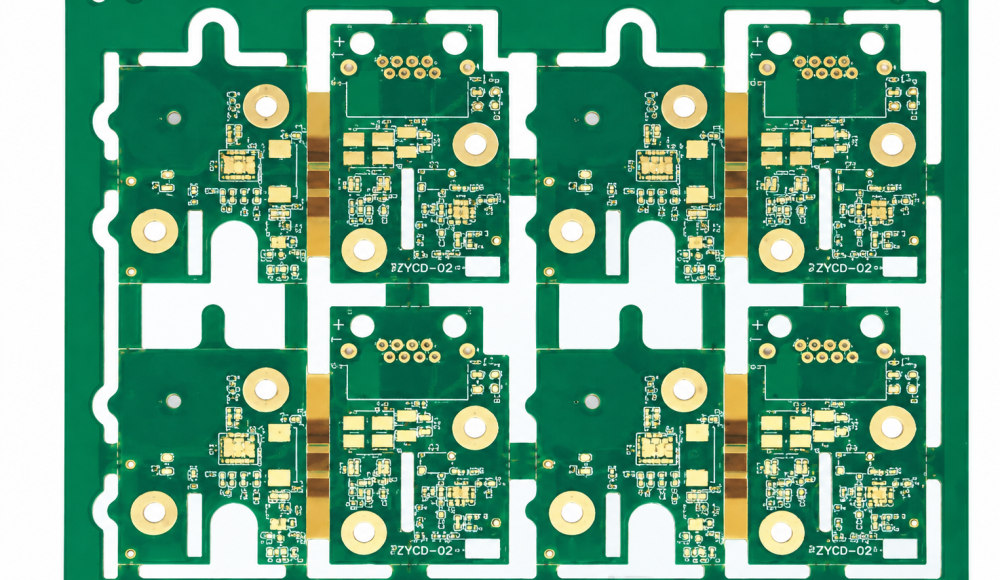
In compact electronic systems, wiring space is shrinking while performance expectations keep rising. Designers often struggle with connector failures, signal loss, and limited assembly space when using traditional boards. This is where rigid-flex PCB technology changes the equation by merging rigid FR4 and flexible polyimide layers into a single integrated structure.
With rigid-flex PCB, you eliminate bulky connectors, reduce assembly complexity, and improve long-term mechanical reliability. At Ring PCB, you gain access to a manufacturing system designed for precision, stability, and scalable production. Whether you are building industrial controllers or high-density automation modules, the need for reliable interconnection is no longer optional but essential.
Rigid-Flex PCB Manufacturing at Ring PCB
At Ring PCB, rigid-flex PCB production is supported by an 18-year engineering foundation and a fully self-owned factory in Shenzhen. Our facility spans approximately 10,000㎡ and operates with 500 skilled employees working in 24/7 production cycles.
We deliver both prototypes and mass production with a stable lead time of 7–14 working days. Our production capacity reaches 50,000 PCBs and 500 PCBA assemblies per month, supporting global OEM and EMS clients across over 50 countries.
Key capabilities include:
- 4-layer rigid-flex PCB (1R + 2F + 1R) customization
- Minimum trace width/spacing: 0.1 mm
- ENIG surface finish and hard gold fingers
- Low resistance and inductance control designs
Why Choose Rigid-Flex PCB for Industrial Applications
Industrial systems demand reliability under vibration, heat, and continuous operation. A rigid-flex PCB reduces failure points by removing inter-board connectors and replacing them with integrated flex circuits.
Ring PCB supports applications in automotive control systems, medical devices, aerospace modules, and industrial automation where stability is critical.
Key Technical Advantages
- Reduced connector usage improves signal integrity
- Flexible bending areas support 3D product design
- Higher durability in dynamic environments
- Optimized space usage for compact electronics
Our engineering team also provides DFM/DFA optimization to reduce BOM costs and improve manufacturability.
Rigid-Flex PCB vs Traditional PCB Comparison
| Feature | Rigid-Flex PCB | Traditional PCB |
|---|---|---|
| Structure | Hybrid rigid + flexible layers | Only rigid FR4 |
| Connectors | Minimal or none | Required between boards |
| Space efficiency | High-density compact design | Larger assembly footprint |
| Reliability | High vibration resistance | Moderate, connector-dependent |
| Assembly complexity | Lower | Higher |
This comparison shows why rigid-flex PCB is widely used in high-performance industrial and automotive systems where failure is not an option.
Rigid-Flex PCB Manufacturing Process Steps
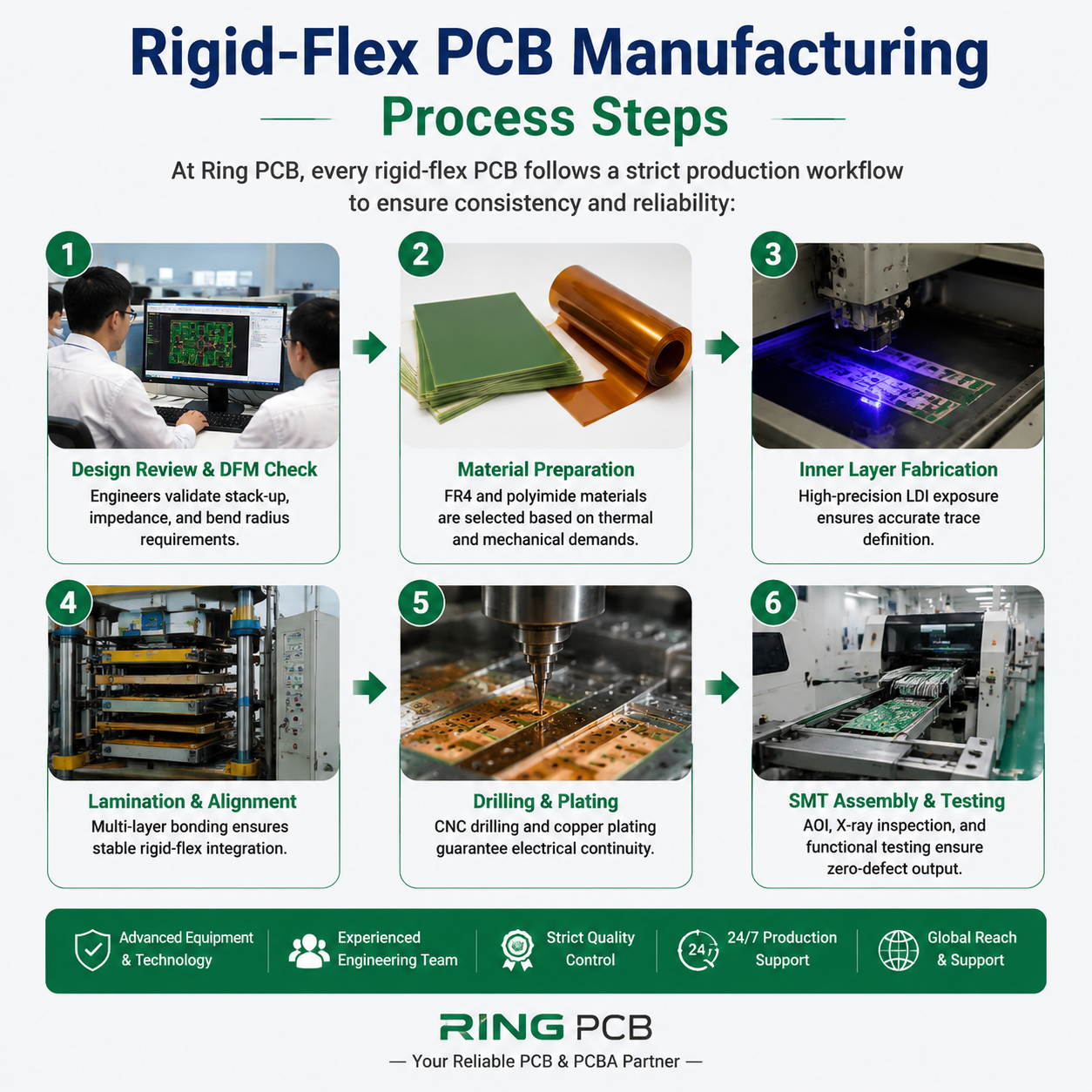
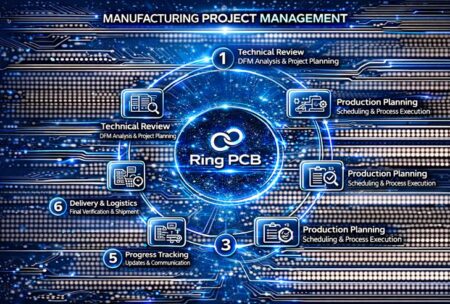
At Ring PCB, every rigid-flex PCB follows a strict production workflow to ensure consistency and reliability:
- Design Review & DFM Check
Engineers validate stack-up, impedance, and bend radius requirements. - Material Preparation
FR4 and polyimide materials are selected based on thermal and mechanical demands. - Inner Layer Fabrication
High-precision LDI exposure ensures accurate trace definition. - Lamination & Alignment
Multi-layer bonding ensures stable rigid-flex integration. - Drilling & Plating
CNC drilling and copper plating guarantee electrical continuity. - SMT Assembly & Testing
AOI, X-ray inspection, and functional testing ensure zero-defect output.
Certifications and Quality Assurance
Ring PCB operates under globally recognized standards to ensure compliance and reliability:
- ISO9001 Quality Management System
- ISO14001 Environmental Management
- IATF16949 Automotive Certification
- ISO13485 Medical Device Standard
- UL & RoHS Compliance
With triple inspection systems (AOI, impedance testing, thermal cycling), we maintain a defect rate below 0.2%, supporting high-reliability industrial production.
FAQ
Q1: What industries use rigid-flex PCB technology?
It is widely used in automotive electronics, industrial automation, aerospace systems, and medical devices where compact and reliable interconnections are required.
Q2: Can Ring PCB support full turnkey assembly?
Yes. We provide full turnkey services including PCB fabrication, component sourcing, SMT assembly, testing, and final delivery.
Q3: What is the typical lead time for rigid-flex PCB production?
Prototype production takes around 7 days, while mass production is typically completed within 15 days depending on complexity.
Conclusion
A well-engineered rigid-flex PCB is not just a circuit solution—it is a structural advantage for modern electronic systems that demand compactness, durability, and performance.
With Ring PCB’s 18 years of manufacturing experience, advanced equipment systems, and strict quality certifications, you gain a reliable partner capable of supporting both prototype innovation and large-scale production.
If you are developing industrial-grade electronics, now is the right time to upgrade your design strategy with professional rigid-flex integration.
Contact Ring PCBtoday to request a custom rigid-flex PCB quotation or engineering consultation and accelerate your next project from design to production.