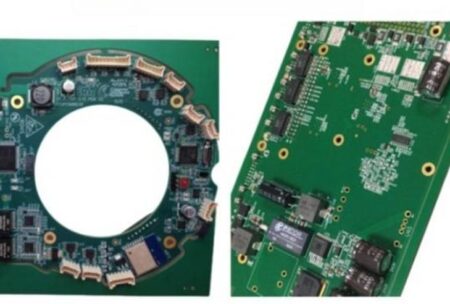
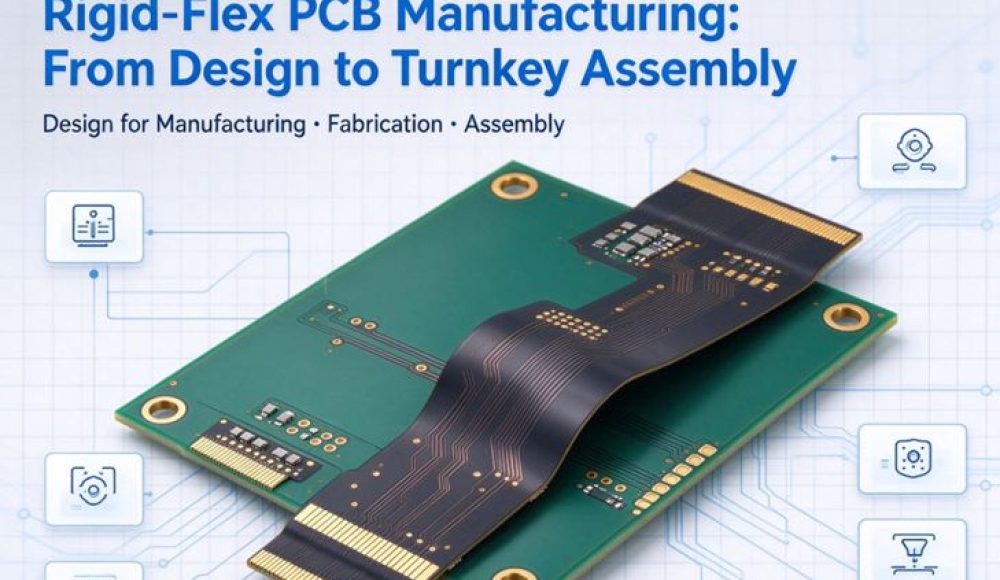
As electronic products become smaller, lighter, and more functionally integrated, Rigid-Flex PCB technology is moving beyond specialized applications into a wider range of medical, automotive, industrial, aerospace, communication, and advanced consumer electronics.
However, sourcing a Rigid-Flex PCB is very different from purchasing a standard rigid PCB. Material selection, rigid-to-flex transitions, bend requirements, stackup design, coverlay, copper construction, drilling, lamination, assembly, and reliability testing must work together.
For OEMs, the key question is therefore not simply where to buy a Rigid-Flex PCB. The real challenge is finding a PCB Manufacturer that understands the entire path from fabrication to turnkey PCB assembly and volume production.
Why Are More Products Using Rigid-Flex PCBs?
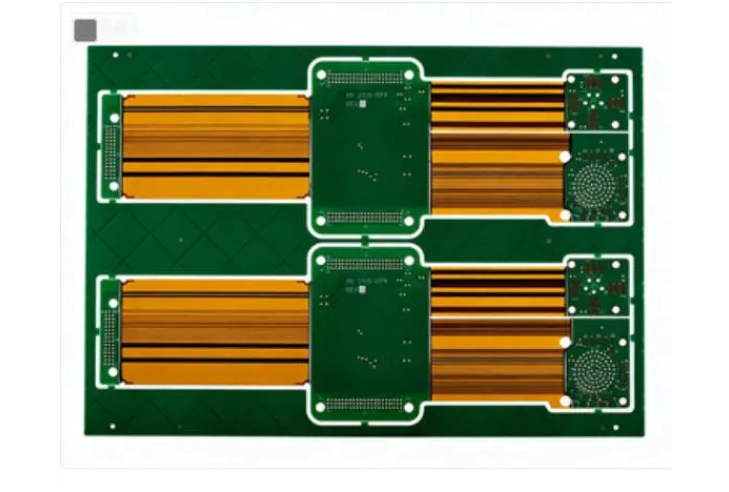
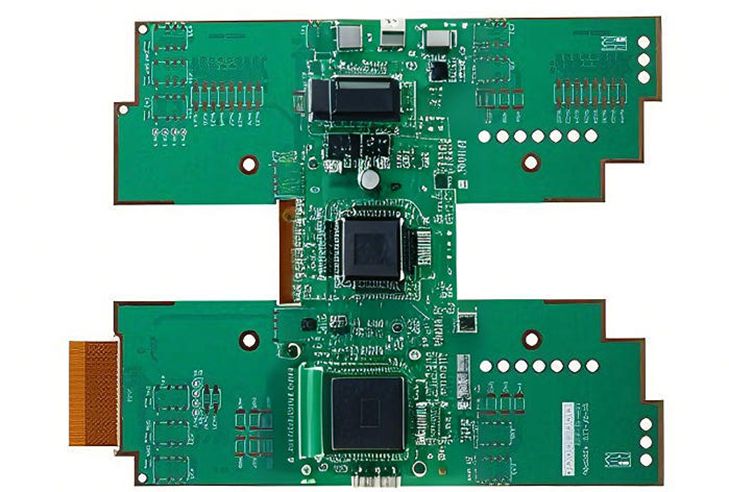
A Rigid-Flex PCB combines rigid circuit sections with flexible areas in one interconnected structure. Instead of using separate rigid boards connected by cables or connectors, designers can create a single circuit that folds into the mechanical enclosure.
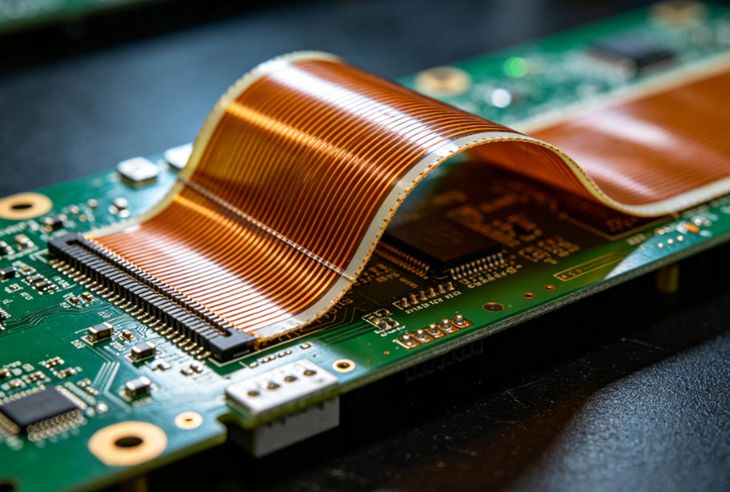
This can provide several practical advantages.
First, eliminating connectors and cable assemblies can save valuable internal space. This is particularly useful for compact medical devices, wearable electronics, sensors, cameras, robotics, and other products where mechanical dimensions are tightly constrained.
Second, fewer interconnections may reduce potential failure points caused by loose connectors, vibration, repeated assembly, or wiring errors.
Finally, Rigid-Flex PCB technology can support three-dimensional product architectures that would be difficult to achieve using conventional rigid boards alone.
Nevertheless, these advantages depend heavily on correct design and manufacturing.
Rigid-Flex PCB Manufacturing Requires More Process Control
Rigid-flex manufacturing introduces challenges that buyers should evaluate before selecting a PCB Manufacturer.
The flex section commonly uses polyimide materials, while rigid sections may use FR-4 or other specified laminates. Because these materials behave differently during manufacturing, lamination parameters and dimensional compensation require careful control.
The transition between rigid and flexible areas is another critical location. Poor routing, unsuitable copper geometry, incorrect bend placement, or mechanical stress near the transition can reduce long-term reliability.
Therefore, engineers should clearly define requirements such as:
- Rigid and flex layer structure
- Polyimide and adhesive requirements
- Finished board thickness
- Copper thickness
- Minimum bend radius
- Controlled impedance
- Coverlay openings
- Stiffener requirements
- Blind or buried vias
- Surface finish
- Dynamic or static flex requirements
A capable PCB Manufacturer should review these specifications before releasing the design for production.
DFM Should Begin Before Rigid-Flex Production
Design for Manufacturability is especially valuable for Rigid-Flex PCB projects.
A design may be electrically correct but still create unnecessary manufacturing risk. For example, vias placed too close to bend areas, abrupt conductor transitions, unsuitable trace routing through flex zones, or unrealistic tolerances can increase the possibility of failure.
For this reason, DFM should evaluate both electrical and mechanical requirements.
The PCB manufacturer should review the stackup, material selection, bend zones, copper distribution, drill structures, panelization, impedance requirements, and manufacturing tolerances.
At the same time, if the board will be assembled, DFA and DFT should also be considered.
This early collaboration can reduce engineering changes after tooling, material preparation, or component purchasing has already begun.
Choose a PCB Manufacturer Based on Capability, Not Price Alone
Unit price matters, but it should not be the only criterion when comparing rigid-flex suppliers.
Procurement and engineering teams should ask whether the manufacturer has actual rigid-flex production experience and whether its process controls match the design requirements.
Useful supplier qualification questions include:
Does the factory control rigid-flex lamination internally? Can it manufacture blind and buried vias? Can it verify controlled impedance? How are flex areas protected during production? What electrical testing is performed? Can the factory perform thermal cycling or flexibility testing when required?
Equally important, ask how quality records and material traceability are managed.
For high-reliability applications, documentation and process consistency can be as important as the first article itself.
Why Turnkey PCB Assembly Matters for Rigid-Flex Projects
Fabricating a good Rigid-Flex PCB is only half of the job. The board must still survive component assembly, soldering, inspection, testing, handling, and final product integration.
This is where turnkey PCB assembly can provide additional value.
With a fragmented sourcing model, one supplier manufactures the rigid-flex board, another purchases components, and another performs SMT assembly. When a problem occurs, determining whether it originated from the PCB, component, assembly process, or original design can take time.
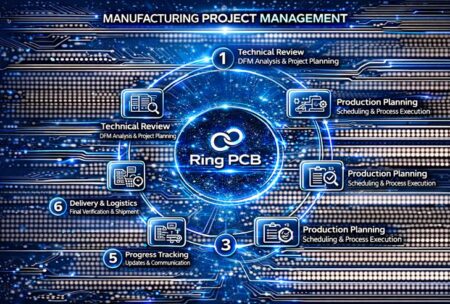
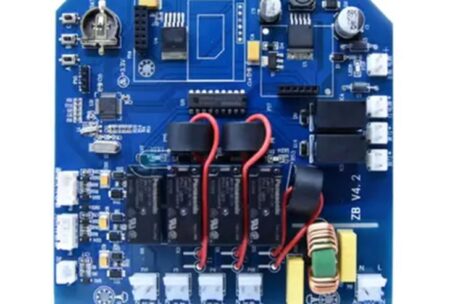
A turnkey PCB assembly partner can coordinate PCB fabrication, BOM sourcing, SMT and THT assembly, inspection, testing, and logistics within one manufacturing workflow.
This can be particularly valuable for rigid-flex assemblies because handling and fixturing may require additional attention. Flexible sections must be properly supported during stencil printing, component placement, reflow, inspection, and subsequent operations.
Component Sourcing Is Part of Manufacturing Risk
Supply-chain resilience remains another concern for electronics buyers.
Component availability, lifecycle status, minimum order quantities, long lead times, and material price changes can affect both prototype and volume production.
Therefore, BOM verification should begin early.
A turnkey supplier can review manufacturer part numbers, identify sourcing risks, evaluate approved alternatives with customer authorization, and coordinate purchasing with the expected production quantity.
For B2B buyers, this reduces the risk of completing the PCB only to discover that a critical component cannot be sourced within the required schedule.
Inspection and Testing Should Match the Application
Rigid-flex quality cannot be evaluated only through visual inspection.
Bare-board manufacturing may require AOI, electrical testing, dimensional inspection, impedance verification, microsection analysis, and other application-specific checks.
After assembly, SPI and AOI can identify solder paste and visible placement defects. X-ray inspection is particularly useful for packages such as BGA and QFN, where solder joints are hidden underneath the component.
Depending on the product, flying probe, ICT, programming, functional testing, or customer-specific test procedures may also be required.
The appropriate test plan should be agreed before production rather than after defects occur.
From Prototype to Volume Production
Another question B2B customers should ask is whether their PCB Manufacturer can support the entire product lifecycle.
Early prototypes often require flexible quantities and close engineering communication. NPI builds focus on validating manufacturing processes and resolving design issues. Volume production requires stable material supply, repeatable process control, capacity planning, traceability, and consistent quality.
Using one manufacturing partner from prototype through mass production can reduce the engineering effort required to transfer a validated product to another factory.
It also allows manufacturing knowledge gained during prototyping to remain with the production team.
Building a More Integrated Rigid-Flex Supply Chain
As electronics become more compact and integrated, Rigid-Flex PCB projects increasingly require cooperation between PCB engineering, component sourcing, assembly, inspection, and testing teams.
For OEMs, choosing the right supplier is therefore less about finding the lowest bare-board quotation and more about controlling total manufacturing risk.
Ring PCB supports this integrated approach with Rigid-Flex PCB manufacturing alongside PCB fabrication, component sourcing, SMT and THT assembly, AOI and X-ray inspection, testing, engineering support, and full-turnkey PCB assembly services. Flexible order quantities allow projects to move from engineering prototypes and small batches toward scalable volume production without unnecessarily changing manufacturing partners.
For a new Rigid-Flex PCB or turnkey PCBA project, customers can send Gerber or ODB++ files, BOM, assembly drawings, quantities, and technical requirements for engineering review.
Contact Ring PCB: rfq@ringpcb.com