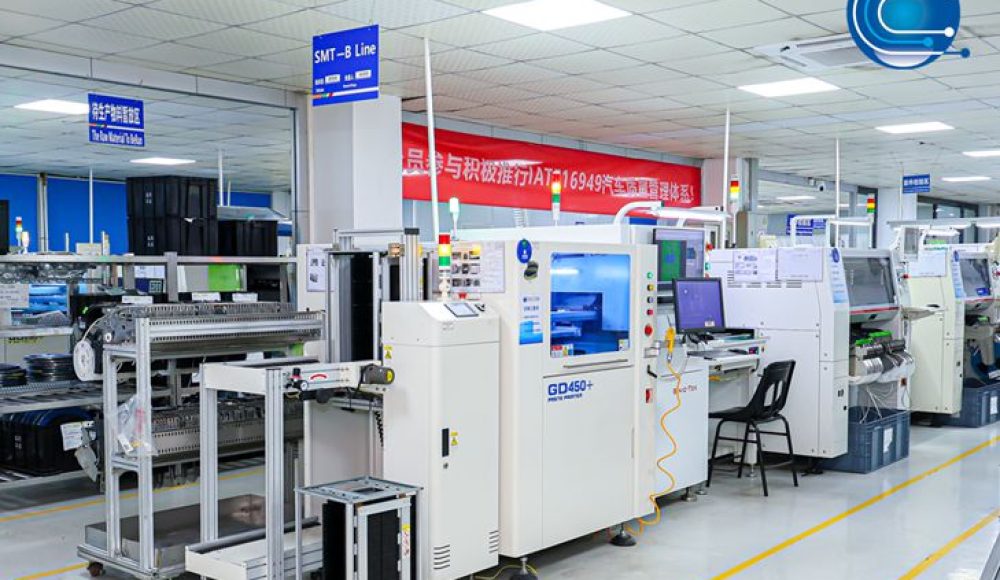
In today’s global electronics supply chain, many procurement teams prioritize pricing and lead‑time quotations while overlooking one critical factor: whether your partner runs a self‑operated manufacturing facility. According to 2026 electronics manufacturing industry surveys, nearly 38 % of global buyers have experienced project delays or inconsistent quality caused by broker‑style suppliers who outsource most production work to unknown subcontractors. While third‑party sourcing may appear cost‑effective on paper, fragmented outsourced workflows introduce hidden risks for industrial, automotive and medical electronics projects. Therefore, understanding the value of self‑operated PCB & PCBA production becomes essential for B‑side buyers aiming for stable long‑term cooperation.
Self‑Operated Facility vs. Broker‑Driven Supply Chains
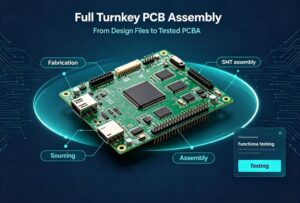
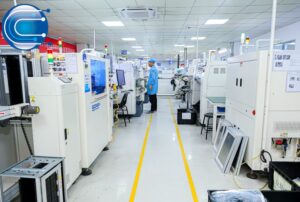
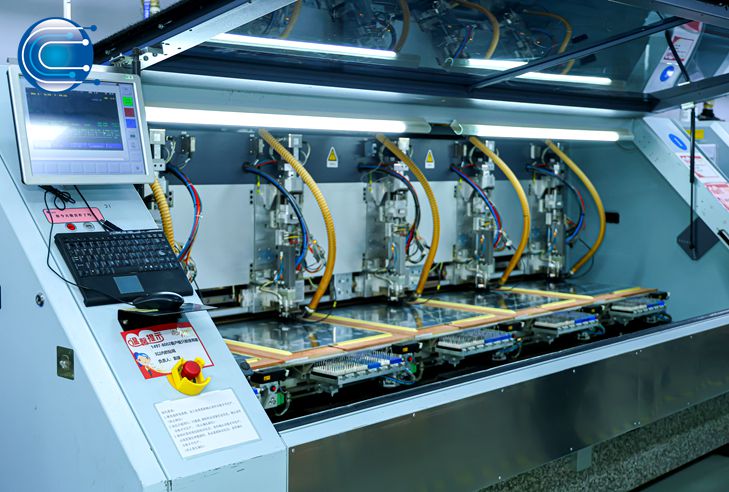
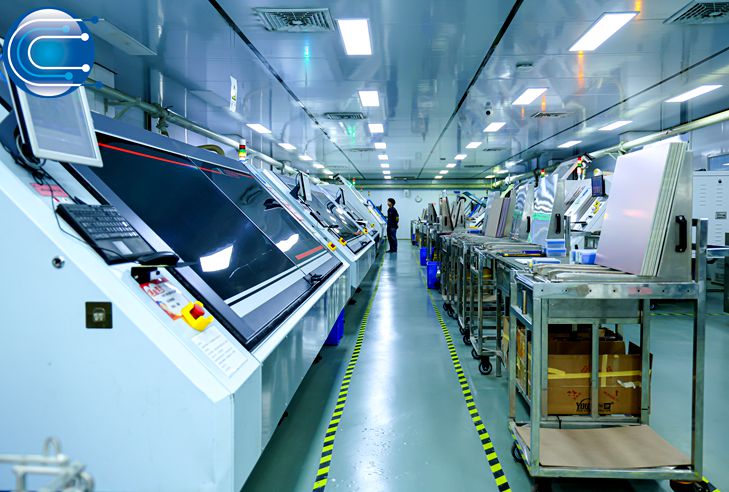
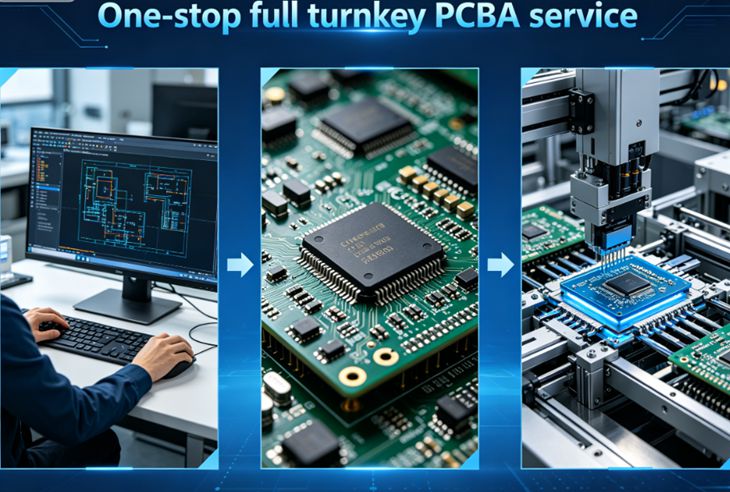
First of all, it is necessary to clarify the core difference between the two cooperation models. A self‑operated PCB & PCBA facility means the manufacturer owns production workshops, core processing equipment, quality management teams and material management systems. Every key procedure, including PCB fabrication, SMT assembly, inspection and functional testing, is completed on‑site under unified management.
On the contrary, broker‑oriented suppliers usually do not hold independent production capacity. They receive customer orders and then distribute different processes to multiple external subcontractors. As a result, customers can hardly supervise real‑time production status. Worse still, once quality defects emerge, responsibility will be shifted among different factories, bringing huge troubleshooting costs for buyers. For complex high‑reliability PCBA used in industrial control or power electronics, such ambiguous supply chains will greatly raise project risks.
End‑to‑End Process Control Guarantees Consistent Product Quality
One of the most outstanding strengths of self‑operated manufacturing lies in full‑range process control. Since all production steps happen inside one factory, engineering and QA teams can implement unified quality standards from raw material incoming inspection to final product delivery.
When defects occur, internal engineers can quickly locate root causes, adjust production parameters and roll out corrective measures without waiting for replies from external subcontractors. In comparison, multi‑party outsourced projects often suffer from unstable batch‑to‑batch performance. Even if you submit identical Gerber files and BOM lists, finished boards may show obvious differences across batches. What’s more, complete production traceability records are available within self‑operated workshops, which is a mandatory requirement for ISO‑compliant industrial and medical electronic products.
Improved Lead‑Time Predictability and Agile Engineering Response
Apart from quality stability, delivery reliability is another major concern for global B‑end purchasers. Supply‑chain disruptions and material shortages have become frequent industry challenges in recent years. Self‑operated factories can dynamically adjust production scheduling according to order priorities.
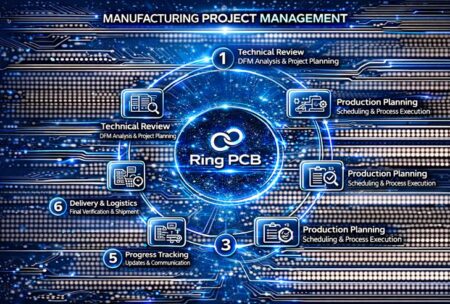
If you require design modification, DFM optimization or urgent prototype adjustment, your technical demands can circulate among internal engineering, production and QA departments directly. There is no extra communication lag caused by third‑party hand‑offs. For prototype validation and small‑batch pilot runs, this shortened feedback loop effectively accelerates your whole product time‑to‑market. In contrast, brokers must coordinate schedules across several independent manufacturers, which may extend actual lead times by up to 40 % beyond original promises.
Transparent Cost Structure and Reduced Hidden Project Risks
Many buyers mistakenly believe that broker‑based suppliers always offer lower prices. In fact, outsourced workflows often contain invisible costs. Subcontractor handling fees, repeated rework expenses, cross‑factory logistics charges and unexpected repair costs will gradually increase your total expenditure.
With a self‑operated manufacturer, quotations break down manufacturing costs clearly without multi‑layer subcontractor markup. You can obtain predictable budgets for prototyping, medium‑volume batches and mass production. Additionally, confidential design files stay within one enterprise system, lowering the risk of intellectual‑property leakage that frequently troubles multi‑vendor projects.
Partnering with a Trusted Self‑Operated PCB & PCBA Manufacturer
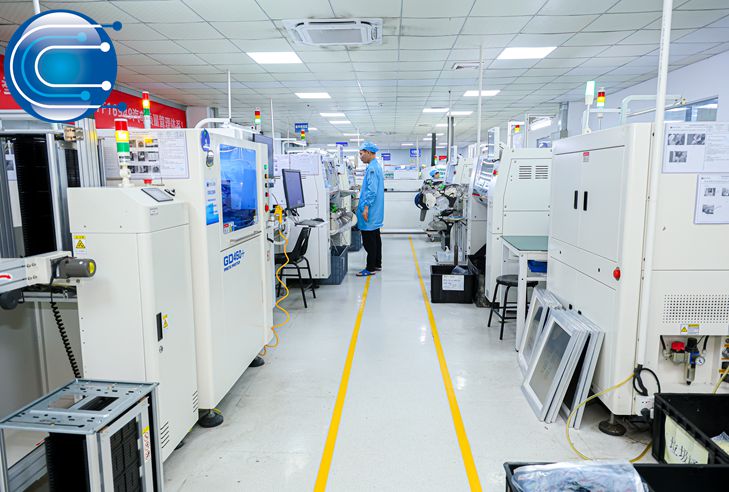
Selecting a supplier with self‑owned production capacity is not merely about checking factory photos; it requires verifying real‑world production capability, certification status and engineering support resources.
Ring PCB operates self‑managed modern facilities in Shenzhen and Zhuhai, with around 10,000 m² production space and 500+ skilled staff. All PCB fabrication and PCBA assembly workflows are completed in‑house instead of heavy outsourcing. Supported by ISO9001, ISO14001, ISO13485 and IATF16949 certifications, our team handles custom prototypes through to volume production. We deliver fast‑turn samples within 3 days and mass‑batch manufacturing within 7 days, supporting diverse high‑reliability projects for clients across more than 50 countries. Whether you need rigid‑flex PCBs, heavy‑copper power boards or industrial‑control assemblies, our in‑house engineering team provides timely DFM review and technical support throughout your whole project cycle.
If you are evaluating reliable PCB & PCBA manufacturing partners for your upcoming projects, feel free to send your requirements to rfq@ringpcb.com for a detailed quotation.