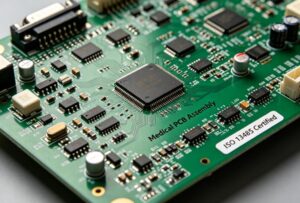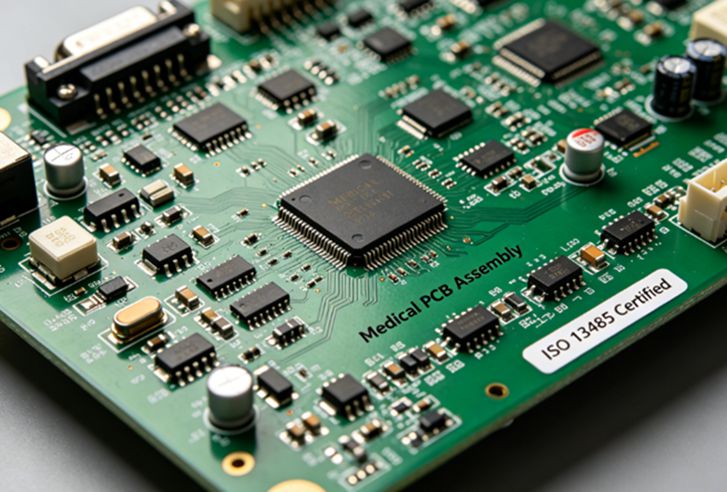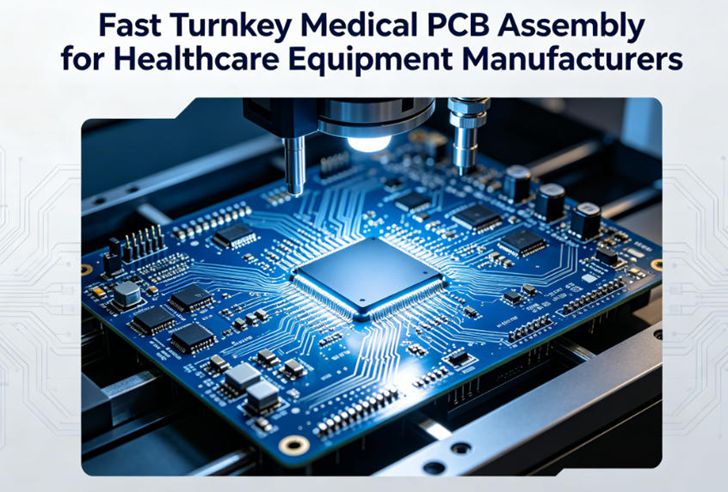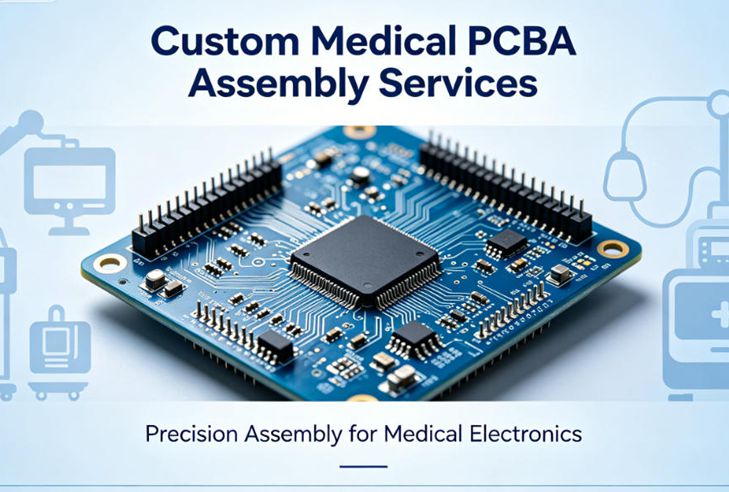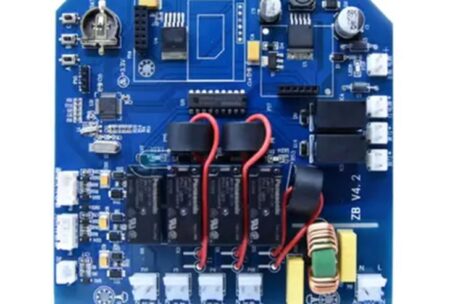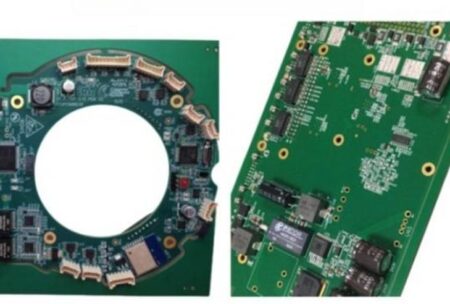
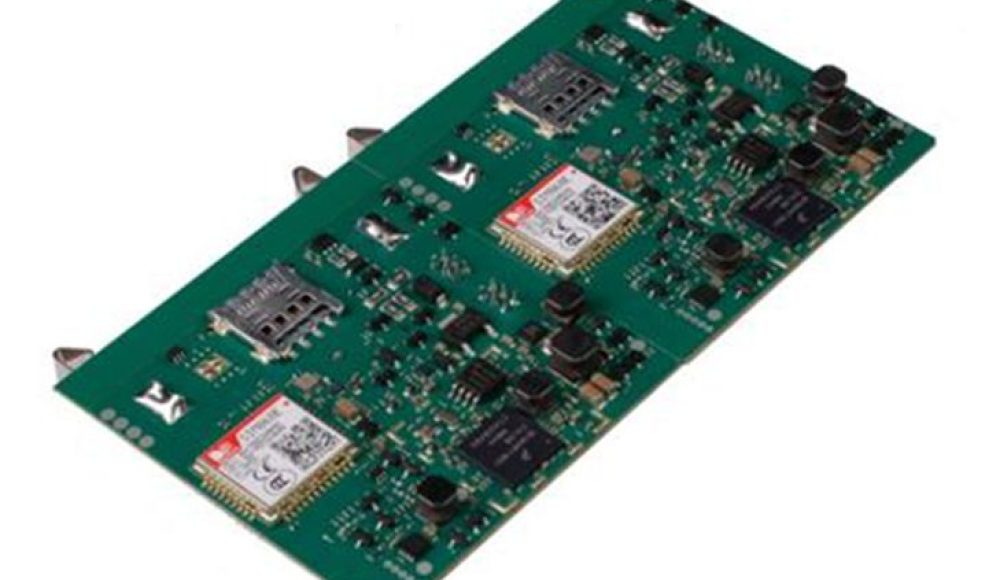
The global medical electronics sector is undergoing rapid transformation, driven by growing demand for portable diagnostic devices, wearable health monitors, and high‑precision surgical equipment. As medical devices become more compact and functionally complex, reliable medical PCB assembly has turned into a non‑negotiable foundation for product safety and long‑term performance. Many global OEMs and medical device designers are actively searching for a trusted PCBA factory China to balance cost‑efficiency, strict compliance requirements, and scalable production capacity.
The Rising Market Demand for Medical‑Grade PCBA
In recent years, the medical electronics market keeps steady expansion. Industry observations show that miniaturization, high‑density circuitry, and strict regulatory compliance are three major trends reshaping medical PCB manufacturing. Modern medical hardware no longer relies on simple circuit boards; instead, it requires high‑layer‑count PCBs, fine‑pitch components, and consistent assembly quality to pass industry certification standards.
Medical devices such as patient monitors, point‑of‑care testing tools, and implant‑adjacent hardware cannot afford circuit failure. Even minor soldering defects or material inconsistency may lead to dangerous device malfunctions. This reality explains why engineering buyers no longer only compare unit prices when selecting a PCBA partner. On the contrary, they prioritize process control, traceability, and compliance capability above basic manufacturing costs.
Key Concerns B‑Side Clients Have for Medical PCB Assembly
When evaluating potential suppliers for medical PCB assembly, B‑end customers typically focus on several practical pain points. First, regulatory compliance sits at the top of the checklist. Medical electronics must satisfy strict quality standards, and full‑production traceability is essential for audit requirements. Suppliers without mature quality management systems will bring huge post‑release risks for medical product developers.
Second, mixed‑volume production flexibility creates another common challenge. Medical projects frequently include small‑batch prototype validation, pilot runs, and later mass‑scale orders. Many factories excel only at large‑volume manufacturing yet struggle to deliver stable quality for low‑volume, high‑mix medical PCBA. This gap forces many device developers to hunt for factories capable of seamless transition from prototype to mass production.
Third, material selection and component sourcing draw plenty of attention. Medical‑grade PCBA calls for certified raw materials and reliable component supply chains. Counterfeit or substandard electronic parts will compromise the whole medical device lifecycle. Experienced buyers will verify suppliers’ component procurement workflows before formal cooperation.
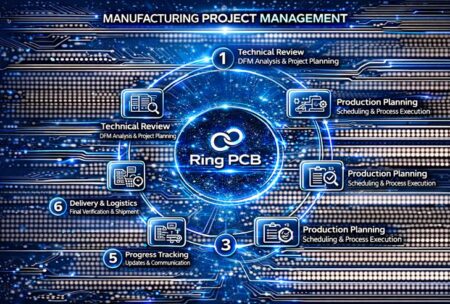
Last but not least, technical support matters greatly. Medical hardware design involves repeated revision and performance verification. A qualified PCBA factory China should provide timely DFM (Design for Manufacturability) feedback at early stages, helping clients detect manufacturability risks before entering production. Early‑stage design optimization effectively cuts rework cost and shortens overall project lead‑time.
How Qualified Manufacturers Address Medical‑Grade PCBA Challenges
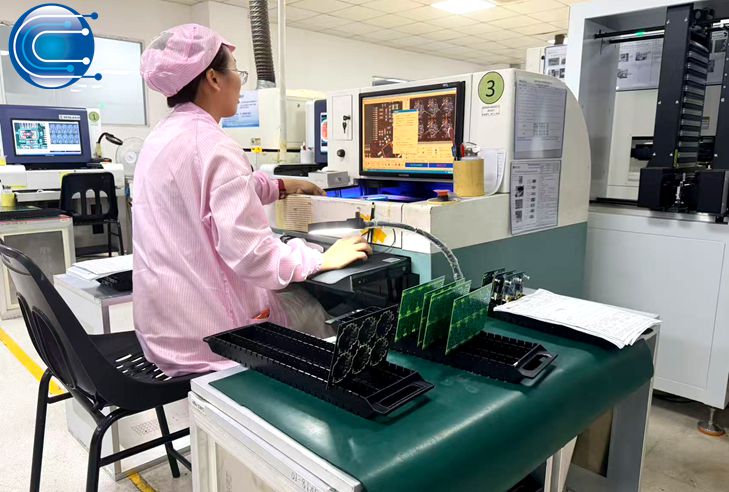
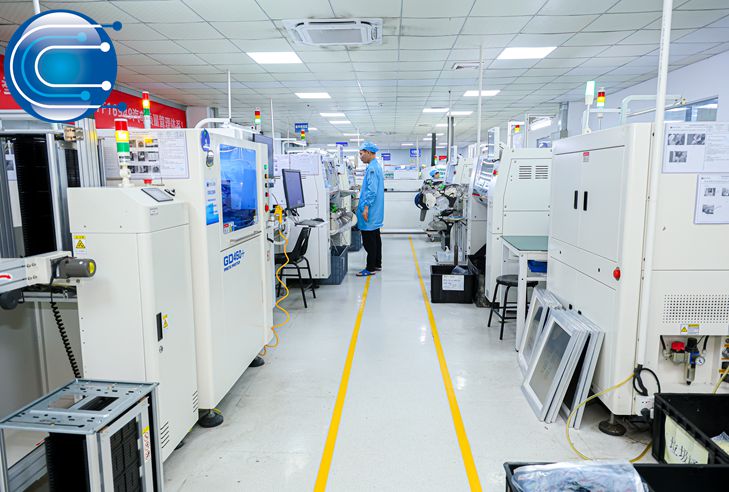
Forward‑thinking PCB&PCBA manufacturers invest heavily in automated production lines, strict incoming‑material inspection, and full‑process quality testing. Advanced AOI equipment, X‑ray inspection for hidden solder joints, and standardized traceability records become standard configurations for medical‑oriented workshops.
Besides hardware investment, standardized internal workflows play an equally vital role. Formalized document management, batch record keeping, and closed‑loop quality correction help manufacturers meet strict medical industry expectations. Factories with these capabilities can support customers through product certification preparation, which significantly reduces customers’ compliance workload.
As a capable supplier, Ring PCB accumulates rich practical experience serving medical‑related electronic projects. Our in‑house PCB manufacturing capacity supports multilayer PCBs up to 64 layers, paired with complete medical‑oriented PCBA assembly services. We offer DFM review, prototype validation, mixed‑batch production, and full‑order traceability records. Our team understands that medical applications allow zero tolerance for quality deviation; hence we apply tighter inspection thresholds for medical‑relevant orders compared with general consumer electronics. Whether you require complex high‑layer circuit boards or full turn‑key medical PCB assembly solutions, our team supports projects from initial prototype through volume manufacturing.
If you are sourcing a dependable partner for your medical electronics project, feel free to send detailed requirements to rfq@ringpcb.com for customized quotation and technical consultation.