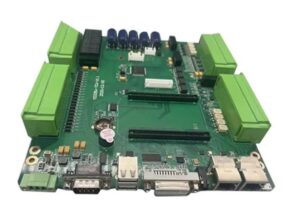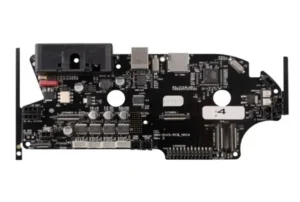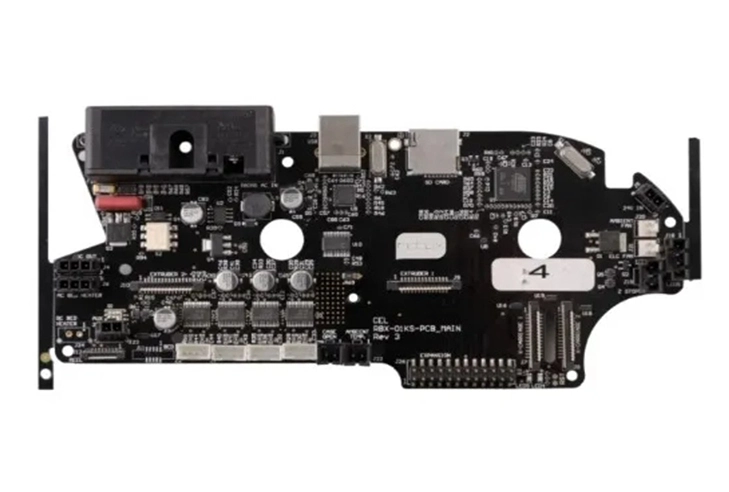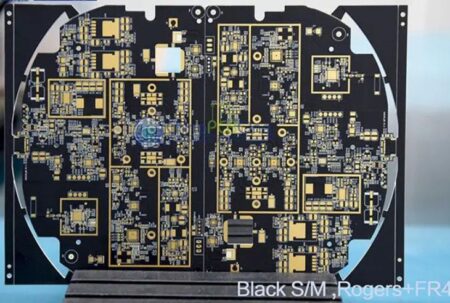
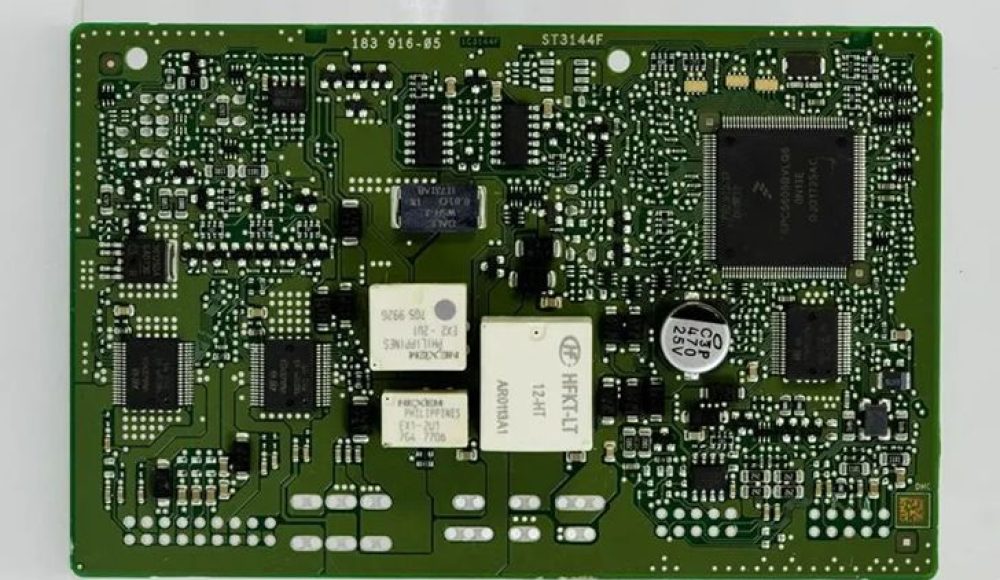
For automation OEMs, selecting the right manufacturing partner for industrial control PCBA is a strategic decision. Poor board reliability can damage brand reputation and trigger expensive after-sales maintenance. As more manufacturers advertise turnkey assembly capacity, buyers must learn to distinguish basic PCBA assembly from genuine industrial-grade full-turnkey PCBA service. Several key evaluation criteria help OEMs avoid risky supplier partnerships.
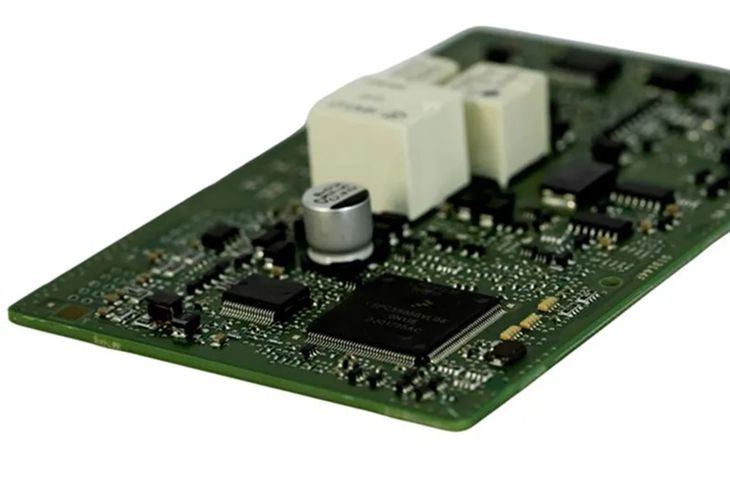
Core Capabilities to Assess for Industrial Control PCBA Suppliers
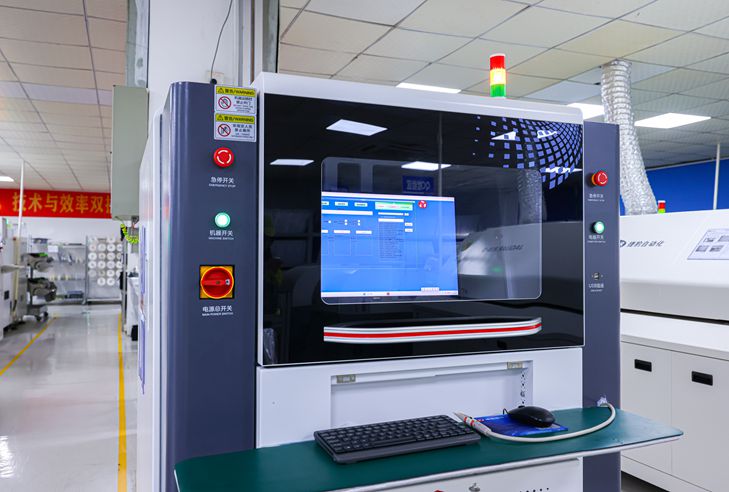
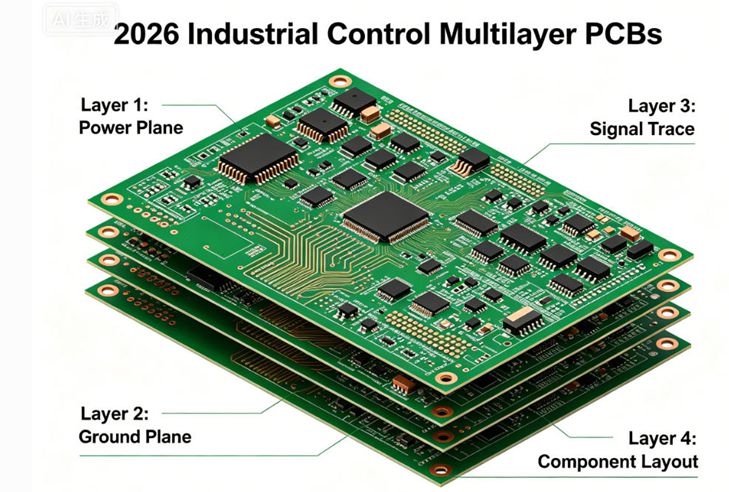
First, verify their multilayer PCB manufacturing capability. Modern industrial controllers often use high-layer PCBs for dense power and signal routing. Suppliers limited to low-layer boards cannot handle complex high-speed control circuits. Second, confirm component sourcing channels. Industrial assemblies require authentic, traceable components from authorized distributors. Counterfeit or grey-market parts will cause unpredictable field failures. Third, check their industrial testing capacity. Standard AOI alone is not enough; thermal cycling, vibration and humidity testing are necessary for industrial control PCBA. Fourth, confirm DFM expertise for EMC and thermal optimization. These two factors decide long-term stability in factory environments.
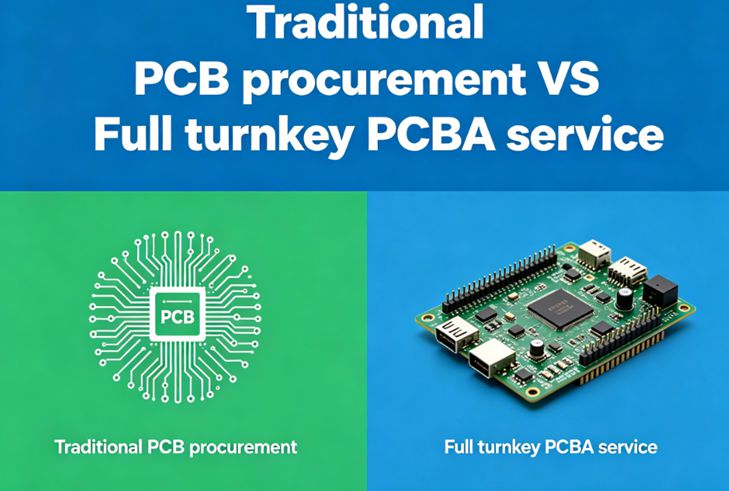
Many assembly shops can mount components on boards, yet they lack in-house PCB fabrication and industrial reliability testing capability. Such providers are not true full-turnkey partners. They outsource core PCB work to third parties, introducing hidden quality risks and longer lead times.
Value of Integrated PCB Fabrication Within Full-Turnkey PCBA Service
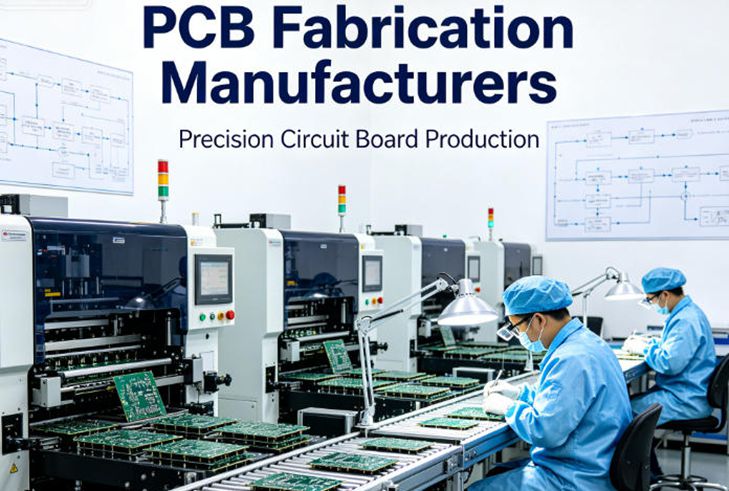
A real full-turnkey PCBA service operates in-house PCB production and SMT assembly. PCB engineers and SMT specialists collaborate on stack-up, copper balance, pad geometry and thermal relief during DFM analysis. They can adjust PCB specs quickly to match assembly requirements, without waiting for external PCB vendors. This integration is especially valuable for complex industrial control PCBA with high layer counts and heavy copper design.
Unified production also delivers complete traceability. Every batch keeps records of raw PCB materials, component lot numbers, inspection and test data. These documents are essential for industrial equipment certification and customer audits. When defects occur, root cause analysis can be completed rapidly.
Future Demands for Industrial Control PCBA in 2026 and Beyond
The rising adoption of edge AI in factory automation brings new requirements for industrial control PCBA. Next-generation control boards integrate high-speed signal interfaces, power semiconductors and sensing circuits on the same assembly. Higher power density increases thermal management challenges. Meanwhile, component supply volatility will continue, making stable BOM management one of the most important advantages of full-turnkey PCBA service.
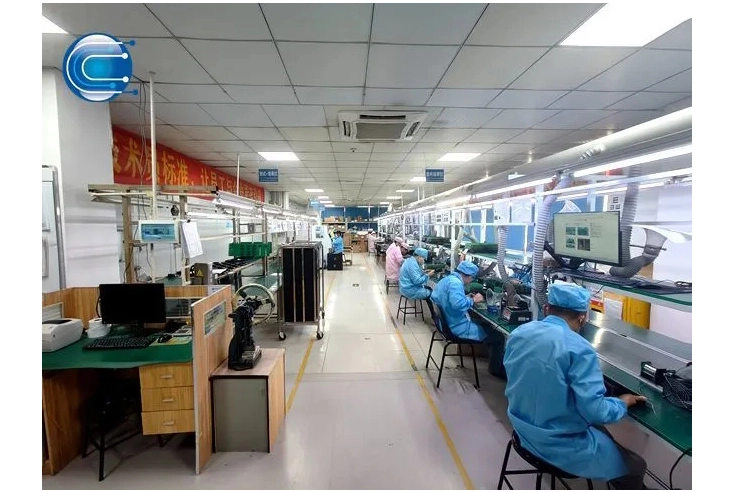
Ring PCB is a trusted provider of full-turnkey PCBA service for industrial control PCBA. We fabricate multilayer PCBs up to 62 layers, with monthly bare PCB capacity of 50,000 ㎡ and capacity for up to 500 PCBA projects monthly. Our in-house engineering team offers DFM review, BOM verification, industrial reliability testing and conformal coating options. We deliver full test reports and material traceability documents for automation OEMs.
Contact us to discuss your industrial control PCBA requirements and request your quotation at rfq@ringpcb.com.